
Main Courses
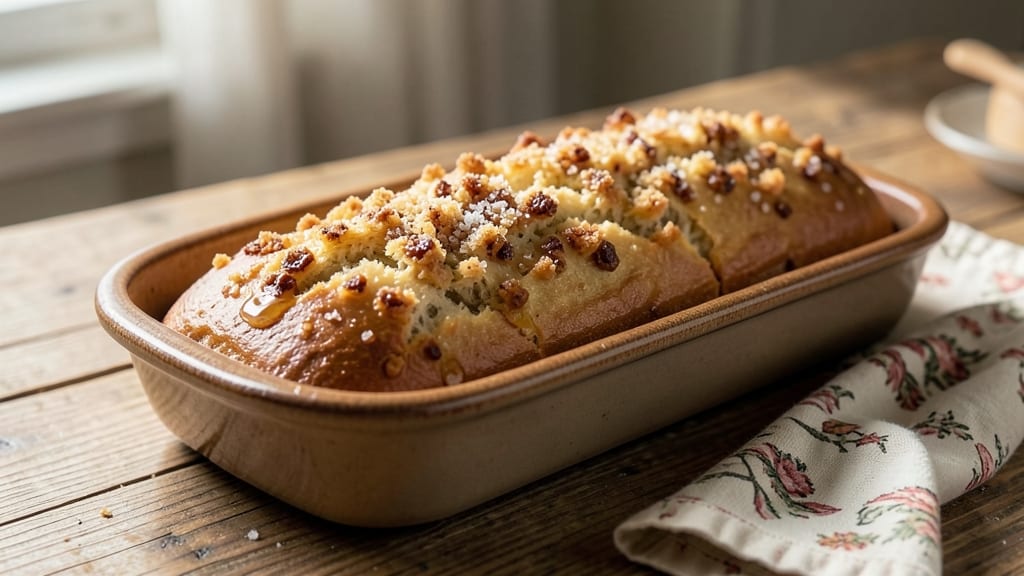
This artisan bread recipe flavors your kitchen with the comforting aroma of warm cinnamon and caramelized sugar. 🔥 The secret lies in a crunchy streusel topping that transforms simple dough into a bakery-worthy loaf with every bite.
Perfect for breakfast or dessert, this recipe combines the rustic charm of artisan bread with the irresistible sweetness of cinnamon-sugar, creating a texture that's crisp on top and tender inside.
What sets this recipe apart is the foolproof dough technique, designed to deliver a golden crust and an airy crumb without requiring a sourdough starter. The streusel topping, made with just three ingredients, adds a delightful contrast—each bite offers a mix of soft bread and sweet, buttery crunch.
Whether you're a beginner or an experienced baker, this method ensures restaurant-quality results every time.
By the end, you'll have a loaf that's visually stunning with its caramelized streusel and perfectly risen crust, while the warm cinnamon flavor makes it a crowd-pleaser. The best part? It's ready in just under 2 hours, including a short proofing time that requires minimal effort.
This is the kind of bread that disappears faster than you can slice it.
Pair it with butter, jam, or even savory toppings for a versatile loaf that works for any meal. Here's how to make it—simple, satisfying, and impossible to resist.
Ingredients for artisan bread recipe flavors
Four cups of flour, a touch of yeast, and three ingredients for that signature streusel topping.
| Ingredient | Amount | Notes |
|---|---|---|
| All-Purpose Flour 🌾 | 4 cups | Sifted for light texture |
| Instant Yeast 🍞 | 2 ½ tsp | Active dry works too |
| Granulated Sugar 🍚 | 1 tbsp | For dough activation |
| Unsalted Butter 🧈 | ½ cup | Cold, cubed for streusel |
| Large Eggs 🥚 | 1 whole | Room temperature preferred |
| Whole Milk 🥛 | ½ cup | Warm for yeast activation |
| Salt 🧂 | 1 ½ tsp | Diamond Crystal preferred |
| Brown Sugar 🍯 | ½ cup | Packed for streusel |
| Ground Cinnamon 🌿 | 2 tbsp | Freshly ground preferred |
| Vanilla Extract 🍯 | 1 tsp | Pure extract for flavor |
| Vegetable Oil 🫒 | 2 tbsp | For dough enrichment |
| Coarse Sugar 🍚 | ¼ cup | For streusel crunch |
For the dough, King Arthur flour or Bread flour yields the best rise and texture—avoid all-purpose if you're seeking bakery-quality results. Instant yeast is convenient, but if using active dry, proof it in warm milk for 5 minutes first. The butter for the streusel should be cold and cubed—this ensures proper caramelization without turning greasy. For the sugar, turbinado or raw cane sugar adds extra crunch to the topping, but white sugar works fine in a pinch. Store flour in an airtight container to prevent absorption of odors, and keep yeast refrigerated for maximum potency.
No instant yeast? Active dry yeast at half the amount works, but remember to proof it first. Running short on brown sugar? White sugar plus 1/4 tsp molasses mimics the flavor profile. The vanilla extract can be swapped for vanilla bean paste if you prefer speckled flecks in your bread. For a dairy-free option, substitute the milk with warm almond milk and use vegan butter in the streusel. If you're baking at high altitudes, reduce the yeast by 1/4 teaspoon to prevent overproofing. The coarse sugar in the streusel can be omitted if you prefer a smoother texture, but it's worth including for that bakery-style crunch.
The dough can be refrigerated for up to 24 hours for improved flavor development, though it must proof at room temperature before baking. Once baked, the bread stays fresh for 3 days at room temperature, wrapped in a clean kitchen towel. For longer storage, slice the loaf and freeze individual portions for up to 3 months. The streusel topping hardens as it cools, so reheat slices in a 350°F oven for 5 minutes to restore its crisp texture. This bread reheats beautifully—simply wrap it in foil and warm in the oven for 10-15 minutes to maintain its moisture.
Why You'll Love This Recipe
- No-Knead Magic: I swear by this dough—just mix, let it rest, and bake. The butter and eggs give it that almost bakery-worthy texture without the fuss of shaping loaves.
- Buttery Rich Crust: That crispy, golden crust with a tender crumb? It’s all thanks to the butter and sugar caramelizing just right. Honestly, it’s the kind of bread that makes toast taste like a treat.
- Weeknight Wonder: Perfect for when you’re too tired to fuss. Make a batch on Sunday, and you’ve got breakfast, sandwiches, or charcuterie boards covered all week—no last-minute store runs.
- Budget-Friendly Luxury: All-purpose flour and basic pantry staples keep costs low, but the result? Bread that feels special. I’ll be real—it’s my go-to for feeding a crowd without breaking the bank.
Step-by-step instructions for warm cinnamon-sugar streusel topping
Transform simple dough into a golden, aromatic loaf with this foolproof streusel technique.
👨🍳 Step 1: Prepare the Streusel Topping
In a medium bowl, combine the 0.5 cup unsalted butter (cold and cubed), 0.5 cup packed brown sugar, 2 tbsp ground cinnamon, and 0.25 cup coarse sugar. Use your fingers or a pastry cutter to work the butter into the dry ingredients until the mixture resembles coarse crumbs with some pea-sized butter pieces remaining—this ensures a perfect crunch-sweet balance.
I like to keep a few larger butter chunks for extra flavor bursts as they melt during baking. Spread the streusel mixture evenly over the shaped dough before baking, pressing down gently so it adheres. This creates those signature caramelized pockets that make every bite irresistible.
🍳 Step 2: Shape the Dough for Even Baking
On a lightly floured surface, gently shape the prepared dough into a 12x8-inch rectangular loaf (or round boules if preferred). The dough should be smooth but not overly tight—press just enough to eliminate air pockets without compacting the gluten structure. Place the shaped dough on a parchment-lined baking sheet.
For that perfect artisan look, I dimple the top surface lightly with my fingers before adding the streusel. This creates visual texture and allows the streusel to nestle into the dough, ensuring maximum surface area for caramelization. Cover loosely with a clean kitchen towel and let rest for 10 minutes at room temperature.
🔥 Step 3: Proof the Dough for Optimal Rise
Preheat your oven to 375°F. Place the shaped dough in the preheated oven and bake for 10 minutes—this initial proofing step activates the yeast and creates steam for a tender crumb. Remove the dough and spread the streusel evenly over the top, pressing down gently so it adheres.
Return to the oven and bake for an additional 30-35 minutes until the bread reaches an internal temperature of 190°F and the streusel turns a deep golden brown. The edges should pull away slightly from the pan, and you should hear a hollow sound when tapping the bottom. This indicates proper doneness and a perfect crumb structure.
⏰ Step 4: Rest and Serve for Maximum Flavor
Remove the bread from the oven and transfer it to a wire rack to cool for 15 minutes. This resting period allows the internal structure to set and prevents a gummy texture. The streusel will be soft immediately after baking but will crisp up as it cools—this is normal and desirable.
For serving, I recommend slicing the bread while still warm. The contrast between the tender, slightly sweet crumb and the crisp, caramelized streusel creates an irresistible texture. Store any leftovers wrapped in a clean kitchen towel to maintain freshness for up to 3 days at room temperature.
Pro Tips For Making Artisan Bread Recipe Flavors
- Weigh Your Flour: DESCRIPTION:
- Bloom the Yeast Cold: DESCRIPTION:
- Salt the Butter First: DESCRIPTION:
- Let the Dough Rest Overnight: DESCRIPTION:
Common mistakes when making perfect results
Overproofed Dough
One of the most common mistakes is letting the dough proof too long, which results in a dense, flat loaf. The ideal proof time is 45-60 minutes at room temperature (about 75°F) until the dough has roughly doubled in size. To avoid this, use a timer and gently press the dough—if it springs back slowly, it's ready. Overproofing happens more often in colder kitchens, so I recommend proofing near a warm oven or using a proofing box set to 80°F for consistent results. 🌡️
Skipping the Rest
After shaping the dough, many bakers skip the 10-minute rest before adding the streusel. This rest allows the gluten to relax slightly, preventing the bread from collapsing during baking. Without it, your loaf may spread unevenly or develop a dense crumb.
I always cover the dough loosely with a kitchen towel during this time to prevent drying. This step is especially critical when working with sticky doughs or when adding heavy toppings like streusel.
Uneven Streusel Distribution
The streusel topping should be spread evenly to ensure consistent caramelization and flavor. Uneven distribution leads to some areas being too sweet or undercooked. I recommend pressing the streusel gently into the dough to create those signature caramelized pockets.
For a professional finish, use a pie crust shield or baking stone to create even heat distribution. If you notice the streusel clumping, break it up with your fingers before spreading.
Incorrect Oven Temperature
Baking artisan bread at the wrong temperature is a game-changer for texture and color. The oven should be preheated to 375°F for this recipe, not higher or lower.
A temperature that's too low (like 350°F) results in a pale crust and underbaked interior, while too high (like 400°F) can burn the streusel before the bread is fully cooked.
I always use an oven thermometer to verify accuracy—many home ovens run 25°F hotter or cooler than the set temperature. 🔥
Ignoring the Internal Temp
Relying solely on baking time can lead to undercooked or overcooked bread. The internal temperature should reach 190°F for a perfectly baked loaf. Use an instant-read thermometer to check—insert it into the center of the loaf.
If it's below 190°F, continue baking in 5-minute increments until it reaches the target. This ensures the bread is fully cooked and safe to eat, even if the streusel looks golden but the interior feels slightly doughy.
Overmixing the Dough
Overmixing develops too much gluten, resulting in a tough, chewy loaf instead of the tender crumb we want. Mix the dough just until it comes together—about 3-4 minutes by hand or 2 minutes on low speed in a stand mixer.
I often use the "scrape and fold" method to incorporate the flour without overworking it. If the dough feels resistant or springs back when pressed, it's been overmixed. Let it rest for 10 minutes before shaping to relax the gluten.
Nutrition facts
Frequently asked questions
Can I substitute the cinnamon-sugar streusel for other flavors?
Swap the cinnamon for 2 tbsp pumpkin pie spice for a fall twist, or use 1 tbsp cardamom + 1 tsp orange zest for a Middle Eastern-inspired flavor. For savory options, try 2 tbsp dried rosemary + 1 tbsp garlic powder with white sugar. The key is maintaining the butter-to-sugar ratio for proper caramelization.
Why does my streusel turn greasy instead of crispy?
Greasy streusel usually happens when the butter melts too quickly. Always use cold cubed butter and work it into the sugar mixture just until crumbly—don't overmix. For extra crispiness, chill the streusel for 15 minutes before spreading it on the dough. The cold butter creates better texture contrast during baking.
How can I make this bread gluten-free?
Replace the all-purpose flour with a 1:1 gluten-free baking flour blend (like Bob's Red Mill) plus 1 tsp xanthan gum. Add 2 tbsp extra milk to compensate for reduced gluten structure. The streusel will still work, but expect a slightly denser crumb. Proof time may need extending to 60-75 minutes for proper rise.
Can I make this bread ahead of time?
Yes! Shape the dough and refrigerate it overnight for enhanced flavor. The next day, proof at room temperature for 45 minutes before adding streusel and baking. For maximum freshness, wrap cooled bread in foil and freeze for up to 3 months. Reheat slices at 350°F for 5 minutes to restore crispness.
What's the secret to getting that bakery-style crust?
The golden crust comes from three key steps: steam (spray water in the oven before baking), high heat (375°F for the first 10 minutes), and egg wash (brush top with beaten egg before baking). For extra shine, sprinkle coarse sugar on top before baking. The streusel also contributes to that caramelized finish when pressed firmly into the dough.