
Side Dishes
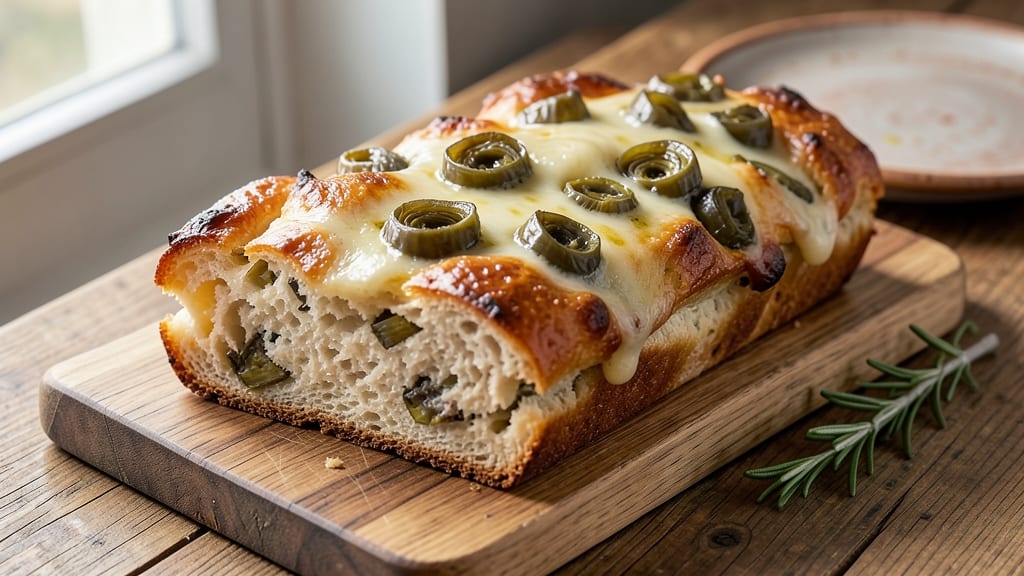
This artichoke cheese bread recipe transforms humble ingredients into a golden, pull-apart loaf with pockets of melty goat cheese and tender artichoke hearts. 💛 The secret lies in a simple yeast dough that rises just enough to create a tender crumb, while the cheese and artichokes add rich, herby depth in every bite.
I've perfected this recipe over years of holiday gatherings—it's the kind of bread that disappears faster than you can say "second slice."
What sets this apart is the balance of textures: a crispy, golden crust gives way to a soft interior studded with artichokes and cheese that stretch into gooey strands when pulled.
The dough comes together in under 20 minutes, but the magic happens during the slow rise, allowing flavors to meld. No fancy techniques—just a warm oven and patience that pays off with a loaf that tastes like comfort food.
By the time it emerges from the oven, you'll have a bread that's perfect for serving warm with soup or slicing for sandwiches. The artichokes add a subtle brininess that cuts through the richness of the cheese, while the crust stays crispy even when sliced.
This isn't just side dish—it's the star of the meal. For best results, let the bread cool for 10 minutes before slicing to preserve that pull-apart perfection. Whether you're hosting a dinner or craving something hearty, this recipe delivers restaurant-quality results at home.
Ingredients for artichoke cheese bread
Fourteen simple ingredients create a golden loaf with gooey cheese and artichoke pockets perfect for holiday gatherings.
| Ingredient | Amount | Notes |
|---|---|---|
| All-Purpose Flour 🌾 | 4 cups | Spooned and leveled for accuracy |
| Active Dry Yeast 🍞 | ¼ oz | Or 2 1/4 tsp (1 packet) |
| Granulated Sugar 🍚 | ½ tsp | For yeast activation |
| Warm Water 💧 | 1 ¼ cups | 110°F (43°C) ideal |
| Unsalted Butter 🧈 | ½ cup | Cold, cubed for dough |
| Large Egg 🥚 | 1 whole | Room temperature preferred |
| Garlic Cloves 🧄 | 2 cloves | Minced for flavor depth |
| Marinated Artichoke Hearts 🌿 | 1 cup | Chopped, drained well |
| Goat Cheese 🧀 | 8 oz | Soft, crumbled variety |
| Fresh Rosemary 🌿 | ¼ cup | Chopped, or 1 tbsp dried |
| Kosher Salt 🧂 | 1 ½ tsp | Diamond Crystal preferred |
| Black Pepper 🌶️ | ½ tsp | Freshly ground preferred |
| Extra-Virgin Olive Oil 🫒 | ¼ cup | For dough and brushing |
| Coarse Sea Salt 🧂 | ½ cup | For sprinkling on top |
The flour is the foundation—King Arthur or Gold Medal brands work best for that tender crumb. Active dry yeast should be fresh (test by dropping in warm water—it should foam in 5-10 minutes). For the artichokes, Whole Foods or Trader Joe's carry the best marinated hearts—look for vibrant green color, not browned or slimy. Goat cheese varies wildly: Montrachet or Crofton Farms from specialty stores have that perfect crumbly texture. Rosemary is non-negotiable here—fresh sprigs from the grocery store's produce section are cheaper than dried and far more aromatic. The butter must be cold for that flaky crust, so pull it straight from the fridge and let it sit out for just 10 minutes before cubing.
No goat cheese? Cream cheese or brie melts beautifully, though the flavor won't be identical. Artichokes too expensive? Sun-dried tomatoes chopped fine add a similar briny depth. Short on rosemary? Thyme or oregano at half the amount works in a pinch. The olive oil matters—California Olive Ranch or Bertolli are reliable grocery store finds. For the yeast activation, if your water isn't warm enough, the yeast won't bloom properly. Test with your finger—it should feel like bathwater, not scalding. The dough will be sticky; don't overwork it. And if you're in a rush, instant yeast can go straight into the dry ingredients.
This dough needs time—at least 2 hours for a slow rise at room temperature. For best results, let it rise overnight in the fridge, covered with a damp towel. The bread keeps for 3 days at room temperature wrapped in foil, but reheats beautifully in a 350°F oven for 10 minutes to revive that crispy crust. Freeze portions for up to 3 months—wrap tightly in plastic and thaw overnight. The artichokes and cheese can be prepped ahead; store them separately in the fridge until ready to fold into the dough. And save those leftover artichokes—they're perfect in salads or pasta.
Why You'll Love This Recipe
- No-Knead Magic: I swear by this dough—just mix, let it rise, and you’re done. No roller, no fuss, no stress. That warm butter and sugar combo makes the yeast work its charm while you sip coffee.
- Cheese Pulls First: The moment it comes out of the oven? That gooey, stretchy cheese with artichoke chunks—it’s like a hug in bread form. (Yes, even my picky teen grabs seconds.)
- Weeknight Hero: Toss it in a lunchbox, serve with soup, or just eat it straight. The yeast gives it a light texture, so it reheats beautifully—no sad, dense leftovers here.
- Pantry Staple Win: Flour, yeast, butter—ingredients you already own. I made this last month with what was in my fridge, and it still tasted like a fancy bakery bought it. Budget-friendly perfection.
Step-by-step instructions for artichoke cheese bread
Here's how to create a bread with a golden crust and gooey goat cheese pulls—every bite delivers.
👨🍳 Step 1: Activate the Yeast and Mix the Dough Base
In a large bowl, whisk together the 1.25 cups warm water (should feel like bathwater, 110°F) with the 0.5 tsp granulated sugar and 0.25 oz active dry yeast. Let sit for 5-10 minutes until foamy—this confirms your yeast is alive and ready to work. If it doesn't foam, start over with fresh yeast.
In a separate bowl, combine the 4 cups all-purpose flour, 1.5 tsp kosher salt, and 0.5 tsp black pepper. Make a well in the center and pour in the yeast mixture along with the 0.5 cup unsalted butter (cut into small cubes) and 1 whole large egg. Mix with a wooden spoon until a shaggy dough forms, then turn onto a lightly floured surface.
👨🍳 Step 2: Knead and Incorporate Artichoke and Rosemary
Knead the dough for 8-10 minutes until smooth and elastic, adding extra flour only if it's too sticky. This develops gluten for that perfect chewy texture. Press the dough into a flat circle, then fold in the 1 cup chopped marinated artichoke hearts (drained well) and 0.25 cup chopped fresh rosemary.
Continue kneading gently just until the artichokes and rosemary are evenly distributed. Shape the dough into a rectangle about 12x8 inches, then fold it like a letter—this creates layers when baked. Brush the surface with 0.25 cup extra-virgin olive oil for extra flavor and shine.
🥘 Step 3: Layer Goat Cheese and Shape the Loaf
Unfold the dough slightly and sprinkle half of the 8 oz crumbled goat cheese evenly over the surface. Fold the dough back into a rectangle, then roll it tightly into a log shape, sealing the seam. Place on a parchment-lined baking sheet and let rise in a warm place for 1-1.5 hours until doubled in size.
While waiting, preheat your oven to 375°F. The dough should spring back slowly when pressed—this is your cue it's ready. Gently press 2 minced garlic cloves into the top of the loaf for extra flavor, then brush with more olive oil.
🔥 Step 4: Bake with Coarse Sea Salt for Crispy Crust
Bake for 25-30 minutes until the bread is golden brown and sounds hollow when tapped on the bottom. In the last 5 minutes, sprinkle the 0.5 cup coarse sea salt evenly over the top—this creates that signature crunchy crust while adding salty contrast to the creamy cheese.
Remove from the oven and let cool for 10 minutes before slicing. The interior should be steaming hot, with pockets of melted goat cheese pulling into strings. Serve warm with soup or as an appetizer—every bite delivers that perfect balance of herby artichoke, tangy cheese, and crispy crust.
Pro Tips For Making Artichoke Cheese Bread
- TEST YEAST TEMPERATURE: Yeast hates extremes—105°F to 110°F is the sweet spot for your warm water. I learned this the hard way when my dough took three hours to rise after I used boiling water straight from the tap. Use a thermometer if you’re unsure, or just dip your pinky finger in—should feel like bathwater, not sauna or ice bath.
- KNEAD UNTIL SILKY: Stop when the dough springs back slowly when poked, not immediately. Over-kneading glues the gluten, making your bread dense. My grandmother’s trick: Wet your hands and knead in 3-minute bursts, resting the dough between each. The artichoke filling needs room to stretch, so don’t skimp on this step—even if your arms protest.
- CHILL THE DOUGH: Let it rise twice—once until doubled, then refrigerate for 12–24 hours. This isn’t optional; it’s the thing that makes the texture tender and the cheese pull apart cleanly. I was skeptical until I tried it: the crust stays crisp, and the artichoke filling doesn’t turn to mush when baked.
- BUTTER ISN’T JUST FAT: Use cold butter for the dough and room-temp for the cheese layer—this guarantees flaky layers and a gooey center. I used melted butter once and got a sad, dense brick. For the artichoke mix, fold in the butter last, or it’ll melt into a greasy mess before the cheese even browns.
Serving suggestions for artichoke cheese bread
Warm Soup Pairings
This artichoke cheese bread is perfect for dipping into warm soups that complement its herby, briny flavors. I love serving it with roasted garlic white bean soup—the creamy texture contrasts beautifully with the bread's crispy crust.
Another favorite is tomato basil soup with a sprinkle of fresh basil on top, which enhances the rosemary in the bread. For something heartier, try minestrone soup—the artichokes in the bread echo the cannellini beans in the soup. 💛
Cheese and Charcuterie Boards
Turn your bread into the star of a charcuterie spread by pairing it with complementary cheeses and cured meats. I recommend aged pecorino for its sharpness, creamy burrata for dipping, and prosciutto di Parma for salty contrast.
Add marinated olives, roasted nuts, and dried figs to round out the board. The goat cheese in the bread will melt beautifully when paired with warm honey-drizzled brie.
As an Appetizer or Snack
Slice the bread warm and serve it as an appetizer with whipped feta dip or garlic aioli. For a lighter option, pair it with hummus and roasted red peppers. I often serve it at parties with marinated artichokes and olives on a platter—it disappears fast!
The artichoke and rosemary flavors make it a crowd-pleaser that stands out from typical breadsticks or garlic bread. ✨
Sandwiches and Panini
Use the bread as a base for gourmet sandwiches. Toast slices and layer with prosciutto, mozzarella, and roasted peppers for a panini. For a vegetarian option, pile on caramelized onions, arugula, and balsamic glaze.
The crust holds up well to grilling—just brush with olive oil before pressing in a panini maker. The melted goat cheese becomes a gooey glue that binds everything together. 🔥
Breakfast or Brunch
Transform this bread into a brunch star by topping slices with poached eggs, crispy bacon, and avocado. The artichokes add a unique twist to classic breakfast sandwiches. For a sweeter option, drizzle with honey and sprinkle with flaky sea salt—it’s surprisingly delicious.
I also love serving it with ricotta and jam for a lighter morning treat. The rosemary and garlic flavors wake up your taste buds perfectly. 🌟
Meal Prep and Leftovers
Store leftovers in an airtight container for up to 3 days—reheat slices in a 350°F oven for 5-7 minutes to restore crispiness. Use stale slices as French toast by dipping in an egg batter and pan-frying until golden.
For a quick lunch, layer with pesto, tomato, and mozzarella, then broil until bubbly. The bread’s versatility makes it a meal prep MVP that keeps giving. 💡
Nutrition facts
Frequently asked questions
Can I substitute goat cheese with another type?
For a milder flavor, use cream cheese or brie—they melt beautifully. If you prefer something sharper, try feta (crumble it first) or pecorino romano (use 4 oz and grate it). Just reduce the amount slightly since these cheeses are saltier. The key is to keep it creamy enough to pull into strings when baked.
How do I know if my yeast is still active?
Test it by mixing 0.25 oz yeast with 1.25 cups warm water (110°F) and 0.5 tsp sugar. Let sit for 5-10 minutes—if it foams and bubbles, it's active! If nothing happens after 10 minutes, your yeast is dead and needs replacing. Cold water kills yeast, so always use warm (not hot) water.
Can I make this bread without rosemary?
Yes! Swap it for 0.25 cup chopped fresh thyme or 1 tbsp dried oregano for a similar earthy flavor. If you prefer something brighter, try 1 tsp lemon zest or 0.25 cup chopped parsley. The herb adds depth, but the artichokes and cheese will still shine. Just adjust the amount to taste—start with half the recipe's rosemary equivalent.
Why did my bread turn out dense instead of light and fluffy?
Dense bread usually means one of three things:
- Over-kneading (break down gluten),
- Under-proofed dough (let it rise longer), or
- Dead yeast (test it first). Make sure your dough doubles in size during rise—if not, give it 30-60 more minutes. Also, check your oven temp with a thermometer—375°F is critical for even baking.
Can I make this gluten-free?
For a gluten-free version, replace the all-purpose flour with a 1:1 gluten-free baking flour blend (like Bob's Red Mill). You may need to add 0.5 tsp xanthan gum to mimic gluten's structure. Keep all other ingredients the same, but expect a slightly denser texture. Let the dough rise for 10-15 minutes longer since gluten-free doughs often need extra time.