
Side Dishes
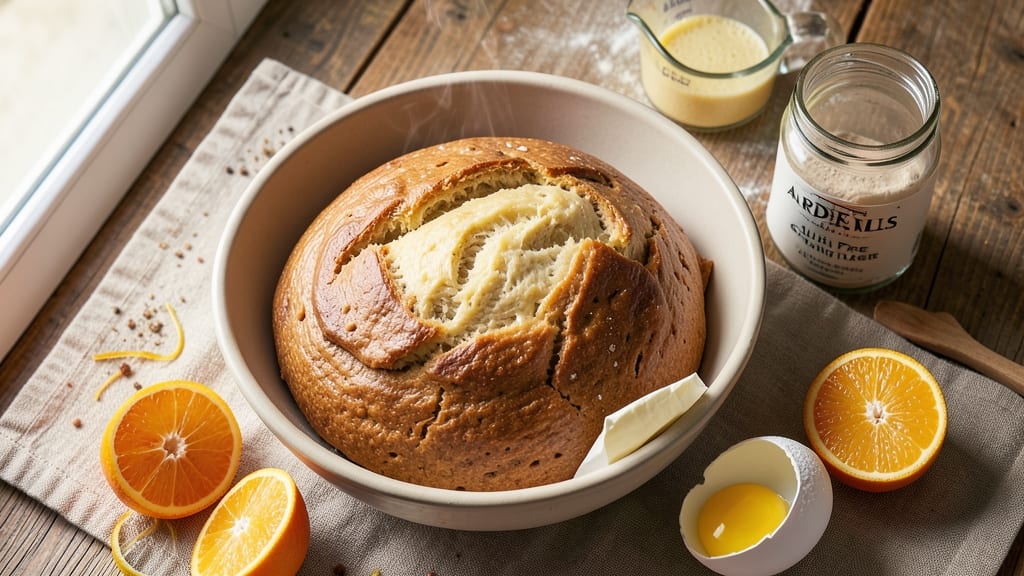
This Ardent Mills gluten-free flour bread recipe delivers the satisfying crunch and hearty texture you crave—without the long proofing times or dense crumb that often come with gluten-free baking.
The secret lies in the blend's unique properties, which we'll harness through precise hydration and a gentle mixing method that develops structure without overworking the dough.
What sets this recipe apart is the crusty rise achieved through a combination of steam and careful oven spring, creating that coveted golden-brown crust while maintaining a tender interior.
Unlike many gluten-free breads that rely on gums or starches for binding, this version uses the Ardent Mills blend's natural properties to create a loaf that's sturdy enough for sandwiches yet light enough to enjoy on its own.
The process is designed for foolproof results—no specialized equipment required, just attention to detail in measuring and timing. We'll guide you through each step, from mixing to baking, ensuring your first attempt yields a loaf that rivals traditional bread.
The aroma alone as it pulls from the oven will make your kitchen feel like a bakery.
Perfect for gluten-sensitive diets but satisfying for everyone, this bread freezes beautifully for future sandwiches or toast. Let's get started—your first perfect gluten-free loaf is just a few steps away.
Ingredients for ardent mills gluten free flour bread
Four cups of Ardent Mills flour plus a few clever tricks transform gluten-free baking into restaurant-quality bread.
| Ingredient | Amount | Notes |
|---|---|---|
| Ardent Mills Gluten Free 1-to-1 Baking Flour 🌾 | 4 cups | Plus 2 tbsp for dusting pan |
| Instant Yeast 🍞 | 2 tsp | Active dry works too |
| Granulated Sugar 🍚 | 1 tbsp | For yeast activation |
| Warm Water 💧 | 1 ¼ cups | 110°F ideal for yeast |
| Large Eggs 🥚 | 2 whole | Room temperature preferred |
| Unsalted Butter 🧈 | ½ cup | Cold, cubed for texture |
| Extra-Virgin Olive Oil 🫒 | ¼ cup | For dough elasticity |
| Honey 🍯 | 1 tbsp | Natural sweetener |
| Apple Cider Vinegar 🍎 | 1 tbsp | For crust development |
| Diamond Crystal Kosher Salt 🧂 | 1 ½ tsp | Adjust to taste |
| Xanthan Gum 🧪 | ¼ tsp | Ensures proper binding |
| Ice Water ❄️ | ½ cup | For final dough adjustment |
The Ardent Mills blend is your secret weapon here—buy it pre-mixed from specialty stores like Whole Foods or King Arthur Flour for consistent results. The xanthan gum is non-negotiable; Bob's Red Mill sells it in small quantities if you need just a pinch. For the butter, Plugrá brand melts beautifully without compromising texture. The honey should be raw and liquid—Manuka is ideal but any good-quality honey works. Pro tip: Measure your flour by weight if you have a kitchen scale—4 cups equals roughly 16 oz—for foolproof consistency.
No xanthan gum? Psyllium husk powder at half the amount works in a pinch, but texture will differ slightly. Substituting honey? Maple syrup at equal measure keeps things vegan-friendly. Olive oil shortages? Avocado oil has a similar neutral profile. The apple cider vinegar can be swapped for white vinegar, but Bragg's adds subtle sweetness. For yeast activation, if your water isn't exactly 110°F, just wait 5 minutes after mixing—it'll warm up naturally. And that ice water? Don't skip it—it prevents overproofing and gives you that perfect oven spring.
This dough is delicate—handle it gently. Store any leftovers wrapped in a damp towel for up to 3 days at room temperature, or freeze for 3 months by wrapping tightly in plastic. The bread reheats beautifully: 5 minutes at 350°F wrapped in foil restores that fresh-baked aroma. For sandwiches, slice while still warm—the crumb holds together better. And if you're making multiple loaves? Double the recipe—the dough keeps well for 24 hours in the fridge before baking.
Why You'll Love This Recipe
- No-Fuss Mixing: I swear by this—just dump the Ardent flour, yeast, sugar, and eggs into a bowl, stir until it’s barely combined, then let it rise. No kneading, no fuss, no stress. Honestly, if I can do it while scrolling through my phone, anyone can.
- Tastes Like Real Bread: The yeast and warm water wake up the flour’s natural flavor, and the eggs add that rich, tender bite. It’s not dense or crumbly—it’s got that satisfying chew you’d expect from a loaf, just without the gluten drama. (Yes, even on a Tuesday night.)
- Leftovers That Last: This bread keeps for days in the fridge, then toasts up like it’s fresh. I make a batch on Sunday, slice it for sandwiches all week, and still have pieces for toast. Zero waste, all flavor—my budget-friendly secret weapon.
- Weeknight Crowd-Pleaser: Whether it’s toast for breakfast, sandwiches for lunch, or garlic butter slathered on dinner rolls, this bread handles it all. Between us, my gluten-sensitive cousin asked for the recipe after one bite. That’s the kind of approval that matters.
Step-by-step instructions for gluten-free bread with Ardent Mills flour
Here's how to create a light, airy loaf that rises beautifully without the gluten.
Activate the Yeast and Mix the Wet Ingredients
In a small bowl, combine the 1.25 cups warm water (about 110°F), 1 tbsp granulated sugar, and 2 tsp instant yeast. Let this sit for 5-10 minutes until it becomes frothy—this confirms the yeast is alive and ready to work. If it doesn't bubble, your bread won't rise properly.
In a separate large bowl, whisk together the 2 whole large eggs, 0.5 cup cold unsalted butter (cubed, not melted), 0.25 cup extra-virgin olive oil, 1 tbsp honey, 1 tbsp apple cider vinegar, and 1.5 tsp Diamond Crystal kosher salt. The butter should remain cold to create pockets of air in the final dough. Mix until fully combined but don't overwork the eggs.
Combine Dry Ingredients and Form the Dough
In the same large bowl, add the 4 cups Ardent Mills gluten-free 1-to-1 baking flour and 0.25 tsp xanthan gum. The xanthan gum is crucial—it mimics gluten's binding properties. Gradually pour in the yeast mixture and wet ingredients while stirring with a wooden spoon or dough whisk.
Mix until a shaggy dough forms, scraping down the sides of the bowl as needed. The dough will be sticky, but that's normal with gluten-free baking. Let it rest for 5 minutes—this allows the flour to fully hydrate and the xanthan gum to activate. If the dough feels too wet after resting, add 1-2 tablespoons of the gluten-free flour to firm it up.
Knead and Shape the Dough
Lightly dust a clean surface with 2 tbsp of the gluten-free flour (the extra amount from the ingredients list). Turn out the dough and gently knead for 3-4 minutes using the "fold and turn" method: fold one side over, rotate 90 degrees, and repeat. This develops just enough structure without overworking the delicate gluten-free dough.
Shape the dough into a round loaf, tucking the edges underneath. Place it in a lightly greased 9x5-inch loaf pan, seam-side up. Cover loosely with plastic wrap and let it rise in a warm place for 1-1.5 hours, or until it has nearly doubled in size. The dough should spring back slowly when gently pressed—a good sign it's ready.
Proof and Bake for a Crusty Top
Preheat your oven to 375°F. While the oven heats, brush the risen dough with a little ice water (the 0.5 cup reserved for this step) to create a shiny, crispy crust. Sprinkle the top with a pinch of kosher salt for extra flavor and browning.
Bake for 45-50 minutes, until the top is deep golden brown and the internal temperature reaches 190-195°F when measured with an instant-read thermometer. If the top browns too quickly, tent the loaf with aluminum foil after 20 minutes to prevent over-browning while the center cooks through.
Cool and Enjoy Your Gluten-Free Masterpiece
Remove the bread from the pan and place it on a wire rack to cool completely. I know it's tempting to slice into it warm, but letting it cool prevents a gummy texture. The bread should be light, airy, and slightly crisp on the outside with a soft, tender crumb inside.
Slice when fully cooled and serve with butter or your favorite jam. This bread holds up well for 3-4 days at room temperature or can be frozen for up to 3 months. The secret to its success lies in the xanthan gum and proper proofing—don't rush these steps, and you'll get a loaf that rivals traditional wheat bread.
Pro Tips For Making Ardent Mills Gluten Free Flour Bread
- Measure Flour Right: Use the spoon-and-level method—don’t scoop directly from the bag. Ardent’s GF flour is lighter than wheat flour, and packing it down changes the texture. I learned this the hard way when my first loaf turned dense and gummy.
- Bloom Yeast First: Mix the instant yeast with warm water and sugar before adding eggs or flour—let it sit for 5 minutes until foamy. This ensures it’s active and cuts down on kneading time. (Yes, even if you’re impatient like me.)
- Skip the Overmixing: Stir just until combined—GF dough doesn’t need heavy mixing. Overworking it makes the crumb tough and rubbery. Think "fold in gently" instead of "knead aggressively."
- Steam the Oven: Spray the loaf pan with oil and place a shallow tray of boiling water on the lower rack. The steam keeps the crust from drying out too fast, which is especially important for GF bread. (Your future self will thank you.)
Best sauces and condiments for ardent mills gluten free flour bread
Classic Butter Spread
Nothing elevates this gluten-free loaf like a generous spread of softened European-style butter—I love Plugrá for its rich, creamy texture. Melt 2 tablespoons with 1 teaspoon honey and a pinch of flaky sea salt for a sweet-savory twist.
The honey softens the bread's crust while the salt enhances its natural flavor. For extra richness, add a tiny splash of vanilla extract—just ¼ teaspoon makes a noticeable difference. 🧈
Herbed Olive Oil
Drizzle warm loaves with a blend of extra-virgin olive oil infused with fresh herbs. Combine 2 tablespoons olive oil with 1 teaspoon finely chopped rosemary, 1 teaspoon thyme, and a pinch of red pepper flakes.
Heat gently for 1 minute to release the oils, then brush onto toasted slices. The herbs complement the bread's subtle sweetness while adding a fragrant depth. Use within 3 days for best flavor. 🌿
Spicy Honey Glaze
For a sweet-and-spicy kick, mix 2 tablespoons honey with ½ teaspoon cayenne pepper and 1 teaspoon apple cider vinegar. Warm the mixture until the honey liquefies, then drizzle over sliced bread.
The cayenne adds a subtle heat that pairs perfectly with the bread's crusty exterior. Store extra glaze in an airtight container for up to 2 weeks. 🌶️
Cream Cheese and Smoked Salmon
Layer 2 ounces cream cheese (softened) with 3 ounces smoked salmon, sliced cucumber, and fresh dill on toasted bread. The cream cheese adds a tangy richness that balances the salmon's smokiness.
For extra flair, sprinkle with everything bagel seasoning—just ½ teaspoon enhances the flavor without overpowering. This combo is perfect for brunch or light lunches. 🍽️
Garlic Aioli
Blend ¼ cup mayonnaise, 1 roasted garlic clove, 1 teaspoon lemon juice, and ½ teaspoon Dijon mustard until smooth. Spread on warm slices and top with thinly sliced avocado or grilled chicken.
The garlic aioli cuts through the bread's richness while adding a bright, herby note. Store in the fridge for up to 5 days. 🧄
Sweet Jam Variations
Pair with unsweetened fruit preserves like raspberry or apricot to highlight the bread's natural sweetness. For a gourmet touch, try fig jam with a hint of balsamic glaze drizzled on top.
Avoid overly sweet jams—they can make the bread taste flat. A 1-teaspoon portion per slice is ideal for balance. 🍓
Nutrition facts
Frequently asked questions
Why does my Ardent Mills gluten-free bread turn out dense?
Gluten-free dough lacks the elastic gluten proteins that create air pockets, so overmixing or skipping the 5-minute rest after combining ingredients can lead to density. Also ensure your yeast is active (it should foam in 5-10 minutes with warm water and sugar) and that you're using the full 0.25 tsp xanthan gum—this mimics gluten's binding properties. The dough should be sticky but not soupy.
Can I substitute regular flour for Ardent Mills in this recipe?
Absolutely not! The Ardent Mills blend contains xanthan gum and other stabilizers that create proper structure in gluten-free baking. Regular flour lacks these binders and will result in a crumbly, flat loaf. If you're out of Ardent Mills, King Arthur Gluten-Free Measure for Measure works as a direct substitute.
How do I know when the gluten-free dough has risen enough?
Unlike wheat dough, gluten-free bread won't spring back quickly when pressed. Instead, look for nearly doubled size (about 1-1.5 hours at room temperature) and a slight puffiness at the top. Gently press the dough with one finger—it should leave a very slow, shallow imprint. If it collapses immediately, it needs more time.
Why does my gluten-free bread have a gummy texture?
This usually happens when you slice the bread too soon—always let it cool completely on a wire rack for at least 1 hour. The gums in the flour absorb moisture while warm, creating that sticky texture. Also, ensure you baked it to 190-195°F internally—underbaking can leave it gummy. For extra crispiness, brush the cooled loaf with melted butter.
Can I make this bread without xanthan gum?
Yes, but the texture will differ. Replace the 0.25 tsp xanthan gum with 0.5 tsp psyllium husk powder (mixed with 1 tbsp water to form a gel). This adds binding properties but may make the crumb slightly denser. For best results, use a gluten-free flour blend that already includes gums, like Bob's Red Mill 1-to-1.