
Side Dishes
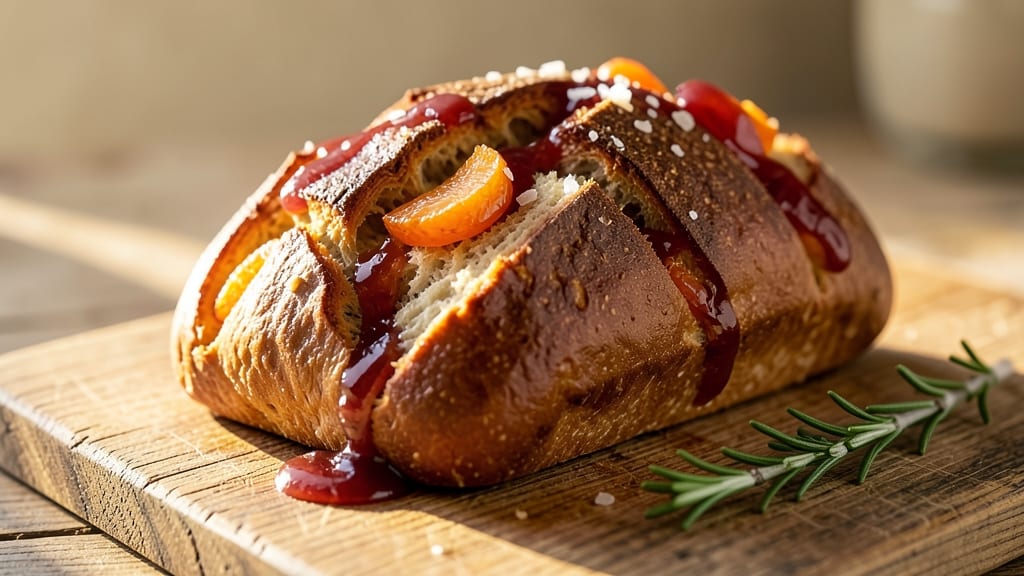
This apricot yeast bread recipe transforms ordinary bread into a sweet, fruity masterpiece with a buttery crust that begs to be slathered with jam. 💛 The secret lies in balancing tender dough with bursts of apricot flavor—whether you use fresh fruit, dried slices, or jam—creating a loaf that’s both comforting and special.
I’ve perfected the kneading and proofing times to ensure a light, airy crumb with just the right amount of sweetness.
What makes this recipe stand out is the versatility—shape it into a classic braid, a free-form round, or a simple loaf, depending on your preference. The dough comes together with basic pantry staples, but the apricot swirls elevate it to something extraordinary.
High heat in the oven (350°F) creates that golden, crackly crust while keeping the inside soft and pillowy.
By the time it emerges from the oven, you’ll have a loaf that smells like a bakery and tastes even better. The apricot filling stays moist and flavorful, while the crust offers just enough resistance to make each bite satisfying.
This bread is perfect for breakfast with butter, paired with tea, or even as a dessert when sliced and warmed.
Ready in about 3 hours (including proofing), this recipe is ideal for weekend baking or meal prep. The dough is forgiving, and the apricot swirls add a touch of elegance without requiring advanced skills. Let’s get started on this sweet, buttery masterpiece!
Ingredients for apricot yeast bread
Basic pantry staples meet apricot magic for a bread that smells like summer.
| Ingredient | Amount | Notes |
|---|---|---|
| All-Purpose Flour 🌾 | 4 cups | Sifted for light texture |
| Active Dry Yeast 🍞 | ¼ oz | Or 2.5 tsp (1 packet) |
| Granulated Sugar 🍚 | ¼ cup | For yeast activation |
| Unsalted Butter 🧈 | ½ cup | Cold, cubed for dough |
| Large Eggs 🥚 | 1 whole | Room temperature |
| Whole Milk 🥛 | ½ cup | Warm for yeast activation |
| Salt 🧂 | ½ tsp | Kosher or sea salt |
| Apricot Jam 🍑 | ½ cup | Or fresh apricot purée |
| Dried Apricot Slices 🍑 | ¼ cup | Chopped for texture |
| Vanilla Extract 🌸 | 1 tsp | Pure vanilla preferred |
| Cornmeal 🌽 | ¼ cup | For dusting work surface |
| Egg Wash 🥚 | 1 whole | Beaten egg + 1 tsp milk |
| Coarse Sugar 🍚 | ⅛ cup | For topping crust |
The flour is the foundation—King Arthur or Gold Medal brands give the best rise. Yeast is non-negotiable: grab Fresh & Easy brand if your store carries it, or use active dry. For the apricot filling, Mott's apricot jam is my go-to (it's seedless and sweet), but fresh apricots work too—just chop them finely. The butter must be cold for perfect layers; take it out of the fridge 15 minutes before using. If you're using dried apricots, soak them in warm water for 10 minutes to soften before chopping.
No apricot jam? Peach or plum jam works in a pinch, though the flavor will shift slightly. Fresh apricots can be substituted at a 1:1 ratio with jam, but they'll make the dough wetter—adjust flour as needed. Short on vanilla? Almond extract at half the amount gives a nice depth. For a richer dough, replace the milk with heavy cream. The egg wash can be made ahead and stored in the fridge for up to 2 days. If you're making this ahead, shape the dough into a loaf, refrigerate overnight, then bake the next day for even better flavor development.
Once baked, let the bread cool on a wire rack for at least 1 hour—this prevents a gummy crust. Store wrapped in a clean kitchen towel at room temperature for 2 days, or freeze slices for up to 3 months. The filling stays moist for days, but the crust is best eaten fresh. For extra shine, brush warm bread with melted butter right out of the oven. This bread reheats beautifully—wrap a slice in foil and warm in a 300°F oven for 5 minutes.
Why You'll Love This Recipe
- Foolproof First Try: I’ve made this bread three times—each attempt better than the last. The yeast activates in warm milk (not water!) for a rise that’s reliable, even if I forget to check the oven temp. That little trick turns a nervous first bake into a confident loaf.
- Sweet Butter Magic: The butter and sugar in the dough create a tender crumb, while the dried apricots add natural sweetness without cloying. Honestly, the first bite is like biting into a warm hug—especially when you toast it the next morning.
- Breakfast or Snack: This bread is my weekend standby: thick slices with jam for breakfast, toasted with peanut butter for lunch, or even cubed in oatmeal. It’s the kind of loaf that makes you question why you ever bought store-bought.
- Budget-Friendly Staple: Flour, yeast, and butter are pantry basics, and apricots stretch further than you’d think. I’ve fed a crowd of six with one batch, and the leftovers? They last five days—no sad, dried-out slices here.
Step-by-step instructions for apricot yeast bread
Here's how to create a tender, swirled apricot bread with a golden crust.
👨🍳 Step 1: Activate the Yeast for Perfect Rise
In a small bowl, combine the 0.5 cup warm whole milk (about 110°F) with the 0.25 cup granulated sugar. Sprinkle the 0.25 oz active dry yeast on top and let sit for 5-10 minutes until foamy. You'll see bubbles forming and the mixture expanding—this confirms your yeast is alive and ready to work.
If the mixture doesn't bubble after 10 minutes, your yeast may be dead. Start fresh with a new packet. Once active, stir in 1 tsp vanilla extract and set aside. This step ensures your bread rises properly and develops that light, airy texture we're after.
👨🍳 Step 2: Mix the Dough and Incorporate Apricot Filling
In a large bowl, whisk together the 4 cups sifted all-purpose flour, 0.5 tsp salt, and the yeast mixture. Add the 0.5 cup cold cubed unsalted butter and mix until crumbly. Gradually add the 1 whole large egg and knead until the dough comes together.
On a lightly floured surface, knead the dough for 8-10 minutes until smooth and elastic. It should spring back when poked. While kneading, roll out 0.5 cup apricot jam and 0.25 cup chopped dried apricot slices into a thin rectangle. Wrap this filling in plastic wrap and chill for 15 minutes—this prevents the jam from melting into the dough too soon.
🥘 Step 3: Shape the Dough and Create the Swirl
Roll the chilled dough into a 12x16-inch rectangle on a cornmeal-dusted surface. Unwrap the apricot filling and place it along the long side of the dough. Roll the dough tightly around the filling to create a log, sealing the edges well. This creates those beautiful fruit swirls throughout each slice.
Place the sealed dough seam-side down in a greased 9x5-inch loaf pan. Cover with a clean kitchen towel and let rise in a warm place for 1-1.5 hours until doubled in size. The dough should puff up noticeably and feel springy when pressed gently with a finger.
🔥 Step 4: Bake to Golden Perfection
Preheat your oven to 375°F. Brush the risen dough with the egg wash (beaten egg + 1 tsp milk) and sprinkle evenly with 0.125 cup coarse sugar for that beautiful caramelized crust. Bake for 35-40 minutes until the bread is deep golden brown and sounds hollow when tapped on the bottom.
For the perfect doneness, check the internal temperature with an instant-read thermometer—it should reach 190-200°F. If the top browns too quickly, tent with foil for the last 10 minutes of baking. The bread will continue steaming and developing flavor as it cools.
⏰ Step 5: Cool and Slice for Maximum Freshness
Remove the bread from the pan and let it cool on a wire rack for at least 30 minutes before slicing. This resting period allows the internal structure to set properly, preventing a gummy crumb. The aroma as it cools will make your kitchen smell like a bakery.
Slice the bread into 1-inch thick pieces to reveal those beautiful apricot swirls throughout. Serve warm with butter or jam for the ultimate treat. The crust should be crisp and caramelized, while the interior remains soft and tender with pockets of sweet apricot filling.
Pro Tips For Making Apricot Yeast Bread
- Bloom Yeast in Warm Milk: Skip the warm water—mix the yeast with a splash of warm milk (about 110°F) instead. The fat in milk helps activate the yeast faster, and the bread rises more evenly. (Yes, even if your recipe says water, trust me on this.)
- Soften Butter Properly: Don’t microwave the butter—let it sit at room temp for 30-45 minutes until it’s soft but still holds shape. Over-softened butter makes the dough sticky and hard to handle, while cold butter won’t incorporate smoothly. (I learned this after three lumpy dough disasters.)
- Don’t Overmix the Dough: Once the flour hits the wet ingredients, stop mixing as soon as it comes together. Overworking the dough develops too much gluten, making the bread dense instead of tender. A few lumps are fine—just fold them in.
- Proof Until Puffy, Not Doubled: The dough is ready when it’s noticeably puffier and jiggly at the top, not when it’s fully doubled. Overproofing turns the bread gummy, and apricot breads—with their natural sugars—ferment faster. Check it 10 minutes early.
Make-ahead tips for this apricot yeast bread
Dough Prep Ahead
Mix the dough up to 24 hours in advance and refrigerate it in an airtight container. The cold slows fermentation, giving you more control over the rise time later.
When ready to bake, let the dough sit at room temperature for 1-2 hours until it's slightly puffy but still cool to the touch. This method works especially well if you're making the bread in the evening for breakfast the next morning. 💫
Filling Prep Shortcut
Prepare the apricot filling separately and store it in a small airtight container in the fridge for up to 3 days. The jam and dried apricots will keep their texture better when stored this way.
When you're ready to shape the dough, simply roll out the chilled filling and proceed with the recipe. This saves time and keeps your workspace cleaner during the main dough process.
Proofing Timeline
For a more manageable schedule, divide the proofing into two stages. First, let the dough rise at room temperature for 1 hour, then refrigerate it for 8-12 hours.
When you're ready to bake, transfer the cold dough to a warm place and let it rise for another 1-1.5 hours until doubled. This cold proofing develops deeper flavors and makes the dough easier to handle when shaping.
Baked Bread Storage
Once baked, let the bread cool completely before storing. Wrap it tightly in plastic wrap and place it in an airtight container or resealable bag. It will stay fresh at room temperature for 3 days or in the freezer for up to 3 months.
For best results, thaw frozen slices at room temperature before serving. The crust stays crisp while the interior remains soft and moist.
Freezing Dough Log
Shape the dough log and place it in a greased loaf pan, then freeze it completely (about 2 hours). Wrap the frozen loaf tightly in plastic wrap and foil. When ready to bake, thaw the dough in the fridge overnight, then proceed with the baking instructions.
This is perfect for busy mornings—just pop it in the oven after work and wake up to fresh bread. ✨
Make-Ahead Jam Filling
Make a double batch of the apricot filling and store it in small portions. Use one portion fresh and freeze the rest in ice cube trays for easy single-serving use later. Thaw a portion overnight in the fridge before using.
This is especially helpful if you're making multiple loaves or want to experiment with different fillings like peach or plum jam in future batches.
Nutrition facts
Frequently asked questions
Can I substitute dried apricots with fresh ones?
Yes, but you'll need to adjust the recipe slightly. Use 1 cup fresh apricots (peeled and finely chopped) instead of the 0.25 cup dried apricots and 0.5 cup jam. Fresh fruit adds moisture, so reduce the milk by 2 tablespoons to balance the dough. The flavor will be brighter and more natural, though slightly less concentrated than dried fruit.
Why did my bread turn out dense instead of light?
Dense bread usually means the yeast didn't activate properly or the dough wasn't kneaded enough. First, check your yeast—it should foam within 5-10 minutes in warm milk. If not, use fresh yeast. Also, knead for the full 8-10 minutes until the dough springs back when poked. Overworking it can also cause density, so stop when it's smooth and elastic.
How do I make this bread without a loaf pan?
No problem! Shape the dough into a free-form round or braid instead. Place it on a parchment-lined baking sheet and let it rise until doubled. Bake at 375°F for 25-30 minutes, brushing with egg wash halfway through. For extra browning, sprinkle 0.125 cup coarse sugar on top. The texture will be slightly different but still delicious!
Can I add nuts to this recipe?
Chopped 0.5 cup walnuts or pecans work beautifully. Fold them into the dough after kneading or sprinkle them on top before baking. For extra flavor, toast the nuts first. If using, reduce the dried apricots by 2 tablespoons to balance the moisture. The nuts add crunch and richness to each bite.
Is this bread gluten-free?
No, this recipe uses all-purpose flour and isn't gluten-free. For a GF version, substitute with a 1:1 gluten-free flour blend (like Bob's Red Mill) and add 0.5 tsp xanthan gum. Keep in mind the texture will be slightly denser, and you may need to adjust the liquid slightly. The apricot flavor still shines through!