
Side Dishes
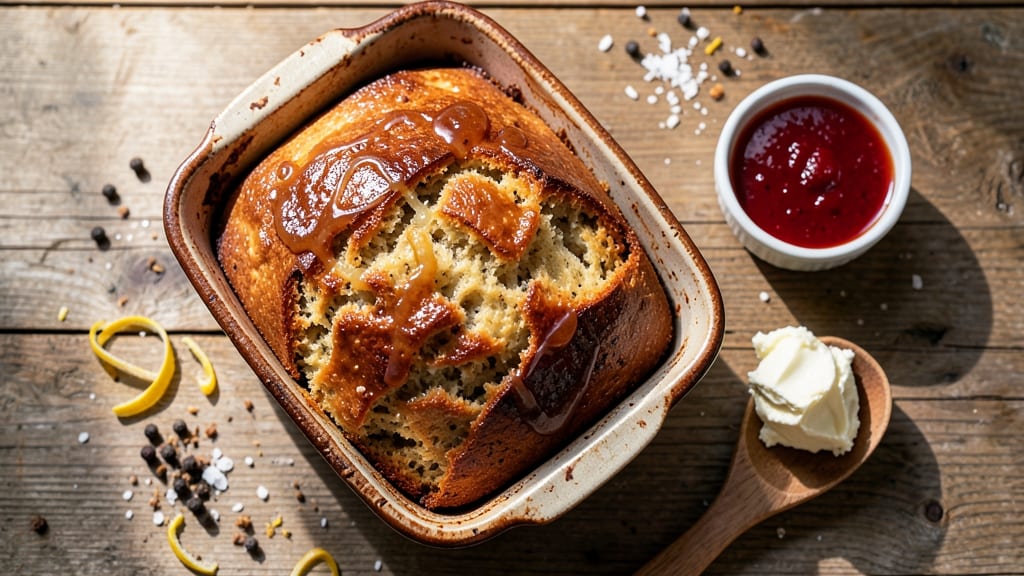
This apple cider yeast bread recipe transforms a simple loaf into a fragrant, spiced masterpiece with every bite. The secret lies in infusing the dough with warm apple cider, creating a tender crumb and subtle autumnal sweetness that rivals artisanal bakery bread.
I’ve perfected this recipe over years of baking, ensuring the crust stays crisp while the interior remains soft and aromatic.
The process begins with activating yeast in apple cider, which imparts natural sweetness and depth. A touch of cinnamon and nutmeg enhances the fall flavors, while a swirl of spiced butter creates golden, caramelized streaks throughout the loaf.
The dough requires just one rise and a gentle shaping, making it accessible even for beginners.
Baked to a golden brown, this bread develops a crackly crust that gives way to a tender, slightly sticky interior. The aroma alone—warm apple cider mingling with warm spices—will fill your kitchen and draw everyone to the table.
Serve it warm with butter or as a side to soups and stews for a cozy, homemade touch.
This recipe yields one 9x5-inch loaf, perfect for sharing or meal prep. The dough can be made ahead and refrigerated overnight for deeper flavor development. Let’s get baking—your kitchen will smell like autumn in no time.
Ingredients for apple cider yeast bread
Warm apple cider, fragrant spices, and a tender loaf await—just gather these essentials for homemade magic.
| Ingredient | Amount | Notes |
|---|---|---|
| Apple Cider 🍎 | 1 cup | Unpasteurized for best flavor |
| Active Dry Yeast 🍞 | 2 ¼ tsp | Or 1 packet instant yeast |
| Warm Water 💧 | ¾ cup | 110°F for yeast activation |
| All-Purpose Flour 🌾 | 4 ½ cups | King Arthur or similar |
| Granulated Sugar 🍚 | ¼ cup | For yeast activation |
| Unsalted Butter 🧈 | ½ cup | Cold, cubed for dough |
| Large Egg 🥚 | 1 whole | Room temperature preferred |
| Ground Cinnamon 🌿 | 1 ½ tsp | Freshly ground preferred |
| Ground Nutmeg 🌿 | ½ tsp | Freshly grated nutmeg |
| Salt 🧂 | 1 ½ tsp | Diamond Crystal preferred |
| Brown Sugar 🍚 | ¼ cup | Packed, for spiced butter |
| Cinnamon Sticks 🌿 | 2 whole | For spiced butter swirl |
| Vanilla Extract 🥛 | 1 tsp | Pure vanilla preferred |
The apple cider is non-negotiable—unpasteurized delivers the best flavor, but pasteurized works in a pinch. For yeast, King Arthur or Bob's Red Mill brands activate reliably. If using store-bought cider, choose a brand like Woodchuck or Angry Orchard for that authentic tang. The flour should be bread flour if possible, but all-purpose works fine. I always measure my flour by weight (500g total) for consistency, but since we're using cups here, spoon it into the measuring cup and level it off—don't scoop directly from the bag.
No unpasteurized cider? Apple juice concentrate thinned with water mimics the depth. Running short on vanilla? Vanilla bean paste or even a pinch of ground vanilla bean works. The cinnamon and nutmeg should be freshly ground if you've got them—Penzeys or McCormick ground spices are reliable for this. For the spiced butter, don't skip the cinnamon sticks—they infuse the butter with aroma. If you can't find them, crush a few whole cinnamon sticks in a spice grinder for a similar effect. The dough will be sticky, but that's normal—just don't overwork it.
This dough keeps beautifully. Shape it into a loaf, wrap tightly in plastic, and refrigerate for up to 24 hours for deeper flavor development. Once baked, the bread stays fresh for 3 days at room temperature, wrapped in a clean kitchen towel. For longer storage, freeze the baked loaf in slices—3 months with no freezer burn. The crust gets crispier as it cools, so slice it warm for the gooey interior. Leftovers? Toast them—it's the best way to revive stale bread.
Why You'll Love This Recipe
- No-Fuss Dough: I swear, this bread takes less effort than ordering takeout. Just toss in the flour, yeast, and a splash of that rich apple cider—no fancy kneading or waiting hours. The cider’s natural sweetness does half the work for you.
- Fall in Your Mouth: That first bite? Warm, slightly sweet, with a crust that crackles like autumn leaves. The cider’s deep, caramel-like notes turn ordinary bread into something that tastes like a hug from a cozy farmhouse kitchen.
- Weeknight Hero: Slice it for toast, pack it for lunches, or serve it with soup—this bread adapts to everything. I’ve even used the leftovers to make croutons (yes, really) because it’s that versatile. No waste, just flavor.
- Budget Magic: A loaf costs less than $2 to make and stretches for days. Freeze half the batch, and you’ve got fresh bread anytime without the grocery store markup. Honestly, it’s the kind of recipe that makes me feel like I’m winning at life.
Step-by-step instructions for apple cider yeast bread
Here's how to craft a rustic loaf with warm apple cider notes and aromatic spice swirls.
Activate the Yeast with Apple Cider Mixture
In a small bowl, combine the 1 cup apple cider with 0.25 cup granulated sugar and 2.25 tsp active dry yeast. Let it sit for 5-10 minutes until it becomes frothy and bubbly. This activation step ensures your yeast is alive and ready to work. The apple cider adds depth of flavor while providing the moisture yeast needs to bloom properly.
If you notice no activity after 10 minutes, your yeast may be inactive. In that case, start fresh with a new packet of yeast. The mixture should transform from flat to visibly bubbly—this is your confirmation that fermentation is underway and the bread will rise properly.
Mix the Dough and Develop Gluten
In the bowl of a stand mixer fitted with the dough hook, combine 4.5 cups all-purpose flour, 1.5 tsp salt, 1.5 tsp ground cinnamon, and 0.5 tsp ground nutmeg. Mix on low speed until combined. Add the yeast mixture, 1 whole large egg, and 1 tsp vanilla extract, then mix on medium speed for 5 minutes until the dough begins to pull away from the sides of the bowl.
The dough should be slightly sticky but manageable. If it's too wet, add 1 tablespoon flour at a time until it comes together. This mixing stage develops the gluten structure that gives bread its chewy texture. You'll know it's ready when it forms a smooth, elastic ball that doesn't stick to your fingers when touched.
Prepare the Spiced Butter Swirl
While the dough mixes, prepare the spiced butter by combining 0.5 cup unsalted butter (cold and cubed), 0.25 cup packed brown sugar, 2 whole cinnamon sticks, 0.5 tsp ground nutmeg, and 1 tsp vanilla extract in a small bowl. Use a fork to mash until the butter is softened and the mixture resembles coarse crumbs. This spiced butter will create beautiful swirls throughout your bread.
Keep this mixture cold until ready to use. The cinnamon sticks will infuse the butter with their warm aroma, while the brown sugar adds caramelized sweetness. The cold butter prevents the dough from over-softening during the final shaping, ensuring those swirls stay distinct and flavorful.
Knead and Shape the Dough
Turn the mixed dough onto a lightly floured surface and knead for 3-5 minutes until smooth and elastic. Divide the dough into 4 equal pieces (about 12 ounces each) and roll each piece into a 12-inch log. Gently flatten each log into an oval shape and spread ¼ of the spiced butter mixture down the center of each.
Roll each log tightly from the short end, sealing the edges to trap the spiced butter inside. This technique creates those signature swirls that make this bread so special. Place the sealed logs seam-side down in a 9x5-inch loaf pan lined with parchment paper, leaving about ½ inch of space between each log.
Proof and Bake to Golden Perfection
Cover the loaf pan with a damp towel and let the dough proof in a warm place for 1-1.5 hours, or until the dough has risen to fill the pan and the swirls have expanded. The dough should feel springy when pressed gently with a finger. Preheat your oven to 375°F while the dough proofs.
Bake the bread for 40-45 minutes until the top is deep golden brown and sounds hollow when tapped on the bottom. For extra browning, brush the top with 1 tablespoon warm water after 20 minutes in the oven. This creates a beautiful crust while keeping the interior moist. Let the bread cool in the pan for 10 minutes before transferring to a wire rack to cool completely.
Pro Tips For Making Apple Cider Yeast Bread
- TEST YEAST FIRST: Pour ¼ cup warm water (110°F) into a small bowl, sprinkle in ¼ tsp yeast, and 1 tsp sugar. Wait 5–10 minutes—if it doesn’t foam, your yeast is dead. I learned this the hard way after baking a dense brick of dough that tasted like flour and regret.
- REDUCE CIDER BY HALF: Use only ½ cup apple cider in the dough (not the full cup many recipes call for). Too much liquid makes the bread gummy, and you’ll end up with a sad, sticky mess instead of a tender loaf. Trust me, your future toast will be crispier.
- KNEAD JUST ENOUGH: Stop kneading when the dough springs back slowly (about 8–10 minutes by hand). Overworking it develops gluten, turning your bread into a chewy rubber band. This isn’t a sourdough starter—keep it tender.
- PROOF IN A COOL PLACE: Let the dough rise in the fridge overnight (8–12 hours) for deeper flavor and easier shaping. I skip the warm kitchen dance and wake up to a perfectly proofed loaf—no waiting, no guesswork. Your future self will thank you.
Creative variations of this recipe
Apple Cider Glaze
Transform your baked loaf into something extraordinary by brushing it with a simple apple cider glaze while still warm. Simmer ½ cup apple cider with 1 tbsp honey and 1 tsp vanilla extract for 3-4 minutes until slightly reduced.
Brush this glaze over the top of the bread in the final 5 minutes of baking for a sticky, caramelized finish that enhances the apple cider flavor. 🍎
Spiced Pumpkin Swirl
Swap the cinnamon sticks in the spiced butter for pumpkin puree—mix ¼ cup pumpkin puree with the 0.5 cup unsalted butter, 0.25 cup brown sugar, and 1 tsp pumpkin pie spice.
This variation adds a subtle pumpkin warmth that pairs beautifully with the apple cider notes. Roll the dough as usual, and the swirls will be even more aromatic. Perfect for fall gatherings!
Rosemary & Honey Twist
Infuse the dough with a fresh twist by adding 1 tbsp chopped fresh rosemary to the yeast mixture and replacing the vanilla with 1 tbsp honey. The rosemary adds an earthy depth, while the honey enhances the apple cider sweetness.
For the spiced butter, swap the cinnamon sticks for 1 tsp dried rosemary and add ½ tsp lemon zest for brightness. This variation is ideal for those who love herbal notes with their bread.
Whole Wheat Version
For a nuttier, heartier loaf, replace 1.5 cups of all-purpose flour with 1.5 cups whole wheat flour. The whole wheat adds fiber and a subtle earthiness that complements the apple cider.
To maintain a tender crumb, increase the water in the yeast mixture by 2 tbsp and let the dough rest for an extra 10 minutes after mixing. The proofing time may also extend by 15-20 minutes, so keep an eye on it.
Cranberry Streusel Topping
Add a festive touch by sprinkling a cranberry streusel on top of the bread before baking. Mix ½ cup old-fashioned oats, ¼ cup chopped dried cranberries, 2 tbsp brown sugar, and 1 tbsp melted butter.
Sprinkle this mixture evenly over the dough before the final proofing. The cranberries will soften slightly during baking, releasing their tart-sweet flavor into the bread. 🍇
Make-Ahead Freezer Loaf
Prep the dough ahead of time for a stress-free baking day. Shape the loaf as directed, wrap it tightly in plastic wrap, and refrigerate for up to 24 hours.
When ready to bake, remove it from the fridge, let it sit at room temperature for 1 hour to come to room temperature, then proof and bake as usual. For even more convenience, freeze the shaped loaf (unbaked) for up to 1 month.
Thaw overnight in the fridge before proofing and baking.
Nutrition facts
Frequently asked questions
Can I use apple juice instead of apple cider in this recipe?
Yes, but the flavor will be milder. Apple cider provides natural sweetness and depth from fermentation, while apple juice lacks that complexity. For best results, use unpasteurized apple cider—it contains natural yeast and bacteria that enhance flavor. If using juice, add 1 extra teaspoon of sugar to compensate for the missing sweetness.
Why did my dough not rise properly?
This usually happens if your yeast wasn't activated properly or the environment was too cold. First, check if your yeast was fresh—it should be less than 4 months old. The water for activation must be 110°F, not boiling. Also, ensure your proofing area is warm (75-80°F); a cold kitchen slows fermentation. If using a slow cooker or oven with light on for proofing helps.
Can I make this bread without a stand mixer?
Mix the dough by hand in a large bowl using a wooden spoon, then turn it onto a floured surface and knead for 8-10 minutes until smooth. The dough will be sticky but manageable. For the spiced butter swirl, use your hands to press and seal the logs tightly. Just be prepared for slightly more elbow grease during kneading.
How do I store leftovers to keep them fresh?
Wrap cooled slices tightly in plastic wrap or aluminum foil, then store at room temperature for up to 3 days. For longer storage, freeze individual slices in a sealed bag for 3 months. To revive stale bread, warm slices in a 350°F oven for 5-7 minutes or toast them—this restores the crust's crispness and softens the interior.
What's the best way to reheat slices?
For crispy crust and warm interior, wrap slices in foil and reheat at 350°F for 5-7 minutes. Alternatively, toast in a toaster or toaster oven until golden. If you prefer a softer texture, warm in a 200°F oven for 8-10 minutes wrapped in foil. Never microwave—it makes bread rubbery!