
Desserts
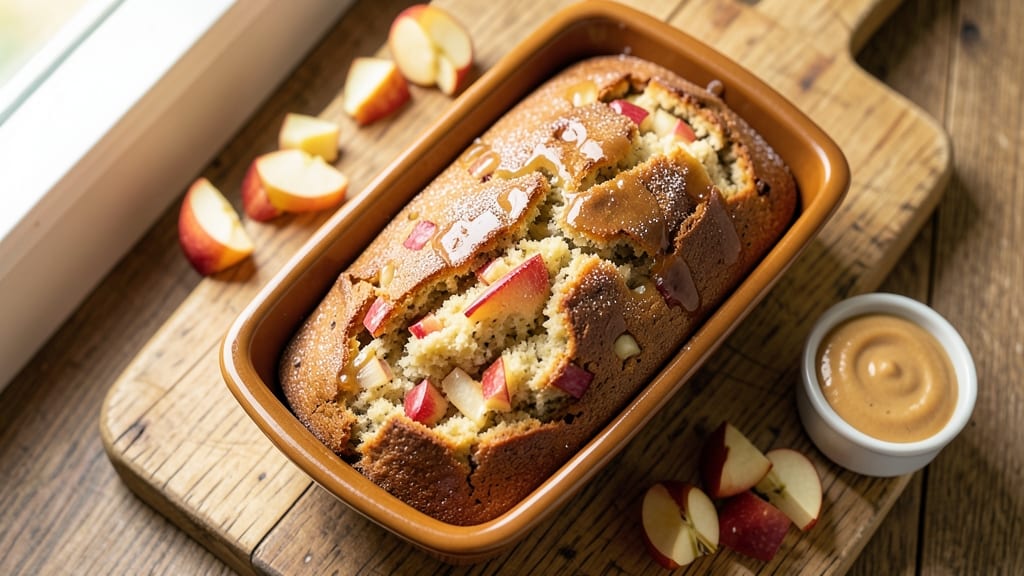
This apple bread recipe no sugar delivers all the cozy, spiced warmth of classic apple bread—without the sugar crash. The secret lies in balancing natural sweetness from applesauce and ripe apples with warm cinnamon and nutmeg, creating a moist, tender crumb and a perfectly crusty top.
After years of perfecting sugar-free baked goods, I’ve developed a method that keeps the texture luscious while avoiding gummy or dense results.
The foundation starts with ripe apples (I recommend Honeycrisp or Fuji) and unsweetened applesauce to replace sugar while maintaining moisture. A touch of monk fruit sweetener or erythritol enhances flavor without spiking blood sugar, and baking powder ensures a light rise.
This isn’t just a sugar-free substitute—it’s a rich, spice-forward loaf that pairs beautifully with butter or a drizzle of almond butter.
What makes this recipe stand out is the crusty top, achieved through steam and precise baking. The bread stays soft for days when wrapped, and the aroma of cinnamon and vanilla fills your kitchen as it bakes.
Whether you’re avoiding sugar for health reasons or simply craving a lighter treat, this loaf delivers restaurant-quality results at home.
Optional add-ins like chopped walnuts or oats add texture, while a sprinkle of cinnamon-sugar (or sugar-free alternative) on top elevates the presentation. Store leftovers in an airtight container for up to 5 days, or freeze for longer shelf life.
Let’s bake this moist, spiced loaf that proves sugar-free can taste indulgent.
Ingredients for apple bread recipe no sugar
These fifteen ingredients create a spiced loaf that's moist, crusty, and sugar-free.
| Ingredient | Amount | Notes |
|---|---|---|
| Unsweetened Applesauce 🍎 | 1 cup | Smooth, no chunks preferred |
| Ripe Apples 🍏 | 2 cups | Honeycrisp or Fuji, finely diced |
| All-Purpose Flour 🌾 | 3 cups | Spooned and leveled measurement |
| Monk Fruit Sweetener 🍯 | ¼ cup | Granular blend (or erythritol) |
| Granulated Erythritol 🍯 | ¼ cup | Alternative to monk fruit |
| Large Eggs 🥚 | 2 whole | Room temperature preferred |
| Unsalted Butter 🧈 | ½ cup | Cold, cubed for easier mixing |
| Milk 🥛 | ½ cup | Whole milk for richness |
| Baking Powder 🍞 | 2 tsp | Double-acting preferred |
| Ground Cinnamon 🌿 | 2 tsp | Freshly ground for best flavor |
| Ground Nutmeg 🌿 | ½ tsp | Freshly grated preferred |
| Vanilla Extract 🌸 | 1 tsp | Pure extract, no imitation |
| Diamond Crystal Kosher Salt 🧂 | ½ tsp | Fine grain preferred |
| Chopped Walnuts 🌰 | ½ cup | Optional for texture |
| Old-Fashioned Oats 🌾 | ½ cup | Optional for crunch |
The apples are non-negotiable—Honeycrisp or Fuji give the best balance of sweetness and texture. Grab them at Whole Foods or any quality grocery store when they're in season (fall is prime time). If you can't find those, Gala or Braeburn work too, but they're less juicy. The unsweetened applesauce is your moisture secret—Mott's or Libby's are reliable brands. For the sweetener, Lakanto Monk Fruit Sweetener or Wholesome Sweeteners Erythritol are my go-tos, but any 1:1 sugar substitute works. The baking powder? Clabber Girl is my favorite—it's reliable and affordable.
No monk fruit? Erythritol or allulose are great swaps—they won't crystallize like sugar substitutes can. Running low on walnuts? Pecans or chopped almonds add a nice crunch too. The oats? Old-fashioned or quick oats both work, but skip steel-cut—they won't soften properly. For the butter, Plugrá or Land O'Lakes are solid choices, but any unsalted brand works. Freshly grated nutmeg makes a difference—if you've got whole nutmeg, grate it yourself. Pre-ground can get stale fast. The vanilla extract should be pure—Nike or McCormick are good mid-range options.
This dough keeps for 2 days in the fridge, covered tightly. For longer storage, freeze the shaped loaf for up to 3 months. The bread reheats beautifully—wrap in foil and warm in a 350°F oven for 10 minutes. I like to make two loaves at once and freeze one for lazy mornings. The crust stays crisp for 24 hours if you slice it right after baking, but it softens beautifully after that. Store in an airtight container with a slice of bread inside to keep it moist longer.
Why You'll Love This Recipe
- No Mixer Needed: I swear by this recipe when I’m too tired to knead—just toss the dough, let it rest, and bake. The unsweetened applesauce keeps it moist without the fuss of butter or eggs, and the ripe apples add natural sweetness while you fold.
- Taste Like Fall Morning: That caramelized apple aroma? It’s pure nostalgia in a loaf. The monk fruit and erythritol blend gives just enough sweetness to balance the warm spice, so it’s rich but never cloying—like a hug from your grandma’s kitchen.
- Breakfast or Snack Hero: Slice it toasted with cinnamon for a quick breakfast, or pack it for lunches—it stays fresh for days. Honestly, I’ve even used the leftover dough to make muffins when I forgot to bake it all. Versatile enough to handle my chaos.
- Budget-Friendly Joy: Ripe apples and flour are pantry staples, and monk fruit sweetener stretches further than sugar. I’ve made three loaves from one batch of dough, and the leftovers? They disappear faster than I can say “second cup of coffee.”
Step-by-step instructions for apple bread no sugar
Here's how to bake a perfectly moist, spice-kissed loaf with zero refined sugar.
Mix Wet Ingredients for Perfect Texture
In a large mixing bowl, combine the 1 cup unsweetened applesauce, 2 cups finely diced ripe apples, 0.5 cup cold cubed unsalted butter, 0.5 cup milk, 1 tsp vanilla extract, 0.25 cup monk fruit sweetener, and 0.25 cup granulated erythritol. The applesauce and butter create that signature moist crumb while the sugar substitutes maintain sweetness without spiking blood sugar.
Use a hand mixer or whisk to blend until the butter is completely melted and the mixture is smooth. The apples should be evenly distributed throughout. This step is crucial for creating that tender, cake-like texture that makes this bread so irresistible. I like to press the mixture through a fine-mesh sieve to remove any apple skins that might make the bread dense.
Combine Dry Ingredients for Lightness
In a separate bowl, sift together the 3 cups all-purpose flour, 2 tsp baking powder, 2 tsp ground cinnamon, 0.5 tsp ground nutmeg, and 0.5 tsp diamond crystal kosher salt. The sifting ensures even distribution of the leavening agents and spices, which prevents dense pockets in your finished loaf.
Gently fold the dry ingredients into the wet mixture using a spatula, mixing just until combined. Overmixing develops gluten, which would make the bread tough instead of tender. You're looking for a thick batter with a few flour streaks remaining—this indicates you've achieved the perfect consistency for a moist crumb.
Fold in Add-Ins for Texture Contrast
Stir in the 0.5 cup chopped walnuts and 0.5 cup old-fashioned oats using a gentle folding motion. These add-ins provide delightful texture contrasts—the walnuts add crunch while the oats create a subtle graininess. If you prefer a more uniform texture, you can pulse the walnuts and oats briefly in a food processor before adding them.
This is where the magic happens in terms of texture. The walnuts will toast beautifully in the oven, while the oats will soften just enough to add a pleasant bite without overpowering the tender crumb. Don't skip this step if you want that perfect balance of textures in every bite.
Prepare the Loaf Pan for Perfect Rise
Preheat your oven to 350°F. Grease a 9x5-inch loaf pan thoroughly with butter or cooking spray, then dust with flour. Tap out any excess flour so it doesn't settle at the bottom of the pan. This preparation ensures your bread will release cleanly and have that coveted golden-brown crust.
Pour the batter into the prepared pan and smooth the top with a spatula. The batter should fill the pan about ¾ full—don't overfill or it will spill over during baking. For an extra crusty top, sprinkle the top with a pinch more cinnamon or a light dusting of erythritol. This step is what gives this bread its signature professional-looking finish.
Bake to Golden Perfection
Bake for 50-60 minutes until a toothpick inserted in the center comes out clean and the top is deep golden brown. The bread is done when it springs back slightly when pressed in the center—this indicates proper doneness without being underbaked.
Here's the thing—your oven might run hot or cold, so start checking at the 50-minute mark. If the top browns too quickly, tent the pan with foil. For the perfect balance of moist crumb and crisp exterior, I recommend baking until the internal temperature reaches 190-195°F. Let the bread cool in the pan for 10 minutes before transferring to a wire rack to cool completely. This resting period allows the moisture to redistribute, ensuring every slice is perfectly moist.
Pro Tips For Making Apple Bread Recipe No Sugar
- Grate Apples Fine: DESCRIPTION: Use the smallest holes on your box grater—think rice-sized pieces, not matchsticks. I learned this the hard way after making bread with chunky apple bits that stayed undercooked in the center. The texture should be uniform, like wet sand, so the sweetness and moisture distribute evenly.
- Mix Dry Ingredients First: DESCRIPTION: Whisk flour, baking powder, and spices together before adding wet ingredients. This prevents lumps in the unsweetened applesauce, which can turn your loaf dense. I used to skip this, and the crumb always felt heavy—now it’s light and airy.
- Don’t Overmix the Batter: DESCRIPTION: Stir just until the flour disappears—maybe 10-12 strokes—then stop. Overworking the dough activates the gluten, and your bread will turn out tough instead of tender. I’ve ruined batches by mixing like I was kneading pizza dough.
- Use Warm Applesauce: DESCRIPTION: Heat the unsweetened applesauce to room temperature (or microwave for 20 seconds) before mixing. Cold applesauce makes the batter sluggish, and the bread rises poorly. Trust me, your loaf will thank you—it’ll be fluffier and less gummy.
Troubleshooting this recipe
Dense or Gummy Texture
If your bread turns out dense or gummy, it’s likely from overmixing or insufficient leavening. I’ve found that gently folding the dry ingredients into the wet mixture—just until combined—prevents gluten development.
Also, ensure your baking powder is fresh (Clabber Girl expires after 6 months). For extra moisture control, reduce the milk by 2 tbsp if your kitchen feels humid.
Another trick? Press the batter through a fine-mesh sieve before baking to remove any apple skins that could weigh down the texture. If the bread still feels heavy after baking, it might need a longer rest in the pan (15 minutes) to let steam escape evenly. 💫
Flat or Underbaked Loaf
A flat or underbaked loaf usually means the oven wasn’t hot enough or the baking powder lost potency. Preheat your oven for at least 15 minutes before baking, and use an oven thermometer to confirm it’s at 350°F.
I swear by the Thermoworks Oven Thermometer—it’s saved my loaves more times than I can count.
For extra rise, place the pan on the middle rack and avoid opening the oven door during the first 30 minutes of baking. If the top browns too quickly, tent with foil.
A toothpick should come out clean with just a few moist crumbs—if it’s wet, bake 5-10 more minutes.
Dry or Crumbly Crust
A dry crust often happens when the batter is too thick or the oven runs hot. To fix this, ensure your butter is cold when mixing (cubed, not melted) and the applesauce is smooth.
If the crust still cracks, try brushing the top with 2 tbsp milk or melted butter after 30 minutes of baking.
For a crispier crust, bake at 375°F for the last 10 minutes of baking time. A sprinkle of erythritol or cinnamon on top before baking also helps create a caramelized crust without adding sugar. 🔥
Apples Sink to Bottom
If your diced apples sink during baking, it’s likely because the batter wasn’t thick enough. Stir in 1 tbsp extra flour if the batter looks too runny. For even distribution, toss the diced apples with 1 tsp flour before folding them into the batter.
Another tip: Use slightly firmer apples (like Gala) if you’re worried about sinking. They hold their shape better than ultra-ripe Honeycrisp. If you’ve already baked it, slice the loaf horizontally and layer the slices with extra applesauce to salvage the texture.
Nutrition facts
Frequently asked questions
Can I substitute applesauce with another ingredient?
Yes! If you don't have applesauce, use 1/2 cup unsweetened pumpkin puree or 1/4 cup melted coconut oil + 1/4 cup water to maintain moisture. For a fruitier flavor, try 1/2 cup mashed ripe banana, but it will add a slightly different taste. Avoid substituting with yogurt or sour cream—they can make the texture too dense.
Why does my sugar-free bread turn out dry?
Sugar-free bread often dries out faster because sugar substitutes don't retain moisture like refined sugar. To fix this, add 1 extra tablespoon of milk or applesauce to the batter, or brush the baked loaf with melted butter or almond butter while still warm. For long-term storage, wrap tightly in plastic wrap or place in an airtight container with a slice of bread inside to keep it moist.
Can I make this bread without eggs?
Replace the 2 eggs with 1/4 cup unsweetened applesauce + 1 teaspoon baking powder for binding, or use 1/4 cup flaxseed meal + 3 tablespoons water (let it sit for 5 minutes to thicken). The texture will be slightly denser but still delicious. For best results, use these substitutes in a well-greased pan to prevent sticking.
How do I make this bread extra spiced?
Boost the warmth by adding 1/2 teaspoon ground cardamom or 1/4 teaspoon freshly grated ginger to the dry ingredients. For a citrus twist, zest 1/2 lemon or orange and fold it into the wet mixture. If you love pumpkin spice, add 1/2 teaspoon pumpkin pie spice (a blend of cinnamon, nutmeg, ginger, and cloves). These additions deepen the flavor without altering the texture.
Can I use this dough for muffins instead?
Yes! Divide the batter into 12 greased muffin cups (fill 2/3 full) and bake at 375°F for 18-20 minutes until golden. For extra moisture, brush the tops with milk halfway through baking. The muffins will have a tender crumb and a slightly crisp top. This works especially well if you prefer individual portions or want to use up leftover batter.