Side Dishes
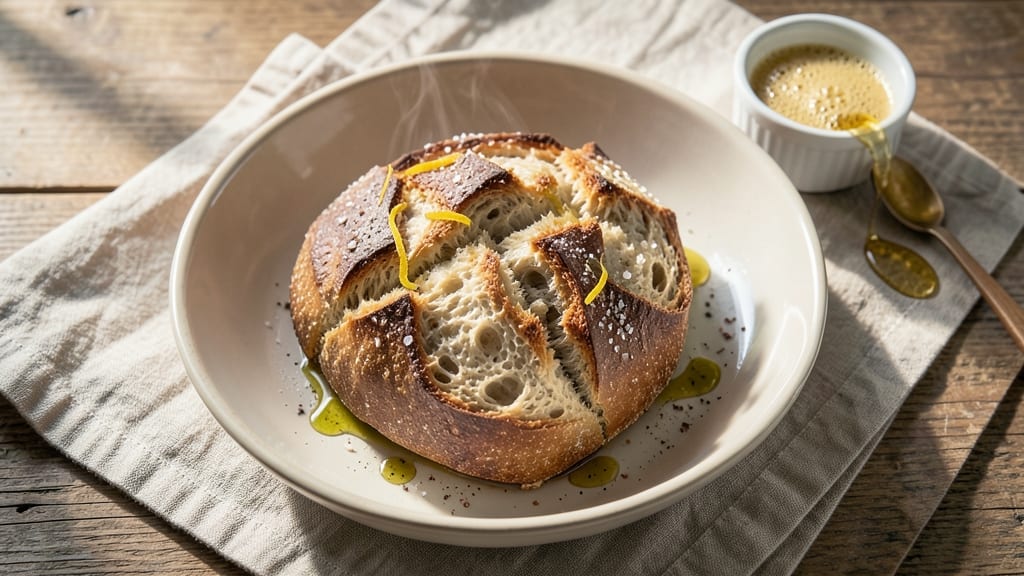
Antimo Caputo 00 flour transforms ordinary bread into an artisanal masterpiece with its fine texture and high protein content. This recipe unlocks the secrets of Italian breadmaking—achieving a crispy crust and open, airy crumb that rivals professional bakeries.
The flour’s low ash content delivers a cleaner flavor and superior rise, making it the gold standard for bread enthusiasts.
What sets this method apart is the natural fermentation process, which develops deep flavor and improves digestibility. You’ll work with a simple dough of flour, water, yeast, and salt, but the technique—proper kneading, bulk fermentation, and shaping—elevates it to restaurant-quality.
The result? A loaf with a shatteringly crisp exterior and a chewy, elastic interior that’s impossible to resist.
The baking process is where the magic happens—steam from a Dutch oven creates that signature crust, while precise oven temperature control ensures even browning. This recipe delivers foolproof results, whether you’re a beginner or a seasoned baker. Once you taste the difference, store-bought bread will never compare again.
Perfect for sandwiches, dipping in olive oil, or simply enjoying with butter, this bread is a game-changer for any kitchen. The open crumb structure and rich flavor make it ideal for pairing with soups, salads, or charcuterie boards. Let’s get started on crafting your perfect loaf.
Ingredients for antimo caputo 00 flour bread
Four essential ingredients and precise technique unlock 00 flour's legendary artisanal potential.
| Ingredient | Amount | Notes |
|---|---|---|
| Antimo Caputo 00 Flour 🌾 | 3 ½ cups | High-protein, low-ash for superior texture |
| Warm Water 💧 | 1 ¼ cups | 95-100°F for optimal yeast activation |
| Active Dry Yeast 🍞 | ¼ tsp | Freshly opened for vitality |
| Diamond Crystal Kosher Salt 🧂 | 1 ½ tsp | Fine grain for even distribution |
| Olive Oil 🫒 | ½ tsp | Extra-virgin for richness |
| Honey 🍯 | 1 tbsp | Wildflower for subtle floral notes |
| Cornmeal 🌽 | ¼ cup | For dusting work surface |
| Ice Water ❄️ | ½ cup | For final dough adjustment |
The Antimo Caputo 00 flour is non-negotiable here—its 12-13% protein content and low ash create that signature open crumb. King Arthur or Caputo are the only domestic brands that come close, but Italian imports deliver the authentic texture. For yeast, Bridgeman's or Red Star are reliable choices, but always check the expiration date. The honey acts as both sweetener and yeast food, so don't substitute with sugar (it requires more water). Diamond Crystal salt is preferred over Morton—its coarser crystals dissolve more evenly during fermentation.
Running short on honey? Maple syrup works at a 1:1 ratio, though it adds a distinct flavor. No extra-virgin olive oil? Avocado oil maintains the same neutral profile. The water temperature is critical—95-100°F activates yeast without killing it. Too hot (>110°F) and you'll kill the yeast; too cold (<70°F) and it won't activate properly. For the cornmeal, Bob's Red Mill is finely milled enough to prevent sticking during shaping. If you're baking in a high-altitude area, reduce the yeast by 10% and increase fermentation time by 20-25% to compensate for lower oxygen levels.
Freshly mixed dough should be sticky but workable—like wet Play-Doh. Store it in an airtight container lined with a damp towel to prevent drying. The dough ferments best at 70-75°F—use your oven's lightbulb as a proofing box if your kitchen runs cold. Once baked, cool completely on a wire rack before slicing to prevent gummy texture. Vacuum-sealed, the bread stays fresh for 5-7 days at room temperature, while frozen loaves maintain quality for up to 3 months. For reheating, wrap cooled slices in foil and warm at 350°F for 5-7 minutes for that just-baked aroma.
Why You'll Love This Recipe
- No-Knead Magic: I swear by this dough—just mix, wait, and bake. The Antimo Caputo 00 flour gives it that light, airy crumb without a single punch or stretch. Honestly, my lazy Sundays thank me every time.
- Olive Oil Luxe: That single tablespoon of olive oil in the dough? It’s the secret to a crust that’s crispy but not dry, with a subtle richness that pairs perfectly with tomato sauce or just butter. (Yes, even on a Tuesday night.)
- Pantry Staple Power: Five ingredients, zero specialty trips. You’ve got flour, yeast, salt, and oil—this bread is basically free once you’ve got the basics. Between us, it’s the most reliable loaf I’ve ever made.
Step-by-step instructions for artisan crust with open crumb science
Master this technique to achieve a signature open crumb structure and crisp exterior.
Activate the Yeast with Honey and Warm Water
In a medium bowl, combine the 1.25 cups warm water (between 95-100°F) with the 1 tablespoon honey and 0.25 teaspoon active dry yeast. Let this mixture sit for 5-10 minutes until it becomes frothy and bubbles vigorously at the surface. This activation ensures your yeast is alive and ready to work.
The honey serves a dual purpose here—it feeds the yeast while also adding subtle floral notes that will develop throughout the bread. If the mixture doesn't bubble after 10 minutes, your yeast may be inactive. In that case, discard it and start fresh with a new packet, as dead yeast will produce a dense, flavorless loaf.
Develop the Dough with Olive Oil and Salt
Add the 3.5 cups Antimo Caputo 00 flour to the activated yeast mixture. Using a wooden spoon or dough whisk, stir until a shaggy dough forms. Then incorporate the 1.5 teaspoons diamond crystal kosher salt and 0.5 teaspoon extra-virgin olive oil. The olive oil adds richness and helps create a tender crumb structure.
Turn the dough onto a lightly floured surface and knead for 8-10 minutes by hand, or use a stand mixer with a dough hook attachment on medium speed for 5-6 minutes. You're looking for a smooth, elastic dough that springs back slowly when poked. The high protein content in 00 flour requires slightly more kneading than all-purpose flour to develop proper gluten structure.
Bulk Ferment for Optimal Gluten Development
Place the dough in a lightly oiled bowl, cover it with a damp kitchen towel, and let it rise at room temperature (70-75°F) for 1.5-2 hours. You'll know it's ready when the dough has doubled in size and feels light and airy when pressed gently. This bulk fermentation develops flavor and strengthens the gluten network, which is crucial for that signature open crumb structure.
During this time, perform a series of folds every 30 minutes for the first hour. To do this, wet your hands, grab one side of the dough, stretch it upward, and fold it over itself. Rotate the bowl and repeat this process on all four sides. These folds intensify gluten development and create surface tension that will contribute to your bread's final texture.
Shape and Cold Proof for Crisp Exterior
Turn the dough onto a surface lightly dusted with 0.25 cup cornmeal and shape it into a round loaf (boule) or oval (batard). For a boule, gather the dough from the sides toward the center, creating surface tension. For a batard, roll it into an oval shape with tapered ends. The cornmeal prevents sticking and adds a subtle crunch to the crust.
Place the shaped dough on a parchment-lined baking sheet and cover it loosely with plastic wrap. Refrigerate for 12-16 hours (overnight works best). This cold proofing slows yeast activity, allowing flavors to develop and creating a crisp exterior while maintaining a soft interior. The extended cold fermentation also improves oven spring when you bake.
Bake for Maximum Crust Development
Preheat your oven to 450°F with a Dutch oven inside for 45 minutes. Remove the Dutch oven from the oven and transfer your dough (still on its parchment) into the hot pot. Bake covered for 20 minutes, then remove the lid and bake uncovered for an additional 20-25 minutes until the crust is deep golden brown and the internal temperature reaches 205-210°F.
The Dutch oven creates a steam chamber that promotes even baking and prevents the crust from drying out too quickly. You'll know your bread is done when it sounds hollow when tapped on the bottom and the crust is crisp enough to shatter slightly. For extra shine, brush the crust with a little melted butter immediately after removing it from the oven.
Pro Tips For Making Antimo Caputo 00 Flour Bread
- Weigh Your Flour: I learned this the hard way—scooping Caputo 00 by volume leads to dense, gummy bread. Use a kitchen scale for precise measurements (500g for a standard loaf), and don’t pack it down in the bowl. That extra gram of air matters more than you’d think.
- Bloom the Yeast Right: Skip the warm water guesswork—yeast thrives at 105°F (40°C). Mix the active dry yeast with ¼ cup of warm water and 1 tsp sugar first, then wait 5-10 minutes until it’s frothy before adding the flour. Cold water = sad rise; hot water = dead yeast.
- Salt the Water First: Add the kosher salt to the warm water before mixing with flour. This ensures even distribution, and yes, it’s worth the extra 10 seconds—uneven salt makes for bland bites and salty crust. (I know, I know, but trust the process.)
- Stretch and Fold Like a Pro: During the bulk fermentation, do 3-4 sets of stretch-and-folds (every 30 minutes) instead of just one. This builds gluten without overworking the dough—Caputo 00 is strong but needs gentle coaxing. Stop when the dough springs back slowly but leaves a slight impression.
Flavor customization for these flavors
Herb-Infused Variations
Add 1 tablespoon fresh rosemary or thyme to the dough during the final kneading stage for an aromatic twist. The herbs infuse beautifully during the long cold proof, creating a fragrant crust.
For a Mediterranean touch, sprinkle 1 teaspoon dried oregano into the flour before mixing. I love using Penzeys Spices for their high-quality dried herbs—just ensure they're finely ground to distribute evenly. 🌿
Seed and Nut Enhancements
Incorporate 2 tablespoons toasted sunflower seeds or pumpkin seeds into the dough for added crunch and nutrition. For extra richness, fold in ¼ cup chopped walnuts during the final shaping stage. These additions create delightful texture contrasts while complementing the bread's natural sweetness.
Always toast seeds and nuts first to enhance their flavors—just spread them on a baking sheet at 350°F for 8-10 minutes until fragrant. 🌰
Sweet Variations
Create a honey-walnut loaf by adding 2 tablespoons extra honey and ¼ cup chopped walnuts to the dough. For a cinnamon-raisin version, mix in 1 teaspoon ground cinnamon and ½ cup raisins during the final kneading.
These variations work beautifully with the bread's natural sweetness while adding complexity. Store-bought raisins work fine, but I prefer sun-dried raisins for their concentrated flavor. 🍯
Savory Additions
For a garlic and herb loaf, mix 1 teaspoon garlic powder and 1 tablespoon chopped fresh parsley into the flour before combining with other ingredients. Another favorite is a cheesy variation—sprinkle ½ cup grated Parmigiano-Reggiano into the dough during the final shaping.
The cheese adds umami depth that pairs perfectly with the bread's crisp crust. Always use freshly grated cheese for the best flavor. 🧀
Whole Grain Blends
Create a 50-50 blend with Antimo Caputo 00 flour and whole wheat flour for added fiber and nuttiness. For a spelt variation, replace 1 cup of the 00 flour with spelt flour—this adds a subtle sweetness and heartier texture.
These blends work well but may require 5-10 extra minutes of kneading due to the higher fiber content. Adjust water as needed to maintain proper dough consistency. 🌾
Nutrition facts
Frequently asked questions
Why does Antimo Caputo 00 flour create such a different texture?
The 12-13% protein content in 00 flour develops stronger gluten networks during kneading, creating that signature open, airy crumb. Its low ash content also delivers a cleaner flavor and better rise compared to regular bread flour. The fine texture allows for superior gas retention during fermentation, which is key for that professional bakery-style loaf.
Can I make this bread without a Dutch oven?
Yes, but you'll need to create steam another way. Place a baking tray on the oven rack and pour 1 cup boiling water into it right before baking. The steam will help develop the crust. For best results, bake the bread on the middle rack at 450°F for 25-30 minutes, rotating the pan halfway through. The crust won't be quite as crisp, but you'll still get a great open crumb.
How do I know when the dough is properly kneaded?
The dough is ready when it passes the "windowpane test"—wet your hands, pick up a small piece, and stretch it until it's translucent and thin enough to see light through without tearing. For 00 flour, it should feel smooth, elastic, and spring back slowly when poked. Hand-kneading should take 8-10 minutes—don't rush it, as this high-protein flour needs extra development time.
What's the best way to store leftover bread?
For short-term storage (3-5 days), keep it in an airtight container at room temperature. For longer freshness (5-7 days), use a bread box or wrap tightly in beeswax wrap. Freezing works best for up to 3 months—slice the bread first, then freeze on a tray before transferring to a bag. To reheat, wrap slices in foil and warm at 350°F for 5-7 minutes for that fresh-baked aroma.