
Side Dishes
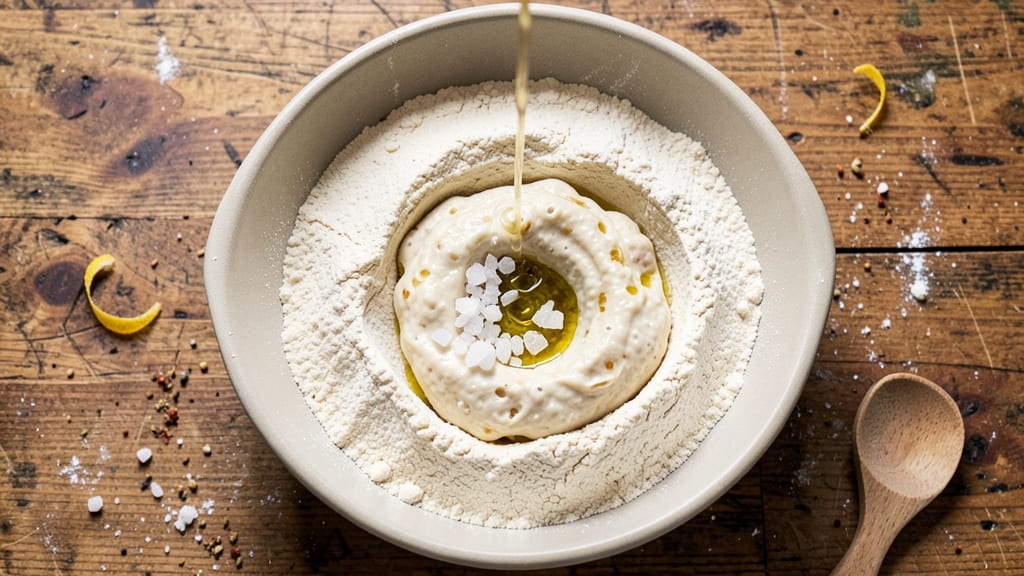
Anna Olson's sourdough bread recipe delivers restaurant-quality crust and crumb with minimal daily effort—perfect for home bakers who crave artisanal flavor without the complexity. The secret lies in her signature hydration balance and extended bulk fermentation, which develop deep tang and open crumb structure naturally.
Unlike rushed recipes, this method builds flavor over time, rewarding patience with bread that rivals professional bakeries.
What sets this apart is Anna's hands-off approach—once you mix the dough, it can ferment overnight in the fridge, making it ideal for busy schedules. The recipe includes starter-making instructions from scratch, so you don't need an existing culture.
We'll focus on autolyse for gluten development, precise shaping techniques, and baking at high heat to achieve that coveted crisp crust and airy interior.
By following these steps, you'll master the three-stage fermentation process that creates sourdough's signature complexity. The dough's long, slow rise allows flavors to mature while maintaining structure, resulting in bread that stays fresh for days. Whether you're a beginner or experienced baker, this method delivers consistent, professional results every time.
The final loaf will have a deep golden crust with visible steam pockets and a tender, open crumb that's impossible to resist. We'll cover steam generation during baking and how to avoid common pitfalls like dense crumb or pale crust.
This is sourdough baking made foolproof—no guesswork, just delicious results.
Ingredients for anna olson sourdough bread
Nine essential ingredients transform your kitchen into an artisan bakery with minimal effort.
| Ingredient | Amount | Notes |
|---|---|---|
| Unbleached All-Purpose Flour 🌾 | 5 cups | High-protein preferred for structure |
| Active Sourdough Starter 🍞 | 1 ½ cups | 100% hydration, bubbly and active |
| Granulated White Sugar 🍚 | ½ tsp | Feeds starter for initial fermentation |
| Diamond Crystal Kosher Salt 🧂 | 2 tsp | Fine grain preferred for even dispersion |
| Extra-Virgin Olive Oil 🫒 | ½ tsp | For dough handling and crust development |
| Cold Water 💧 | 3 ½ cups | Chilled for proper gluten development |
| Cornmeal 🌽 | ¼ cup | For dusting work surface and basket |
| Semolina Flour 🌾 | ¼ cup | For final dusting before baking |
| Ice Water ❄️ | ½ cup | For shaping and steam generation |
The flour is non-negotiable—King Arthur or Caputo Tipo 00 if you want to splurge, but high-protein all-purpose works beautifully. Your starter should be bubbly and smell tangy (like yogurt or vinegar). If it's sluggish, feed it 24 hours ahead with equal parts flour and water. The Diamond Crystal salt is key—it dissolves faster than table salt, preventing uneven flavor. For the olive oil, California Extra Virgin adds subtle fruitiness that enhances the crust. Store your flour in the freezer to preserve freshness—it's worth the extra minute.
No sourdough starter? King Arthur's sourdough starter kit is foolproof, or try the 5-day feeding schedule with whole wheat flour first. Short on time? Instant yeast at half the starter amount works in a pinch, though it won't develop the same depth of flavor. The cornmeal and semolina? Bob's Red Mill brands are reliable—just avoid pre-mixed baking blends. For shaping, use rice flour or oat flour if you're out of cornmeal, but they won't crisp as nicely. The ice water trick creates steam during baking, which is critical for that restaurant-quality crust—don't skip it.
Flour keeps indefinitely in the freezer. Your starter can live in the fridge for up to 2 weeks, but feed it weekly. The dough's three-stage fermentation makes it incredibly versatile—bake fresh or freeze shaped loaves for up to 3 months. For best results, let baked loaves cool completely before slicing. Store wrapped at room temperature for 3-5 days or freeze slices for toast. The crust stays crisp for days when stored properly—trust me on this.
Why You'll Love This Recipe
- No-Fuss Dough: I mix everything in one bowl—no kneading, no fuss. That active sourdough starter does all the heavy lifting while I sip coffee and scroll.
- Sweet-Savory Magic: The touch of sugar and olive oil makes this bread ridiculously good—crisp crust, airy crumb, and just enough tang to keep it interesting.
- Weeknight Hero: Toss a loaf in the freezer for lazy mornings or pack slices for lunch. It’s my go-to for sandwiches, toast, or even French toast—no regrets.
- Budget Baking Win: Uses pantry staples (hello, flour and salt) and stretches far. I’ve fed a crowd with two batches and still had leftovers for days.
Step-by-step instructions for Anna Olson's sourdough bread
Here's how to craft Anna Olson's signature sourdough with minimal effort and maximum flavor.
Mix Dough for Optimal Gluten Development
In a large bowl, combine the 5 cups unbleached all-purpose flour and 1.5 cups active sourdough starter. Create a well in the center and add the 0.5 teaspoon granulated white sugar, 2 teaspoons diamond crystal kosher salt, and 0.5 teaspoon extra-virgin olive oil. Gradually pour in the 3.5 cups cold water while stirring with a wooden spoon or dough whisk.
Mix until a shaggy dough forms, then turn it out onto a lightly floured surface. Knead gently for 8-10 minutes by hand or 5-6 minutes in a stand mixer with a dough hook until smooth and elastic. The dough should be slightly tacky but not sticky—this indicates proper hydration. If it feels too dry, add 1 tablespoon ice water at a time until just pliable.
Here's the thing—this dough is intentionally hydrated at 70% for an open crumb and chewy texture. Don't fight it if it feels wetter than traditional bread dough. The high hydration and sourdough fermentation will create that signature Anna Olson airiness.
Bulk Ferment with Hands-Off Patience
Shape the dough into a loose ball, place it back in the bowl, cover with a damp towel, and let ferment at 70°F (21°C) for 4-6 hours. You're looking for 50-75% rise—the dough should puff up noticeably but not double completely. This controlled rise develops flavor without overproofing.
I check for doneness by doing the "poke test": gently press a finger into the dough. If it springs back slowly but leaves a noticeable indent, it's ready. The surface should also look slightly domed with small bubbles forming. If your kitchen is cooler, extend fermentation by 1-2 hours—the dough will catch up during baking.
Shape and Final Proof for Structure
Turn the dough onto a surface dusted with 0.25 cup cornmeal (this prevents sticking during handling). Shape into a tight boule by pulling the edges toward the center and tucking them under. For a rustic look, you can also create a batard by rolling it into a log shape.
Place the shaped dough seam-side up in a lightly greased proofing basket or bowl lined with a floured towel. Cover and let proof at 70°F (21°C) for 1-2 hours until it rises 50-75% again. The dough should feel springy when pressed gently. Here's where the magic happens—the tension created in shaping gives that signature Anna Olson oven spring.
Score and Bake for Crisp Crust
Preheat your oven to 450°F (232°C) with a Dutch oven inside for 45 minutes. Remove the Dutch oven and transfer the dough directly into it. Immediately score the top with a razor blade or sharp knife—this prevents over-expansion and creates that beautiful open crumb. For Anna Olson's signature look, make a simple "X" or diagonal slash.
Bake covered for 20 minutes, then remove the lid and bake 20-25 minutes more until the crust is deep golden brown and the internal temperature reaches 205°F (96°C). The bread should sound hollow when tapped on the bottom. If the crust browns too quickly, tent with foil.
Cool and Enjoy the Artisan Results
Remove the bread from the Dutch oven and let it cool on a wire rack for at least 1 hour before slicing. This resting period allows the gluten to relax and the crumb to set properly. The bread should have a crisp crust, open crumb, and tangy sourdough flavor with just a hint of sweetness from the initial sugar.
Slice into ½-inch thick pieces and serve warm for that perfect melt-in-your-mouth texture. The high hydration creates a moist, chewy interior while the sourdough fermentation adds complex depth of flavor. Store wrapped at room temperature for 2 days or freeze for up to 3 months—it only gets better with age!
Pro Tips For Making Anna Olson Sourdough Bread
- MEASURE SALT BY WEIGHT: If you’re using Diamond Crystal kosher salt (which clumps like crazy), don’t eyeball it—weigh it. The recipe likely calls for 2% of flour weight, and a teaspoon isn’t always accurate. I learned this after my first loaf tasted bland because I under-salted by half a teaspoon. A digital scale solves this forever.
- STRETCH AND FOLD LIKE YOU MEAN IT: This isn’t a gentle pat-down—dig your knuckles into the dough during the stretch-and-folds. The goal is to develop gluten, not just rearrange it. After three failed attempts at half-hearted folds, I finally committed to 4-5 sharp pulls per session, and the dough transformed from sticky to elastic in no time.
- SKIP THE OVERPROOFING: Your starter might look like it’s ready, but resist the urge to bake when the dough seems puffy. Overproofed sourdough collapses like a sad soufflé. Instead, do the finger test: poke gently—if the dent stays, it’s done. If it springs back fast, give it 15-30 more minutes. (Yes, even if you’re staring at it like it’s a science experiment.)
- USE OLIVE OIL FOR SCORE CUTS: Dip your lame in olive oil before scoring—it glides through the dough like butter, and the crust turns golden and crisp instead of tearing or burning. I used water first and ended up with a sad, uneven slash. A quick wipe with oil makes all the difference, especially if you’re scoring freehand.
Best sauces and condiments for this dish
Classic Garlic Olive Oil
Anna Olson's sourdough pairs perfectly with a simple garlic olive oil drizzle that enhances its crust without overpowering the bread's natural tang. Mix ¼ cup extra-virgin olive oil with 1 minced garlic clove, ½ tsp flaky sea salt, and a pinch of red pepper flakes.
Warm the oil gently for 2 minutes before drizzling—this releases the garlic's aroma without burning it. The olive oil's fruitiness complements the sourdough's crust beautifully. 🫒
Honey Butter Compound
For a sweet-savory contrast, whip together ½ cup softened unsalted butter with 2 tbsp local raw honey and 1 tsp lemon zest. This rich spread melts into the bread's open crumb, balancing the sourdough's acidity. I like to add a pinch of fleur de sel for depth.
Store the compound in an airtight container in the fridge for up to 2 weeks—it's perfect for toast or slathered on warm slices. 🍯
Whole Grain Mustard Spread
Elevate your sourdough with a Dijon mustard spread that adds tangy complexity. Combine 3 tbsp Dijon mustard with 2 tbsp crème fraîche and 1 tbsp chopped fresh dill. Thin with a splash of apple cider vinegar if needed.
This works wonders on toasted sourdough, especially when paired with smoked salmon or avocado. The mustard's sharpness cuts through the bread's richness. 🌿
Spiced Whipped Feta
Creamy whipped feta takes this bread to the next level. Blend 1 cup crumbled feta with 2 tbsp heavy cream, 1 tsp dried oregano, and ½ tsp cracked black pepper.
Fold in 1 tbsp chopped kalamata olives for briny contrast. Spread on warm sourdough slices and top with a drizzle of chili oil for heat. This Mediterranean-inspired combo is pure comfort food. 🧀
Caramelized Onion Jam
For a sweet and savory twist, caramelize 2 cups thinly sliced yellow onions in 2 tbsp butter over low heat for 45 minutes. Stir in 2 tbsp balsamic vinegar and 1 tbsp brown sugar, then simmer until thickened.
Spread this jam on toasted sourdough and top with a sprinkle of flaky salt. The deep caramelized flavors play beautifully with the bread's tang. 🧅
Herbed Goat Cheese
Soft goat cheese adds a creamy, slightly tangy element that pairs wonderfully with sourdough. Mix 8 oz goat cheese with 1 tbsp chopped fresh thyme, 1 tbsp chopped walnuts, and a pinch of black pepper.
Spread on warm bread and drizzle with honey for a sophisticated touch. The goat cheese's acidity enhances the sourdough's natural tang. 🧀✨
Nutrition facts
Frequently asked questions
How long does it take to make Anna Olson's sourdough bread?
This recipe unfolds over 24-36 hours for maximum flavor, but the active hands-on time is just 30 minutes. After mixing, the dough ferments 4-6 hours at room temperature, then 1-2 hours in the fridge overnight. Baking takes 45 minutes, but the bread needs 1 hour to cool properly before slicing. The long fermentation develops deep tang without requiring constant attention.
Can I use this recipe without a Dutch oven?
Yes! If you lack a Dutch oven, bake the loaf on a preheated baking sheet at 450°F (232°C) for 20 minutes, then transfer to a combination of steam pans (place a tray of boiling water below the rack). For extra steam, spray the oven walls with water during the first 10 minutes of baking. The crust won't be as crisp, but the crumb will still be open and flavorful.
Why does my dough smell like vinegar?
That's normal! A tangy, vinegary aroma means your sourdough starter is active and developing flavor. Anna Olson's recipe relies on this fermentation for its signature taste. If the smell is overly sharp or sour (like spoiled milk), your starter may need feeding. The dough should smell like yogurt with a hint of vinegar—not like cleaning products or rotten eggs.
How do I know when the bread is fully baked?
Look for three signs: deep golden crust, an internal temperature of 205°F (96°C), and a hollow sound when tapped on the bottom. The crust should crackle when broken, and the crumb should look uniformly open with visible steam pockets. If the top browns too quickly, tent with foil after 15 minutes of uncovered baking.
Can I make this bread without a sourdough starter?
Not exactly—but you can substitute 1.5 teaspoons instant yeast for the starter to get a similar texture. For authentic flavor, create a starter using ½ cup whole wheat flour + ½ cup water, feeding daily for 5-7 days until bubbly. The recipe's high hydration and long fermentation still work with yeast, though the tang will be milder. For best results, use 100% hydration starter (equal parts flour and water).