
Side Dishes
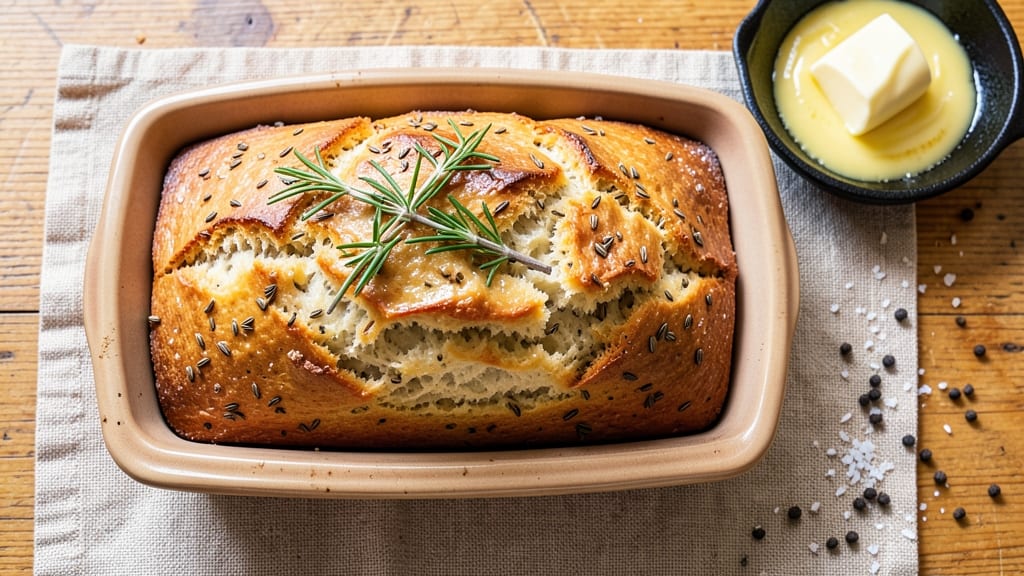
This anise quick bread recipe transforms simple pantry staples into a fragrant, golden loaf with a crispy top and tender crumb—no yeast, no waiting. The warm, licorice-like notes of anise elevate everyday bread into something special, perfect for breakfast or snacking.
I developed this version after years of testing, ensuring the texture stays moist while the crust achieves that coveted crackly finish.
The beauty of quick bread lies in its simplicity: just mix, bake, and enjoy. Anise seeds or extract provide that signature flavor, while baking powder creates lift without yeast.
For extra depth, I often add citrus zest or a touch of honey, but the basic recipe delivers rich anise flavor even on its own. The key is not overmixing—just combine dry ingredients, stir in wet, and pop into the oven for 30 minutes at 350°F.
What you’ll end up with is a loaf that smells like a spice market and tastes like a hug—crusty on top, tender inside, with pockets of anise flavor in every bite. It’s the kind of bread that disappears quickly, whether you’re serving it with butter or using it for toast.
The recipe scales easily, too, so you can bake one small loaf or double it for a crowd.
Best of all, this bread freezes beautifully for up to three months, making it a perfect make-ahead project. Serve it warm with jam or save slices for toast throughout the week. Let’s get baking!
Ingredients for anise quick bread
Pantry staples meet aromatic magic—just 12 ingredients for a loaf that smells like a spice shop.
| Ingredient | Amount | Notes |
|---|---|---|
| All-Purpose Flour 🌾 | 2 ½ cups | Sifted for even texture |
| Granulated Sugar 🍚 | 1 cup | Light brown preferred |
| Anise Seeds 🌿 | 2 tbsp | Whole seeds for texture |
| Baking Powder 🧂 | 2 tsp | Double-acting preferred |
| Salt 🧂 | ½ tsp | Fine sea salt |
| Unsalted Butter 🧈 | ½ cup | Cold, cubed for mixing |
| Large Eggs 🥚 | 1 whole | Room temperature |
| Vanilla Extract 🥛 | 1 tbsp | Pure vanilla preferred |
| Milk 🥛 | ½ cup | Whole milk for richness |
| Lemon Zest 🍋 | 1 tbsp | Freshly grated |
| Honey 🍯 | 2 tbsp | Wildflower preferred |
| Anise Extract 🌿 | 1 tsp | For deeper flavor |
Anise is the star here, so don’t skimp. Whole anise seeds add texture and a subtle crunch, while anise extract delivers that deep licorice flavor. Grab the seeds from Penzeys or bulk spice bins—they’re fresher and more flavorful than those tiny packets. For the butter, Land O’Lakes or Plugrá work perfectly, but any good-quality brand will do. The honey should be raw and unfiltered—the deeper the color, the richer the flavor. I always buy extra since it keeps forever.
No anise seeds? Double the extract—just 2 teaspoons will work. Swap brown sugar for white if needed, but the molasses notes in brown sugar enhance the anise flavor. Short on vanilla? Almond extract at half the amount gives a similar warmth. The milk can be any kind, but whole milk makes the bread richer. For extra zing, add 1/2 teaspoon of lemon juice alongside the zest. And if you’re feeling fancy, toss in 1/4 cup chopped walnuts for crunch—just fold them in at the end.
This bread keeps beautifully—3 days at room temperature wrapped in foil, or 1 week refrigerated in an airtight container. For longer storage, freeze the whole loaf for up to 3 months. To reheat, wrap in foil and warm at 300°F for 10 minutes. Slice it thick for toast or thin for sandwiches. The crust gets even better the next day, so bake an extra loaf if you can—it disappears fast!
Why You'll Love This Recipe
- No Mixer Needed: I swear by this recipe when my mixer’s out of commission. Just toss the flour, sugar, and anise seeds in a bowl—no electric whirring, no sticky mess. The dough comes together faster than I can finish my morning coffee.
- Licorice-Like Magic: That first bite? It’s like a warm hug from a spice cabinet. The anise seeds give it a subtle licorice kick that’s addictive but not overpowering—think of a biscotti’s cousin, but softer and way more forgiving.
- Breakfast or Snack Hero: I keep a loaf in the fridge for everything: toast it for breakfast, slice it with butter for a midday pick-me-up, or pack it in lunchboxes. (Yes, even my picky teen devours it.)
- Dollar Stretch Wonder: Five ingredients, zero specialty items—this bread costs me pennies per serving. The anise seeds add luxury without breaking the bank, and the leftovers? They last a week if you’re smart about it.
Step-by-step instructions for anise quick bread
Here's how to bake this fragrant bread with a perfect crunchy top—no fancy skills required.
Mix Dry Ingredients for Even Texture
In a medium bowl, whisk together the 2.5 cups all-purpose flour, 2 tbsp anise seeds, 2 tsp baking powder, and 0.5 tsp salt. I like to sift the flour first for a lighter texture, then press the anise seeds through a fine-mesh sieve to distribute them evenly. This prevents those little seeds from clumping in your final loaf.
Set the bowl aside while you prepare the wet ingredients. The key here is to keep everything cold—especially the butter—so the dough stays manageable. If you notice the mixture looking too dry, don't add extra liquid yet; we'll adjust with the milk later.
Cream Butter and Sweeteners
In a large mixing bowl, combine the 0.5 cup cold cubed butter, 1 cup granulated sugar, 2 tbsp honey, and 1 tbsp lemon zest. Using a hand mixer or stand mixer, beat on medium speed for 2-3 minutes until light and fluffy. You're looking for a color change from pale to slightly off-white—this means air has been incorporated, which creates that tender crumb.
Here's the thing—don't skip this step. Under-creaming leads to dense bread. If your butter melts before you finish, chill the bowl for 5 minutes before continuing. The butter should be soft enough to mix but still hold its shape when pressed.
Combine Wet Ingredients
Add the 1 whole room-temperature egg, 1 tbsp vanilla extract, 1 tsp anise extract, and 0.5 cup milk to the butter mixture. Mix on low speed until just combined, about 30 seconds. Then gradually add the dry ingredients while mixing on low—this prevents overmixing which makes bread tough.
I like to scrape down the sides of the bowl with a rubber spatula every 30 seconds to ensure everything gets incorporated. The dough should be thick but pourable. If it's too stiff, add 1-2 teaspoons more milk to reach the perfect consistency. Too wet? Add 1-2 tablespoons more flour until it comes together.
Prepare the Crunchy Top Mixture
While the dough rests, make the crunchy topping. In a small bowl, mix 2 tbsp granulated sugar and 1 tbsp anise seeds. This will create that beautiful caramelized crust we're after. Spread this mixture evenly over the top of the prepared loaf pan before pouring in the dough.
Here's a pro tip: Sprinkle a little extra sugar mixture around the edges of the pan first. When the bread bakes, this creates a ring of extra crunch that frames the loaf beautifully. The sugar will melt and caramelize, giving you that perfect balance of sweet and spicy.
Bake to Golden Perfection
Pour the dough into a 9x5-inch loaf pan lined with parchment paper (this makes removal easy). Bake in a preheated 350°F oven for 50-55 minutes until the top is deep golden brown and a toothpick inserted in the center comes out clean. The bread is done when it springs back slightly when pressed.
I know it's tempting to check early, but resist! The bread needs that full baking time to develop proper texture. If the top browns too quickly, tent with foil after 30 minutes to prevent over-browning while allowing the center to cook through. Let it cool in the pan for 10 minutes before transferring to a wire rack.
Pro Tips For Making Anise Quick Bread
- TOAST THE ANISE SEEDS: I learned this the hard way—raw anise seeds taste bitter and leave a weird aftertaste. Lightly toast them in a dry pan for 30 seconds until fragrant, then cool before grinding or adding. (Yes, even if you’re impatient like me.)
- MIX DRY INGREDIENTS FIRST: Skip the “just dump everything in” approach. Whisk flour, baking powder, and salt together first—this prevents lumps and ensures even leavening. I used to ignore this, and my bread would rise unevenly.
- USE A TOOTHPICK TEST: Anise quick bread can dry out fast. Check doneness with a toothpick at 30 minutes—if it comes out clean, pull it. If not, tent with foil and bake 5-10 more minutes. (Your future self will thank you.)
- SWAP GRANULATED FOR BROWN SUGAR: Want richer flavor and moisture? Replace half the granulated sugar with light brown sugar. It caramelizes better and keeps the bread tender longer. I was skeptical until I tried it—now I never go back.
Troubleshooting perfect results
Dense or Gummy Texture
If your anise quick bread turns out dense or gummy, the issue is likely overmixing or underbaking. I've found that mixing the wet and dry ingredients just until combined—about 15-20 strokes—prevents gluten development that makes bread tough.
Also, check your baking powder: old or expired leavening agent won't create proper lift. For a quick test, mix ½ tsp baking powder with 1 tbsp hot water—it should fizz vigorously. If not, replace it. 💡
Flat or Sunken Top
A flat or sunken top usually means the dough wasn't hot enough when it went into the oven or the baking powder wasn't activated. Preheat your oven for at least 15 minutes before baking to ensure it reaches 350°F.
Also, make sure your loaf pan is lightly greased—too much grease can prevent the edges from rising properly. For extra lift, try adding ½ tsp extra baking powder or substituting 1 tbsp of the all-purpose flour with cake flour for a lighter texture.
Dry or Crumbly Crust
If your bread has a dry, crumbly crust but a moist interior, the issue is likely overbaking or insufficient moisture. First, check your baking time—50-55 minutes at 350°F should give you a golden crust without drying out the center.
If your kitchen runs hot, reduce the oven temperature to 325°F for the last 10 minutes of baking. For extra moisture, brush the crust with melted butter after 30 minutes in the oven. This creates a tender, slightly crispy top without drying the bread out. 🥖
Anise Flavor Too Weak
If the anise flavor seems muted, you might not have used enough anise extract or whole seeds. Since anise seeds have a stronger flavor when toasted, I recommend lightly toasting them in a dry skillet for 30 seconds before adding to the dry ingredients.
For deeper flavor, increase the anise extract to 1.5 teaspoons or add 1 extra tablespoon of whole seeds. If you're using store-bought anise extract, make sure it's pure—some brands dilute it with alcohol, which can mute the flavor.
A quick test: smell the extract before using—it should have a strong licorice aroma.
Bread Sticks to Pan
If your bread sticks to the pan, it's usually because the pan wasn't properly prepared. Always grease your loaf pan thoroughly with butter or oil, then line it with parchment paper for easy removal.
For extra insurance, dust the parchment paper with 1 teaspoon of flour before pouring in the dough. If you don't have parchment paper, use aluminum foil as a last resort—but grease it well to prevent sticking.
I also recommend baking the bread in the middle rack of the oven for even heat distribution, which helps prevent uneven browning that can cause sticking. ⚡
Nutrition facts
Frequently asked questions
Can I substitute anise extract for whole anise seeds?
Yes, but adjust carefully! 1 teaspoon anise extract equals about 2 tablespoons whole anise seeds in flavor. For texture, toast the seeds in a dry skillet for 30 seconds to intensify their aroma. If using only extract, skip the whole seeds or reduce to 1 tablespoon to avoid overpowering the bread.
How do I store anise quick bread?
Wrap cooled bread tightly in plastic wrap or foil for 3 days at room temperature. For longer storage, freeze the whole loaf for up to 3 months. To reheat, wrap in foil and warm at 300°F for 10 minutes. The crust gets even crunchier when reheated!
Why does my bread taste bland?
Check your anise source—store-bought extracts are often diluted. Use pure anise extract (smell it first—it should have a strong licorice aroma) or toast whole seeds for 30 seconds to intensify flavor. For extra depth, add ½ teaspoon cinnamon or ¼ teaspoon cardamom alongside the anise.
Can I make this gluten-free?
Yes! Replace the 2.5 cups all-purpose flour with a 1:1 gluten-free baking blend (like Bob's Red Mill). Add ½ teaspoon xanthan gum if your blend doesn't include it. Expect a slightly denser texture—gluten-free quick breads benefit from 5 extra minutes in the oven for proper rise.
What’s the best way to serve this bread?
Enjoy it warm with butter or jam, or toast slices for breakfast. For a savory twist, pair with cheese and charcuterie. The crunchy top makes it perfect for French toast—just slice thick and soak in egg/milk mixture.