
Side Dishes
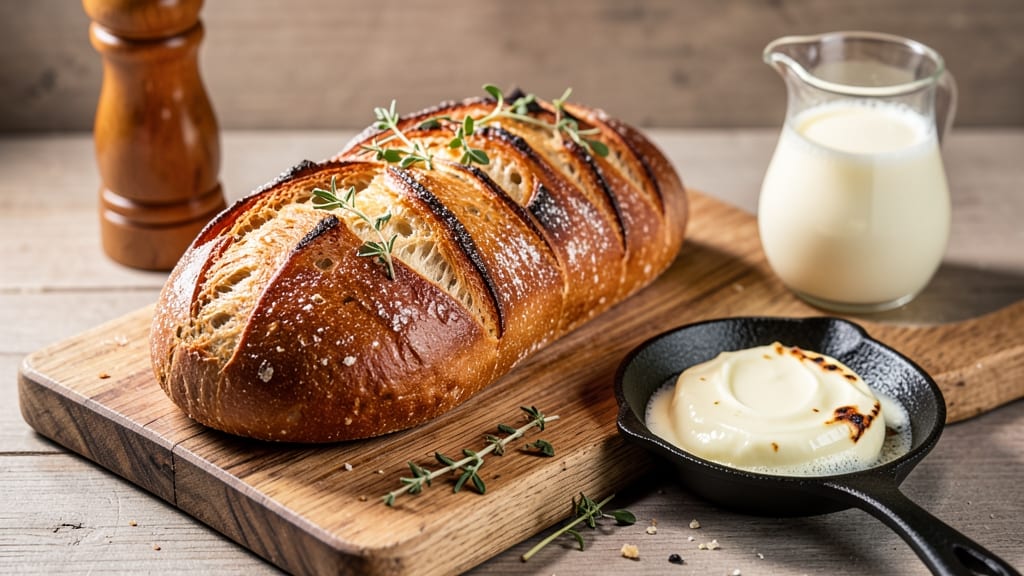
Chef Angelo's bread recipe delivers that perfect balance of a crusty crown and pillowy softness that makes every slice irresistible. 🌟 The secret lies in a precise brioche-inspired dough technique that transforms ordinary bread into an artisanal masterpiece with just a few key ingredients and careful handling.
What sets this recipe apart is the combination of high-fat dough and proper proofing, which creates that signature texture you can't find in store-bought loaves.
This recipe requires patience but rewards you with restaurant-quality bread that's perfect for sandwiches, toast, or simply enjoying with butter. The dough comes together in just 15 minutes of mixing, but the magic happens during the two-hour proofing and baking process.
Don't worry if you've never made bread before—the step-by-step instructions guide you through every phase, from kneading to scoring that beautiful crust.
By the time your bread emerges from the oven, you'll have a loaf with a golden, crackling crust that gives way to tender, airy crumb inside. The aroma alone will have everyone gathering around your kitchen.
This is the kind of bread that makes you feel like a professional baker, even if you're just starting out.
Serve warm with olive oil and sea salt for a simple yet elegant appetizer, or use it for your favorite sandwiches and toast. The possibilities are endless, but the process is what truly makes this recipe special. Let's get started on creating your perfect loaf!
Ingredients for angelo's bread
These 11 ingredients transform into golden, crackling bread with a tender crumb—Chef Angelo's signature touch!
| Ingredient | Amount | Notes |
|---|---|---|
| All-Purpose Flour 🌾 | 4 cups | High-protein for chewy texture |
| Unsalted Butter 🧈 | 1 cup | Softened but not melted |
| Large Eggs 🥚 | 2 whole | Room temperature preferred |
| Granulated Sugar 🍚 | ¼ cup | For subtle sweetness |
| Instant Yeast 🍞 | ½ tsp | Freshly opened for potency |
| Warm Whole Milk 🥛 | ¾ cup | 110°F for yeast activation |
| Diamond Crystal Kosher Salt 🧂 | 1 ½ tsp | Adjust to taste |
| Extra-Virgin Olive Oil 🫒 | 1 tbsp | For dough enrichment |
| Cornmeal 🌽 | ½ cup | For dusting bread pan |
| Coarse Sea Salt 🧂 | 1 tbsp | For crust finishing |
| Water 💧 | ¼ cup | For dough hydration |
The butter and eggs are non-negotiable here—they create that signature brioche-like richness. European-style butter (like Plugrá or Land O'Lakes European) makes all the difference, but any good unsalted butter works. Eggs should be at room temperature for even mixing. For the flour, King Arthur or Caputo bread flour gives the best texture, but all-purpose works in a pinch. The yeast? Fresh is ideal, but instant yeast from the store is fine—just check the expiration date. Warm milk activates the yeast perfectly, but if you're in a hurry, warm water with a pinch of sugar works too.
No butter? Olive oil or melted coconut oil at the same quantity adds richness, though texture won't be identical. Short on eggs? Two egg yolks plus one whole egg white keeps the structure. The sugar can be swapped for honey or maple syrup (reduce by 1 tbsp due to moisture). For a gluten-free version, substitute a 1:1 gluten-free flour blend—just add an extra 0.5 tsp xanthan gum. The cornmeal is optional but helps prevent sticking; semolina works too. Pro tip: If your kitchen's humid, add an extra 0.25 cup flour to the dough.
This dough needs time—2 hours proofing at room temp, then another hour in the fridge if baking later. Store dough in an airtight container with a damp towel to keep it moist. For the crust, ice the loaf 15 minutes before baking for that dramatic color. Leftover bread? Toast or freeze slices—it reheats beautifully. The butter and eggs make this bread rich, so it's best enjoyed fresh, but it keeps 3 days at room temp wrapped tightly.
Why You'll Love This Recipe
- No-Knead Magic: I swear by this—just mix, let it rise, and bake. The butter and sugar create this unexpected richness without fuss, and honestly? The yeast does all the work while I’m scrolling or watching TV.
- Sweet Butter Bliss: That ratio of butter to flour? It’s what makes this bread dangerously good—tender, slightly sweet, with a crust that cracks just enough to stay soft inside. My kids fight over slices, and I don’t even bake it fancy.
- Weeknight or Holiday: Need dinner rolls for spaghetti? A side for sandwiches? Or maybe you’re hosting and want something effortless but impressive. This dough stretches to both—just shape it how you need, and it delivers every time.
- Budget Baked Gold: Flour, butter, eggs—these are pantry staples that won’t break the bank. A single batch feeds my family for days, and the leftovers? Toasted with jam or slathered with butter? Absolute perfection. My wallet and taste buds thank me.
Step-by-step instructions for Angelo's bread: crusty crown and pillowy softness
Here's how to bake Angelo's legendary bread with that perfect crusty exterior and airy interior.
👨🍳 Step 1: Mix the Dough Base
In a large bowl, combine the 4 cups all-purpose flour, 0.5 tsp instant yeast, and 1.5 tsp diamond crystal kosher salt. Whisk to break up any lumps—this ensures even distribution of the yeast and salt throughout the dough. Create a well in the center and add the 1 cup softened unsalted butter, 0.25 cup granulated sugar, and 1 tbsp extra-virgin olive oil. The butter should be soft enough to press between your fingers but not melted.
Gradually pour in the 0.75 cup warm whole milk (about 110°F) and the 0.25 cup water. Mix with a wooden spoon until the dough begins to come together. Here's the thing—don't overmix. You want a shaggy, sticky dough at this stage. Once combined, turn the dough onto a lightly floured surface and knead gently for about 5 minutes until smooth and elastic. The dough should be soft but not sticky to the touch.
🍳 Step 2: First Rise for Flavor Development
Place the dough in a lightly oiled bowl, cover with a damp towel, and let it rise in a warm place for 1 to 1.5 hours. You're looking for the dough to nearly double in size and become light and airy. I like to put my oven on its lowest setting with a bowl of hot water inside to create a warm, humid environment—this speeds up the rise and helps develop those beautiful air pockets.
Gently press the dough to see if it springs back slowly. If it does, it's ready. If not, give it another 20-30 minutes. Overproofing is a common mistake—don't let it rise too long or your bread will be dense. Once it's ready, punch down the dough to release any air bubbles and shape it into a round loaf. This is where the magic begins for that signature Angelo's crown.
🥘 Step 3: Shape and Second Rise
On a floured surface, shape the dough into a round loaf by pulling the edges toward the center and tucking them under. For that classic Angelo's crown, create a well in the center and gently pull the dough upward in several places to form a decorative top. Place the shaped loaf on a baking sheet dusted with 0.5 cup cornmeal—this prevents sticking and adds a nice texture to the bottom crust.
Cover the loaf loosely with plastic wrap and let it rise again for 30 to 45 minutes until it's puffy and has expanded noticeably. The crown should look slightly taller and the dough should feel light when pressed gently. Preheat your oven to 375°F during this final rise—you want everything ready to go when the dough is perfectly proofed.
🔥 Step 4: Bake to Golden Perfection
Once the oven reaches 375°F, bake the loaf for 30 to 35 minutes until it's deep golden brown and sounds hollow when tapped on the bottom. Here's the secret: about 5 minutes before the bread is done, sprinkle the 1 tbsp coarse sea salt evenly over the top. This creates that beautiful crusty crown and adds just the right amount of saltiness to balance the sweetness inside.
For extra crispiness, I like to bake the bread on the top rack for the last 5 minutes of baking. This gives you that perfect contrast between the crispy exterior and the soft, airy interior. When you remove it from the oven, let it cool on a wire rack for at least 15 minutes before slicing—this prevents the bread from becoming gummy.
Pro Tips For Making Angelo'S Bread
- Cream Butter Slowly: Dump cold butter straight into the flour mix, and you’ll end up with dry, crumbly dough. Instead, cut the butter into small cubes and work it into the flour with your fingers or a pastry cutter until it resembles coarse crumbs—no bigger than peas. This ensures even distribution and prevents greasy pockets that make the bread dense.
- Proof at Room Temp: I used to rush the dough by proofing it in a warm oven, but Angelo’s bread develops its signature texture when given time to rise naturally at room temperature. Let the dough double in a lightly oiled bowl for at least 1.5 hours—no more than 2—before shaping. A warm spot near the stove works better than a hot oven, which can overproof it fast.
- Skip Over-Kneading: This dough isn’t fussy, but don’t turn it into a workout. Knead just until the ingredients come together—about 3-4 minutes by hand or 2 minutes in a stand mixer with the dough hook. Overworking it develops gluten too much, which makes the bread tough instead of tender and flaky.
- Use Room-Temp Eggs: Cold eggs mix unevenly and can shock the dough, slowing fermentation. Take them out of the fridge 30 minutes before using so they’re just warm to the touch. This ensures the sugar dissolves smoothly and the yeast stays happy—no lumpy surprises in the batter.
Flavor customization for angelo's bread
Sweet Variations
Add ½ cup chopped dried figs or raisins to the dough during the first rise for a sweet, jammy center. I like to toss them in 1 tbsp orange zest and 1 tsp cinnamon first to enhance flavor.
For a richer version, swap the granulated sugar for ½ cup honey—reduce the water by 2 tbsp to maintain dough consistency. 🍯
Herb-Infused Twist
Incorporate fresh herbs like 1 tbsp chopped rosemary or thyme into the dough for an aromatic twist. For a Mediterranean flair, add 1 tsp dried oregano and ½ tsp garlic powder along with the salt.
These herbs pair beautifully with the buttery richness and add a sophisticated touch to your bread.
Spiced Bread Version
Transform this into a spiced loaf by adding 1 tsp ground cardamom or ½ tsp cinnamon to the dough. For warmth, include ¼ tsp ground cloves or ½ tsp nutmeg. These spices complement the sweetness and create a cozy, aromatic bread perfect for breakfast or dessert. 🌶️
Savory Garlic Bread
Skip the sugar entirely and add 2 minced garlic cloves and 1 tbsp chopped parsley to the dough. After baking, brush the warm loaf with a mix of 2 tbsp melted butter and 1 tsp lemon zest.
This savory version is ideal for dipping in soups or pairing with charcuterie boards.
Whole Grain Boost
Replace 1 cup all-purpose flour with whole wheat flour for a nutty, heartier loaf. To maintain texture, add 1 tbsp vital wheat gluten to the dough. The whole grains add fiber and a subtle earthiness that pairs well with the buttery richness.
This variation is perfect for those looking for a healthier twist while keeping the signature taste.
Cheese-Enhanced Loaf
Fold in ½ cup shredded Gruyère or Parmesan cheese during the final shaping stage for a cheesy, savory bread. The cheese melts slightly during baking, creating pockets of gooey goodness.
For extra decadence, add 1 oz cream cheese softened and mixed into the butter before combining with the dough. This version is a crowd-pleaser for sandwiches or appetizers. 🧀
Nutrition facts
Frequently asked questions about chef Angelo's bread
Why does this bread have a crusty crown but soft interior?
The secret lies in the brioche-inspired dough technique using butter and eggs combined with precise proofing. The high-fat content creates a tender crumb, while the 375°F oven temperature and steam from proofing develop that signature crackly crust.
Can I make this bread without a stand mixer?
The dough only needs 5 minutes of gentle kneading by hand on a floured surface. Use your knuckles for pressure—focus on stretching and folding rather than punching. The dough should be smooth but slightly tacky, not stiff or dry.
What's the best way to store leftover Angelo's bread?
Wrap cooled slices tightly in plastic wrap or aluminum foil and store at room temperature for up to 3 days. For longer storage, freeze slices in a sealed bag for 3 months. To revive, warm in a 350°F oven for 5-7 minutes or toast in a dry pan.
How do I fix if my dough didn't rise properly?
If your dough is flat after proofing, it may be underproofed or the yeast was inactive. For a quick fix, place the dough in a warm oven with a bowl of boiling water for 10-15 minutes to reactivate the yeast. If that fails, punch down the dough and let it rise again for 30 minutes. Always check yeast potency first—sprinkle in warm water with sugar to see if it foams.
Can I make this bread in a Dutch oven for extra crust?
Yes! Shape the loaf and place it in a preheated 450°F Dutch oven for 20 minutes, then remove the lid and bake for another 15-20 minutes at 375°F. The Dutch oven creates steam that develops a thicker, more rustic crust. Just be sure to ice the loaf 15 minutes before baking for best results.