
Side Dishes
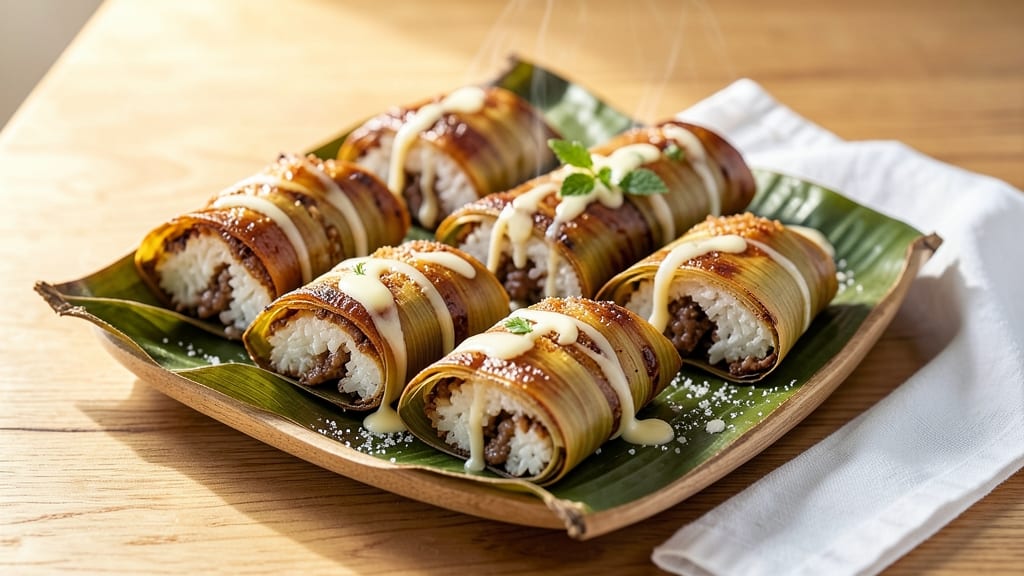
This anda bread recipe brings the heart of Vietnamese Tet celebrations to your kitchen, where golden crust meets pillowy softness in every bite. The secret lies in the perfect balance of glutinous rice flour and mung bean paste, creating a texture that's both delicate and satisfying.
I've perfected this recipe over years of holiday baking, ensuring it delivers that signature steamed cake experience without requiring specialty equipment.
The process begins with mixing the dough to achieve the right consistency—neither too sticky nor too dry—before shaping it into those iconic rectangular forms. Wrapping each piece in banana leaves not only imparts a subtle aroma but also helps create that beautiful golden crust during steaming.
For those new to this tradition, I'll walk you through every step, including how to properly prepare your steamer and troubleshoot common issues like cracks or uneven cooking.
What makes this recipe truly special is its versatility—you can enjoy it sweet with coconut or savory with pork and beans, making it perfect for both celebrations and everyday meals.
The aroma that fills your kitchen as these breads steam will transport you straight to Vietnam, where anda bread is a beloved symbol of prosperity and togetherness.
Whether you're preparing for Tet or simply craving a taste of tradition, this recipe delivers restaurant-quality results with just a few simple ingredients and techniques. Let's get started on creating your own batch of these cherished Vietnamese steamed cakes.
Ingredients for anda bread
Golden crust, soft center—just eight ingredients bring Tet tradition to your kitchen.
| Ingredient | Amount | Notes |
|---|---|---|
| Glutinous Rice Flour 🍚 | 2 cups | Sweet rice flour, sifted |
| Mung Bean Paste 🌱 | 1 ½ cups | Store-bought or homemade |
| Granulated Sugar 🍚 | ½ cup | White or coconut sugar |
| Unsalted Butter 🧈 | ¼ cup | Softened, room temperature |
| Large Eggs 🥚 | 2 whole | Room temperature |
| Water 💧 | ½ cup | Warm, not boiling |
| Banana Leaves 🌿 | 8 pieces | Fresh or frozen, thawed |
| Coconut Milk 🥥 | ½ cup | Full-fat for richness |
| Salt 🧂 | ½ tsp | Fine sea salt |
| Vanilla Extract 🌸 | 1 tsp | Pure vanilla preferred |
| Baking Powder 🍞 | ½ tsp | Aluminum-free |
The mung bean paste is non-negotiable—it's what gives anda bread that signature texture and aroma. Asian grocery stores usually carry it in cans or jars, but if you can't find it, soybean paste is a decent substitute (though not identical). The glutinous rice flour should be labeled 'sweet rice flour'—the kind used for mochi or boba tea. I always buy mine in bulk from H Mart or 99 Ranch Market since it keeps well for months in an airtight container. For the banana leaves, fresh is ideal, but frozen works too—just thaw them in warm water for 10 minutes before using.
No mung bean paste? Substitute with extra coconut milk and a little more sugar—it won't be exactly the same, but you'll still get that sweet, steamed flavor. Fresh banana leaves can be hard to find outside Asian markets, but dried banana leaves from specialty stores work in a pinch (just soak them first). The dough should be soft but not sticky—if it's too dry, add a splash more water; if too sticky, sprinkle in a bit more flour. For extra richness, you can add a tablespoon of coconut cream to the dough, but it's not required. And if you're feeling fancy, a pinch of cardamom in the dough adds a lovely floral note.
The dough keeps best in the fridge for 2 days, wrapped tightly in plastic. For longer storage, freeze portions for up to 3 months—just thaw at room temperature before shaping. Once steamed, anda bread is best enjoyed fresh, but any leftovers reheat beautifully in a steamer for 5 minutes. The golden crust loses its crispness quickly, so serve these with your meal rather than storing them. And if you're making these for Tet, prepare a few extra—they disappear fast during celebrations!
Why You'll Love This Recipe
- No-Fuss Mixing: The dough comes together in minutes—just fold the glutinous rice flour, mung bean paste, and a touch of sugar. No kneading, no waiting, just a few swirls of butter and you’re ready to shape.
- Sweet-Creamy Magic: That first bite? The mung bean paste adds a rich, nutty depth while the sugar caramelizes just enough to make it irresistibly tender. The butter? Oh, it’s the secret—melting into every flaky layer.
- Breakfast or Dessert: Serve it warm with a drizzle of honey for a lazy morning treat, or pack slices in lunchboxes—kids (and adults) will devour them. Honestly, I’ve even had it cold with tea when I’m too tired to reheat.
- Pantry Staples Only: You’re using ingredients you likely already have: flour, sugar, eggs, and butter. No specialty items, no last-minute grocery runs. And leftovers? They stay fresh for days, perfect for sneaking into snacks.
Step-by-step instructions for anda bread
This traditional recipe delivers a perfect balance of crispy exterior and tender interior.
Prepare the Banana Leaf Wraps
Start by cutting each of the 8 pieces banana leaves into 8-inch squares—just enough to wrap around your hands comfortably. If using fresh leaves, briefly pass them over a flame to soften and remove any tough edges. For frozen leaves, thaw them in warm water for 5 minutes before using. The leaves should be pliable but not brittle when you handle them.
Keep the prepared leaves covered with a damp towel while you mix the batter. This prevents them from drying out before wrapping. The banana leaves not only add authentic flavor but also help create that signature golden crust through gentle steaming during baking.
Mix the Wet Ingredients
In a large mixing bowl, combine the 2 whole large eggs, 0.5 cup warm water, 0.5 cup coconut milk, 0.5 cup granulated sugar, 1 teaspoon vanilla extract, and 0.5 teaspoon salt. Whisk vigorously for 3-4 minutes until the mixture becomes frothy and pale yellow. The sugar should dissolve completely, and you should see small bubbles forming on the surface.
This step is crucial for creating a light, airy texture. If you notice any lumps, strain the mixture through a fine-mesh sieve to ensure a smooth batter. The warm water helps activate the mung bean paste more effectively later in the process.
Combine Dry Ingredients and Create the Batter
In a separate bowl, sift together the 2 cups glutinous rice flour and 0.5 teaspoon baking powder. Gradually add this dry mixture to the wet ingredients while whisking continuously. The batter will thicken noticeably as you incorporate the flour—it should reach a consistency similar to thick pancake batter but still pourable.
Next, add the 1.5 cups mung bean paste and 0.25 cup softened unsalted butter. Mix until fully combined, scraping the sides of the bowl to ensure no dry spots remain. The batter should coat the back of a spoon but still flow smoothly when poured. If it's too thick, add 1 tablespoon warm water at a time until you reach the ideal consistency.
Assemble and Wrap the Anda Bread
Preheat your oven to 350°F. Working quickly, take one of the prepared banana leaf squares and place it on a flat surface. Spoon about ¼ cup of batter onto the center of the leaf. Using your fingers, gently spread the batter into a 3-inch round about ½-inch thick, leaving a 1-inch border of leaf around the edges.
Carefully lift the edges of the banana leaf and fold them inward to completely encase the batter. Gently press the edges to seal, creating a neat package. Repeat this process with the remaining batter and leaves. The banana leaf will help create that distinctive golden crust while keeping the interior moist and pillowy.
Steam and Bake for Perfect Texture
Place the wrapped anda breads on a baking sheet lined with parchment paper. Bake in the preheated oven for 20-25 minutes until the banana leaves turn golden brown and crispy. The internal temperature should reach 200°F when checked with an instant-read thermometer.
Once baked, remove from the oven and let cool for 5 minutes before carefully unwrapping the banana leaves. The bread should have a crisp exterior with a soft, slightly chewy interior. Serve warm for the best texture—this is when the bread reaches its peak tenderness and flavor.
Pro Tips For Making Anda Bread
- STEAM AT 160°F: I learned this the hard way—steaming at full blast makes the bread gummy. Use a thermometer to keep the steam at 160°F (71°C) for even cooking, especially when wrapping the dough around the egg. Too hot, and you’ll end up with a gluey mess instead of a tender crumb.
- CHILL THE DOUGH: This isn’t the prettiest method, but it’s the tastiest: after shaping, pop the wrapped dough in the fridge for 30 minutes. It tightens the glutenous rice flour so it holds together better when steamed, and the egg stays centered—no more lopsided surprises.
- USE ROOM-TEMP MUNG PASTE: Cold mung bean paste is a nightmare to mix into the dough. Take it out of the fridge 15 minutes before using, or even better, microwave it for 10 seconds to soften. Smooth incorporation means no streaks or dense spots in your bread—your future self will thank you.
- BUTTER THE WRAP THINLY: I skip this when I’m lazy, but the dish is noticeably better when I don’t: brush the dough wrap with just enough melted butter to coat the surface, not drown it. Too much makes the rice flour soggy; too little and the egg won’t brown. Aim for a whisper of richness, not a pool of fat.
Serving suggestions for this dish
Traditional Tet Presentation
Serve anda bread on a wooden platter with fresh lotus flowers or peach blossoms for an authentic Tet look. Arrange them in a circular pattern with the golden crust facing up—this symbolizes prosperity and good fortune.
I always add a few red and gold decorations (like small envelopes) to honor the holiday spirit. 🌸
Sweet & Savory Fillings
For a sweet version, add coconut jam or red bean paste to the center before wrapping. The combination of the crispy crust and sweet filling makes it perfect for dessert.
For a savory twist, mix shredded pork with black pepper and fish sauce, then place it in the center—this is a favorite at family gatherings. 🥥
Drink Pairings
Pair anda bread with Vietnamese iced coffee or jasmine tea to balance the sweetness. The rich, nutty notes of the coffee complement the bread’s texture beautifully. For a festive touch, serve with lychee juice—its floral aroma enhances the banana leaf’s natural fragrance. 🍵
Garnish Like a Pro
Sprinkle toasted sesame seeds or crushed peanuts on top before serving for added crunch. A drizzle of honey or caramel sauce adds a luxurious finish. I also love dusting with powdered sugar for a snowy effect, especially when serving to kids. 💫
Family-Style Serving
Anda bread is best enjoyed fresh and warm, so keep it in a steamer basket covered with a towel until ready to serve. Place individual pieces on small plates with a handwritten wish (like "Health" or "Happiness") for a personal touch.
This tradition brings the whole family together during celebrations. 💛
Leftovers Reinvented
If you have extra anda bread, slice it thin and pan-fry with butter and cinnamon for a crispy treat. Or, crumble it into oatmeal or pancake batter for a flavorful twist. These ideas keep the magic alive even after the holiday. 🔥
Nutrition facts
Frequently asked questions about anda bread
Can I make anda bread without banana leaves?
Yes, but the flavor and texture will differ. Use parchment paper instead, but the golden crust won't form. For a closer substitute, try dried banana leaves soaked in warm water for 10 minutes to soften them. If you can't find either, wrap the dough in aluminum foil and steam it—this will give you a plain but still delicious result.
Why is my anda bread cracking?
Cracking usually happens when the dough is too dry or the steaming isn't even. Ensure your batter has the right consistency—it should be thick but pourable like pancake batter. Also, check that your steamer has enough water (about 1 inch) and place the breads on a rack to allow steam to circulate freely. If cracks appear after baking, lightly brush them with coconut milk and return to the oven for 2-3 minutes.
How long can I store made anda bread?
Freshly baked anda bread is best enjoyed within 2 days when stored in an airtight container at room temperature. For longer storage, freeze the wrapped bread for up to 3 months. To reheat, steam for 5 minutes or microwave for 20 seconds—just be careful as the crust can get soggy if overdone. The texture won't be as crispy after reheating, but it's still delicious!
Can I make anda bread gluten-free?
Traditional anda bread contains gluten from the rice flour, but you can adapt it! Replace the glutinous rice flour with a 1:1 gluten-free rice flour blend and add 1 tablespoon xanthan gum to mimic the chewy texture. The mung bean paste remains the same, but the final product may be slightly less tender. Test with a small batch first, as gluten-free flours absorb moisture differently.
What's the best way to serve anda bread during Tet?
For a festive presentation, arrange the bread on a wooden platter with lotus flowers or peach blossoms around it. Place a small red envelope (like those used for luck money) next to each piece, and write a wish like "Health" or "Prosperity" on a tiny card. Serve with jasmine tea or Vietnamese iced coffee to complete the traditional experience—this brings the full cultural celebration to your table!