
Side Dishes
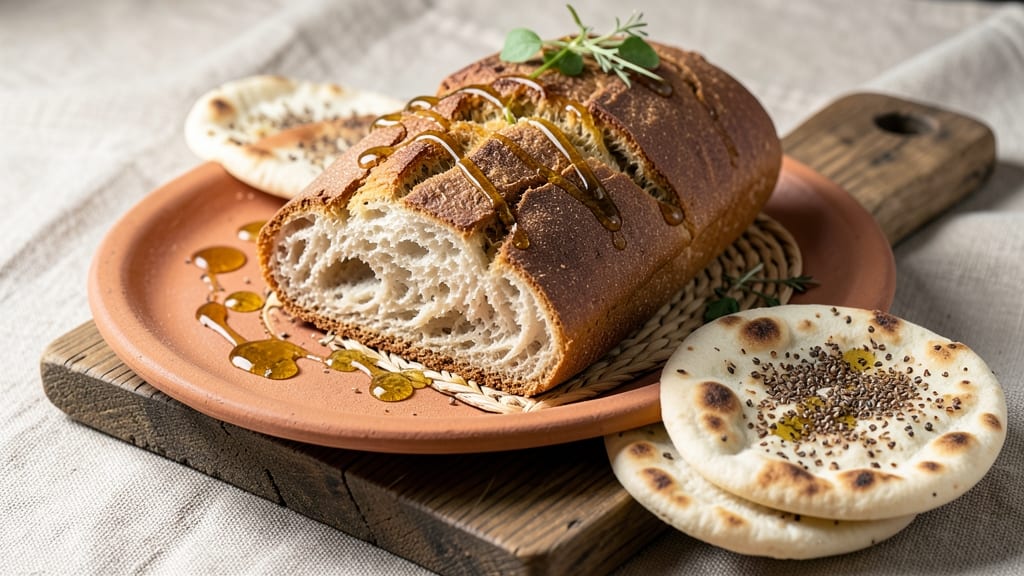
This ancient Egyptian bread recipe brings the flavors of the Nile to your kitchen with its crispy, golden edges and tender interior—just as it was baked thousands of years ago. 🌟 The secret lies in emmer wheat flour, a staple of the pharaohs, combined with just water and a touch of salt, creating a flatbread that’s both simple and deeply satisfying.
What makes this recipe special is the traditional baking method, which transforms humble ingredients into something extraordinary with minimal effort.
Unlike modern breads, this ancient flatbread requires no yeast or complex techniques—just a few basic ingredients and a hot surface to achieve that signature crispy texture. The process mirrors historical methods, where bread was baked quickly over open flames or hot stones, ensuring a perfect balance of crunch and softness.
This recipe stays true to its roots while being accessible for today’s home cooks, making it a fascinating blend of history and practicality.
By the time you pull this bread from the heat, you’ll have a crispy, golden flatbread with a slightly chewy center—just like the bread enjoyed by ancient Egyptians.
The simplicity of the ingredients doesn’t compromise on flavor; instead, it highlights the natural taste of emmer wheat, creating a bread that’s both rustic and refined. Pair it with honey, olive oil, or fresh figs for a taste of antiquity in every bite.
This recipe is perfect for those who love historical cooking or want to try something truly unique. The method is straightforward, and the ingredients are easy to find, making it an exciting project for both beginners and experienced bakers. Let’s bring a piece of ancient Egypt into your kitchen today.
Ingredients for ancient egypt bread
Four simple ingredients transform into crispy, golden flatbread straight from ancient Egypt's kitchens.
| Ingredient | Amount | Notes |
|---|---|---|
| Emmer Wheat Flour 🌾 | 2 cups | Coarse-ground for authentic texture |
| Water 💧 | 1 ¼ cups | Room temperature preferred |
| Sea Salt 🧂 | ½ tsp | Fine grain for even distribution |
| Olive Oil 🫒 | 2 tbsp | Extra-virgin for richness |
| Honey 🍯 | 2 tbsp | Raw honey for authentic flavor |
| Ground Cumin 🌿 | ½ tsp | Toasted for deeper aroma |
| Ground Coriander 🌿 | ½ tsp | Freshly ground preferred |
| Sesame Seeds 🌰 | 1 tbsp | Toasted for nutty crunch |
Emmer wheat flour is the heart of this recipe—King Arthur Flour or Bob's Red Mill carry it in bulk sections, but specialty stores like Whole Foods often stock it too. If you can't find emmer, whole wheat flour works in a pinch, though the texture will differ slightly. The flour should be coarse-ground for that authentic, rustic bite. For the honey, Manuka honey adds a unique depth, but any raw honey will do—just avoid the overly processed kind. Toast your sesame seeds in a dry pan for 2-3 minutes until fragrant; this step makes all the difference in flavor.
No emmer wheat flour? Substitute with whole wheat or spelt flour, though the texture won't be identical. Running short on honey? Date syrup or agave nectar mimics its sweetness, though the flavor won't be the same. The spices can be adjusted—skip the coriander if you dislike citrusy notes, or swap for extra cumin. For a nutty twist, add 1 tbsp crushed pistachios to the dough. If you're baking on a stovetop, ensure your pan is well-heated—this flatbread needs a hot surface to achieve that signature crisp.
Store any leftover dough in an airtight container for 2 days, though it's best used fresh. The baked flatbread keeps well for 3 days in a sealed container, though it loses some crispness over time. For longer storage, wrap individual pieces in parchment paper and freeze for up to 1 month. Reheat in a dry pan for 30 seconds per side to restore crispiness. Pair with olive oil and za'atar for a taste of ancient Egypt.
Why You'll Love This Recipe
- Four-Ingredient Magic: I swear by this—just flour, water, salt, and a drizzle of olive oil. That’s it. No yeast, no kneading, no waiting. The dough comes together faster than my coffee brews, and honestly? It’s the kind of simplicity that makes me feel like I’ve cracked an ancient secret.
- Crispy Honey Edge: Between us, that first bite with a golden crust and a whisper of honey? Ridiculously good. The emmer wheat gives it a nutty depth, while the honey adds this unexpected caramelized sweetness that makes it taste like a treat, not just bread. (Yes, even on a Tuesday night.)
- Meal Prep Hero: I bake a big batch on Sunday, slice it up, and it lasts all week—perfect for toast, wraps, or dunking in soup. The olive oil keeps it from drying out, so it’s fresh-tasting even after days. My kids grab it for school lunches without complaint (a win in my book).
- Budget Ancient Luxury: Emmer flour is affordable, and you use it sparingly—no waste. A little honey and olive oil stretch far, and the salt? Just a pinch. It’s bread that feels fancy without the grocery bill. Plus, it’s a great way to use up small amounts of pantry staples without overcommitting.
Step-by-step instructions for ancient Egyptian flatbread
Transform coarse emmer wheat into golden, crispy flatbread with this authentic method.
👨🍳 Step 1: Mix the Dough with Ancient Precision
In a large mixing bowl, combine the 2 cups emmer wheat flour with the 0.5 tsp sea salt and 0.5 tsp ground cumin. Create a well in the center and pour in the 1.25 cups water at room temperature. The dough will be thick and shaggy at first—that's normal with emmer wheat's higher protein content.
Gradually incorporate the 2 tbsp olive oil and 2 tbsp honey, mixing with a wooden spoon until just combined. The dough should hold together when pressed but still feel slightly sticky. Avoid overworking it—emmer wheat develops gluten quickly, making the bread tough. Sprinkle a pinch of flour only if needed to make handling easier.
🥘 Step 2: Knead and Rest for Optimal Texture
Turn the dough onto a lightly floured surface and knead gently for 3-4 minutes until smooth but still slightly rough. The texture should be firm but not elastic like modern wheat doughs. Shape into a round loaf and place it back in the bowl. Cover tightly with plastic wrap.
Let the dough rest at room temperature for 30 minutes—this crucial step allows the gluten to relax and the flavors to meld. The resting period also helps develop the bread's signature crispy exterior. I like to place a damp towel under the bowl to prevent the dough from drying out during this time.
🔥 Step 3: Divide and Shape Like Ancient Bakers
After resting, divide the dough into 4 equal portions (about ½ cup each). On a lightly floured surface, roll each portion into a ⅛-inch thick circle, about 6 inches in diameter. The key here is even thickness—press down gently with your palm to ensure consistent cooking later.
Sprinkle each flatbread with a pinch of the 0.5 tsp ground coriander and 1 tbsp sesame seeds, pressing them lightly into the surface. This creates the characteristic nutty crunch and aromatic depth found in ancient Egyptian breads. Cover with a damp towel to prevent drying while you prepare the cooking surface.
🔥 Step 4: Cook in Hot Oil for Perfect Crisp
Heat 2 tbsp olive oil in a large skillet over medium-high heat until shimmering but not smoking. Add one flatbread and cook for 2-3 minutes per side until golden brown with crisp edges and light brown spots. The oil should sizzle gently—if it's too hot, the bread will burn before crisping properly.
Transfer the cooked flatbread to a paper towel-lined plate to drain excess oil. Repeat with remaining flatbreads, adding more oil as needed (about 1 tbsp per batch). The bread should be crisp on the outside with a soft, slightly chewy interior. If any flatbreads seem undercooked, return them to the pan for 30 seconds to finish.
⏰ Step 5: Serve Immediately for Maximum Crisp
Serve the flatbreads warm, stacked slightly overlapping for presentation. The contrast between the crisp exterior and tender interior is what makes this bread so special. For an authentic touch, drizzle with a little extra honey or serve with a side of dates—just as they did in ancient Egypt.
These flatbreads are best enjoyed immediately while still crisp. If you need to store them, place between paper towels in an airtight container for up to 2 days. To revive, warm in a dry skillet over medium heat for 1 minute per side until crisp again. The crispy texture is what makes this bread truly authentic—don't skip the hot oil cooking step!
Pro Tips For Making Ancient Egypt Bread
- Mix by Hand: Emmer wheat flour is stubborn—skip the mixer. Knead it vigorously for 10 minutes by hand until it’s smooth and elastic. I learned this the hard way when my electric mixer turned the dough into a gummy mess. Your arms will thank you later, and the bread will rise properly.
- Hydrate the Flour: Emmer flour absorbs water differently than modern wheat. Add water gradually—about 60% of the flour’s weight—then let the dough rest for 30 minutes before shaping. Too much water now means a dense loaf; too little, and it won’t hold together.
- Salt the Water: Dissolve the sea salt directly in the water before mixing it with the flour. This ensures even distribution—no salty pockets or bland spots. I used to sprinkle it in later, and half the time, I’d forget or overdo it.
- Steam the Loaves: Place a shallow tray of water in the oven before baking, then cover the bread with a damp towel for the first 10 minutes. This mimics ancient Egyptian humidity and guarantees a crisp crust without burning. Yes, it’s an extra step, but the texture is worth it.
Best sauces and condiments for this dish
Honeyed Olive Oil
This simple yet transformative sauce mirrors what ancient Egyptians likely used to enhance their bread. Combine 2 tablespoons raw honey with 3 tablespoons extra-virgin olive oil and a pinch of sea salt.
Warm gently in a small saucepan over low heat for 2-3 minutes until the honey melts and the oil becomes fragrant. Drizzle over warm flatbreads for an authentic, slightly sweet contrast to the nutty crunch. 🍯
Spiced Yogurt Dip
For a creamy, cooling accompaniment, mix ½ cup plain yogurt (preferably goat yogurt for authenticity) with 1 teaspoon ground cumin, ½ teaspoon ground coriander, and a pinch of sea salt.
Add 1 tablespoon chopped fresh mint for brightness. Serve chilled with the flatbreads for dipping—this combination was popular in ancient Egyptian feasts. The yogurt softens the bread's crispness beautifully.
Date and Nut Paste
Create a sweet-savory paste by blending ½ cup pitted dates with 2 tablespoons toasted almonds and 1 teaspoon ground cinnamon in a food processor. Add 1 tablespoon olive oil to bind the mixture.
Spread this rich paste on warm flatbreads for a dessert-like treat or serve alongside savory dishes. Dates were a staple in ancient Egypt, and this paste adds a luxurious texture and natural sweetness.
Garlic and Za'atar
For a bold, aromatic pairing, combine 1 tablespoon toasted sesame seeds, 1 teaspoon dried thyme, ½ teaspoon sumac, and ½ teaspoon sea salt to make a simple za'atar blend. Crush 2 garlic cloves and mix with 2 tablespoons olive oil.
Drizzle this garlicky oil over the flatbreads and sprinkle with za'atar just before serving. The garlic adds depth, while za'atar brings a tangy, earthy note that ancient Egyptians would recognize. ✨
Fresh Fig Compote
Simmer 2 ripe figs, 1 tablespoon honey, and 1 tablespoon water in a small saucepan over low heat for 5 minutes until the figs soften and release their juices. Mash slightly with a fork and serve warm alongside the flatbreads.
Figs were cultivated in ancient Egypt and paired beautifully with bread as both a snack and a dessert. The compote’s natural sweetness complements the bread’s nutty, crispy texture perfectly.
Herbed Butter
For a richer option, soften 2 tablespoons unsalted butter and mix with 1 teaspoon chopped fresh parsley, ½ teaspoon lemon zest, and a pinch of sea salt. Spread on warm flatbreads or use as a topping for savory dishes.
While butter wasn’t commonly used in ancient Egypt, this modern twist adds a luxurious touch that still honors the tradition of enhancing bread with herbs and fat. The lemon zest brightens the earthy flavors of the flatbread. 🌿
Nutrition facts
Frequently asked questions
Why does this ancient Egyptian bread use emmer wheat instead of regular wheat?
Emmer wheat was the staple grain of ancient Egypt because it thrives in hot climates and has a higher protein content than modern wheat. Its coarse texture and nutty flavor create that signature crispy exterior and chewy interior. Regular wheat flour won't give you the same authentic texture—emmer's higher gluten content makes it behave differently during baking.
Can I make this bread without olive oil?
Yes, but the flavor will be less rich. Ancient Egyptians used animal fats like tallow when oil was scarce, but you can substitute with ghee or melted butter for a similar effect. If you're strictly plant-based, use avocado oil—it has a neutral taste that won't overpower the bread. Just remember, the oil is what creates that perfect crispy texture when cooking.
What's the best way to achieve the crispy texture like in ancient times?
The secret is cooking on a hot, dry surface—just like ancient bakers did over open flames. Use a cast-iron skillet heated to medium-high until smoking slightly, then cook for 2-3 minutes per side. If your pan isn't hot enough, the bread will steam instead of crisp. For extra authenticity, try baking on a preheated baking stone at 450°F for 3-4 minutes.
How did ancient Egyptians store their bread?
They stored bread in airtight clay jars or woven baskets lined with reeds to keep out moisture and pests. For modern storage, place your flatbreads between paper towels in an airtight container for 2-3 days. To preserve crispness longer, freeze individual pieces wrapped in parchment paper for up to 1 month. Reheat in a dry pan for 30 seconds per side to restore that ancient crisp.
Was honey really used in ancient Egyptian bread?
Not in the dough itself—honey was primarily used as a topping or sauce to enhance flavor. Ancient Egyptians valued honey for its sweetness and preservative qualities. The recipe includes honey in the dough here for moisture and subtle sweetness, but traditionally it would have been drizzled over finished bread or mixed with oils. For authenticity, try serving with a separate honey-olive oil dip instead.