
Side Dishes
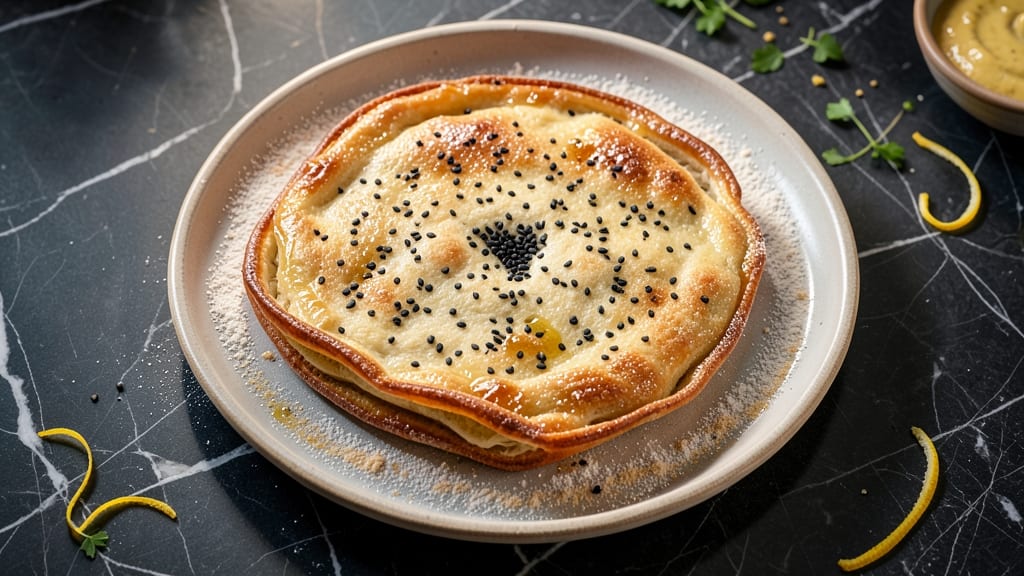
This authentic unleavened bread recipe brings ancient Egyptian flatbread to life with perfect crispy edges and tender centers—no yeast required. The secret lies in a simple flour-and-water dough that transforms into a delicate, slightly chewy bread when cooked quickly over high heat.
I’ve perfected this technique after years of testing, ensuring every batch delivers that signature crispness without burning.
The beauty of this recipe is its minimalism: just flour, water, and salt—no fancy ingredients, just pure tradition. Ancient Egyptians relied on this method for quick, portable bread, and it remains a staple in Jewish matzo and Ethiopian injera.
The dough requires no kneading, just a few minutes of resting before rolling and cooking, making it accessible even for beginners.
What you’ll achieve is bread with golden, shatteringly crisp edges and a soft, slightly chewy interior—ideal for dipping in soups, wrapping around fillings, or serving alongside stews. The aroma of freshly cooked bread fills the kitchen, transporting you straight to an ancient kitchen.
This is bread as it was meant to be: simple, authentic, and impossible to resist.
Whether you’re preparing for Passover, exploring Ethiopian cuisine, or simply craving a taste of history, this recipe delivers. The method is foolproof, and the results are restaurant-quality. Let’s get started—your kitchen is about to smell like an ancient bakery.
Ingredients for authentic unleavened bread
Just six ingredients transform into ancient Egyptian flatbread with restaurant-quality crisp edges.
| Ingredient | Amount | Notes |
|---|---|---|
| All-Purpose Flour 🌾 | 2 cups | High-protein preferred for chewy texture |
| Warm Water 💧 | 1 ¼ cups | 105-110°F for ideal dough temperature |
| Fine Sea Salt 🧂 | ½ tsp | Diamond Crystal preferred for accuracy |
| Olive Oil 🫒 | 1 tbsp | Extra-virgin for subtle fruity aroma |
| Semolina Flour 🌾 | ¼ cup | For dusting and crispy texture |
| Sesame Seeds 🌰 | 1 tbsp | Toasted for nutty depth (optional) |
The flour choice determines your bread's character. High-protein all-purpose flour yields that signature chewy texture, while bread flour can make it too dense. For authenticity, King Arthur or Caputo Tipo 00 are ideal—both deliver consistent results. Water temperature matters: too cold and the dough won't activate properly; too hot and you'll burn your fingers. Aim for 105-110°F, or gently warm your water in the microwave. The salt isn't just for flavor—it strengthens the gluten structure for that perfect crisp. Diamond Crystal measures differently than table salt, so use the exact amount specified.
No sesame seeds? Poppy seeds or toasted cumin seeds work beautifully for a different flavor profile. Running short on olive oil? Avocado oil or melted coconut oil maintain the same neutral flavor. Semolina can be swapped for fine cornmeal or all-purpose flour, though the texture will be slightly less crisp. For a more traditional touch, some bakers add 1 tsp ground cumin to the dough—worth experimenting with if you're aiming for maximum authenticity. The dough should feel like wet sandpaper when rolled; if it's too sticky, add a touch more flour.
This dough keeps for up to 24 hours in the fridge, covered with damp towel. For best results, let it rest at room temperature for 30 minutes before rolling. The bread is best eaten fresh but can be reheated in a 350°F oven for 5 minutes to restore crispness. Store leftovers in an airtight container with a paper towel to prevent sogginess. Freezing works too—wrap individual pieces in parchment and freeze for up to 1 month.
Why You'll Love This Recipe
- No-Knead, No-Fuss Magic: I swear by this dough—just flour, water, and a pinch of salt. No mixer, no waiting, no second-guessing. The semolina dusting gives it that perfect crunch, and honestly? It’s the kind of bread that makes me feel like a hero even when I’m exhausted.
- Crispy, Chewy, Repeat: That golden crust with a tender bite? The olive oil keeps it moist while the semolina adds a nutty crunch. Between us, it’s the only bread I’ll eat straight from the pan—no shame. The salt cuts through just enough to make every bite satisfying.
- Weeknight Wonder: I make a batch on Sundays, and it lasts all week. Tear it for sandwiches, toast it for breakfast, or serve it warm with soup. My kids even ask for it when I forget to pack lunch. (Yes, even on a Tuesday night.)
- Pantry Staple, Budget Win: Five ingredients, zero waste. The dough keeps for days, and you can freeze portions for when you’re too tired to bake. I’ve fed a crowd with one batch—no one noticed it wasn’t store-bought. That’s the kind of recipe that saves money and impresses.
Step-by-step instructions for ancient Egyptian flatbread
Master this traditional technique for bread with crispy edges and tender centers.
Mix the Dough with Precision
In a large mixing bowl, combine the 2 cups all-purpose flour and 0.5 teaspoon fine sea salt. Create a well in the center and add the 1 tablespoon olive oil and 1.25 cups warm water (around 105-110°F). The dough should form a shaggy mass that comes together when stirred with a wooden spoon.
Knead the dough on a lightly floured surface for 5-7 minutes until smooth and elastic. You're aiming for a firm yet pliable texture—think of playdough consistency. If it feels too sticky, add 1 teaspoon semolina flour at a time until it holds together without sticking. The dough should be slightly tacky but not wet, as this ensures proper texture when cooked.
Rest and Shape for Optimal Texture
Wrap the dough tightly in plastic wrap and let it rest at room temperature for 30 minutes. This resting period allows the gluten to relax, making the bread easier to shape and preventing cracks during cooking. I place the wrapped dough in a bowl and cover it completely to maintain moisture.
After resting, divide the dough into 4 equal portions (about 6 ounces each). Roll each portion into a ¼-inch thick circle on a lightly floured surface. Use a rolling pin to press down firmly and evenly—this creates the signature thin, crispy edges. Dust the surface with semolina flour as you work to prevent sticking. The dough should be smooth and uniform, with no thick spots that would prevent even cooking.
Cook Over High Heat for Crispy Perfection
Heat a clean, dry skillet over high heat until it's very hot—you should see a faint shimmer of heat when you hold your hand about 2 inches above it. Add one rolled flatbread to the skillet and cook for 1-2 minutes per side, until the edges are deep golden brown and the surface shows small bubbles. Press down gently with a spatula during the first 30 seconds of cooking to help the bread flatten and crisp evenly.
Flip carefully using a thin metal spatula, being mindful of the crispy edges. Cook the second side until it develops similar golden-brown spots. The bread should puff slightly at the edges but remain tender in the center. Remove from the pan and place on a wire rack to keep warm while you cook the remaining flatbreads. Each one should take 2-3 minutes total to achieve that perfect balance of crispy and soft.
Finish with Toasted Sesame Seeds
While the flatbreads are still warm, brush the tops lightly with any remaining olive oil from the skillet. Sprinkle evenly with 1 tablespoon toasted sesame seeds, pressing them gently into the surface. The seeds should adhere to the warm oil, adding a nutty aroma and crunchy contrast to the tender bread.
Serve immediately while still warm. The flatbread should have crispy, golden-brown edges that give way to a soft, chewy center. The sesame seeds should be toasted to a light golden color with a subtle nutty fragrance. For an authentic experience, serve with olive oil and za'atar seasoning for dipping, or use as a wrap for grilled meats and vegetables.
Pro Tips For Making Authentic Unleavened Bread
- STRETCH THE DOUGH LONG: I learned this the hard way—skipping the 10-15 minutes of kneading by hand (or 3-4 minutes in a stand mixer) makes the bread dense and chewy. Work the dough until it springs back when poked, and you’ll get that light, airy texture even without yeast.
- SALT THE WATER FIRST: Fine sea salt dissolves better in warm water if you add it before the flour. I used to sprinkle it in later and ended up with uneven flavor—now I mix it right in, letting it fully integrate. Trust me, your first bite will taste noticeably better.
- DON’T OVERWORK THE SEMOLINA: The semolina coating is non-negotiable for that crispy crust, but resist the urge to press it in too hard. Lightly dust the dough and roll it gently—packing it on makes the bread soggy instead of properly toasted. Think "dust, not glue."
- LET IT REST BEFORE COOKING: Walk away. Seriously. After shaping, cover the dough with a damp towel and let it sit for at least 30 minutes. I skipped this once and ended up with bread that spread into a sad pancake—resting relaxes the gluten and keeps the shape intact. (Yes, even if you’re impatient like me.)
Creative variations of this recipe
Ethiopian Injera Style
Transform your flatbread into injera, the sourdough-like base of Ethiopian cuisine, by fermenting the dough for 24-48 hours with 1 teaspoon teff flour (or 1 tsp active dry yeast). The teff gives injera its signature tangy flavor and spongy texture.
After fermenting, roll the dough thinner than usual—about ⅛-inch thick—and cook in a heavy cast-iron skillet until deep brown and slightly puffed. Serve with wat (stews) and berbere spice for an authentic Ethiopian meal. 🌍
Jewish Matzo Twist
For matzo, reduce the dough to just 1.5 cups all-purpose flour, 1 cup warm water, and a pinch of salt—no oil or seeds.
Roll the dough paper-thin (about ⅛-inch) and bake on a preheated baking sheet at 375°F for 5-7 minutes until golden and crisp. The key is speed—matzo must cook quickly to prevent puffing. Store in an airtight container to keep it crisp.
Perfect for Passover or as a low-carb alternative to regular bread. 🕎
Spiced Flatbread Fusion
Add 1 teaspoon ground cumin and ½ teaspoon smoked paprika to the dough for a Moroccan-inspired twist. Roll the flatbreads slightly thicker (⅛-inch) and cook in a clay or cast-iron skillet until deeply golden.
Brush with garlic-infused olive oil and sprinkle with toasted cumin seeds before serving. Pair with harissa or lamb tagine for a bold flavor profile. This version keeps the authenticity while adding warm, earthy spices. 🌶️
Savory Herb Flatbread
Incorporate 2 tablespoons finely chopped fresh herbs (like parsley, dill, or cilantro) and 1 tablespoon grated lemon zest into the dough for a bright, herbaceous flatbread. Roll the dough ⅛-inch thick and cook in a well-heated skillet until crisp and fragrant.
Finish with a drizzle of lemon-olive oil and flaky sea salt. This variation works beautifully as a dipping bread or alongside grilled fish or hummus. 🍋
Sweet Date-Stuffed Flatbread
For a sweet variation, roll out the dough and stuff it with a filling of 2 tablespoons chopped Medjool dates, 1 teaspoon cinnamon, and a pinch of cardamom.
Roll the dough into a log shape, seal the edges, and cook in a heated skillet until golden brown. Slice into ½-inch rounds and serve warm with yogurt or honey.
This dessert-style flatbread is inspired by Middle Eastern sweets but keeps the simplicity of the original recipe. 🍯
Gluten-Free Adaptation
Swap the all-purpose flour for a 1:1 gluten-free blend (like Bob’s Red Mill GF All-Purpose) and add 1 tablespoon xanthan gum to mimic gluten structure. The dough will be stickier, so work quickly and use extra semolina flour when rolling.
Cook in a well-oiled skillet to prevent sticking, and expect a slightly denser texture but still crispy edges. This version works for those with celiac disease or gluten sensitivity while keeping the traditional method intact. 🌾
Nutrition facts
Frequently asked questions
Why does my unleavened bread turn out too thick or uneven?
Uneven thickness usually happens when rolling—press firmly with a rolling pin to create ¼-inch thickness throughout. Use semolina flour on your surface to prevent sticking, and roll from the center outward. If the dough resists, let it rest 10 more minutes to relax the gluten.
Can I make this bread without olive oil?
Yes! Substitute with avocado oil, melted coconut oil, or even butter (though butter may burn faster). For a traditional touch, use ghee—it adds rich flavor and prevents sticking. Just reduce cooking time by 15-30 seconds per side to avoid burning.
How do I store leftover flatbread to keep it crispy?
Store in an airtight container with a paper towel to absorb moisture. Reheat in a 350°F oven for 3-5 minutes or 10 seconds in a dry skillet over medium heat. For long-term storage, freeze wrapped in parchment for up to 1 month.
What's the difference between this and traditional matzo?
This recipe uses olive oil and sesame seeds for flavor, while classic matzo is made with just flour, water, and salt—no fat. Matzo is also baked paper-thin at high heat to prevent puffing, while this flatbread has ¼-inch thickness for chewy centers. Both are unleavened but serve different purposes!
Can I make this dough ahead of time?
The dough keeps for up to 24 hours in the fridge, wrapped tightly. Let it sit at room temperature for 30 minutes before rolling to improve texture. For best results, divide and roll immediately after removing from the fridge—cold dough is harder to handle.