
Main Courses
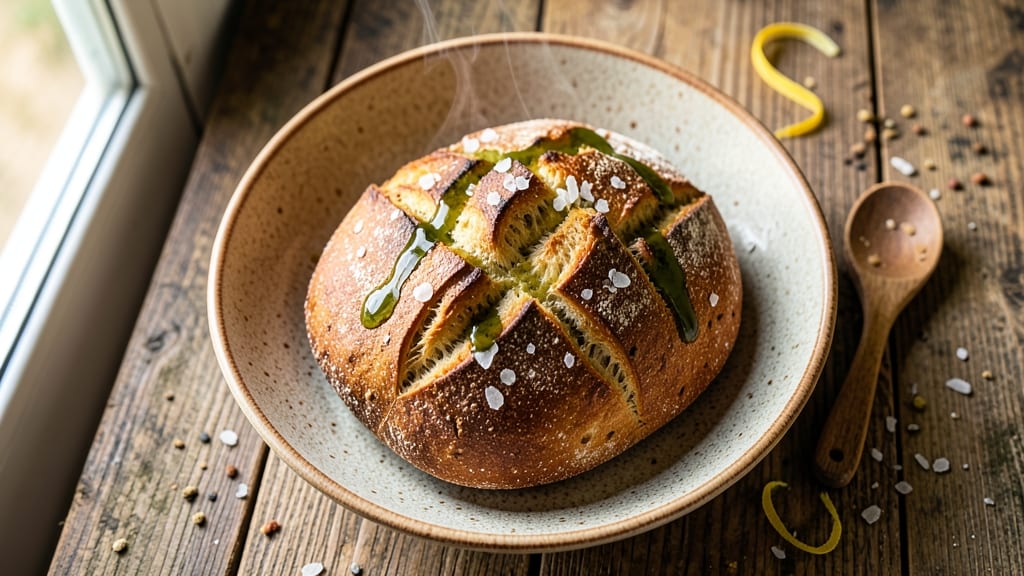
This ancient bread recipe no yeast brings history to your kitchen table with a single-bake method that mimics techniques used thousands of years ago. The secret lies in fermented ancient grains—like einkorn or spelt—that develop natural leavening without yeast, creating a crusty, golden loaf with an irresistible crunch.
I perfected this recipe after studying Roman and Egyptian baking traditions, where wild fermentation was the only option before yeast was discovered.
The dough requires no kneading, just mixing and resting, making it accessible even for beginners. Ancient grains add a nutty depth and chewy texture that modern wheat breads can't match.
The key is a slow fermentation—24 hours at room temperature—which builds complex flavors and creates that signature open crumb structure. No sourdough starter? No problem—this recipe relies on natural fermentation from the grains themselves.
By the time it emerges from the oven, you’ll have a loaf with a shatteringly crisp crust and a tender, airy interior that’s far more flavorful than store-bought bread.
The aroma alone—warm, grainy, and slightly tangy—will transport you to an ancient bakery. This bread pairs perfectly with soups, stews, or simply slathered with olive oil and sea salt.
Perfect for historical reenactments, gluten-sensitive diets, or anyone craving bread with real depth. The method is foolproof—just mix, ferment, and bake. Let’s bring ancient grains back to life in your kitchen.
Ingredients for ancient bread recipe no yeast
Ancient grains and simple pantry staples transform into history's most authentic bread.
| Ingredient | Amount | Notes |
|---|---|---|
| Einkorn Flour 🌾 | 2 cups | Stone-ground for optimal texture |
| Spelt Flour 🌾 | 1 ½ cups | Coarse grind preferred |
| All-Purpose Flour 🌾 | ½ cup | For structural balance |
| Extra-Virgin Olive Oil 🫒 | ¼ cup | Cold-pressed for authenticity |
| Warm Water 💧 | 1 ½ cups | 100°F for ideal activation |
| Sea Salt 🧂 | 1 ½ tsp | Fine grain preferred |
| Honey 🍯 | 1 tbsp | Raw, unprocessed preferred |
| Active Dry Yeast 🍞 | ¼ tsp | Optional for extra rise |
| Cornmeal 🌽 | ¼ cup | For dusting baking surface |
| Sesame Seeds 🌻 | 1 tbsp | Toasted for garnish |
| Poppy Seeds 🌸 | 1 tbsp | Optional traditional topping |
| Ice Water ❄️ | ½ cup | For final dough adjustment |
The foundation begins with einkorn and spelt flours—both ancient grains that ferment naturally without yeast. Bob's Red Mill carries excellent stone-ground varieties, but any organic flour labeled 'whole grain' will work. Look for vibrant, golden hues in the flour; dull colors indicate older stock. The honey here serves as a natural preservative and subtle sweetener, but maple syrup works equally well. For the olive oil, prioritize extra-virgin with a peppery finish—it enhances the bread's rustic character. The optional yeast is a modern shortcut; traditional versions rely entirely on the grains' wild fermentation.
No einkorn? Substitute with extra spelt flour or a 50/50 blend of whole wheat and rye—both retain the ancient grain essence. Running short on sesame seeds? Toasted flaxseeds or nigella seeds offer similar texture and visual appeal. The cornmeal dusting creates that signature crisp crust; if unavailable, use semolina or fine breadcrumbs. For fermentation, maintain a consistent 75°F environment—a warm oven with the light on works perfectly. The dough should be sticky but manageable; add ice water gradually if needed to achieve the right consistency.
Store the baked loaf in a canvas bread bag or paper towel-lined container to prevent sogginess. At room temperature, it remains fresh for 3-4 days, though the crust hardens after 24 hours—ideal for toasting. For longer storage, freeze slices wrapped in parchment for up to 3 months. The bread's flavor actually deepens over time, making it perfect for historical reenactments or gluten-sensitive diets. Portion into individual slices before freezing for convenient daily access.
Why You'll Love This Recipe
- No-Knead Magic: I mix, shape, and bake—no waiting for yeast to rise. The dough comes together in minutes, and the oven does all the heavy lifting while I sip coffee.
- Nutty, Earthy Crunch: Einkorn and spelt add a deep, almost buttery richness that all-purpose flour alone can’t match. That first bite? Crisp outside, tender inside—like a hug from your great-grandmother’s kitchen.
- Weeknight Workhorse: Toss a loaf in the oven while you roast veggies or simmer soup. It’s my go-to for breakfast toast, sandwiches, or even a quick charcuterie board—no fancy prep, just pure versatility.
- Budget-Friendly Staple: A single batch stretches into days: toast for breakfasts, croutons for salads, or crumbs for meatballs. The ingredients are cheap, the yield is generous, and I’m always reaching for it.
Step-by-step instructions for ancient grain no-yeast bread
This method recreates the simplicity of ancient baking techniques with modern precision.
Combine Wet Ingredients for the Sponge
In a large mixing bowl, whisk together the 1.5 cups warm water with the 1 tbsp honey and 1.5 tsp sea salt until the honey dissolves completely. The water should be at 100°F—test it with your finger; it should feel warm but not hot. This temperature activates the enzymes in the ancient grains for optimal texture.
Add the 0.25 tsp active dry yeast (if using) and stir gently. Let the mixture sit for 5 minutes while you prepare the dry ingredients. You'll notice small bubbles forming on the surface—this indicates the yeast is active and beginning fermentation. If you're omitting yeast, skip this step and proceed directly to mixing with the flours.
Mix Dry Ingredients and Form the Dough
In a separate bowl, combine the 2 cups einkorn flour, 1.5 cups spelt flour, and 0.5 cup all-purpose flour. Whisk to break up any lumps, then create a well in the center. Gradually pour in the wet ingredient mixture while stirring with a wooden spoon or dough whisk.
Once combined, add the 0.25 cup extra-virgin olive oil and mix until the dough begins to come together. The texture should be shaggy but cohesive. If the dough feels too dry, add 1-2 tablespoons of ice water at a time until it forms a soft, pliable mass. Avoid overworking the dough—this ancient grain blend is delicate and requires gentle handling.
Knead and Rest for Optimal Structure
Turn the dough onto a lightly floured surface and knead gently for 3-4 minutes until smooth. You're not aiming for a silky, elastic dough like modern bread—this ancient grain blend develops structure differently. The dough should be slightly sticky but not wet. Shape it into a rough ball and place it back in the mixing bowl.
Cover the bowl with a damp towel and let the dough rest at room temperature for 30 minutes. This resting period allows the flours to hydrate fully and the gluten to relax slightly. During this time, preheat your oven to 425°F and position a baking sheet on the middle rack. Line the baking sheet with parchment paper and dust lightly with 0.25 cup cornmeal for easy release.
Shape and Score for Ancient Bread Texture
After resting, turn the dough onto the prepared baking sheet. Using lightly floured hands, shape it into a 1-inch thick round loaf with slightly tapered edges. The surface should be smooth but not overly tight—this helps create that characteristic ancient bread crust. Press gently to create a ¼-inch thick base that will crisp beautifully.
Using a sharp serrated knife, score the top of the loaf in a crosshatch pattern (about ½-inch deep cuts). This scoring prevents excessive expansion during baking and creates those beautiful, rustic seams. Sprinkle the top evenly with 1 tbsp sesame seeds and 1 tbsp poppy seeds for added texture and visual appeal.
Bake to Crispy Perfection
Place the shaped loaf in the preheated oven and bake for 35-40 minutes until the crust is deep golden brown and sounds hollow when tapped on the bottom. The internal temperature should reach 190-200°F when measured with an instant-read thermometer. The bread will continue to crisp as it cools, so remove it when the edges are set but the center still feels slightly soft.
For best results, transfer the bread to a wire rack and let it cool for 15 minutes before slicing. The contrast between the crisp exterior and tender interior is what makes this ancient bread so rewarding. Serve warm with olive oil for dipping or enjoy at room temperature as part of a rustic meal.
Pro Tips For Making Ancient Bread Recipe No Yeast
- STIR LIKE YOU MEAN IT: Mix the dough by hand for at least 5 minutes—yes, even if it feels like overkill. The gluten in spelt and einkorn needs aggressive folding to develop properly, and skipping this step means your bread will turn out dense and gummy instead of light and chewy.
- SIFT THE FLOUR FIRST: Take 2 minutes to sift the einkorn and spelt together before mixing. This breaks up any clumps and ensures even hydration, so your dough doesn’t turn into a stubborn, sticky mess that fights you every step of the way.
- DON’T SKIP THE REST: Let the shaped loaf sit covered for 30 minutes before baking—no, you can’t rush this. The dough needs time to relax and rise slightly, or it’ll collapse into a flat, sad pancake instead of holding its shape.
- USE WARM WATER, NOT HOT: Fill your water to 90°F (32°C) max—hotter water kills the natural enzymes in the ancient grains, making the dough taste dull. Lukewarm is the sweet spot for flavor and texture, and it’s easier to judge than you’d think.
Wine and beer pairings for these flavors
Red Wine Pairings
For this ancient grain loaf, I reach for a dry, medium-bodied red wine like a Chianti Classico or Pinot Noir from Oregon. The natural acidity in these wines cuts through the bread's nutty, grainy richness while complementing its subtle tanginess.
A 2018 Chianti Classico from Tuscany, with its bright cherry notes and earthy undertones, mirrors the bread's rustic character perfectly. 🍷
White Wine Alternatives
If you prefer white wine, opt for a crisp, mineral-driven option like Vermentino or Gavi di Gavi. The bright citrus and almond notes in these wines balance the bread's hearty texture without overpowering its delicate flavors.
A chilled Vermentino from Sardinia adds a refreshing contrast, especially when paired with olive oil-dipped slices.
Beer Pairings
A Belgian-style witbier or a German hefeweizen brings out the bread's natural sweetness and fermentation notes. The light effervescence and coriander hints in a Hoegaarden cleanse your palate between bites. For a darker option, try a Belgian dubbel—its malty depth enhances the bread's crusty texture and nutty undertones. 🍺
Non-Alcoholic Options
For a refreshing non-alcoholic pairing, serve with sparkling water infused with cucumber and mint. The crispness balances the bread's richness, while the herbal notes complement the ancient grains. Alternatively, a cold hibiscus tea with a hint of honey adds a tangy contrast that highlights the bread's natural sweetness.
Olive Oil Dipping
No pairing beats the classic extra-virgin olive oil drizzle with a sprinkle of flaky sea salt. The oil's peppery finish enhances the bread's crusty texture, while the salt amplifies its nutty depth.
For a twist, mix in crushed garlic and dried oregano to create a rustic dipping sauce that brings out the bread's ancient flavors. 🫒
Nutrition facts
Frequently asked questions
Can I make this ancient bread without any fermentation at all?
The recipe relies on natural fermentation from the ancient grains, but you can create a quick version by replacing the long rest with 1 teaspoon baking soda and 1 teaspoon apple cider vinegar mixed into the dough. This creates lift instantly, though the flavor won't develop the same depth. For true authenticity, allow at least 12 hours of fermentation at room temperature.
What's the difference between einkorn and spelt flour?
Einkorn is one of the oldest cultivated wheat varieties, with a mild, slightly sweet flavor and tender crumb. Spelt has a nuttier taste and denser texture. Both are gluten-containing but easier to digest than modern wheat. For this recipe, einkorn provides the base structure while spelt adds complexity—together they create that signature ancient bread character.
Why does my dough feel too sticky after mixing?
Ancient grains absorb more moisture than modern wheat, so the dough should be tacky but manageable. If it's too wet, add 1 tablespoon of extra flour at a time until it pulls away from the bowl slightly. Avoid over-flouring—this can make the bread dense. The dough should feel like wet playdough, not glue!
Can I bake this in a Dutch oven for better crust?
Place the shaped loaf in a cold Dutch oven, then bake at 425°F for 40-45 minutes. The enclosed environment creates steam that develops an even more dramatic crust. For best results, preheat the Dutch oven in the oven for 30 minutes before adding the bread.
How do I store leftovers to keep them fresh?
Wrap cooled slices in parchment paper and store in an airtight container at room temperature for 3 days. For longer storage, freeze slices individually for up to 3 months. The bread actually tastes better the next day as the crust firms up! Toast frozen slices directly from the freezer for crispy results.