
Side Dishes
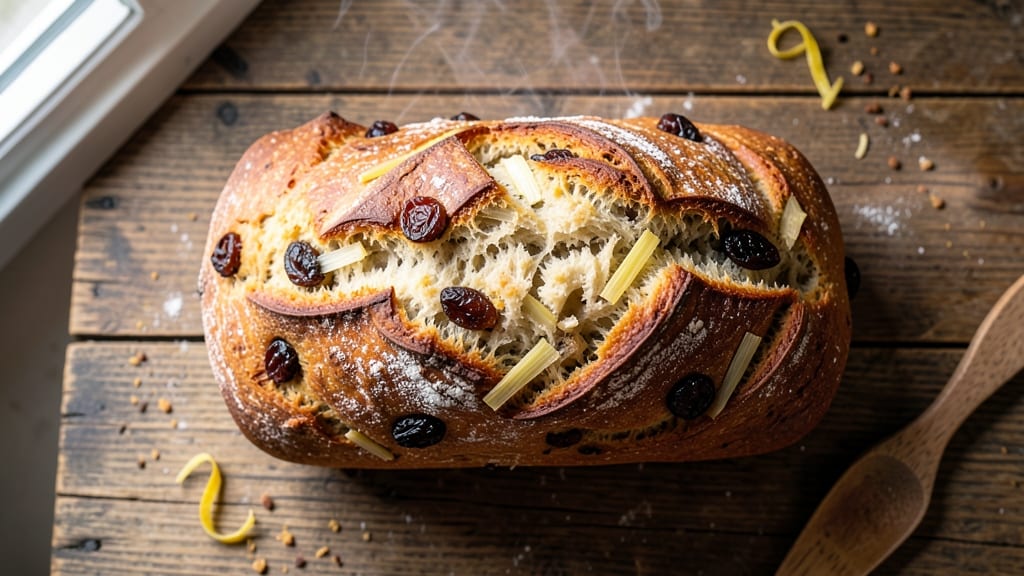
This is Amy's raisin fennel bread recipe, delivering a loaf that's perfect for sandwiches, sides, or toast—with a warm, aromatic blend of sweet raisins and earthy fennel seeds that creates a texture you won't find in store-bought bread. I developed this after years of baking, balancing sweetness and savory notes for a loaf that's both hearty and delicate. The fennel seeds add a subtle licorice warmth, while the raisins provide bursts of chewy sweetness in every bite.
The secret to this bread lies in the dough's hydration and the slow fermentation, which develops deep flavor without making the bread dense. You'll work with a slightly sticky dough that requires patience—letting it rise twice ensures a light, airy crumb with a crisp crust.
The addition of poppy seeds and orange zest adds complexity, making this more than just a side dish but a centerpiece for any meal.
By the time it emerges from the oven, you'll have a loaf with a golden-brown crust, a tender crumb studded with plump raisins, and a subtle anise-like aroma from the fennel seeds.
It's perfect for slicing thick for sandwiches, serving alongside soups, or even enjoying plain with butter. The flavor improves over a few days, making it ideal for meal prep.
For those with dietary needs, this recipe can easily be adapted—swap all-purpose flour for a gluten-free blend, or use a vegan butter substitute for the dough. The structure holds up well to variations, proving that even classic recipes can be made inclusive without sacrificing flavor.
Ingredients for amy's raisin fennel bread
Eight simple ingredients transform into a fragrant loaf with chewy raisins and licorice-spiced crunch.
| Ingredient | Amount | Notes |
|---|---|---|
| All-Purpose Flour 🌾 | 5 cups | Sifted for even texture |
| Active Dry Yeast 🍞 | 2 ¼ tsp | Freshly opened packet |
| Granulated Sugar 🍚 | ½ cup | White or light brown |
| Unsalted Butter 🧈 | ½ cup | Cold, cubed for dough |
| Whole Milk 🥛 | ¾ cup | Room temperature |
| Large Eggs 🥚 | 1 whole | Room temperature |
| Raisins 🍇 | 1 ½ cups | Plump, soaked in warm water |
| Fennel Seeds 🌿 | 2 tbsp | Lightly toasted for aroma |
| Poppy Seeds 🥜 | 2 tbsp | For crunchy texture |
| Orange Zest 🍊 | 1 tbsp | From organic orange |
| Diamond Crystal Kosher Salt 🧂 | 1 ½ tsp | For dough and topping |
| Cornmeal 🌽 | ¼ cup | For dusting pan |
The fennel seeds are the secret—toast them in a dry pan for 30 seconds to wake up their aroma before adding to the dough. Trader Joe's carries them pre-ground, but whole seeds give better texture. Raisins? Soak them in warm water for 10 minutes before adding to the dough—they'll plump up and stay juicy. For the flour, I always grab King Arthur brand—it's got that perfect protein balance for bread. If you're gluten-free, swap for a 1:1 blend like Bob's Red Mill.
No fennel seeds? Anise seeds or star anise work in a pinch (use half the amount), but the flavor won't be identical. Short on raisins? Dried cranberries or chopped dates add different but delicious complexity. The orange zest can be swapped for lemon, but orange pairs beautifully with the fennel. For the butter, European-style works best—it's higher in fat and gives a richer crust. And if your dough feels too sticky? Add 1 tbsp more flour—this recipe is forgiving.
This dough needs patience—let it rise until doubled (about 1-2 hours), then shape, proof again, and bake. The bread keeps well for 3-4 days wrapped in a towel at room temperature. For longer storage, freeze slices wrapped in parchment—toast straight from frozen for best texture. The flavor actually improves over time, so make extra if you can. Leftovers make amazing French toast the next morning.
Why You'll Love This Recipe
- No-Knead Magic: I swear by this dough—just mix, let it rise, and bake. No stand mixer, no fuss, just hands-on simplicity with those basic pantry staples (flour, yeast, butter). Honestly, the only "work" is waiting, and the bread practically bakes itself.
- Fennel-Raisin Symphony: That warm, licorice-like fennel paired with plump raisins? It’s like a hug in bread form. The butter and milk give it a tender crumb, while the raisins add just enough sweetness to balance the earthy fennel—trust me, it’s the kind of flavor that lingers.
- Breakfast to Brunch: This bread is my lazy weekend hero. Toast it for breakfast with jam, slice it for charcuterie boards, or even use it to soak up soup broth. Between us, it’s the one loaf that does it all without needing a fancy occasion.
- Budget-Friendly Staple: Flour, yeast, butter—these are ingredients you already own. No specialty items, no last-minute grocery runs. Plus, a single batch feeds my family for days: toast, sandwiches, or even crumbs for meatballs. It’s my wallet’s best friend.
Step-by-step instructions for Amy's raisin and fennel bread
Here's how to create a wonderfully spiced loaf with a perfect balance of sweet raisins and aromatic fennel.
Activate the Yeast and Mix the Dough
In a small bowl, combine the 0.75 cup whole milk (warm to about 110°F, but not hot), 0.5 cup granulated sugar, and 2.25 tsp active dry yeast. Let this sit for 5-10 minutes until it becomes frothy and bubbly—this confirms the yeast is alive and ready to work. If it doesn't bubble, your yeast might be old or the milk too hot.
In a large mixing bowl, whisk together the 5 cups all-purpose flour and 1.5 tsp diamond crystal kosher salt. Make a well in the center and pour in the yeast mixture along with the 1 whole large egg and 0.5 cup unsalted butter (cold and cubed). Using a wooden spoon or your hands, mix until a shaggy dough forms. The butter should be incorporated but still visible in chunks.
Knead the Dough Until Smooth
Turn the dough onto a lightly floured surface and knead for 8-10 minutes until it becomes smooth and elastic. You'll know it's ready when it springs back slowly when poked. If the dough feels sticky, add a little more flour, but don't overdo it—too much flour can make the bread dense. I like to work in stages, folding the dough over itself and pressing down firmly to develop the gluten.
Place the dough back in the bowl, cover it with a clean kitchen towel, and let it rise in a warm spot for 1-1.5 hours or until it doubles in size. The kitchen should feel warm and slightly humid—this helps the dough rise evenly. If your kitchen is cold, place the bowl near a warm oven with the light on to create a cozy environment.
Prepare the Raisins and Fennel Seeds
While the dough rises, prepare the 1.5 cups raisins by soaking them in warm water for 10 minutes to plump them up. Drain and pat them dry with a paper towel—this prevents a soggy loaf. In a small skillet over low heat, lightly toast the 2 tbsp fennel seeds for 1-2 minutes until fragrant. Let them cool completely before adding them to the dough.
In a small bowl, combine the toasted fennel seeds, 2 tbsp poppy seeds, and 1 tbsp orange zest. This mix will add depth of flavor and a delightful crunch to every bite. Keep this mixture handy—you'll add it to the dough in the next step.
Shape and Proof the Dough
Once the dough has risen, punch it down gently to release the air. On a lightly floured surface, roll the dough into a rectangle about 12x16 inches. Sprinkle the prepared raisin and seed mixture evenly over the dough, then roll it up tightly like a log, sealing the seam. This creates a beautiful spiral pattern and ensures the filling is evenly distributed.
Place the shaped dough seam-side down in a greased 9x5-inch loaf pan (I use a bit of the 0.25 cup cornmeal mixed with a little oil for extra crispiness). Cover the pan with a towel and let it rise for another 30-45 minutes until it puffs up and fills about 2/3 of the pan. The dough should feel springy when pressed lightly with a finger.
Bake to Golden Perfection
Preheat your oven to 375°F. Brush the top of the dough with a little water or milk to help it brown beautifully. Bake for 30-35 minutes until the bread is golden brown and sounds hollow when tapped on the bottom. If the top browns too quickly, tent it loosely with foil to prevent over-browning.
Remove the bread from the oven and let it cool in the pan for 10 minutes. Then transfer it to a wire rack to cool completely. The aroma of warm raisin and fennel bread will fill your kitchen—worth every minute of waiting! Slice it while still slightly warm for the best texture, and enjoy with a cup of tea or coffee.
Pro Tips For Making Amy'S Raisin Fennel Bread
- Bloom the yeast in warm milk: DESCRIPTION: Skip the water—yeast wakes up faster in warm whole milk (about 110°F). The fat and natural sugars give it a head start, and your dough will rise smoother. I used to use lukewarm water, but the milk version cuts the first rise time by nearly 20 minutes—no exaggeration.
- Soften butter properly: DESCRIPTION: Cold butter makes tough bread. Rub it between your fingers until it’s just pliable, not melted—about 65°F. I learned this after kneading a batch where the butter stayed too firm, and the crumb turned dense. Room temp works, but this method guarantees even distribution without waiting.
- Fold in raisins last: DESCRIPTION: Add those plump raisins after the first rise, when the dough is tender. They’ll soak up less moisture and stay juicy instead of turning into sad, dry lumps. I used to toss them in early, and half the time they’d turn to mush by baking.
- Score before preheating: DESCRIPTION: Slash the loaf after the oven hits 375°F but before baking. A sharp knife (or lame) lets steam escape cleanly, giving you that crisp crust. I waited once, and the bread split unevenly—now I preheat, then score immediately. No second-guessing.
Health benefits of this recipe
Whole Grain Benefits
This recipe uses all-purpose flour, but you can boost its nutritional profile by substituting up to 25% with whole wheat or rye flour. Whole grains provide dietary fiber (about 4 grams per slice), which supports digestive health and helps maintain steady blood sugar levels.
The fiber also keeps you full longer, making this bread a great choice for balanced meals. 💪
Natural Sweetness
The 1.5 cups of raisins in this bread offer a natural sugar source without refined ingredients. Raisins are packed with iron (about 1.5mg per serving) and calcium, which are essential for bone health and energy levels.
They also contain antioxidants like polyphenols, which help combat oxidative stress in your body. I always soak them first to enhance their natural sweetness and texture.
Fennel’s Digestive Aid
The 2 tablespoons of fennel seeds aren’t just for flavor—they’re a digestive powerhouse! Fennel contains anethole, a compound that helps soothe stomach discomfort and reduce bloating. It also acts as a natural anti-inflammatory, which can be especially helpful after heavy meals.
Lightly toasting the seeds before adding them to the dough intensifies their aroma and digestive benefits. 🌿
Protein for Muscle Repair
While bread isn’t typically a protein powerhouse, this recipe includes whole milk, eggs, and butter, which contribute about 6 grams of protein per serving. The combination of these ingredients helps with muscle repair and keeps you feeling satisfied.
For a protein boost, consider adding 1 tablespoon of chia seeds to the dough—they’ll add a nutty flavor and extra protein without altering the texture much.
Heart-Healthy Fats
The ½ cup of unsalted butter in this recipe provides saturated fats, but the overall balance of ingredients makes this bread a moderate choice for heart health.
For a lighter option, you can swap half the butter for olive oil (about ¼ cup), which contains monounsaturated fats known to support cardiovascular health. Olive oil also adds a subtle fruity note that complements the fennel and raisins beautifully. ❤️
Vitamin Boost
The orange zest in this recipe isn’t just for flavor—it’s packed with vitamin C (about 5mg per tablespoon), which supports immune function and skin health. The zest also adds a bright, citrusy contrast to the earthy fennel and sweet raisins.
For an extra vitamin kick, consider adding 1 teaspoon of lemon zest alongside the orange—it’ll brighten the flavor even more while boosting your vitamin intake.
Nutrition facts
Frequently asked questions
Can I make this raisin fennel bread without a stand mixer?
This recipe works perfectly by hand. After mixing the ingredients, simply knead the dough on a lightly floured surface for 8-10 minutes until smooth and elastic. The key is to fold and press the dough repeatedly to develop the gluten—no mixer needed. Just be prepared for a bit more arm work!
Why does my dough feel too sticky?
Sticky dough is normal with this recipe, but if it's extremely tacky, you can add 1 tablespoon of flour at a time until it's just manageable. The dough should be soft but not gluey. Over-kneading or adding too much flour can make the bread dense, so work gently. If your kitchen is humid, try kneading in a cooler space to help firm it up.
How do I store leftover raisin fennel bread?
Wrap the cooled loaf tightly in a clean kitchen towel or beeswax wrap, then store at room temperature for 3-4 days. For longer storage, slice the bread and freeze the slices between parchment paper. Toast straight from frozen for the best texture—no thawing needed! The flavor actually improves over time, making it perfect for sandwiches or toast.
Can I substitute dried cranberries for raisins?
Yes! Dried cranberries work beautifully—they add a tart contrast to the sweet fennel and poppy seeds. Use the same 1.5 cup measurement and soak them in warm water for 10 minutes before adding to the dough. For extra flavor, try a mix of raisins and cranberries. Just note the cranberries will be slightly drier than raisins when baked.
What if my bread doesn't rise properly?
If your dough doesn't double in size, check these common issues:
- Yeast may be old—test it in warm milk first to confirm it's active.
- The kitchen may be too cold—try placing the bowl near a warm oven with the light on.
- The dough might need more time—some environments require 2 hours for full rising. If all else fails, let the dough rest 10 minutes after shaping, then bake at 350°F instead of 375°F for slightly longer.