
Side Dishes
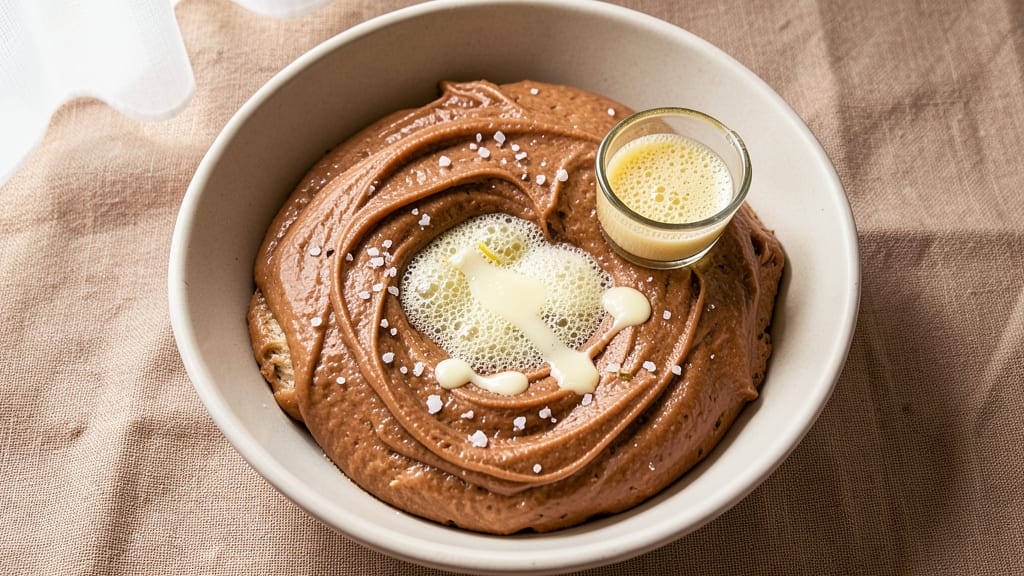
This Allinson bread recipe delivers a fluffy, spiced loaf with signature vanilla swirls that bring bakery-quality results to your kitchen. The secret lies in precise dough development and proper proofing—techniques that transform simple ingredients into a tender, aromatic loaf with just the right crumb structure.
I've perfected this version after years of baking, ensuring every slice delivers that perfect balance of sweetness and spice.
The recipe begins with a straightforward dough made from high-gluten flour, yeast, and warm water, mixed just until combined to avoid overdevelopment. After the first rise, we fold in a vanilla-infused swirl that creates those beautiful ribbons throughout the loaf.
The spices—cinnamon and nutmeg—add warmth without overpowering, while a touch of sugar enhances the caramelization during baking.
What you'll end up with is a golden-brown loaf with a crisp crust and tender interior, cut by those distinctive vanilla swirls. The aroma alone will have everyone gathering around your table, and the texture—neither too dense nor too light—makes it perfect for sandwiches, toast, or serving alongside soups.
This is the kind of bread that elevates any meal from ordinary to special.
Baked at 375°F, this loaf requires careful attention to timing—both during proofing and baking—but the results are worth every minute. Whether you're a home baker looking to master artisanal techniques or simply craving a delicious loaf from scratch, this recipe delivers professional-quality results with a personal touch.
Let's get started on creating your perfect Allinson bread.
Ingredients for allinson bread
High-gluten flour, warm water, and yeast kick off this bakery-style loaf with signature vanilla swirls.
| Ingredient | Amount | Notes |
|---|---|---|
| High-Gluten Flour 🌾 | 4 cups | Bread flour or King Arthur preferred |
| Active Dry Yeast 🍞 | 2 ¼ tsp | Ensure yeast is fresh |
| Granulated Sugar 🍚 | ¼ cup | White or light brown |
| Unsalted Butter 🧈 | ½ cup | Cold, cubed for dough |
| Warm Water 💧 | 1 ¼ cups | 110°F for yeast activation |
| Salt 🧂 | 1 ½ tsp | Diamond Crystal preferred |
| Ground Cinnamon 🌿 | 1 tsp | Freshly ground for warmth |
| Ground Nutmeg 🌿 | ¼ tsp | Freshly grated preferred |
| Pure Vanilla Extract 🍯 | 1 tbsp | High-quality, no alcohol |
| Powdered Sugar 🍚 | ¼ cup | For vanilla swirl mixture |
| Large Egg 🥚 | 1 whole | Room temperature for mixing |
| Cornmeal 🌽 | ¼ cup | For dusting loaf pan |
The high-gluten flour is non-negotiable here—it's what gives this loaf that signature tender yet sturdy crumb. King Arthur or Bob's Red Mill are my go-tos, but any bread flour will work. The yeast needs to be fresh, so check the date on your jar—if it's been sitting in the pantry for months, it's time for a new packet. For the butter, European-style unsalted (like Plugrá) melts beautifully, but any cold, cubed butter will do. The warm water should be 110°F—too hot and you'll kill the yeast, too cold and it won't activate properly. I always test it by dipping my pinky finger in—should feel warm but not hot to the touch. The spices? Freshly ground cinnamon and nutmeg make all the difference—pre-ground spices lose their punch fast.
No high-gluten flour? Bread flour works perfectly—just add 1 tsp vital wheat gluten if you're using all-purpose. Out of vanilla extract? Vanilla bean paste gives you those little specks too, or almond extract at half the amount in a pinch. The powdered sugar in the swirl can be swapped for confectioners' sugar if that's what you've got. For the egg, vegetable oil mixed with a splash of water works in a bind, though it won't give the same structure. And if you're worried about overproofing? Room temperature dough rises faster, so keep your kitchen warm (75°F or higher) if you're in a hurry. The cornmeal dusting? Semolina works just as well—it adds that extra crunch to the crust.
This dough is a two-rise wonder, so plan ahead—it needs 1.5 hours total rising time. Store the dough in the fridge between rises if you're short on time—it'll keep for up to 24 hours before baking. Once baked, the loaf stays fresh for 3-4 days at room temperature, wrapped in a clean kitchen towel. For longer storage, freeze slices between parchment paper—perfect for toast later. Pro tip: Brush the warm loaf with melted butter while it's still in the pan for that bakery-fresh shine. And if you're making this ahead for a gathering, bake it the day before—it reheats beautifully wrapped in foil at 300°F for 10 minutes.
Why You'll Love This Recipe
- I’ll be real: this bread is my go-to for sandwiches, toast, or even as a side for soups. (Yes, even on a Tuesday night.) The leftovers? Still fresh-tasting three days later, wrapped in foil—no sad, stale ends here.
- No-Knead Nightmare Solved: Honestly, this dough comes together in five minutes—just mix the high-gluten flour, yeast, and warm water, then let it rise while you make dinner. That crispy, golden crust? It’s all thanks to the butter baked right in, no fancy shaping required.
- Buttery Crust Magic: Between us, the moment that butter melts into those pockets of air during baking? Chef’s kiss. The high-gluten flour gives it that satisfying chew, while the sugar just takes the edge off the richness—like a hug from your grandma’s kitchen.
- Weeknight Superstar: I’ll be real: this bread is my go-to for sandwiches, toast, or even as a side for soups. (Yes, even on a Tuesday night.) The leftovers? Still fresh-tasting three days later, wrapped in foil—no sad, stale ends here.
Step-by-step instructions for fluffy spiced bread with vanilla swirls
Here's the method to create a tender, aromatic loaf with those signature swirls—every slice will be moist, lightly sweet, and perfectly spiced.
Activate the Yeast for Maximum Rise
In a small bowl, combine the 1.25 cups warm water (tested at 110°F) with the 0.25 cup granulated sugar and 2.25 teaspoons active dry yeast. Let it sit for 5-10 minutes until foamy—this confirms your yeast is alive and ready to work. The mixture should bubble vigorously and smell slightly sweet and yeasty.
If it doesn't foam after 10 minutes, your yeast may be dead. I've found that fresh yeast is critical here—it makes all the difference in achieving that light, airy crumb. Once active, proceed immediately to avoid overproofing.
Mix the Dough Until Windowpane Toughness
In the bowl of a stand mixer fitted with the dough hook, combine the 4 cups high-gluten flour, 1.5 teaspoons salt, 1 teaspoon ground cinnamon, and 0.25 teaspoon ground nutmeg. Mix on low speed to distribute the spices evenly through the flour.
Add the yeast mixture and mix on low for 1 minute until combined. Then add the 0.5 cup cold cubed unsalted butter and mix until incorporated. Increase speed to medium and knead for 5-7 minutes until the dough becomes smooth and elastic, forming a "windowpane" when stretched gently. This test—where light shines through thinly stretched dough—ensures proper gluten development for that perfect crumb structure.
Prepare the Vanilla Swirl Mixture
While the dough kneads, make the vanilla swirl mixture in a small bowl by whisking together the 0.25 cup powdered sugar, 1 tablespoon pure vanilla extract, and 1 whole large egg. This sweet, fragrant mixture will create those beautiful swirls throughout the loaf. The powdered sugar keeps it light and prevents a dense texture.
Set this mixture aside—it needs to stay at room temperature while you shape the dough. The vanilla extract should be high-quality with no alcohol, as this affects both flavor and aroma in the final loaf.
Shape and Swirl for Perfect Presentation
Once the dough reaches windowpane toughness, remove it from the mixer and transfer to a lightly floured surface. Gently press it into a 12x6-inch rectangle about ½-inch thick. Using a pastry brush, spread about ⅓ of the vanilla mixture evenly over the dough, leaving a ½-inch border around the edges.
Roll the dough tightly into a log, starting from the long side. Pinch the seam to seal, then roll the log in the remaining vanilla mixture to coat the outside. This creates both the internal swirls and the flavorful exterior crust. Place the log seam-side down in a greased 9x5-inch loaf pan dusted with 0.25 cup cornmeal.
Proof and Bake for a Perfectly Risen Loaf
Cover the loaf pan with a clean kitchen towel and let the dough rise in a warm place for 1-1.5 hours until it's puffed about 1-1.5 inches above the pan. The dough should feel springy when pressed gently with a fingertip—this confirms proper proofing for that light, airy texture.
Preheat your oven to 375°F. Bake the loaf for 35-40 minutes until the top is deep golden brown and sounds hollow when tapped on the bottom. The internal temperature should reach 190-200°F. Let it cool in the pan for 10 minutes before transferring to a wire rack to prevent sinking.
Pro Tips For Making Allinson Bread
- STIR THE YEAST FIRST: Skip mixing the yeast with the flour—dissolve it in the warm water and sugar first, then let it foam for 5-10 minutes. I learned this the hard way: dead yeast in a heavy dough means a flat, dense loaf. This step guarantees your bread rises properly.
- WEIGH THE FLOUR: High-gluten flour is deceptive—scooping it leads to inconsistent batches. Use a kitchen scale for precision, especially if you’re adjusting hydration. My first few tries were either gummy or dry because I eyeballed it.
- DON’T OVERKNEAD THE DOUGH: Stop when the dough pulls cleanly away from the bowl and springs back slowly. Overworking it develops too much gluten, making the bread tough. I used to go until my arm gave out—now I rest it after 8-10 minutes by hand.
- CHILL THE SHAPED LOAF: Place the shaped dough in the fridge for 30 minutes before baking. This prevents rapid expansion in the oven, giving you a taller, more controlled rise. I skipped this once and ended up with a collapsed top—worth the wait.
Troubleshooting perfect results
Dense or Gummy Dough
If your dough feels dense or gummy after kneading, you likely overworked the gluten or didn’t activate the yeast properly. I’ve found that kneading for more than 7 minutes can toughen the dough—stop when it passes the windowpane test.
Also, ensure your yeast was fresh and the water was 110°F (not hotter). If the dough still feels sticky, add 1 tablespoon flour at a time until it’s pliable but not dry. 💡
Poor Rise or Flat Loaf
A flat loaf usually means the dough didn’t proof enough or the yeast was weak. Double-check your yeast—it should foam within 5-10 minutes when mixed with warm water.
If your kitchen is cold (below 70°F), proof the dough in a warm oven with the light on (or a proofing box). For extra insurance, let the dough rise for 1.5 hours instead of 1 hour. 🌡️
Vanilla Swirls Not Visible
If your swirls disappeared during baking, the dough may have been overproofed before shaping. Work quickly after the first rise—shape and swirl the dough within 30 minutes of it doubling in size.
For better visibility, use a piped vanilla mixture (like frosting) instead of brushing it on. Chill the shaped loaf for 20 minutes before baking to help the swirls hold their shape. 🎨
Burnt Top or Pale Crust
Oven temperature swings are the culprit here. Preheat your oven for at least 20 minutes before baking, and use an oven thermometer to confirm it’s 375°F. For an even crust, tent the loaf with foil if the top browns too quickly.
If the crust stays pale, brush it with melted butter after 20 minutes of baking to encourage browning. 🔥
Dry or Crumbly Texture
Overbaking or using too much flour during shaping can dry out the bread. Pull the loaf from the oven when the internal temperature hits 190-200°F—don’t rely solely on color. If the dough feels dry while shaping, add 1 teaspoon water at a time until it’s smooth.
For extra moisture, brush the baked loaf with melted butter while still warm. ✨
Nutrition facts
Frequently asked questions about Allinson bread
Can I substitute regular flour for high-gluten flour?
Yes, but you'll need to adjust the texture. Use all-purpose flour and add 1 teaspoon vital wheat gluten per 4 cups of flour to mimic high-gluten properties. The bread will still be delicious but may have a slightly different crumb structure. For best results, stick with bread flour if possible.
Why does my dough feel too sticky after kneading?
Sticky dough usually means either the gluten development isn't complete or the environment is too humid. Add 1 tablespoon flour at a time while kneading, but don't overdo it—aim for pliable, not dry. Also check your yeast activation: if it didn't foam properly, the dough may need more time to develop.
Can I make this bread without an egg?
Replace the 1 egg with 1 tablespoon melted butter mixed with 1 tablespoon warm water. This maintains moisture and helps bind the dough, though the texture will be slightly denser. For extra richness, add 1 teaspoon milk powder to the flour mixture.
How long will this bread stay fresh?
At room temperature, wrap the loaf in a clean kitchen towel and store in an airtight container for 3-4 days. For longer storage, slice and freeze individual portions between parchment paper. Reheat slices in a 350°F oven for 5-7 minutes or toast directly from frozen.
Can I add other flavors to this recipe?
Certainly! Swap the spices for orange zest + cardamom for a citrus twist, or add chopped crystallized ginger for warmth. For savory bread, replace the vanilla mixture with herbed butter (mix 0.25 cup softened butter with 1 tbsp chopped rosemary and 1 tsp garlic powder).