
Side Dishes
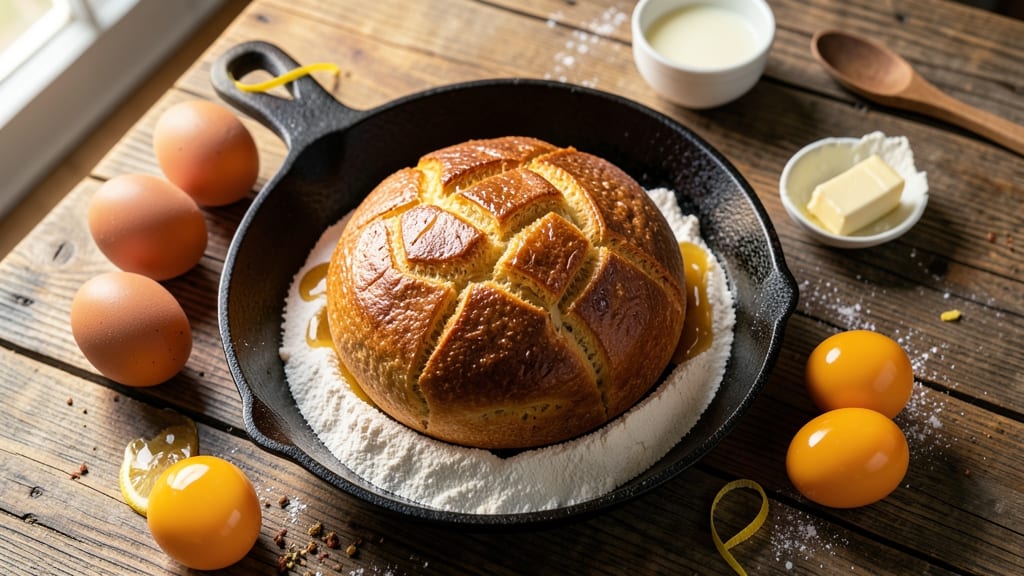
This Amish sweet bread machine recipe transforms simple ingredients into golden, pillowy loaves with a tender crumb and warm cinnamon swirls—just like Grandma used to make. The bread machine handles the kneading and rising, but the shaping by hand ensures that signature Amish texture.
I’ve perfected this version to balance convenience with tradition, so you get restaurant-quality results without the hours of labor.
The secret lies in the dough cycle settings and a touch of patience during shaping. Using a bread machine simplifies the process, but folding in the cinnamon-sugar swirls by hand gives you that homemade touch.
This recipe works beautifully with optional add-ins like raisins or nuts, though the classic version stays true to its roots with just cinnamon and sugar.
What you’ll end up with is a loaf that’s soft yet sturdy enough to slice neatly, with a subtle sweetness from the cinnamon that lingers in every bite. The aroma alone will fill your kitchen with warmth, making it perfect for breakfast, a side to brunch, or a gift-worthy treat.
The best part? It’s ready in just a few hours, with minimal effort.
Whether you’re new to bread machines or a seasoned baker, this recipe delivers foolproof results. The dough cycle handles the heavy lifting, while the hand-shaping step ensures authenticity. Let’s get started on creating a loaf that tastes like a piece of Amish tradition.
Ingredients for amish sweet bread machine
Simple pantry staples transform into golden Amish sweet bread with cinnamon swirls.
| Ingredient | Amount | Notes |
|---|---|---|
| All-Purpose Flour 🌾 | 4 cups | Spooned and leveled for accuracy |
| Granulated Sugar 🍚 | ¼ cup | White or light brown |
| Instant Yeast 🍞 | 2 tsp | Ensure it's fresh |
| Unsalted Butter 🧈 | ½ cup | Softened, not melted |
| Whole Milk 🥛 | 1 cup | Warm to room temperature |
| Large Egg 🥚 | 1 whole | Room temperature |
| Salt 🧂 | ½ tsp | Kosher or sea salt |
| Ground Cinnamon 🌿 | 1 tbsp | Freshly ground preferred |
| Granulated Sugar 🍚 | ½ cup | For cinnamon swirl |
| Unsalted Butter 🧈 | ¼ cup | Softened, for swirl |
| Vanilla Extract 🍯 | 1 tsp | Pure vanilla preferred |
Flour is the foundation, so grab King Arthur or Gold Medal—they’re reliable for bread machine recipes. The yeast needs to be fresh (check the date on the package), and if it’s been sitting for months, it’s time for a new packet. For the butter, Land O’Lakes or Plugrá are my go-tos—they soften evenly. Warm the milk to 110°F (just warm to the touch) to activate the yeast properly. If you’re in a pinch, whole milk powder mixed with water works, though it’s not quite the same. The cinnamon should smell vibrant—if it’s stale, toast it lightly in a dry pan to revive the flavor.
No vanilla extract? Vanilla bean paste or even vanilla sugar (half the amount) will work in a bind. Running short on butter? Coconut oil is a neutral substitute (same amount), but it’ll make the bread slightly denser. The cinnamon-sugar swirl can be adjusted—add orange zest for a festive twist or nutmeg for warmth. If you’re feeling adventurous, fold in raisins or chopped walnuts during the shaping step. For the bread machine cycle, basic white bread setting works best—most machines have a 3- to 4-hour cycle, which gives the dough time to develop that tender crumb.
This bread keeps beautifully for 3 days at room temperature, wrapped in a clean kitchen towel to maintain freshness. For longer storage, slice and freeze the loaf—wrap each slice in parchment before popping them in a bag. Reheat slices in a toaster or oven at 300°F for 5 minutes to restore that bakery-fresh warmth. I always make an extra loaf to give away—it’s a hit at church potlucks or as a hostess gift. The aroma alone makes your kitchen feel like a cozy Amish farmhouse.
Why You'll Love This Recipe
- Bread Machine Magic: I swear by this recipe—just toss in the flour, sugar, and yeast, let the machine do the work, and wake up to that golden, buttery aroma. No kneading, no waiting for dough to rise by hand.
- Sweet Butter Bliss: That rich, caramelized sugar and warm butter scent? It’s like a hug for your taste buds. The crust gets just crisp enough to hold a perfect bite of soft, pillowy bread inside.
- Breakfast All Week: Slice it fresh in the morning or freeze half for toast later—it reheats beautifully. Honestly, I make two loaves on Sunday and forget about grocery store bread until it’s gone.
- Pocketbook Hero: Five simple ingredients, no fancy shortcuts needed. A whole loaf for under $2? That’s bread you can afford to share—or eat all yourself. (No judgment here.)
Step-by-step instructions for Amish sweet bread machine recipe
Here's how to transform simple ingredients into golden swirls of warmth and comfort.
Prepare the Dough Ingredients
In a medium bowl, whisk together the 4 cups all-purpose flour, 0.25 cup granulated sugar, 2 tsp instant yeast, and 0.5 tsp salt. This dry mixture forms the foundation of your bread. I like to use a whisk to break up any lumps in the flour, ensuring an even texture throughout the dough.
In a separate bowl, gently mix the 1 cup warm whole milk, 1 whole large egg, and 1 tsp vanilla extract. The milk should be warm to the touch—around 100°F—but not hot to avoid killing the yeast. Room-temperature egg and vanilla blend seamlessly into the liquid mixture, creating a smooth base for the dough.
Combine and Mix in the Bread Machine
Add the wet ingredients to the dry ingredients and stir with a wooden spoon until just combined. You'll see a shaggy dough form, but don't worry—it will come together perfectly in the bread machine. Transfer this mixture to the bread machine pan.
Next, add the 0.5 cup softened unsalted butter to the pan. The butter should be soft enough to press with your finger but not melted. This butter will create the signature rich, tender crumb of Amish sweet bread. Close the bread machine lid and select the "Dough" setting for your specific machine—typically 2-3 hours on medium kneading.
Prepare the Cinnamon Swirl Filling
While the dough kneads, prepare the cinnamon swirl filling in a small bowl. Combine 0.5 cup granulated sugar and 1 tbsp ground cinnamon for a fragrant, spiced mixture. Add the 0.25 cup softened unsalted butter and mix until smooth. This filling should be soft enough to spread but not greasy—it's perfect for rolling into the dough.
Here's the thing—don't skip this step. The cinnamon swirl is what makes this bread special. The warm spices and buttery richness complement the soft, pillowy dough beautifully. If you're feeling adventurous, you can even add a pinch of nutmeg or a dash of cloves to the filling for extra depth.
Shape and Swirl the Dough
Once the bread machine signals that the dough has finished kneading, remove it from the pan and place it on a lightly floured surface. Gently flatten the dough into a 12x16-inch rectangle—about ¼-inch thick. This is where the magic happens: spread the cinnamon butter mixture evenly over the flattened dough, leaving a ½-inch border around the edges.
Roll the dough tightly into a log, starting from one of the long sides. Pinch the seam to seal it completely. This creates a beautiful spiral effect when sliced. If the dough feels too sticky, wet your fingers slightly to help it roll smoothly. The goal is a neat, compact log that will hold its shape during baking.
Bake to Golden Perfection
Transfer the shaped dough log to a greased 9x5-inch loaf pan. Place the pan in the bread machine and select the "Bake" setting. If your machine doesn't have a bake function, preheat your oven to 350°F and bake for 35-40 minutes until the top is golden brown and the internal temperature reaches 190°F.
You'll know it's done when the bread pulls away slightly from the sides of the pan and has a beautiful caramelized crust. The aroma filling your kitchen at this point is worth the wait—warm, buttery, and spiced to perfection. Let the bread cool in the pan for 10 minutes before removing it to a wire rack to cool completely. This resting time ensures clean slices and prevents the swirl from falling apart.
Pro Tips For Making Amish Sweet Bread Machine
- MEASURE MILK PRECISELY: The recipe calls for warm whole milk, but pouring straight from the carton gives inconsistent results. Heat it to exactly 110°F (use a thermometer—yeast hates surprises) and measure it by weight (120g for ½ cup) instead of volume. Cold milk kills yeast; hot milk over 115°F does too, and your dough will take forever to rise.
- SOFTEN BUTTER THE RIGHT WAY: Don’t microwave the butter—it melts unevenly and leaves greasy spots in the dough. Cut it into small cubes and let it sit at room temp for 30 minutes, or rub it between your palms until it’s just pliable (like a ripe avocado). Cold butter = tough bread; melted butter = dense, gummy loaves.
- DON’T OVERMIX THE DOUGH: Once the yeast blooms and you add the flour, stop mixing after 3-4 minutes. I used to think more kneading = better texture, but this recipe relies on tender layers, not gluten development. Overwork it, and you’ll end up with a chewy, dense loaf instead of that signature Amish sweet bread lightness.
- USE A LIGHT HAND WITH SUGAR: The recipe’s sugar content is already generous—don’t eyeball it. Packing the measuring cup or using too much gives a sticky, gummy texture that won’t brown properly. Spoon the sugar into the cup, level it off, and resist the urge to add extra for "sweetness." The bread’s flavor comes from balance, not overload.
Regional styles of these flavors
Pennsylvania Dutch Roots
The Amish sweet bread we know today traces back to the Pennsylvania Dutch traditions of the 18th century, when settlers brought their baking skills across the Atlantic.
This recipe reflects those roots with its cinnamon-sugar swirl, a nod to the simple yet flavorful desserts of early German and Swiss settlers. The bread machine adaptation keeps the soul of the original while making it accessible for modern kitchens. 🌾
Midwest Homestyle Twist
In the Midwestern United States, this bread became a staple at family gatherings and church socials, often served warm with butter or honey. The soft, pillowy texture and subtle sweetness make it a perfect side for breakfast or brunch.
Many regional bakers add raisins or chopped walnuts to the dough for texture, though the classic version stays true to its cinnamon-sugar swirl. The bread machine version cuts down on prep time while keeping that homestyle warmth.
Ohio Amish Communities
In Ohio’s Amish communities, this bread is often baked in cast-iron pans and shared among neighbors as a gesture of hospitality. The hand-shaped dough and cinnamon butter filling are key to its authenticity.
While the bread machine handles the kneading and rising, the shaping step by hand ensures that signature Amish texture. Many bakers in these communities also add a touch of vanilla bean or orange zest to the filling for extra depth of flavor.
Modern Bread Machine Adaptations
This recipe bridges tradition and convenience by using a bread machine for the dough cycle, which handles the kneading and initial rising. The hand-shaping step ensures authenticity, while the bread machine’s precision keeps the texture consistent.
Many modern bakers also experiment with whole wheat flour (substituting half the all-purpose flour) for a nuttier flavor, though the classic version remains a crowd-pleaser. The result is a loaf that’s soft yet sturdy, with a golden crust and warm cinnamon aroma. 💛
Southern Appalachian Variations
In the Appalachian region, this bread is sometimes called "cinnamon swirl bread" and is often served with sausage gravy for breakfast. The buttery richness of the dough pairs perfectly with the savory gravy, creating a comforting meal.
Some variations include a lemon zest twist in the filling for brightness, while others add a pinch of cardamom for a unique spice blend. The bread machine makes it easy to batch this recipe for potlucks or family gatherings.
Tips for Regional Authenticity
For a more Pennsylvania Dutch touch, use stone-ground flour (like King Arthur’s White Whole Wheat) for a slightly denser crumb. In Midwest kitchens, adding chopped pecans to the dough gives it a festive crunch.
For Ohio Amish authenticity, shape the dough into a round loaf instead of a log and bake it in a cast-iron skillet for a rustic look. The bread machine simplifies the process, but these small tweaks can make your loaf taste like it came straight from a community kitchen. ✨
Nutrition facts
Frequently asked questions
Can I make this Amish sweet bread without a bread machine?
For a traditional approach, mix the dough by hand until it comes together, then knead for 8-10 minutes on a floured surface until smooth and elastic. Let it rise in a greased bowl for 1-2 hours (or until doubled), then shape and bake in a 350°F oven for 35-40 minutes. The bread machine simplifies kneading, but hand-kneading gives you more control over the texture.
Why does my bread machine dough sometimes fail to rise properly?
Most likely, your yeast wasn't activated or the milk was too hot. Always use warm milk (100°F) and fresh yeast—test it by dissolving 1 tsp sugar + 1 tsp yeast in ¼ cup warm water for 5 minutes. If it foams, your yeast is good. Also, check your bread machine's dough cycle—some machines need 2-3 hours for proper development.
How do I store leftover Amish sweet bread?
Wrap the cooled loaf tightly in plastic wrap or aluminum foil and store at room temperature for 3 days. For longer storage, slice and freeze individual portions—wrap each slice in parchment paper before bagging. To revive, toast slices at 350°F for 5 minutes or warm in the microwave for 10-15 seconds. The bread keeps best when slightly stale!
Can I add other flavors to this recipe?
Yes! Try swapping cinnamon for pumpkin pie spice or adding orange zest to the filling. For a savory twist, replace the cinnamon-sugar with garlic powder + dried herbs (great with sausage gravy). Just keep the butter-to-sugar ratio balanced—too much sugar can make the bread gummy.
What if my dough is too sticky to shape?
Lightly flour your work surface and wet your hands slightly—this prevents sticking while keeping the dough flexible. If it's still too sticky, chill the dough for 15 minutes before shaping. Avoid over-flouring, as this can make the bread dense. The dough should be soft but manageable, like playdough.