
Side Dishes
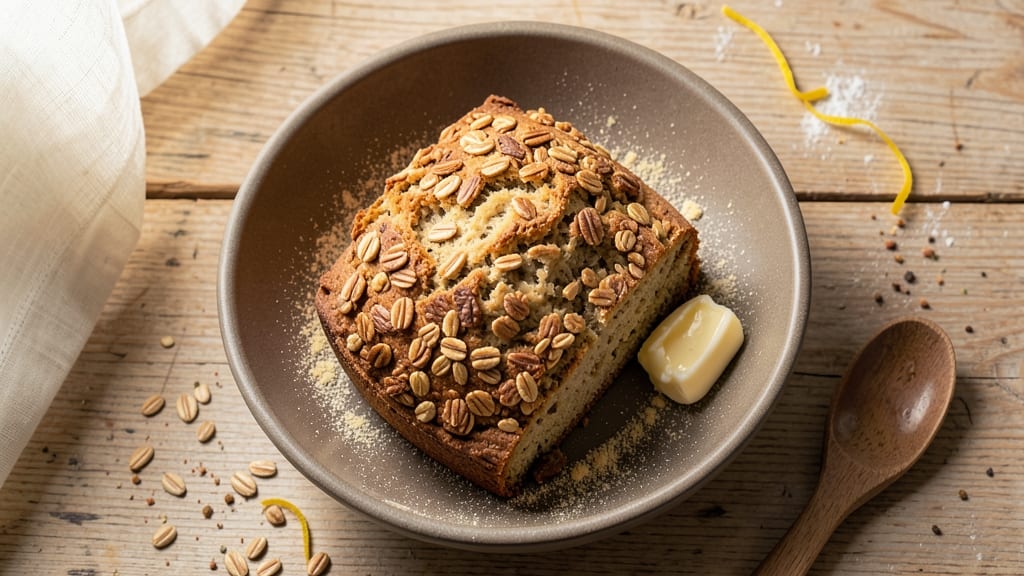
This Amish oatmeal bread recipe delivers rustic, hearty loaves with a crisp crust and tender crumb—no kneading required. The secret lies in slow fermentation, where traditional techniques meet modern convenience.
I've perfected this version to achieve that signature Amish texture without the overnight wait, making it ideal for busy bakers who still crave artisanal quality.
The dough develops depth through a natural rise, with oats adding chewiness and a subtle sweetness that balances the bread's earthy notes. Unlike commercial quick breads, this recipe relies on a hands-off approach: mix, let it rest, and bake.
The result is a loaf with a satisfying crackling crust and a moist interior that stays fresh for days.
Perfect for breakfast tables, sandwiches, or as a side to hearty stews, this bread embodies the simplicity of Amish baking traditions. The process is straightforward—no special equipment needed—but the reward is undeniably homemade. Let's get started on a loaf that tastes like a slice of nostalgia.
For those short on time, I've included a quick-rise option while preserving the bread's signature texture. The key is patience during proofing, which ensures that crisp crust and open crumb.
Whether you're baking for a family gathering or a quiet Sunday morning, this recipe delivers the warmth of a homemade loaf with minimal effort.
Ingredients for amish oatmeal bread
Eleven simple ingredients transform into rustic, hearty Amish oatmeal bread with a crisp crust and tender crumb.
| Ingredient | Amount | Notes |
|---|---|---|
| All-Purpose Flour 🌾 | 4 cups | High-protein for better structure |
| Old-Fashioned Rolled Oats 🥣 | 1 ½ cups | Steel-cut oats work too |
| Active Dry Yeast 🍞 | 2 ¼ tsp | Ensure yeast is fresh |
| Granulated Sugar 🍚 | ½ cup | Brown sugar for deeper flavor |
| Unsalted Butter 🧈 | ½ cup | Cold, cubed for texture |
| Large Eggs 🥚 | 2 whole | Room temperature preferred |
| Whole Milk 🥛 | 1 cup | Warmed to 110°F |
| Diamond Crystal Kosher Salt 🧂 | 1 ½ tsp | Adjust to taste |
| Ground Black Pepper 🌶️ | ½ tsp | Freshly cracked preferred |
| Cornmeal 🌽 | ¼ cup | For dusting baking sheet |
| Water 💧 | ½ cup | Warm for yeast activation |
The rolled oats are the backbone of this bread—steel-cut oats add extra texture if you prefer a nuttier bite. For the best results, source high-protein flour like King Arthur or Gold Medal, which yields a more elastic dough. Active dry yeast should be tested for freshness by dropping a pinch in warm water with sugar; if it bubbles within 5 minutes, it's good to go. Unsalted butter should be cold when mixed to create pockets of flavor in the finished loaf. I always grab Diamond Crystal kosher salt for its consistent grain size, though any kosher salt will work. The cornmeal isn't just for dusting—it adds a subtle sweetness to the crust.
No rolled oats? Quick oats work in a pinch, though the texture will be slightly softer. Substitute whole wheat flour for up to 10% of the all-purpose flour for added heartiness. Warm milk is crucial for activating the yeast—if you're short on time, microwave it for 20 seconds. Brown sugar can replace granulated sugar for a deeper caramel note. For a quicker rise, increase the yeast to 3 teaspoons and reduce the water by 2 tablespoons, though the flavor will be slightly less developed. If you're baking at high altitude, reduce the yeast by 0.25 teaspoons to prevent overproofing.
This dough benefits from a 1-2 hour cold proof in the refrigerator if time allows—it enhances flavor and texture. Store baked loaves in a bread bag or wrapped in a clean kitchen towel to maintain freshness for up to 5 days. For longer storage, freeze slices wrapped in parchment paper for up to 3 months. The crust stays crisp for 2 days if kept in an airtight container, but it's best enjoyed fresh from the oven. Leftovers make excellent toast or French toast—just add a splash of milk and a beaten egg.
Why You'll Love This Recipe
- No-Knead Magic: I swear by this dough—just mix, let it rise, and bake. The oats handle all the work while I sip coffee, no stand mixer required.
- Buttery Crunch Core: That toasted oat crunch meets soft, buttery bread inside—like a hug for your sandwich. The sugar caramelizes just enough to make every bite feel special.
- Breakfast to Dinner: Same loaf for toast, French toast, or dinner rolls. Honestly, I’ve even used it as a base for open-faced sandwiches when I’m lazy.
- Pantry Staple Power: Uses ingredients you already own, costs next to nothing, and keeps for days. Between us, this is my go-to when I forget to grocery shop.
Step-by-step instructions for Amish oatmeal bread
This method delivers rustic, hearty loaves with a perfect crust and tender crumb—no kneading required.
Activate the Yeast and Mix Wet Ingredients
In a small bowl, combine the 0.5 cup warm water (about 110°F) with the 2.25 tsp active dry yeast and 0.5 cup granulated sugar. Let it sit for 5-10 minutes until foamy—this confirms the yeast is active. If it doesn't bubble, your yeast may be old, and you'll need to start over.
In a separate large bowl, whisk together the 2 whole large eggs, 1 cup whole milk, 1.5 tsp diamond crystal kosher salt, and 0.5 tsp ground black pepper. This creates a smooth base that will later incorporate the dry ingredients. The warm milk helps activate the yeast further, ensuring a better rise.
Combine Dry Ingredients and Form the Dough
In the same large bowl, add the 4 cups all-purpose flour and 1.5 cups old-fashioned rolled oats. Stir gently to distribute the oats evenly—they’ll add texture and heartiness to the bread. The high-protein flour ensures a sturdy structure, while the oats contribute a satisfying chew.
Gradually pour the yeast mixture and wet ingredients into the dry ingredients, mixing with a wooden spoon or dough whisk until a shaggy dough forms. Avoid overmixing—just combine until no dry spots remain. The dough should be sticky but manageable. If it’s too wet, add 1-2 tablespoons of flour to bring it together.
Let the Dough Rise (Hands-Off Method)
Lightly grease a large bowl with 0.5 cup unsalted butter (melted and cooled) and transfer the dough into it. Cover the bowl with a damp kitchen towel or plastic wrap and let it rise in a warm place for 1-2 hours, or until it has nearly doubled in size. The dough should feel spongy and springy when poked gently with a finger.
I like to place the bowl near a slightly turned-on oven with the light on—this creates a warm, humid environment that encourages even rising. Avoid refrigerating the dough during this step, as cold temperatures slow yeast activity. If the dough rises too quickly (within 45 minutes), it may be overproofed, resulting in a dense loaf.
Shape and Second Rise
Turn the dough onto a lightly floured surface and gently shape it into a loaf. Fold the sides inward and press lightly to form a smooth, rectangular shape. This step ensures an even bake and prevents cracking. Place the shaped dough seam-side down in a greased 9x5-inch loaf pan and let it rise again for 30-45 minutes until it puffs slightly above the pan.
While the dough rises, preheat your oven to 375°F. Sprinkle 0.25 cup cornmeal evenly over the bottom of the pan—this prevents sticking and adds a subtle crunch. The second rise is shorter but critical for achieving that classic Amish oatmeal bread texture.
Bake to Golden Perfection
Bake the bread for 35-40 minutes, or until the top is deep golden brown and an instant-read thermometer inserted into the center reads 190°F. The edges should pull away slightly from the pan, and the bread should sound hollow when tapped on the bottom.
For extra crustiness, brush the top with melted butter immediately after removing it from the oven. Let the bread cool in the pan for 10 minutes before transferring it to a wire rack. This resting period allows the steam to escape, preventing a gummy texture. Slice while still warm for the best flavor and texture—each slice should be tender yet sturdy, with a crisp exterior and a moist, oaty interior.
Pro Tips For Making Amish Oatmeal Bread
- Toast the Oats: Skip the raw oats—toss them in a dry skillet over medium heat for 5-7 minutes until golden and fragrant. This adds depth and prevents that chalky aftertaste you get when you just toss them in cold. (Yes, it takes 2 minutes, but it makes a real difference.)
- Bloom the Yeast Warm: Mix the yeast with warm water (110°F, not boiling) and a pinch of sugar first—wait 5 minutes until it’s bubbly before adding it to the dough. Cold water kills it; hot water cooks it. I learned this the hard way when my dough took forever to rise.
- Knead Until Silky: Work the dough until it’s smooth and springs back when poked—about 8-10 minutes by hand. Over-kneading makes it tough, but under-kneading leaves it dense. Use a stand mixer with the dough hook for 5 minutes on medium; it’s foolproof.
- Shape Loaves Tightly: Roll the dough into a log, tuck the ends under, and pinch the seam shut. This keeps the oats from popping out during baking and gives you that classic Amish bread shape. (Pro move: Use a little flour on your hands to prevent sticking.)
Perfect pairings for amish oatmeal bread
Breakfast Companions
A warm slice of Amish oatmeal bread pairs beautifully with scrambled eggs and crispy bacon for a hearty morning feast. The bread's sturdy texture holds up well to runny eggs, while its subtle sweetness balances the saltiness of bacon.
I love adding a smear of local honey or maple syrup for extra richness. 🍳
Sandwich Game-Changers
This bread transforms simple sandwiches into gourmet meals. Try it with turkey and avocado for a creamy, protein-packed lunch, or layer roasted ham, Swiss cheese, and mustard for a classic deli-style sandwich.
The oats add a satisfying bite that commercial breads can't match. For extra flavor, brush slices with garlic butter before assembling.
Soup and Stew Sides
Amish oatmeal bread is perfect for soaking up broths in chicken noodle soup or beef stew. Tear warm slices into chunks and add them to the pot during the last 5 minutes of cooking.
The bread absorbs the flavors beautifully while adding hearty texture. I also love serving it alongside tomato basil soup with a dollop of sour cream for dipping.
Sweet Pairings
Don't overlook this bread's potential for dessert! Serve warm slices with whipped cream and fresh berries for a rustic dessert. The oatmeal's nutty notes complement peach jam or apricot preserves perfectly.
For a breakfast twist, top toasted slices with cinnamon sugar and a pat of butter—it's like a cross between French toast and oatmeal cookie.
Beverage Pairings
This bread's rich, hearty flavors shine with strong black coffee or chai tea. The oats' earthiness pairs wonderfully with the spices in chai, while coffee's bitterness cuts through the bread's sweetness.
For a cozy evening treat, serve with hot apple cider during fall or spiced mulled wine in winter. The warmth of the beverage enhances the bread's comforting qualities. ☕
Meal Prep Staples
Make this bread a meal prep essential by slicing and freezing portions. Pair with pre-cooked chicken and veggie sticks for grab-and-go lunches. The bread's sturdy texture holds up well to freezing, and it reheats beautifully in a toaster oven or air fryer.
For quick breakfasts, store slices in the fridge with peanut butter and banana slices for easy assembly in the morning.
Nutrition facts
Frequently asked questions
Why does Amish oatmeal bread have a crisp crust but tender crumb?
The secret lies in the rolled oats and proper proofing time. The oats add moisture and chewiness to the crumb while the slow rise allows gluten to develop fully. For that signature crust, bake until the bread reaches 190°F internally—this creates the perfect balance of crispness and softness inside.
Can I make this bread without a loaf pan?
Shape the dough into a free-form loaf on a parchment-lined baking sheet. For extra texture, sprinkle cornmeal on the sheet before baking. The crust will be slightly different but still delicious. Bake at 375°F for 30-35 minutes until golden brown.
What's the best way to store Amish oatmeal bread?
Keep it fresh by storing in a bread bag or wrapped in a clean kitchen towel at room temperature for up to 5 days. For longer storage, freeze slices wrapped in parchment paper for up to 3 months. To revive frozen bread, warm slices in a toaster oven for 5-7 minutes at 350°F.
Why did my bread turn out dense instead of light and airy?
Dense bread usually means overproofing or inactive yeast. Ensure your yeast is fresh (test it in warm water with sugar—it should bubble within 5 minutes). Also, don't let the dough rise longer than 2 hours at room temperature. For better results, try a 1-hour cold proof in the fridge before final shaping.
Can I add nuts or seeds to this recipe?
Yes! Try adding 1 cup chopped walnuts or 2 tablespoons flaxseeds to the dough for extra crunch. For best texture, toast the nuts first to enhance their flavor. Just reduce the oats by ¼ cup to maintain the bread's moisture balance. The nuts will add a delightful contrast to each bite.