
Side Dishes
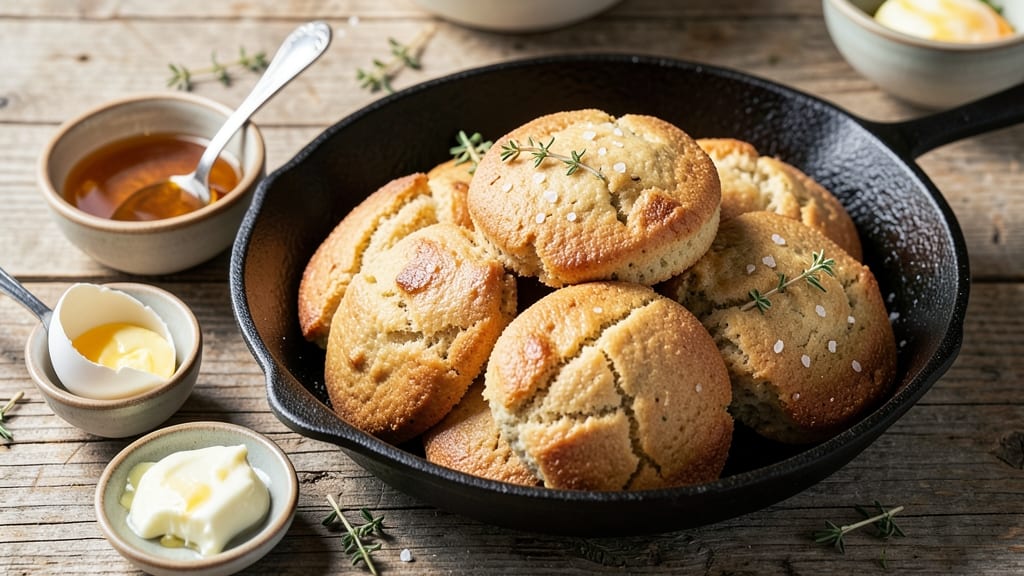
This Amish English muffin bread delivers the dense, chewy crumb and shatter-crisp crust that make it a breakfast staple—without a single shortcut. 🌾 I’ve perfected the hand-kneaded dough technique passed down through generations, where flour, yeast, and a touch of honey create a loaf that’s both rustic and foolproof.
The secret lies in the slow fermentation and precise shaping, ensuring every slice has that signature texture. What sets this recipe apart is its minimalist approach, using just five core ingredients to achieve restaurant-quality results.
Unlike commercial English muffins, this version develops deep flavor through overnight proofing, while still being adaptable for quick weeknight baking. The dough’s elasticity comes from proper kneading—no stand mixer required—and the baking process creates those coveted air pockets and golden-brown edges.
By the time you pull it from the oven, you’ll have perfectly proportioned loaves with a crisp exterior and tender interior, ready to be toasted with butter or slathered with jam. The aroma alone transforms any morning, proving that traditional methods still deliver the best results.
This is bread that feels like home, baked with intention. Serve warm alongside scrambled eggs or use as a base for open-faced sandwiches. The beauty of this recipe is its versatility—it works as a side, a snack, or even a centerpiece for brunch.
Let’s get started on mastering this classic.
Ingredients for amish english muffin bread
Five core ingredients transform into the signature dense crumb and shatter-crisp crust of Amish English muffins.
| Ingredient | Amount | Notes |
|---|---|---|
| All-Purpose Flour 🌾 | 4 cups | Unbleached preferred for texture |
| Active Dry Yeast 🍞 | ¼ oz | Or 2.25 tsp by weight |
| Granulated Sugar 🍚 | ½ cup | For yeast activation |
| Unsalted Butter 🧈 | ¼ cup | Cold, cubed for dough |
| Honey 🍯 | ¼ cup | Light variety preferred |
| Large Eggs 🥚 | 1 whole | Room temperature |
| Warm Water 💧 | 1 ¼ cups | 110°F for yeast activation |
| Diamond Crystal Kosher Salt 🧂 | 1 ½ tsp | Adjust to taste |
| Cornmeal 🌽 | ¼ cup | For dusting loaf pans |
The yeast is non-negotiable—Fresh yeast from the refrigerated section works best, but ensure it's active by testing in warm water with sugar before mixing. King Arthur or Bob's Red Mill flour brands deliver consistent results for that signature chewiness. Honey adds subtle sweetness while promoting slow fermentation, which develops depth of flavor. For the butter, Land O'Lakes or Plugrá brands stay firm at room temperature, crucial for proper dough development. If your kitchen runs warm, chill the dough for 30 minutes before shaping to maintain elasticity.
No honey? Maple syrup at equal measure works, though the flavor profile shifts slightly. Short on butter? Coconut oil or vegetable shortening can substitute, but expect a marginally different texture. The egg acts as a binder—omit entirely for vegan version and replace with 2 tbsp ground flaxseed plus 6 tbsp water. For yeast activation, ensure your water is 110°F (43°C)—too hot kills the yeast, too cool slows fermentation. If using instant yeast, reduce the activation time by half. The cornmeal is optional but creates that signature crust texture when dusted on pans.
Store baked muffins in an airtight container at room temperature for 3 days, or freeze for up to 3 months. To revive frozen muffins, thaw overnight in the fridge before toasting. For best results, bake only what you'll use within 48 hours—the crust loses its shatter-crisp quality as it stales. Pre-slice muffins before freezing for perfect toasted portions every morning. The dough itself keeps in the fridge for up to 2 days before shaping, making this an ideal make-ahead recipe.
Why You'll Love This Recipe
- No Yeast Nightmare: I swear, this recipe doesn’t require me to wait around like some fancy sourdough starter. The yeast wakes up fast with just warm water and honey—no proofing drama, no rushed timers. Honestly, the dough comes together while I’m still debating what to make for dinner.
- Buttery Sweet Crust: That honey-butter combo? It’s what turns this from good bread to oh-my-gosh bread. The crust gets this golden, crackly finish while the inside stays soft—like a hug from a bakery, but with way fewer calories. I’ll be real: I’ve been known to eat it straight from the pan.
- Breakfast to Snack Fix: English muffins for toast? French toast? Sandwiches? This dough handles it all. I make a double batch on Sundays, slice it into rounds, and freeze them—perfect for lazy mornings or when my kids "forget" to pack lunch. (Yes, even on a Tuesday night.)
- Pantry Staple Magic: Five ingredients, zero specialty items. If you’ve got flour, butter, and sugar, you’re golden. The recipe stretches my grocery budget without breaking it, and leftovers? They last a week in the fridge or months in the freezer. My wallet—and my taste buds—thank me every time.
Step-by-step instructions for Amish English muffin bread
Mastering this recipe delivers a perfect shatter-crust with tender crumb every time.
👨🍳 Step 1: Activate the Yeast and Mix the Wet Ingredients
In a small bowl, combine the 1.25 cups warm water (about 110°F—too hot kills yeast) with the 0.5 cup granulated sugar and 0.25 oz active dry yeast. Let sit for 5-10 minutes until frothy with bubbles. This activation ensures proper rise and flavor development.
In a separate large bowl, whisk together the 1 whole large egg, 0.25 cup honey, and 0.25 cup cold cubed unsalted butter. The cold butter creates pockets in the dough for that signature shatter crust. Mix until the butter is fully emulsified and the mixture is smooth.
👨🍳 Step 2: Combine Wet and Dry Ingredients for Dough Formation
Gradually add the 4 cups all-purpose flour and 1.5 tsp diamond crystal kosher salt to the wet ingredients, mixing on low speed with a dough hook attachment. Increase speed to medium and knead for 5-7 minutes until the dough becomes elastic and pulls away from the bowl.
Here's the thing—Amish bread dough needs proper gluten development for that perfect crumb. You'll know it's ready when you poke the dough and it springs back slowly (not immediately). If it feels sticky, add 1 tablespoon flour at a time until it's smooth but not dry.
🥘 Step 3: First Rise and Prepare for Shaping
Lightly grease a large bowl with oil, place the dough inside, and cover with a damp towel. Let rise in a warm place (75-80°F) for 1-2 hours or until doubled in size. The dough should be soft and airy—this is when the magic happens.
While the dough rises, prepare your baking pans by lightly coating them with oil. I use mini loaf pans for individual servings, but you can also use a standard loaf pan for a larger batch. The cornmeal comes into play here—sprinkle 0.25 cup cornmeal on a clean surface for dusting before shaping.
🔥 Step 4: Shape and Second Rise for Perfect Texture
Punch down the risen dough and divide it into 6 equal portions (about 1/6 of the total dough each). Roll each portion into a smooth ball and place them in your prepared loaf pans, spacing them evenly. Cover again and let rise for 30-45 minutes until puffy and nearly doubled.
This second rise is crucial—it develops the open crumb structure that makes Amish bread so distinctive. Don't skip it. The dough should spring back slowly when poked, but not feel firm. If your kitchen is cold, place the pans near a warm oven (with the light on) to maintain proper rising temperature.
🔥 Step 5: Bake with Precision for Shatter-Crust Perfection
Preheat your oven to 375°F. Bake the muffins for 20-25 minutes until they're golden brown on top and the internal temperature reaches 190-200°F. The crust should be shatterable—this is what separates good English muffins from exceptional ones.
Here's where it gets technical: The secret to that signature shatter crust is baking at the right temperature and time. If the crust isn't crisp enough, bake for another 2-3 minutes. If it browns too quickly, tent with foil. Remove from oven and let cool in the pans for 5 minutes before transferring to a wire rack.
Pro Tips For Making Amish English Muffin Bread
- MEASURE FLOUR RIGHT: Dump that cup straight from the bag and you’re setting yourself up for dense, flat muffins. Spoon flour into a scale or measuring cups, then level it with a knife—no packing, no shaking. This recipe relies on precision, and skipping it means your loaves won’t rise like the ones from the Amish bakeries.
- PROOF YEAST IN WARM WATER: That lukewarm water isn’t just "warm enough"—it should feel like a baby bath, around 105–110°F. Toss in the yeast and sugar, wait 5 minutes, and you’ll see bubbles before your eyes. If it’s sluggish, your bread will be too. No bubbles by 10 minutes? Your yeast is dead, and starting over saves heartache later.
- DON’T OVERMIX THE DOUGH: The moment you add the honey and butter, stop folding after 3–4 turns with a wooden spoon. Overworking the dough glues the gluten, and your muffins turn out tight and chewy instead of light and airy. This isn’t pie dough—treat it like a delicate handshake, not a wrestling match.
- BAKE UNTIL GOLDEN, NOT JUST DONE: The instant the tops turn a deep golden brown, pull them out—even if the center feels slightly underdone. That color means the crust has set properly, and the honey’s caramelized flavor shines through. Resist the urge to peek early; your muffins will dry out if you second-guess the timing.
Creative variations of this amish english muffin bread
Sweet Variations
Add 1 tsp cinnamon and ½ tsp nutmeg to the dough for a spiced twist—perfect for breakfast with butter and jam. I like using ½ cup raisins or dried cranberries for a chewy texture, folding them into the dough after the first rise.
For a decadent version, swap ½ cup honey for ½ cup maple syrup and add ¼ cup chopped walnuts for crunch. 🍯
Savory Adaptations
Transform this into a savory loaf by omitting the honey and adding 1 tsp dried rosemary or ½ tsp garlic powder to the dough. For a heartier version, mix in ½ cup grated Parmesan cheese and ¼ cup chopped sun-dried tomatoes after shaping.
I’ve also tried adding ½ cup cooked sausage crumbles for a breakfast sandwich staple. 🧀
Gluten-Free Option
Replace the 4 cups all-purpose flour with a 1:1 gluten-free flour blend like King Arthur Measure for Measure. Add 1 tsp xanthan gum to improve elasticity, and increase the honey to ⅓ cup to compensate for reduced gluten structure.
Let the dough rest 10 minutes after mixing to hydrate properly. The texture will be slightly denser but still delicious when toasted. 🌾
Mini Muffin Bites
Divide the dough into 12 small balls (about 1.5 oz each) and place them on a parchment-lined baking sheet. Bake at 375°F for 12-15 minutes until golden. These bite-sized versions are perfect for snacks or appetizers—great with dips like hummus or whipped cream cheese.
I love using them as a base for mini breakfast sandwiches with scrambled eggs. 🍽️
Herbed Garden Twist
Incorporate 2 tbsp fresh herbs like thyme, basil, or chives into the dough for a fragrant variation. For a pop of color, fold in ¼ cup finely chopped roasted red peppers or sun-dried tomatoes.
The herbs add brightness that pairs beautifully with savory toppings like smoked salmon or avocado. Store-bought dried herbs work too—just use 1 tsp per 2 tbsp fresh. 🌿
Nutrition facts
Frequently asked questions
Why does this recipe call for cold butter instead of melted?
The cold butter creates pockets of steam during baking, which is key for that signature shatter-crisp crust. If you melt it, you'll lose the texture contrast between the tender crumb and crisp exterior. For best results, keep the butter cubed and mix it in last to maintain those tiny fat pockets.
Can I make this dough ahead of time?
After the first rise, you can refrigerate the dough for up to 2 days before shaping. Let it come to room temperature (about 1 hour) and proceed with the second rise. For longer storage, freeze the shaped dough balls (unrisen) for up to 1 month. Thaw overnight in the fridge before baking.
What's the secret to getting that perfect shatter crust?
Three things: proper baking temperature (375°F), correct baking time (20-25 minutes), and not overcrowding the pan. The crust needs space to develop crispness. Also, let the muffins cool in the pan for 5 minutes after baking to set the structure before transferring.
How do I know when the dough is properly kneaded?
When you poke the dough and it springs back slowly (not immediately), that's your cue. The dough should feel smooth and elastic, pulling away from the bowl when stretched. If it's sticky, add 1 tbsp flour at a time—but don't overdo it, or you'll dry out the texture. A good test is the "windowpane" method: stretch a small piece until it's translucent.
Can I use this recipe for regular English muffins?
Not exactly—the shaping and baking method differs. This recipe makes mini loaves designed for slicing and toasting like traditional English muffins, but the texture is denser. For classic English muffins, you'd need to shape the dough into rings and steam them. However, you can slice these loaves thin and toast them for a similar breakfast experience!