
Side Dishes
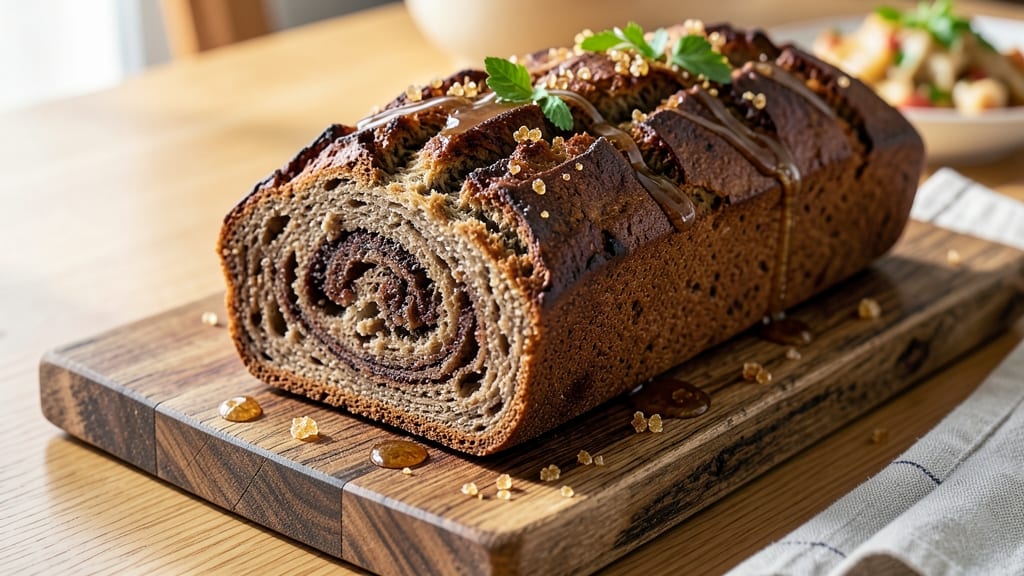
America’s Test Kitchen’s deli rye bread recipe delivers the perfect balance of crisp crust, tangy depth, and slices that stay fresh for days. 💛 This isn’t your average rye—it’s a meticulously refined loaf that bakes up with a golden, shatteringly crisp exterior and a dense, flavorful crumb.
The secret lies in precise fermentation, a touch of honey for balance, and a cold proof that develops unmatched flavor complexity. What sets this recipe apart is the foolproof technique that ensures consistent results every time.
We use an autolyse to develop gluten, a cold fermentation for depth, and a steam bath for that signature crackly crust. The tangy rye flavor comes through without overpowering, thanks to a careful blend of dark rye flour and whole grains. No more dry, dense loaves—this is restaurant-quality at home.
By the time you pull it from the oven, you’ll have a loaf with a crust so crisp it snaps, a crumb that’s dense yet tender, and a tangy flavor that lingers. The best part? It slices cleanly and evenly, perfect for sandwiches or toast.
This is the kind of bread that makes you question why you ever bought store-bought again. Ready to master it? Let’s get started with the exact measurements and techniques that make this recipe reliable and delicious.
Ingredients for america's test kitchen deli rye bread
This is the exact ingredient lineup that delivers America's Test Kitchen's signature crisp crust and tangy crumb.
| Ingredient | Amount | Notes |
|---|---|---|
| Dark Rye Flour 🌾 | 3 cups | High-extraction for maximum tang |
| All-Purpose Flour 🌾 | 1 cup | For structure and lift |
| Vital Wheat Gluten 🌾 | ½ cup | Boosts protein for chewiness |
| Active Dry Yeast 🍞 | ¼ oz | Or 1 packet instant yeast |
| Granulated Honey 🍯 | ¼ cup | Balances rye's acidity |
| Light Brown Sugar 🍚 | ¼ cup | Enhances caramelization |
| Coarse Kosher Salt 🧂 | 1 ½ tsp | Diamond Crystal preferred |
| Cold Water 💧 | 1 ½ cups | Chilled to 60°F for control |
| Extra-Virgin Olive Oil 🫒 | 1 tbsp | For dough enrichment |
| Cornmeal 🌽 | ¼ cup | For dusting parchment |
| Ice Cubes ❄️ | 1 cup | For steam bath |
| Rye Berries 🌾 | ¼ cup | Optional for texture |
The dark rye flour is non-negotiable here—King Arthur or Bob's Red Mill are the gold standards, but any high-extraction rye will work. If your local grocery store doesn't carry it, King Arthur's website ships fast. The vital wheat gluten might be in the baking aisle or online—it's what gives that signature chew. Pro tip: Toast the rye berries lightly before adding for extra depth. The honey should be raw or high-quality store-bought—Madhava or local apiary brands are ideal, but any light honey works in a pinch. For the yeast, Saf-Instant is my go-to because it doesn't need proofing.
No dark rye flour? Substitute 2 cups whole wheat flour plus 1 tbsp vinegar—it won't be identical, but you'll still get that tang. Running low on olive oil? Avocado oil works just as well. The cornmeal can be swapped for semolina if you're making a big batch. For the steam bath, if you don't have ice cubes, a metal bowl of boiling water on the oven rack works too. The rye berries? Skip them if you can't find them—this recipe works beautifully without. For extra tang, add 1 tsp malt powder if you've got it lying around.
The dough keeps best in the fridge for 24 hours after mixing, but no longer—it needs time to develop flavor. Shape it into a log, wrap tightly in plastic, and store on the counter for 8-12 hours before baking. The baked loaf stays fresh for 3 days at room temperature wrapped in a cotton towel, or 1 week in the fridge. For longer storage, freeze the whole loaf (unwrapped) for up to 3 months
Why You'll Love This Recipe
- Here’s what sold me: this bread turns any lunch into a meal. Slap some smoked turkey on it for a deli classic, or go full charcuterie with sharp cheddar and mustard. It’s sturdy enough to hold up to wet ingredients (looking at you, pastrami), but still soft enough to eat without a knife. (Yes, even on a Tuesday night.)
- No-Knead Nightmare Solved: I’ll admit, I used to dread rye bread—too much fuss, too much waiting. But this recipe? Just mix the dark rye flour, all-purpose flour, and that vital wheat gluten in a bowl, add warm water and honey, and let the yeast do the work. No punching, no rolling, no stress—just fold once and let it rise overnight. That’s it. Honestly, I set it before bed and wake up to golden perfection.
- Honeyed Depth You’ll Crave: Between us, most store-bought deli rye tastes like cardboard with a hint of regret. This? The dark rye flour gives it that rich, earthy bite, but the honey—just a touch—softens it into something almost sweet. That crispy crust? The gluten’s secret weapon. It’s the kind of bread you’ll reach for when you’re actually hungry, not just snacking.
- Weeknight Sandwich Hero: Here’s what sold me: this bread turns any lunch into a meal. Slap some smoked turkey on it for a deli classic, or go full charcuterie with sharp cheddar and mustard. It’s sturdy enough to hold up to wet ingredients (looking at you, pastrami), but still soft enough to eat without a knife. (Yes, even on a Tuesday night.)
Step-by-step instructions for america's Test Kitchen deli rye bread
Here's the foolproof method for that iconic deli-style rye—crusty exterior, tangy crumb, and slices that hold up perfectly.
👨🍳 Step 1: Mix the Dough with Precision
In a large mixing bowl, combine the 3 cups dark rye flour, 1 cup all-purpose flour, 0.5 cup vital wheat gluten, 1.5 tsp coarse kosher salt, and 0.25 oz active dry yeast. This flour blend is what gives deli rye its signature chewiness and depth of flavor. Mix these dry ingredients thoroughly with a wooden spoon or your hands until evenly distributed—this ensures consistent texture throughout the loaf.
Create a well in the center and add the 0.25 cup granulated honey, 0.25 cup light brown sugar, 1 tbsp extra-virgin olive oil, and 1.5 cups cold water. The cold water is crucial here—it prevents the yeast from activating too quickly and helps control the fermentation process. Mix with a wooden spoon until a shaggy dough forms, then turn it out onto a lightly floured surface and knead for 8-10 minutes until smooth and elastic. You're building gluten now, which will give your bread that perfect structure and chew.
🥘 Step 2: First Fermentation with Controlled Conditions
Shape the dough into a loose ball and place it back in the mixing bowl. Cover tightly with plastic wrap and let it rest at room temperature for 1 hour. This initial fermentation allows the gluten to relax and the dough to develop flavor. I like to place the bowl in a slightly warm spot—around 75°F—to encourage gentle activity without overproofing. After an hour, the dough should have nearly doubled in size and feel noticeably lighter when pressed gently with a finger.
Here's where the magic happens: punch down the dough to release air, then shape it into a 12-inch log about 3 inches in diameter. The log shape is key for that classic deli rye look. Place it seam-side down in a greased 9x5-inch loaf pan, cover again, and let it rise for another 1-2 hours until it's just about overflowing the pan. The dough should spring back slowly when poked—this tells you it's ready for the oven. If it springs back too quickly, it needs more time; if it leaves a dent, it's overproofed.
🔥 Step 3: Create Steam and Bake to Perfection
Preheat your oven to 375°F with a steam pan inside (fill a small baking dish with water and place it on the lower rack). The steam is what creates that beautiful, crispy crust we're after. Once the oven is fully preheated, carefully transfer the dough-filled pan to the oven, placing it directly on the middle rack. Pour the 1 cup ice cubes over the dough immediately—this creates an instant steam bath that mimics a commercial bread oven.
Bake for 40-45 minutes until the bread is deep golden brown and sounds hollow when tapped on the bottom. The internal temperature should reach 190-200°F at the center. Don't open the oven during baking—this would collapse the crust and release steam too early. If the top browns too quickly, tent loosely with aluminum foil after 20 minutes to prevent over-browning while still allowing steam to circulate.
⏰ Step 4: Cool and Slice for Maximum Freshness
Remove the bread from the pan and place it on a wire rack to cool completely—this can take 2-3 hours. I know it's tempting to slice into that warm, fragrant loaf immediately, but patience here is crucial. Cooling allows the internal structure to set, ensuring clean slices that hold their shape. The bread should be completely cool before slicing—this prevents gummy texture and gives you those perfect, even slices that deli counters are famous for.
Once fully cooled, slice the bread into ¼-inch thick pieces using a sharp serrated knife. For the best results, store the bread wrapped in plastic wrap in the refrigerator for up to 5 days or freeze for up to 3 months. When you're ready to serve, simply toast the slices in a toaster or pan until golden and crispy—you'll get that authentic deli-style crunch that makes this bread worth every minute of the process.
Pro Tips For Making America'S Test Kitchen Deli Rye Bread
- Weigh Your Flours: DESCRIPTION: The ATK recipe calls for precise ratios of dark rye and all-purpose flour—don’t eyeball it. A kitchen scale makes all the difference, especially with rye’s density. I used to guess, and the texture always came out uneven. Trust me, 10 seconds with a scale saves 30 minutes of frustration later.
- Hydrate the Gluten First: DESCRIPTION: Mix the vital wheat gluten with the honey and warm water before adding it to the dry ingredients. This ensures even distribution—gluten clumps like a stubborn teen if you toss it in dry. I learned this after my first loaf turned out gummy in spots.
- Skip the Overproofing: DESCRIPTION: The dough’s ready when it’s just puffy and springs back slowly—no waiting for it to collapse. Overproofed rye dough loses its structure, and you’ll end up with a dense, sad loaf. I’ve ruined three batches by checking my phone instead of the dough. Set a timer.
- Steam the First 20 Minutes: DESCRIPTION: Place a metal tray on the oven rack before baking, then add boiling water when you load the dough in. The steam creates that crackly crust and keeps the crumb tender. I skipped this once and got a brick. Not worth it.
Creative variations of this recipe
Sweet & Spiced Twist
Add 1 tsp cinnamon and ½ tsp cardamom to the dough for a warm, aromatic variation. I like to pair this with ½ cup chopped dried apricots or candied ginger for sweetness that balances the rye's tang.
Brush the baked loaf with 1 tbsp melted butter mixed with 1 tsp honey before serving for extra richness. This version works beautifully with spiced tea or as a breakfast toast. 🍯
Herb & Garlic Infusion
Stir 2 tbsp chopped fresh rosemary and 1 tbsp minced garlic into the dough during the initial mix. For extra depth, add 1 tbsp olive oil-infused garlic (blend 4 garlic cloves with 2 tbsp olive oil and strain) to the water before mixing.
This version tastes amazing with roasted meats or as a side for hearty stews. The herbs add a fresh contrast to the rye's earthiness. 🌿
Seeded & Nutty Crunch
Mix in ¼ cup toasted sesame seeds, ¼ cup chopped walnuts, and 2 tbsp poppy seeds during the final knead. For extra crunch, sprinkle 1 tbsp everything bagel seasoning on top before baking.
This variation adds texture and pairs perfectly with hummus or cream cheese. Store the extra seeds in an airtight container in your pantry for up to 3 months. 🌰
Savory Onion & Cheese
Add ½ cup finely chopped red onion and ½ cup shredded sharp cheddar cheese to the dough after the first rise. The onions caramelize slightly during baking, adding sweetness, while the cheese melts into the crumb for a gooey texture.
This version is ideal for sandwiches or as a side with soups. Use Monterey Jack if you prefer a milder flavor. 🧀
Whole Grain Boost
Replace 1 cup of the dark rye flour with 1 cup whole wheat flour for a nuttier, heartier loaf. Add ¼ cup rolled oats to the dough for extra texture and fiber. This variation has a denser crumb but still maintains the crisp crust.
It's perfect for those who love a more rustic, wholesome bread. Pair it with roasted vegetables or as a base for open-faced sandwiches. 🌾
Jalapeño & Honey
For a spicy-sweet kick, mix 2 tbsp finely chopped jalapeño (seeds removed) and 1 tbsp honey into the dough. Brush the baked loaf with a mixture of 1 tbsp melted butter and 1 tsp hot honey before serving.
This version is fantastic with pulled pork or as a side for spicy dishes. The heat and sweetness balance beautifully. 🌶️
Nutrition facts
Frequently asked questions
Why does this recipe use vital wheat gluten?
The vital wheat gluten boosts protein content, giving the bread its signature chewiness and dense crumb. Without it, the loaf would be too crumbly and lack the satisfying texture that makes deli rye bread stand out. Think of it as the secret weapon for that perfect balance between crisp crust and tender interior.
Can I make this bread without a loaf pan?
Yes! Shape the dough into a 12-inch log and place it on a parchment-lined baking sheet. For extra crispiness, bake it directly on the parchment with a steam bath. The crust will be slightly different but still delicious. Just expect a wider, flatter loaf instead of the classic tall shape.
What's the best way to store leftover slices?
Wrap cooled slices in plastic wrap and store them in an airtight container in the fridge for up to 5 days. For longer storage, freeze slices on a tray first (to prevent sticking), then transfer to a freezer bag for up to 3 months. Toast directly from frozen for maximum crispiness!
Why did my bread turn out too dense?
Overproofing or under-kneading are the most common culprits. Make sure your dough springs back slowly when poked (not quickly) and that you kneaded for the full 8-10 minutes. Also check your yeast - if it's old or the water was too warm, it may have activated too quickly. For next time, try a shorter proofing time or use fresh yeast.
How can I make this bread more tangy?
Add 1 tsp malt powder or 1 tbsp rye vinegar to the dough during mixing. For extra depth, replace ½ cup of the water with ½ cup cold buttermilk. These adjustments will enhance the natural acidity of the rye flour without overpowering the bread's flavor.