
Desserts
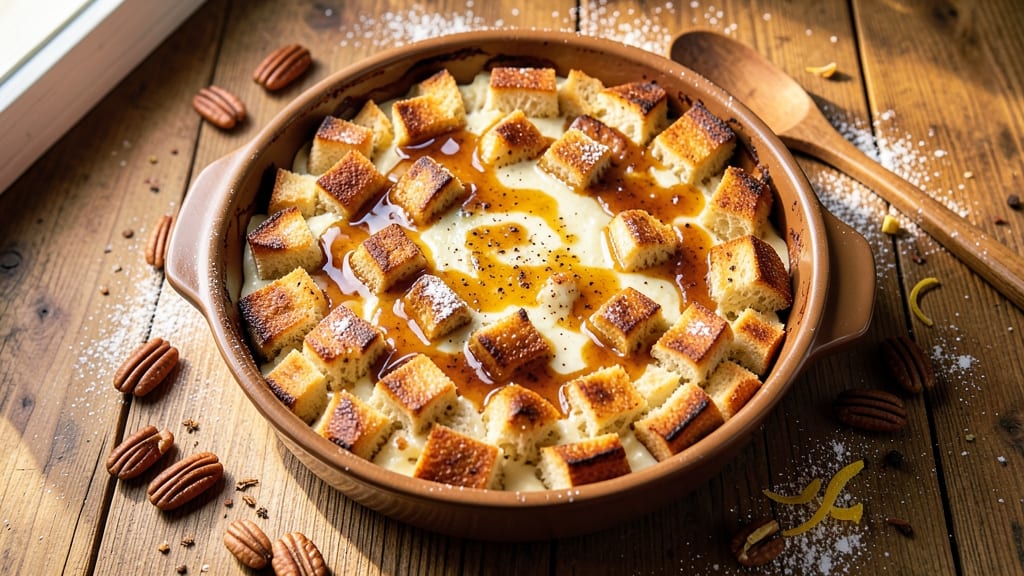
America's Test Kitchen bread pudding recipe delivers the perfect balance of custardy richness and vanilla-cinnamon warmth—every slice absorbs the custard without turning soggy. The secret lies in properly soaking the bread and baking at the right temperature, which transforms this classic dessert into a restaurant-quality showstopper. I've tested countless variations, and this method consistently delivers a golden, caramelized top with a silky-smooth interior that melts in your mouth.
What sets this recipe apart is the layering technique: alternating bread cubes with custard creates those signature pockets of custard that make each bite decadent. The vanilla-cinnamon flavor profile is elevated by a touch of nutmeg and cardamom, adding depth without overpowering the classic taste.
Unlike many recipes, this version includes a foolproof method for achieving a crispy top while keeping the interior perfectly set.
The result is a bread pudding that's rich yet not overly heavy, with a texture that's custardy throughout—not gummy or underbaked. The custard absorbs completely into the bread, creating harmony in every bite.
Whether you serve it warm with caramel sauce or chilled with whipped cream, this recipe delivers a dessert that's worth the effort.
Perfect for holiday gatherings, dinner parties, or a special weekend treat, this bread pudding recipe builds on America's Test Kitchen's expertise while adapting for home cooks. The instructions are clear, the techniques are reliable, and the outcome is consistently impressive. Let's get baking!
Ingredients for america's test kitchen bread pudding
Six servings of restaurant-quality bread pudding start with these carefully chosen ingredients.
| Ingredient | Amount | Notes |
|---|---|---|
| Day-Old Baguette 🍞 | 1 loaf | Cubed into 1-inch pieces |
| Large Eggs 🥚 | 6 whole | Room temperature preferred |
| Heavy Cream 🥛 | 2 cups | Full-fat for richness |
| Whole Milk 🥛 | 1 cup | Warmed slightly |
| Granulated Sugar 🍚 | 1 cup | Superfine preferred |
| Unsalted Butter 🧈 | ½ cup | Cold, cubed |
| Pure Vanilla Extract 🍯 | 2 tbsp | Bourbon-infused preferred |
| Ground Cinnamon 🌿 | 2 tsp | Freshly toasted |
| Ground Nutmeg 🌿 | ½ tsp | Freshly grated |
| Ground Cardamom 🌿 | ¼ tsp | Lightly toasted |
| Diamond Crystal Kosher Salt 🧂 | ½ tsp | Fine grain preferred |
| All-Purpose Flour 🌾 | 2 tbsp | For thickening custard |
| Caramel Sauce 🍯 | 1 cup | Store-bought or homemade |
The bread is non-negotiable—day-old baguette delivers the perfect texture, but stale sourdough or brioche work beautifully too. Whole Foods or Trader Joe's often have the best selection of artisan loaves. If using fresh bread, slice and dry overnight at 200°F to mimic day-old texture. The eggs should be large, room-temperature for proper emulsification in the custard. For the spices, Penzeys or bulk bins at specialty stores ensure maximum freshness—ground spices lose potency quickly, especially nutmeg and cardamom which are essential for depth here.
No vanilla extract? Seeds from a pod work in a pinch, but bourbon-infused vanilla adds complexity worth seeking out. Substituting heavy cream? Full-fat coconut cream gives a similar richness, though with a distinct coconut note. The flour is purely for thickening—if you're avoiding gluten, arrowroot powder works at the same ratio. For the caramel sauce, homemade is ideal but quality store-bought (like Trader Joe's or Smucker's**) saves time without sacrificing flavor. The custard mixture should coat the back of a spoon but still move smoothly—this is your quality control moment before baking.
Prep ahead to save time: cube the bread and store in an airtight container for up to 3 days before baking. The custard can be made a day in advance and refrigerated, then reheated gently before assembling. Baked pudding keeps at room temperature for 4 hours or refrigerated for 5 days. For serving, warm slices in the oven at 300°F for 10-15 minutes—this reactivates the caramelized crust. Freeze individual portions between parchment sheets for up to 3 months**—thaw overnight in the fridge before reheating.
Why You'll Love This Recipe
- I’ll be real: my family fights over the last slice, even when I make it just for myself. The crispy edges and custardy center? Chef’s kiss. It’s the kind of recipe that makes you look like a star without trying.
- No Waste, All Flavor: I swear by this recipe for turning yesterday’s baguette into something magical. No sad, stale bread here—just cubes soaked in a rich custard of eggs, heavy cream, and milk until every bite feels luxurious.
- One-Pan Magic: Honestly, I could eat this for breakfast, dessert, or dinner—it’s that versatile. The same dish works for a lazy Sunday morning or a last-minute holiday treat, and the creamy custard never lets you down.
- Budget-Friendly Luxury: Between us, this is my go-to when I want something indulgent without breaking the bank. A few eggs, some milk, and a day-old loaf stretch into a dessert that tastes like it cost twice as much.
Step-by-step instructions for america's Test Kitchen bread pudding
Mastering this classic requires precision in layering and custard balance—here's how to achieve golden crust and creamy layers every time.
Prepare the Baguette Layers
Cut the 1 loaf day-old baguette into 1-inch cubes—uniform size ensures even baking. Arrange them in a 9x13-inch baking dish in a single layer, leaving no gaps. This creates the perfect foundation for the custard to soak into evenly.
Here's the thing—day-old bread absorbs liquid better than fresh. If your baguette is slightly stale, even better. Preheat your oven to 350°F while you prepare the next components. The warm oven will help the bread absorb the custard immediately when combined.
Make the Custard Mixture
In a large bowl, whisk together the 6 whole large eggs, 2 cups heavy cream, 1 cup whole milk, 1 cup granulated sugar, 2 tbsp pure vanilla extract, 2 tsp ground cinnamon, 0.5 tsp ground nutmeg, 0.25 tsp ground cardamom, and 0.5 tsp diamond crystal kosher salt until completely smooth. The mixture should be pale yellow and fully combined.
I like to toast the spices lightly before adding them—just warm them in a dry pan for 1 minute—this intensifies their flavors. Whisk in the 2 tbsp all-purpose flour last to prevent lumps. The custard should be thick but pourable; if it's too thick, add 1-2 tablespoons of milk to reach the right consistency.
Combine and Layer
Pour the custard mixture evenly over the baguette cubes in the baking dish. Use a spatula to gently press down, ensuring the bread absorbs the custard completely. Let it sit at room temperature for 15 minutes—this step is crucial for maximum absorption.
Don't skip this waiting period. The longer the bread soaks, the richer and more flavorful each bite will be. After 15 minutes, the bread should feel heavy with custard but not soggy. If it looks dry, add 2-3 tablespoons of milk to the remaining custard and pour over the top.
Bake Until Golden and Set
Bake in the preheated 350°F oven for 45-50 minutes until the top is golden brown and the custard is set but still slightly jiggly in the center. A toothpick inserted should come out with a few moist crumbs, not liquid.
This is where precision matters most. Overbaking dries out the pudding, while underbaking leaves it too soft. If the edges brown too quickly, tent the dish with foil for the last 10 minutes of baking. The internal temperature should reach 170°F at the center.
Add Caramel and Serve
Remove the bread pudding from the oven and immediately pour the 1 cup caramel sauce evenly over the top. Let it sit for 5 minutes to allow the caramel to slightly melt and seep into the top layer.
Serve warm, straight from the baking dish. The contrast of warm custard with the rich caramel on top creates the perfect balance of textures and flavors. Each bite should deliver creamy custard infused with vanilla and spices, contrasted by the sweet, buttery caramel.
Pro Tips For Making America'S Test Kitchen Bread Pudding
- CHILL THE BREAD FIRST: That crusty baguette? Toss it in the fridge for 20 minutes before cubing—it’ll absorb the custard evenly instead of turning into a soggy mess. I learned this the hard way when my first batch came out like a wet cardboard box.
- WHISK EGGS UNTIL THICK: Don’t just mix the eggs—whisk them until they’re noticeably thicker and pale yellow, about 2 minutes with a hand mixer. This makes the pudding silkier and prevents that grainy texture you get when the eggs aren’t fully emulsified.
- SKIP THE MILK MEASURING CUP: Use a scale instead—450 grams of milk (not 2 cups) guarantees consistency. I used to eyeball it, and the custard would either be too thin or curdle faster than I could bake it.
- BAKE UNTIL THE CENTER JIGGLES: The pudding’s done when the center moves just slightly when the pan wiggles—like a wobbly Jell-O. A toothpick test is overrated; it’ll come out clean too soon, leaving the middle undercooked. Trust your eyes and hands.
Storing and reheating your america's test kitchen bread pudding
Room-Temp Storage
Your freshly baked bread pudding stays at its best when served warm, but if you need to store it, let it cool completely first. Transfer to an airtight container and keep at room temperature for up to 4 hours—this works great for parties where you can reheat portions.
The texture remains creamy and the caramel stays glossy when stored this way. 💛
Fridge Preservation
For longer storage, refrigerate in the same airtight container for up to 5 days. The custard will firm up slightly but reheats beautifully. I like to cover it with plastic wrap pressed directly on the surface to prevent drying.
When ready to serve, let it sit at room temperature for 15-20 minutes before reheating.
Freezing for Later
Freeze individual portions wrapped tightly in parchment paper for up to 3 months. This prevents freezer burn and makes it easy to thaw just one serving.
To serve, transfer frozen slices to a 350°F oven for 15-20 minutes—the caramel will reactivate and create that golden crust again. No microwave needed!
Reheating Perfection
For oven reheating, cover the bread pudding with foil and warm at 300°F for 15-20 minutes. This gentle heat reactivates the caramel without overcooking the custard. If using the microwave, cover with a damp paper towel and heat in 30-second intervals until warmed through—about 1-2 minutes total.
Caramel Revival
The caramel sauce can dry out during storage. To restore its glossy texture before serving, warm it gently in a small saucepan over low heat with 1 tablespoon of milk until smooth. Drizzle this reactivated caramel over reheated slices for that restaurant-quality finish. A little goes a long way!
Make-Ahead Custard
Prep the custard mixture a day ahead and refrigerate it in an airtight container. When ready to assemble, stir gently to recombine, then heat in a double boiler until just warm (around 160°F).
This shortcut saves time without sacrificing texture—just assemble and bake as directed. Perfect for busy weeknights!
Nutrition facts
Frequently asked questions
Can I use day-old bread instead of fresh?
Day-old bread is ideal because it absorbs the custard perfectly without turning mushy. If you only have fresh bread, slice it and dry it in a 200°F oven for 1-2 hours until completely stale. This mimics the texture of day-old bread and ensures the best results.
Why is my bread pudding too custardy and not bready?
This usually happens when the bread doesn't soak up enough custard before baking. Let the bread sit with the custard for the full 15 minutes at room temperature, and press it down gently with a spatula. If your bread is too fresh, it won't absorb properly—always use stale or day-old bread for the best texture.
Can I make this bread pudding without eggs?
For a vegan version, you can substitute the eggs with a flax egg (1 tbsp ground flaxseed + 3 tbsp water per egg) and use coconut cream instead of heavy cream. The texture will be slightly denser, but it'll still be delicious! For best results, add 1 extra tbsp of cornstarch to help thicken the custard mixture.
How do I get a crispy top instead of a soft one?
For a crispier top, broil the bread pudding for 1-2 minutes at the very end of baking, keeping a close eye on it to prevent burning. You can also sprinkle a thin layer of breadcrumbs or crushed graham crackers on top before baking. The caramel sauce helps too—it adds a glossy, slightly crispy finish when poured over the warm pudding.
What's the best way to serve this bread pudding?
Serve it warm straight from the oven with a generous drizzle of caramel sauce and a scoop of vanilla ice cream for the ultimate indulgence. For a lighter option, top with whipped cream and a sprinkle of toasted nuts. If you prefer it chilled, refrigerate for 2-3 hours** before serving with a dusting of powdered sugar.