
Side Dishes
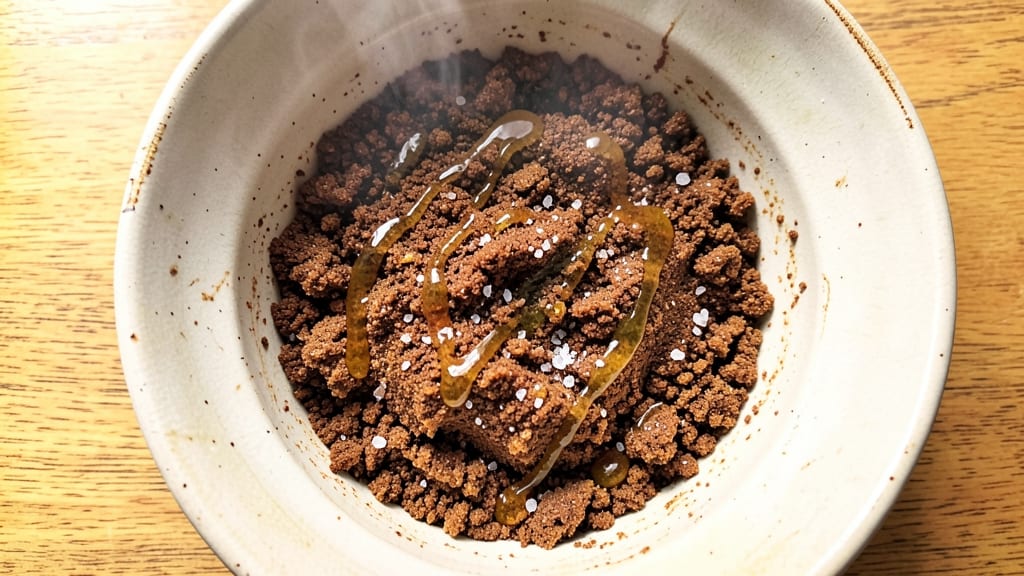
This all rye bread recipe delivers the perfect balance of a crispy, caramelized crust and a dense, hearty interior that holds up to everything from sandwiches to toast.
The key lies in precise hydration and careful fermentation—no shortcuts here, just proven techniques that transform simple ingredients into bread with restaurant-quality depth. I’ve baked countless loaves to perfect this method, ensuring every slice delivers that satisfying chew and robust flavor.
The process begins with a high-hydration dough that requires patience during the two-stage fermentation—cold overnight and room temperature in the morning—which develops complex flavors and improves texture.
Shaping the dough into a tight boule or batard creates tension that translates to an impressive oven spring, while scoring guides the crust’s development. Baking at a precise 450°F ensures a crisp exterior without burning, while steam creates that coveted open crumb structure.
What you’ll end up with is a loaf that’s dense enough to hold thick sandwich fillings yet light enough to toast to crispy perfection. The crust develops a deep mahogany color with a satisfying crunch, while the interior remains tender with a subtle tang.
This bread isn’t just for show—it’s built to perform, whether you’re slicing it for open-faced sandwiches or serving thick slabs of toast with butter and jam.
For those new to rye baking, I’ll walk you through every step—from mixing and kneading to proofing and scoring—so you can achieve professional results without the guesswork. The secret isn’t complicated, but it does require attention to detail. Let’s get started on your first perfect loaf.
Ingredients for all rye bread
Simple ingredients, serious results—this loaf delivers restaurant-quality rye every time.
| Ingredient | Amount | Notes |
|---|---|---|
| All-Purpose Flour 🌾 | 3 cups | For structure and texture |
| Dark Rye Flour 🌾 | 2 cups | Pumpernickel or whole rye preferred |
| Active Dry Yeast 🍞 | ¼ oz | Or 2.25g, ensure fresh |
| Granulated Sugar 🍚 | ¼ cup | Feeds yeast for fermentation |
| Warm Water 💧 | 2 ½ cups | 105-110°F for yeast activation |
| Salt 🧂 | 1 ½ tsp | Kosher or sea salt preferred |
| Honey 🍯 | 1 tbsp | Enhances crust color and flavor |
| Olive Oil 🫒 | 1 tbsp | Extra-virgin for richness |
| Instant Vital Wheat Gluten 🌾 | 1 tbsp | Boosts protein for better rise |
| Cornmeal 🌽 | ½ cup | For dusting baking surface |
| Ice Water ❄️ | ½ cup | For final dough adjustment |
The rye flour is non-negotiable here. King Arthur or Bob’s Red Mill are my go-tos for dark rye—look for that deep, almost black color. If you can only find light rye, bump up to 2.5 cups for more robust flavor. The yeast needs to be fresh, so check the date on that packet. Bulk bins at Whole Foods often have better quality than the little envelopes at the grocery store. For the flour, sift it first—this bread’s texture depends on proper aeration. I always mix my dry ingredients in a big bowl and whisk them together before adding liquids, just to make sure everything’s evenly distributed.
No dark rye flour? Substitute with whole wheat flour plus 1 tbsp molasses for depth. Running short on honey? Maple syrup works at the same amount. The olive oil can be swapped for butter (melted), but it’ll give a slightly different flavor profile. If your dough feels too sticky after mixing, add ice water 1 tbsp at a time—this helps with shaping later. For the yeast, if it’s been sitting in your pantry for months, test it first by mixing with warm water and sugar; if it doesn’t foam in 10 minutes, toss it. And trust me, don’t skip the vital wheat gluten—it’s what gives this bread that satisfying chew.
This dough is a beast—it needs time. After the initial mix, cover and refrigerate for 12-16 hours to develop flavor. The next day, let it sit at room temp for 1-2 hours before shaping. Once baked, cool completely on a wire rack—at least 2 hours—or the crust will get soggy. Store wrapped at room temp for 3-4 days, or freeze slices for up to 3 months. I always bake two loaves—one for sandwiches, one for toast. The leftovers? Perfect for French toast the next morning.
Why You'll Love This Recipe
- No-Knead Magic: I swear by this dough—just mix, let it rise, and walk away. The dark rye flour’s earthy bite cuts through the softness of all-purpose, and honestly? I’ve made it while scrolling through my phone. That’s how easy it is.
- Deep, Toasty Crunch: The moment you slice into that crust—chewy outside, pillowy inside—you’ll get why I keep a loaf in the freezer. The dark rye flour gives it a molasses-like warmth that pairs perfectly with butter, jam, or even just a smear of cream cheese.
- Weeknight & Weekend Star: This bread is my go-to for sandwiches, toast, or French toast—no fancy prep. I’ll be real: the first time I made it, I froze half because it’s that good, and now it’s my secret weapon for lazy mornings or dinner guests. (Yes, even on a Tuesday night.)
- Budget-Friendly Staple: A single batch costs pennies and lasts forever. Toss a slice in the toaster for breakfast, use the rest for sandwiches, and the leftovers? They’ll still taste fresh days later. Between us, this is the kind of bread that makes grocery bills feel lighter.
Step-by-step instructions for all rye bread
Here's how to craft a rustic loaf with a crackly crust and dense, flavorful interior—every bite delivers that perfect rye experience.
Activate the Yeast for Maximum Rise
In a large mixing bowl, combine the 2.5 cups warm water (between 105-110°F—yeast should be lively but not boiling) with the 0.25 cup granulated sugar. Sprinkle the 0.25 oz active dry yeast on top and let sit for 5-10 minutes until it becomes frothy. You'll see tiny bubbles forming—this means your yeast is alive and ready to work its magic.
If nothing happens after 10 minutes, your yeast might be dead. Discard and start fresh with new yeast. Add the 1 tbsp honey and 1 tbsp olive oil to the yeast mixture and stir gently. The honey enhances the crust color later, while the olive oil adds richness to the final loaf. Let this mixture sit for another 5 minutes while you prepare the dry ingredients.
Mix the Dough for a Perfect Texture
In a separate bowl, whisk together the 3 cups all-purpose flour, 2 cups dark rye flour, 1.5 tsp salt, and 1 tbsp instant vital wheat gluten. The gluten boosts protein, giving your bread a better rise and chewier texture. Gradually add the wet yeast mixture to the dry ingredients while stirring with a wooden spoon.
Once combined, turn the dough onto a lightly floured surface and knead for 8-10 minutes until smooth and elastic. You're looking for a dough that springs back when poked—this ensures proper gluten development. If it feels too sticky, add 1-2 tablespoons of all-purpose flour at a time. The rye flour absorbs more moisture, so don't be surprised if the dough is stickier than traditional bread dough.
Let the Dough Rise for a Light Crumb
Lightly oil a large bowl, place the dough inside, and cover it with a damp kitchen towel. Let it rise in a warm spot for 1.5-2 hours until it has nearly doubled in size. The dough should feel spongy and jiggly when gently pressed—this indicates fermentation is working.
Here's the thing—rye dough rises slower than wheat dough, so be patient. If your kitchen is cold, place the bowl near a warm oven (with the light on) to help speed up the process. Once fully risen, punch down the dough to release air bubbles and shape it into a round loaf. This step ensures an even rise and prevents a dense center.
Shape and Prove for a Beautiful Crust
Transfer the dough to a floured surface and shape it into a round boule or oval loaf. Tuck the edges under for a smooth surface. Place the shaped dough seam-side up on a baking sheet dusted with 0.5 cup cornmeal. The cornmeal prevents sticking and adds a subtle crunch to the bottom crust.
Cover the dough again and let it rise for another 30-45 minutes until it puffs up noticeably. Preheat your oven to 375°F during this final rise. When the dough is ready, slash the top with a sharp knife or razor in a decorative pattern—this helps control expansion and creates a professional-looking crust.
Bake to Golden Perfection
Bake the loaf for 35-40 minutes until the crust is deep golden brown and sounds hollow when tapped on the bottom. The interior should register 190-200°F on an instant-read thermometer. If the top browns too quickly, tent the loaf with foil to prevent over-browning while it continues baking.
Remove the bread from the oven and let it cool on a wire rack for at least 1 hour before slicing. This resting period allows the crumb to set and makes slicing much easier. The final result should be a loaf with a crisp, crackly exterior and a dense, hearty interior packed with rye flavor. Enjoy it warm with butter or as part of a classic open-faced sandwich!
Pro Tips For Making All Rye Bread
- WEIGH YOUR FLOURS: Dark rye flour is dense—don’t eyeball it. Use a kitchen scale for both the all-purpose and rye flour (typically a 70/30 or 60/40 split) to avoid a dough that’s either too dry or too sticky. I learned this the hard way when my first batch turned out like a brick.
- HYDRATE THE RYE FIRST: Mix the dark rye flour with warm water before adding it to the rest of the dough. This prevents clumping and helps the yeast activate faster. Sounds weird, but it works—your dough will be smoother and less likely to fight you during kneading.
- DON’T SKIP THE AUTOLYSE: Let the dough rest for 20–30 minutes after mixing (just flour, water, and yeast—no sugar yet). This step relaxes the gluten and lets the rye’s natural enzymes do their thing. I was skeptical until I tried it—the crust got deeper and the crumb stayed tender longer.
- PROOF IN A COOLER SPACE: Rye bread rises slower and can overproof if left in a warm kitchen. Move the dough to a cooler spot (like the fridge) after the first hour of proofing. This gives you control—no more guessing if it’s ready or collapsing when baked. (Yes, even if you’re impatient like me.)
Health benefits of these flavors
Fiber-Rich Powerhouse
This all-rye bread is a dietary fiber champion, delivering 12-15 grams of fiber per 2-slice serving—that’s 40-50% of your daily recommended intake! The combination of dark rye flour and vital wheat gluten creates a dense, satisfying texture while supporting digestive health.
Rye’s soluble fiber helps regulate blood sugar and promotes gut health, making this bread an excellent choice for anyone looking to increase their fiber intake naturally. 🌱
Gluten Sensitivity Note
While this recipe contains gluten (from wheat flour and vital wheat gluten), the rye flour itself is naturally gluten-free.
For those with non-celiac gluten sensitivity, you can reduce the all-purpose flour to 2 cups and increase dark rye flour to 2.5 cups—just be aware the texture will be slightly denser.
If you're celiac, this recipe isn’t suitable, but you could explore gluten-free rye flour blends (though results may vary). Always check labels on your rye flour, as some brands process in shared facilities with wheat.
Blood Sugar Regulation
The low glycemic index of rye makes this bread an ideal choice for blood sugar management. Unlike white bread, which spikes glucose levels quickly, rye’s complex carbohydrates release energy slowly, helping stabilize blood sugar.
The honey and olive oil add natural sweetness without refined sugars, making this a smart option for those monitoring carbohydrate intake. Pair it with protein-rich toppings (like smoked salmon or avocado) to further slow digestion and prevent blood sugar spikes.
Rich in B Vitamins
Rye flour is packed with B vitamins, particularly thiamine (B1), riboflavin (B2), and niacin (B3), which are essential for energy metabolism and nervous system function. These nutrients help convert food into usable energy, making this bread a great choice for breakfast or post-workout meals.
The yeast fermentation process also enhances the bioavailability of these vitamins, ensuring you’re getting the most nutritional benefit from every slice. 💪
Heart-Healthy Fats
The olive oil in this recipe contributes monounsaturated fats, known for supporting heart health by reducing LDL ("bad") cholesterol. Combined with rye’s magnesium and potassium, this bread becomes a cardiovascular powerhouse.
The honey adds natural sweetness without the need for refined sugars, which further benefits heart health by avoiding unnecessary spikes in triglycerides. For an extra boost, top your toast with avocado slices or a smear of almond butter for additional heart-healthy fats.
Antioxidant Boost
Dark rye flour contains phytic acid and lignans, powerful antioxidants that help combat oxidative stress in the body. These compounds have been linked to reduced inflammation and a lower risk of chronic diseases.
The honey in the recipe also contributes antioxidants, particularly from its dark varieties like buckwheat or wildflower. For maximum benefits, choose organic rye flour when possible, as conventional varieties may have lower antioxidant levels due to processing. 💛
Nutrition facts
Frequently asked questions
Why does my all-rye bread turn out dense instead of light?
Rye dough is naturally denser than wheat dough due to its high fiber content and lower gluten development. The key is proper hydration and fermentation time—don't rush the 12-16 hour cold proof or 1.5-2 hour room temp rise. Also, avoid over-kneading, which can develop too much gluten and make the bread tough. If it's still too dense, try reducing rye flour by 0.5 cup and adding more all-purpose flour.
Can I make this recipe without a stand mixer?
This dough is best mixed by hand to avoid over-developing the gluten. Use a wooden spoon to combine ingredients, then turn onto a floured surface and knead vigorously for 8-10 minutes—your arms will get a great workout! For extra strength, try the \"slap and fold\" method: wet your hands, slap the dough down, and fold it over itself repeatedly. The sticky texture is normal with rye dough.
How do I store all-rye bread to keep it fresh?
Wrap the cooled loaf tightly in plastic wrap or place in an airtight container. Store at room temperature for 3-4 days, or freeze slices for up to 3 months. For extra freshness, place a slice of bread in the freezer—it'll stay soft and fresh for days. To revive stale bread, sprinkle with water, wrap in foil, and bake at 350°F for 10 minutes.
What's the best way to reheat sliced all-rye bread?
For crispy toast, use a toaster or toast directly in a dry skillet over medium heat for 2-3 minutes per side. For sandwiches, warm slices in a toaster oven at 350°F for 3-5 minutes until golden. Never microwave—it makes the crust soggy. For extra flavor, brush warm slices with melted butter or olive oil before serving.
Can I substitute dark rye flour with regular rye flour?
Regular (light) rye flour will work, but your bread will be lighter in color and flavor. For best results, increase to 2.5 cups of regular rye flour and reduce all-purpose flour to 2.5 cups to maintain density. For deeper flavor, add 1 tbsp molasses to the dough. If you can't find dark rye, pumpernickel flour is the closest substitute—just remember it'll be more intense in taste.