
Side Dishes
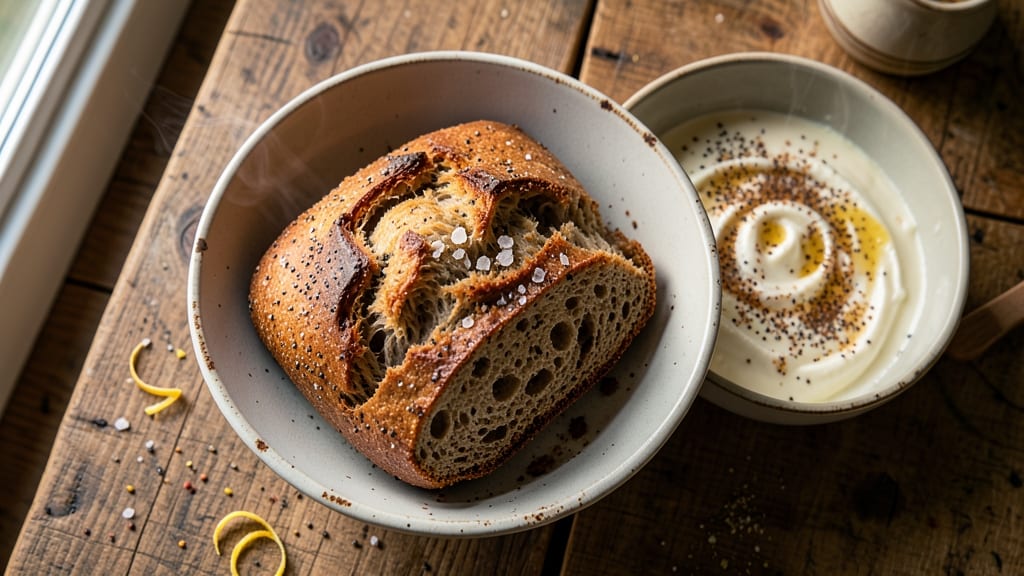
This amazingly easy Irish soda bread recipe delivers that signature rustic crust and tender crumb without yeast or waiting hours—just 30 minutes from start to finish. The secret lies in the chemistry of baking soda and buttermilk, creating a light, airy texture that's perfect for sandwiches or serving alongside soups.
I've perfected this version after years of testing, ensuring it never turns out dense or gummy.
Traditional Irish soda bread relies on just five simple ingredients: all-purpose flour, baking soda, salt, buttermilk, and a touch of sugar for subtle sweetness. The magic happens when you mix it quickly (overmixing leads to toughness), shape it gently, and bake until the crust turns a deep golden brown.
No fancy equipment needed—just a bowl, a knife, and your oven.
What you'll end up with is a loaf of bread with a crisp, crackly crust and a tender, slightly crumbly interior that's packed with buttermilk flavor. The aroma alone will fill your kitchen with nostalgia, and each slice will have that perfect balance of rustic charm and approachable simplicity.
This is the kind of bread that makes you feel like you've just stepped into an Irish cottage kitchen.
For extra character, I recommend topping with coarse seeds or herbs before baking—poppy seeds add a delightful crunch, while fresh rosemary brings a fragrant twist. The best part? This bread stays fresh for days, making it ideal for meal prep or gifting. Let's get started on your perfect loaf.
Ingredients for amazingly easy irish soda bread
Five simple staples plus two optional toppings—this is Irish soda bread at its most magical.
| Ingredient | Amount | Notes |
|---|---|---|
| All-Purpose Flour 🌾 | 3 ½ cups | Sifted for best texture |
| Baking Soda 🧂 | 1 ½ tsp | Freshly opened for potency |
| Salt 🧂 | ½ tsp | Diamond Crystal preferred |
| Buttermilk 🥛 | 1 ¼ cups | Room temperature for best mix |
| Granulated Sugar 🍚 | ¼ cup | Light brown sugar for depth |
| Poppy Seeds 🌻 | 2 tbsp | For classic Irish topping |
| Fresh Rosemary 🌿 | 1 tbsp | Chopped, optional herb topping |
| Unsalted Butter 🧈 | ½ tsp | Melted for crust brushing |
The flour is where the magic happens. King Arthur or Bob's Red Mill are my go-tos—they're finely milled and gluten-rich, giving that perfect tender crumb. If you're using store-brand flour, sift it first to avoid lumps (trust me, it makes a difference). The baking soda needs to be fresh—if it's been sitting in your pantry for months, grab a new box. I always buy mine from Whole Foods or the bulk section at Trader Joe's—they rotate stock more often. For the buttermilk, if you don't have any, mix 1 tablespoon of lemon juice or vinegar with 1 cup of milk and let it sit for 5 minutes. It's a game-changer for that signature tang.
No poppy seeds? Sesame seeds or flaxseeds work beautifully too—just toast them lightly in a dry pan first for extra flavor. Skipping the rosemary? Fresh thyme or a sprinkle of sea salt adds a nice contrast. The sugar can be swapped for honey or maple syrup if you prefer a sweeter loaf, but I find the granulated keeps it classic. For the butter, if you're avoiding dairy, olive oil or coconut oil
This bread stays fresh for 3-4 days if wrapped tightly in a cotton towel (the towel keeps it moist longer than plastic). For longer storage, freeze slices wrapped in parchment paper—they'll stay fresh for up to 3 months350°F oven for 5-7 minutes until warm and crispy. Leftovers make amazing toast or French toast the next day.
Why You'll Love This Recipe
- No Mixer Needed: I swear by this—just toss the dry ingredients in a bowl, make a well, pour in the buttermilk, and fold. No electric mixer, no overmixing, no stress. The dough comes together faster than I can boil water for tea.
- Tangy-Sweet Magic: That buttermilk tang with just a touch of sugar? It’s the secret weapon. The crust gets this golden, slightly crisp bite while the inside stays soft and pillowy—like a hug in bread form. (Yes, even on a Tuesday night.)
- Leftovers That Work: Slice it up and freeze half the loaf. Toast straight from frozen with butter? Absolute game-changer. I keep a batch on hand for sandwiches, toast, or even crumbled over soups when I’m lazy.
- Pantry Staples Only: Four ingredients, zero specialty items. If you’ve got flour, baking soda, salt, and buttermilk, you’re golden. No running to the store mid-recipe—just pull what you’ve got and go. Budget-friendly and foolproof.
Step-by-step instructions for perfect Irish soda bread
Here's how to make this classic Irish soda bread with a crispy crust and tender crumb—no yeast, no fuss, just pure flavor.
Mix the Wet Ingredients Together
In a large mixing bowl, combine the 1.25 cups buttermilk, 0.25 cup granulated sugar, and 0.5 tsp unsalted butter. I like to use room-temperature buttermilk for the best texture—it mixes more smoothly. Stir until the butter is fully melted and incorporated. The mixture should look slightly thick but pourable.
This step is crucial because the buttermilk activates the baking soda, creating that signature rise. If your buttermilk is too cold, the dough may turn out dense. Give it a quick stir now, then let's move to the dry ingredients.
Combine Dry Ingredients and Create the Dough
In a separate bowl, whisk together the 3.5 cups all-purpose flour, 1.5 tsp baking soda, and 0.5 tsp salt. I always sift the flour first—it prevents lumps and ensures even distribution. Add the chopped 1 tbsp fresh rosemary (if using) and mix lightly with a fork.
Make a well in the center of the dry ingredients and pour in the wet mixture. Using a wooden spoon or spatula, gently fold everything together until just combined. You'll notice the dough will be sticky—this is normal! Avoid overmixing, as it can develop gluten and make the bread tough. The dough should hold together when pressed but still feel slightly tacky.
Shape and Prepare the Loaf
Turn the dough onto a lightly floured surface and gently shape it into a round loaf, about 2 inches thick. I like to use my hands, moistened slightly with water to prevent sticking. Place the dough on a parchment-lined baking sheet and brush the top with a little more melted butter for that classic golden crust.
Sprinkle the 2 tbsp poppy seeds evenly over the top—they'll add a beautiful contrast and nutty flavor. This is also where you can get creative! Some people cross their fingers on top for luck, but I just focus on an even seed distribution. Let the dough rest for 5 minutes while you preheat the oven.
Bake to a Golden, Crispy Perfection
Preheat your oven to 375°F. Once hot, place the baking sheet in the center rack and bake for 30-35 minutes, until the bread sounds hollow when tapped on the bottom and the top is a deep golden brown. I usually check at the 25-minute mark—the edges should be pulling away from the parchment slightly.
Don't be tempted to open the oven early! The sudden temperature drop can cause the bread to collapse. When it's done, transfer to a wire rack to cool for 10 minutes before slicing. The crust will be crispy, and the interior will be soft and slightly crumbly—just like Irish soda bread should be.
Serve Warm with Butter
Slice the warm bread and serve with extra butter melting on top—this is where it gets really good! The bread will continue to steam slightly as it cools, keeping it moist. I like to pair it with soups, stews, or even just enjoy it plain with a cup of tea. The poppy seeds add a delightful crunch, while the rosemary gives it a subtle herbal note.
This bread keeps well for 2-3 days at room temperature, but I promise you won't have any leftovers. The simplicity of the ingredients makes the flavor shine through, and the texture is just right—crispy outside, soft inside, with that perfect crumb.
Pro Tips For Making Amazingly Easy Irish Soda Bread
- Measure Baking Soda Precisely: One extra pinch turns your bread from tender to bitter. Use a scale for ½ teaspoon—no eyeballing. Trust me, I’ve tasted the difference after overdoing it twice.
- Mix Buttermilk Last: Combine dry ingredients first, then fold in buttermilk just until the dough holds. Overmixing develops gluten, and soda bread should stay crumbly. Less stirring = better texture.
- Skip the Oven Preheat: Cold oven, hot pan. Place your loaf on a dry baking sheet and bake at 425°F (220°C) for 30 minutes. The residual heat in the oven keeps the bread from drying out—no waiting needed.
- Test Doneness with a Knife: Tap the bottom—it should sound hollow. If unsure, slice a small piece: the center should be moist but not wet. Overbaking turns soda bread gummy, and no one wants that.
Essential equipment for great amazingly easy irish soda bread
Basic Mixing Bowl
You don’t need anything fancy here—a large, sturdy mixing bowl (at least 8 cups capacity) is perfect for combining your ingredients. I use a stainless steel bowl from OXO because it’s easy to clean and prevents sticking, but any bowl will work.
The key is to avoid glass if you’re worried about breakage during mixing. 🥣
Wooden Spoon
A wooden spoon (about 10-12 inches long) is ideal for folding the dough gently without overmixing. I recommend a Maplewood spoon from Sur La Table—it’s durable and adds a rustic touch.
If you don’t have one, a plastic or silicone spatula works too, but avoid metal to prevent over-developing the gluten.
Baking Sheet
Use a half-sheet pan (about 13x18 inches) lined with parchment paper for easy release. A light-colored metal pan (like Wilton’s Half-Sheet Pan) ensures even baking. Avoid dark pans—they can over-brown the crust. Preheat the pan with the dough to avoid temperature shock when it goes into the oven.
Pastry Brush
A small pastry brush (like West Bend’s Silicone Brush) is essential for brushing melted butter on the dough before baking. This creates that signature golden crust.
If you don’t have one, a clean paintbrush or even a paper towel works in a pinch—just be gentle to avoid tearing the dough. 🧴
Measuring Tools
Precision matters! Use a dry measuring cup (for flour) and a liquid measuring cup (for buttermilk). I love OXO’s nested measuring cups—they’re clear, durable, and easy to read. For the baking soda and salt, a small measuring spoon set (like Weck’s) ensures accuracy.
Never scoop flour directly from the bag—spoon it in and level it off for consistency.
Optional: Rolling Pin
If your dough feels too sticky to shape by hand, a lightweight rolling pin (like Norpro’s Silicone-Coated Pin) helps flatten it gently. Avoid pressing too hard—this bread relies on a rustic texture. For extra flair, dust your surface with semolina or cornmeal instead of flour to prevent sticking. 💫
Nutrition facts
Frequently asked questions
Why does my Irish soda bread turn out dense instead of light?
Overmixing the dough develops too much gluten, making it tough. Mix just until combined—stop when the dough holds together but still feels slightly sticky. Also, ensure your baking soda is fresh (old baking soda loses potency) and use room-temperature buttermilk for proper activation. Cold buttermilk slows the reaction, leading to a denser crumb.
Can I make Irish soda bread without buttermilk?
Yes! Mix 1 tablespoon lemon juice or vinegar with 1 cup milk and let sit for 5 minutes to curdle it. This homemade substitute works perfectly. For extra richness, use whole milk instead of skim. The acidity is what activates the baking soda for that signature rise.
How do I store leftover Irish soda bread?
Wrap the cooled loaf tightly in a cotton towel (not plastic) to keep it moist for 3-4 days at room temperature. For longer storage, freeze slices wrapped in parchment paper—they'll stay fresh for 3 months. To reheat, warm slices in a 350°F oven for 5-7 minutes until crispy again.
What's the best way to serve Irish soda bread?
Toasted with Irish butter is classic, but it's also perfect for soup dipping, sandwiches, or as a side with cheese platters. For a sweet twist, spread with clotted cream or jam. The crispy crust holds up well to toppings, making it versatile for breakfast, lunch, or dessert.
Can I add other ingredients like cheese or herbs?
Try sharp cheddar or feta (fold in gently) or fresh herbs like thyme or parsley. For savory versions, omit the sugar. Just remember: the dough is delicate—don't overmix after adding extras. A 1/2 cup max of add-ins keeps the texture light.