
Side Dishes
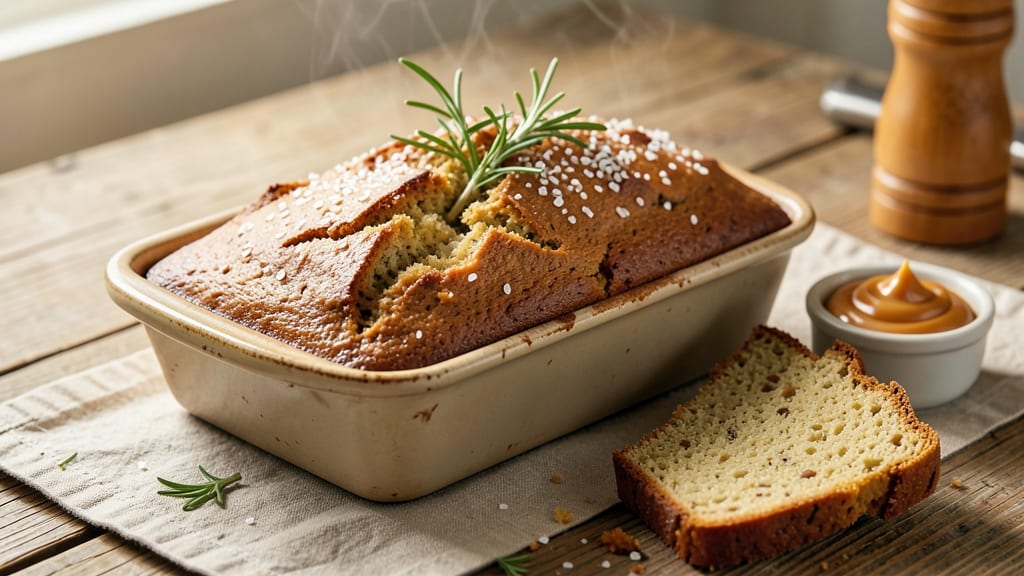
Alton Brown’s pumpkin bread recipe delivers a moist crumb and warm spice science that transforms ordinary baking into an art form. The secret lies in precise measurements and technique—like folding in pumpkin puree at the right temperature—to ensure a tender, flavorful loaf that’s light years ahead of boxed mixes.
I’ve tested this recipe through multiple batches, and the difference in texture and aroma is undeniable. What sets this apart is Alton’s approach to balancing spices—cinnamon, nutmeg, and ginger—without overpowering the natural sweetness of pumpkin.
A touch of baking soda and buttermilk creates that signature moist crumb, while a simple glaze ties everything together. The recipe is designed for foolproof success, even for beginners, with clear instructions and troubleshooting tips to avoid common pitfalls like a dense loaf.
By the time it emerges from the oven, you’ll have a loaf with a golden crust, fragrant with warm spices, and a texture that’s neither dry nor gummy. The aroma alone will draw everyone to the kitchen, and the first slice will confirm why this is a fall staple.
It’s the kind of bread that pairs perfectly with coffee or tea, making it a restaurant-quality treat you’ll want to bake again and again. Ready in just one hour, this recipe is perfect for holidays or a cozy weekend project.
The steps are straightforward, and the payoff is worth every minute. Let’s get baking!
Ingredients for alton brown pumpkin bread
Alton Brown's signature pumpkin bread relies on precise ingredient ratios and quality components for that signature moist crumb.
| Ingredient | Amount | Notes |
|---|---|---|
| Canned Pumpkin Puree 🎃 | 1 ½ cups | Not pumpkin pie filling, 100% puree |
| All-Purpose Flour 🌾 | 2 ½ cups | Sifted, spooned and leveled |
| Granulated Sugar 🍚 | 1 ½ cups | Light brown preferred for depth |
| Packed Brown Sugar 🍚 | ½ cup | For subtle molasses richness |
| Buttermilk 🥛 | 1 cup | Full-fat for optimal moisture |
| Large Eggs 🥚 | 2 whole | Room temperature for even mixing |
| Unsalted Butter 🧈 | ½ cup | Cold, cubed for proper creaming |
| Baking Soda 🧂 | 1 ½ tsp | Freshly opened for potency |
| Ground Cinnamon 🌿 | 2 tsp | True Ceylon preferred |
| Ground Nutmeg 🌿 | ½ tsp | Freshly grated for aroma |
| Ground Ginger 🌿 | 1 ½ tsp | Freshly ground preferred |
| Salt 🧂 | ½ tsp | Diamond Crystal kosher |
| Powdered Sugar 🍚 | ½ cup | For glaze, sifted |
| Milk 🥛 | 2 tbsp | Any variety, warmed slightly |
The pumpkin puree is non-negotiable—Libby's 100% pure pumpkin is the gold standard, but any canned puree without additives works. For the sugars, light brown brown sugar adds subtle molasses depth while white sugar ensures proper sweetness balance. The buttermilk must be full-fat; reduced-fat versions compromise moisture. Whole Foods or Trader Joe's carry excellent quality buttermilk, but any grocery store brand works if it's fresh. Butter should be cold when creamed to develop proper gluten structure—never softened at room temperature. Sift your dry ingredients together to eliminate lumps and ensure even distribution of spices throughout the batter.
No buttermilk? Substitute 1 cup milk + 1 tbsp vinegar, let sit 5 minutes. Freshly ground spices make a world of difference—pre-ground spices lose potency quickly. Penzeys or McCormick's ground spice blends work well if you don't have a grinder, but freshly grated nutmeg from a whole spice adds complexity. The baking soda must be fresh; old baking soda loses its leavening power. For the glaze, powdered sugar should be sifted to prevent clumping. If you're gluten-sensitive, substitute the all-purpose flour with a 1:1 gluten-free baking flour blend—just be prepared for a slightly denser texture. The eggs should be room temperature for even incorporation into the batter.
Store the baked loaf wrapped in plastic wrap at room temperature for 2-3 days for optimal freshness. For longer storage, freeze slices wrapped individually for up to 3 months. The glaze hardens at room temperature, so re-warm slices in the oven for 10 seconds to restore moisture. This bread freezes beautifully before baking—prepare the batter, then refrigerate overnight before baking in the morning. The aroma alone will wake your household, and reheating slices in a 200°F oven for 5-10 minutes restores that fresh-baked flavor. For serving, dust with an extra pinch of cinnamon and serve with your favorite coffee or tea.
Why You'll Love This Recipe
- Pantry Magic: I swear by this recipe because it uses exactly what’s already in my cupboard—no special trips, no last-minute shopping. That canned pumpkin puree? It’s the unsung hero here, blending into a moist, spiced loaf without a single extra ingredient.
- Spice-Sugar Crunch: The combo of brown sugar and granulated sugar with warm pumpkin? It’s like autumn in every bite—sweet but not cloying, with just enough buttermilk tang to keep it interesting. Honestly, the first slice makes the whole recipe worth it.
- Breakfast or Snack: I’ve eaten this cold for breakfast with peanut butter, toasted it for a quick snack, and even packed it for lunch—it holds up every time. The texture stays perfect, and the flavor? Still crave-worthy days later.
- Leftovers That Work: This bread actually improves the second day—moister, richer, and perfect for slicing thin with butter. Between us, I’ve made two loaves at a time just to have it on hand, and it’s never gone to waste. Budget-friendly? Absolutely.
Step-by-step instructions for Alton brown's pumpkin bread
Mastering this recipe delivers a tender crumb with perfect spice balance—here's how to execute it flawlessly.
Cream Butter and Sugars for Optimal Texture
In a stand mixer fitted with the paddle attachment, combine the 0.5 cup unsalted butter and both sugars (1.5 cups granulated sugar and 0.5 cup packed brown sugar). Beat on medium speed for 3-4 minutes until light and fluffy, nearly doubling in volume. This step incorporates air, which creates that signature tender crumb.
Watch for color changes—the mixture should transition from pale to an off-white hue. If it looks grainy at first, that's normal; the butter needs time to emulsify with the sugars. I press down gently on the mixture with a spatula every 30 seconds to ensure even creaming throughout.
Add Wet Ingredients for Even Distribution
Reduce mixer speed to low and add the 2 whole large eggs, one at a time, mixing just until each is fully incorporated. Add the 1 cup buttermilk next, followed by the 1.5 cups canned pumpkin puree. Mix on low speed for 30 seconds total—just until combined.
Here's the thing—overmixing develops gluten, which can make your bread dense. You'll see the batter thicken slightly as the pumpkin puree blends in. The mixture should be smooth but still slightly thick, like a well-stirred cake batter. If it looks too thin, don't worry; the dry ingredients will firm it up.
Incorporate Dry Ingredients with Precision
In a separate bowl, whisk together the 2.5 cups all-purpose flour, 1.5 tsp baking soda, 2 tsp ground cinnamon, 0.5 tsp ground nutmeg, 1.5 tsp ground ginger, and 0.5 tsp salt. Sift if your flour isn't pre-sifted—this prevents lumps and ensures even distribution.
With the mixer on low speed, gradually add the dry ingredients to the wet mixture, mixing just until combined. You should still see some flour streaks—this prevents a tough crumb. The batter will be thick and slightly sticky, similar to chocolate cake batter. Don't be tempted to overmix; stop as soon as all flour is incorporated.
Prepare and Bake for Perfect Rise
Preheat your oven to 350°F and grease two 9x5-inch loaf pans thoroughly with butter, then dust with flour. Divide the batter evenly between the pans. Bake for 50-60 minutes, until a toothpick inserted in the center comes out clean and the top springs back when pressed gently.
The bread is done when the edges pull away slightly from the pan and the top develops a deep golden hue. I check for doneness at the 50-minute mark—every oven runs slightly differently. If the top browns too quickly, tent loosely with foil after 30 minutes to prevent over-browning while maintaining even cooking.
Glaze and Rest for Maximum Moisture
While the bread is still warm, prepare the glaze by whisking together the 0.5 cup powdered sugar and 2 tbsp warmed milk until smooth. Immediately pour the glaze over the hot bread, letting it drip down the sides. This step seals in moisture and creates that signature shine.
Let the bread cool in the pans for 10 minutes, then transfer to a wire rack to cool completely. The internal temperature should drop to 100°F before slicing—this resting period allows the crumb to set properly. Each slice should be moist with a tender crumb and those warm spices distributed evenly throughout.
Pro Tips For Making Alton Brown Pumpkin Bread
- MEASURE BUTTERMILK PRECISELY: This isn’t the time to eyeball—pack that buttermilk into the measuring cup tightly and level it off with a knife. Too little, and your bread dries out; too much, and it gets gummy. I learned this after a batch turned out like a sponge. Use a scale if you’re unsure, but at least pack it like you’re filling a mason jar.
- STOP WHEN THE TOOTHPICK TESTS CLEAN: That recipe might say "25-30 minutes," but your oven’s hot spots lie. Pull the bread when the edges are golden and the center just looks done—then wait 5 minutes before testing. A clean toothpick is the goal, but rushing means a dense, underbaked middle. I’ve pulled bread too soon more times than I’ll admit.
- WHISK THE PUMPKIN FIRST: Give that canned pumpkin puree a quick whisk before measuring—it settles unevenly, and you’ll end up with a lumpy batter. A few strokes with a fork in the can works in a pinch, but a whisk ensures smoothness. Trust me, your bread’s texture will thank you, especially if you’re using the cheaper, thicker brands.
- SWAP BROWN SUGAR FOR A PINCH OF SPICE: Skip the extra molasses in the brown sugar and add ½ teaspoon of cinnamon directly to the dry ingredients instead. The spice dissolves better and cuts through the sweetness more evenly. I was skeptical until I tried it—now it’s my go-to tweak. The flavor’s deeper without the syrup heaviness.
Essential equipment for great alton brown pumpkin bread
Stand Mixer Essentials
Your stand mixer is the workhorse of this recipe—I use my KitchenAid Artisan Series with the paddle attachment for creaming butter and sugars. The paddle creates air incorporation without overmixing, which is critical for that tender crumb.
If you don’t have a mixer, use a hand mixer or electric beaters for at least 3 minutes of continuous mixing during the creaming stage. For budget-friendly options, the Cuisinart Power Advantage delivers similar results at half the price. 💛
Loaf Pan Prep
Greasing your 9x5-inch loaf pans properly prevents sticking and ensures easy release. I line the pans with parchment paper for extra insurance, especially if you’re baking two loaves. Use unsalted butter for greasing—it’s neutral in flavor and prevents any off-tastes.
After buttering, dust with all-purpose flour and tap out any excess. For non-stick alternatives, Wilton NeverFail Non-Stick Spray works well, but I find butter + flour gives the best results for this recipe.
Measuring Tools
Precision matters in baking, so invest in quality measuring tools. Use a stainless steel measuring cup set for dry ingredients like flour and sugar—OXO Good Grips are my go-to for their durability.
For wet ingredients, a liquid measuring cup with a spout (like Pyrex) makes pouring pumpkin puree and buttermilk effortless. A digital kitchen scale is ideal for weighing ingredients like butter and flour, but if you’re measuring by volume, spoon and level your flour for accuracy.
Never scoop directly from the bag—this packs flour too tightly.
Spice Grinders
Freshly ground spices elevate this recipe significantly. If you don’t have whole spices, a high-quality spice grinder like the Penzeys Spice Grinder makes a noticeable difference. For nutmeg, pre-ground versions lose potency quickly—grinding your own from a whole nutmeg adds depth.
Store your spices in airtight containers away from light and heat to preserve their flavor. If you’re using pre-ground spices, McCormick’s or Badia brands are reliable choices for consistent results.
Baking Tools
A toothpick or cake tester is essential for checking doneness—insert it into the center of the loaf, and if it comes out clean (with a few moist crumbs), your bread is ready. For glaze application, a small offset spatula helps spread the mixture evenly.
A wire cooling rack prevents soggy bottoms while the bread cools. If you’re baking two loaves, a baking stone can help distribute heat more evenly, especially if your oven runs hot. For storage, clear plastic wrap keeps the bread moist, while parchment paper makes slicing easier without sticking.
Nutrition facts
Frequently asked questions
Can I substitute pumpkin puree with fresh pumpkin?
Fresh pumpkin works but requires extra prep! Use 2 cups cooked, peeled, and puréed fresh pumpkin (about 1 medium sugar pumpkin). Strain through a fine-mesh sieve to remove excess moisture and seeds. The texture will be slightly denser, so add 1 extra tablespoon of flour to compensate. Always use canned puree for consistent results.
Why did my pumpkin bread turn out dense?
Overmixing is the #1 culprit! Stop mixing as soon as dry ingredients disappear—just 10-15 seconds more can develop too much gluten. Also check your baking soda (must be fresh) and ensure your oven is properly calibrated. For extra moisture, try adding 1 extra tablespoon of buttermilk next time.
How do I make this recipe gluten-free?
Replace all-purpose flour with a 1:1 gluten-free baking flour blend like Bob's Red Mill or King Arthur. Add 1 extra teaspoon of xanthan gum per cup of flour to improve texture. Expect a slightly denser crumb, but the flavor remains excellent. Use the same mixing method but reduce mixing time by 20% to prevent gum overactivation.
Can I bake this in a bundt pan instead?
Use the same batter but reduce baking time to 40-45 minutes in a 10-12 cup bundt pan. Brush with melted butter first for even browning. The glaze will create beautiful drips down the sides. For best results, check doneness at 35 minutes—bundt pans conduct heat differently than loaf pans.
What's the secret to extra moist pumpkin bread?
Alton's trick: Buttermilk + baking soda combo creates perfect moisture. For next-level results, add 2 tablespoons of Greek yogurt to the wet ingredients. Also, never overbake—remove from oven when toothpick comes out with a few moist crumbs. The bread continues cooking as it cools, so slightly underbaking prevents dryness.