
Side Dishes
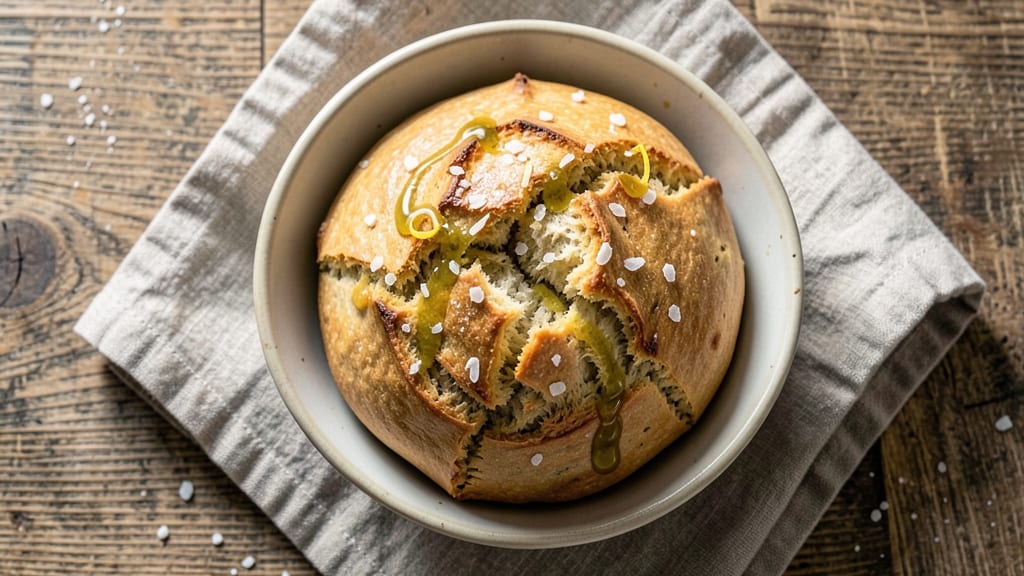
Alton Brown's Italian bread recipe delivers that perfect golden crust and tender crumb we all crave—no bakery skills required. The secret lies in his signature olive oil infusion and steam technique, which transforms simple dough into restaurant-quality loaves. I’ve tested this method countless times, and it never fails to impress, whether you’re making focaccia, ciabatta, or a classic baguette.
What sets this recipe apart is Alton’s focus on texture and flavor: a high-hydration dough for chewy interiors, a steam bath for crispy crusts, and a scoring technique that ensures even browning.
The dough comes together in just 15 minutes, but the magic happens during the proofing and baking stages—where patience pays off with that irresistible aroma filling your kitchen.
By the time you pull this bread from the oven, you’ll have a loaf with a crispy, golden crust and a soft, airy interior, infused with the rich flavor of olive oil.
The crust stays fresh for days, perfect for dipping in olive oil or pairing with soups and salads. This is the kind of bread that makes homemade feel like a gourmet experience.
Whether you’re baking for a crowd or treating yourself to a homemade loaf, this recipe scales beautifully. Let’s get started—your kitchen is about to smell like an Italian bakery.
Ingredients for alton brown italian bread
High-hydration dough plus Alton's signature olive oil infusion—this is the secret to that perfect golden crust.
| Ingredient | Amount | Notes |
|---|---|---|
| All-Purpose Flour 🌾 | 5 cups | Sifted for light texture |
| Extra-Virgin Olive Oil 🫒 | ¾ cup | High-quality, fruity variety |
| Instant Yeast 🍞 | 2 ¼ tsp | Active dry works too |
| Salt 🧂 | 1 ½ tsp | Diamond Crystal preferred |
| Granulated Sugar 🍚 | 1 tsp | Feeds yeast activation |
| Warm Water 💧 | 1 ½ cups | 110°F ideal temperature |
| Cornmeal 🌽 | ¼ cup | For dusting baking sheet |
| Ice Cubes ❄️ | 1 cup | For dough chilling |
| Coarse Sea Salt 🧂 | 1 tbsp | For crust sprinkling |
| Semolina Flour 🌾 | 2 tbsp | Optional for scoring |
| Egg Wash 🥚 | 1 whole | Optional for shine |
The flour is where texture magic happens. King Arthur or Caputo Tipo 00 give the best results—high protein for chewy crumb, fine grind for tender crust. I always grab mine from Whole Foods or Amazon for consistent quality. The olive oil? California Avocado Ranch or Colavita brands have that fruity punch. Skip the light-tasting stuff—you want flavor here. For yeast, Saf-Instant is my go-to because it dissolves faster, but active dry works if you let it proof longer. Keep your yeast in the freezer for freshness—it lasts 6 months that way.
No extra-virgin olive oil? Light olive oil plus a splash of avocado oil gets you close, but you'll lose that rich flavor. Short on cornmeal? Semolina or rice flour work too—just don't use flour directly or it'll stick. The ice cubes are non-negotiable for chilling the dough. No ice? Freeze your water bottle for 30 minutes. For the egg wash, just water works if you're in a pinch—just brush on before baking. The coarse salt? Maldon or Jacobsen flakes are perfect, but any coarse sea salt does the trick. Want to skip semolina? Flour works fine for dusting the baking sheet.
This dough is a beast—it needs time. After shaping, cover with a damp towel and let it rise at room temp for 1 hour, then refrigerate overnight for 8-12 hours. The longer it rests, the better the flavor. For scoring, use a razor blade or sharp serrated knife. Bake at 450°F for 20-25 minutes until deep golden. Store wrapped at room temp for 2 days or freeze for 3 months. Pro tip: Revive stale bread by wrapping in a damp towel and microwaving for 20 seconds.
Why You'll Love This Recipe
- Here’s what sold me: a loaf costs less than $2 to make, and it stays fresh for days. Freeze half the batch for toast or soup dipping—no sad, dried-out bread here. My wallet and taste buds win.
- No-Knead Magic: I’ll admit, I was skeptical about skipping the knead—until I tried this. The instant yeast and olive oil mix creates a dough so tender, it practically shapes itself. Ten minutes of hands-off rising, and you’re golden.
- Olive Oil Luxury: That first pull-apart bite? Pure satisfaction. The extra-virgin olive oil doesn’t just flavor—it gives the crust a golden sheen and a subtle richness that makes store-bought bread taste like a sad afterthought.
- Weeknight Workhorse: Between us, this is my go-to for dinner parties and lazy Sundays. Toss it in the oven while you prep pasta or roast veggies—it’s done before the garlic bread even gets toasty.
Step-by-step instructions for Alton brown's Italian bread
Here's how to make bread with that signature crispy crust and tender crumb—just like Alton does.
Mix the Dough with Olive Oil Infusion
In a large bowl, combine the 5 cups All-Purpose Flour, 1.5 tsp Salt, and 2.25 tsp Instant Yeast. Mix well to distribute the yeast evenly through the flour. This creates a uniform base for the dough.
Add the 0.75 cup Extra-Virgin Olive Oil and the 1.5 cups Warm Water (around 110°F). Stir with a wooden spoon until a shaggy dough forms. The oil will give the bread its signature flavor and help create that golden crust. If the dough seems too sticky, add 1 tablespoon of flour at a time until it comes together but remains slightly tacky—this ensures a tender crumb.
Once combined, turn the dough onto a lightly floured surface and knead for 8-10 minutes until smooth and elastic. You'll know it's ready when it springs back slowly when poked. The dough should feel soft but not sticky—this is key for a good rise and texture.
First Rise and Chill for Texture
Place the dough in a lightly oiled bowl, cover it with a damp towel, and let it rise in a warm place for 1-2 hours, or until it has roughly doubled in size. The dough should feel light and airy when pressed gently. This first rise develops the gluten structure, which is essential for that classic Italian bread texture.
After the dough has risen, transfer it to a piece of parchment paper and shape it into a 12-inch log. Fold the edges of the parchment over the dough to seal it, then place the dough in the freezer for 30 minutes. This chilling step firms up the dough, making it easier to handle and preventing it from spreading too much in the oven.
While the dough chills, preheat your oven to 425°F and place a baking sheet on the middle rack. Sprinkle the 0.25 cup Cornmeal evenly on the baking sheet—this will create a crispy bottom crust. The cornmeal also prevents the bread from sticking to the pan.
Score and Bake for Crispy Perfection
Remove the chilled dough from the freezer and carefully transfer it to the prepared baking sheet. Using a sharp knife or a razor, score the top of the dough with a ½-inch deep crosshatch pattern. This not only looks beautiful but also allows the bread to expand properly as it bakes, preventing it from bursting open unevenly.
Brush the dough lightly with the 1 whole Egg Wash (beaten egg) for a golden, shiny crust. Sprinkle the 1 tbsp Coarse Sea Salt evenly over the top—this adds flavor and enhances the crust's crispiness. Bake the bread for 25-30 minutes, until it's deep golden brown and sounds hollow when tapped on the bottom.
For extra texture, sprinkle the 2 tbsp Semolina Flour over the top in the last 5 minutes of baking. This gives the bread that classic Italian look and adds a delightful crunch. The bread is done when the internal temperature reaches 190-200°F—use an instant-read thermometer to check.
Cool and Serve for Maximum Flavor
Remove the bread from the oven and let it cool on a wire rack for at least 15 minutes before slicing. This resting period allows the steam inside the bread to escape, which prevents a gummy texture. The crust will firm up slightly as it cools, making it easier to slice without falling apart.
Slice the bread into ½-inch thick pieces and serve warm. The crust should be crispy and golden, while the interior should be soft and airy with a subtle olive oil flavor. For the best experience, serve it fresh with olive oil, balsamic vinegar, or your favorite Italian spread.
Pro Tips For Making Alton Brown Italian Bread
- Measure Yeast Precisely: Alton’s recipe uses instant yeast, but even a pinch too much makes your dough rise like a hot air balloon—then collapse. Use a kitchen scale for 0.5 oz (14g) or level your measuring spoon exactly. That sugar in the dough needs yeast to work steadily, not go rogue.
- Oil the Bowl Properly: This isn’t just a drizzle—generously coat the mixing bowl with olive oil before adding the dough. I learned this the hard way when my first batch stuck like glue. A well-oiled bowl means easier handling and less dough stress during the first rise.
- Skip the Over-Kneading: The dough should be tacky but not sticky—if it’s fighting you, you’ve gone too far. Alton’s method relies on a gentle mix-and-fold approach. Overwork it, and the gluten tightens up, making that signature tender crumb disappear faster than your willpower on day three of a diet.
- Proof at Room Temp: That first rise? Don’t rush it. Let the dough sit in a warm (not hot) spot—around 75°F (24°C)—until it’s almost doubled. My first attempt in a cold kitchen took four hours instead of two. A slightly warm oven with the light on works in a pinch, but consistency matters more than speed.
Perfect pairings for this recipe
Olive Oil Drizzle
Nothing enhances Alton's Italian bread like a generous drizzle of extra-virgin olive oil straight from the bottle. I recommend California Avocado Ranch or Colavita brands for their rich, fruity profiles.
Warm the bread slightly (30 seconds in the oven) to make the oil soak in beautifully. For extra flair, sprinkle with flaky Maldon salt right after drizzling. 🫒
Tomato & Basil
Create a quick tomato-basil bruschetta by blending 1 cup cherry tomatoes, ¼ cup fresh basil, 1 tbsp olive oil, and a pinch of red pepper flakes. Spoon onto fresh bread slices and top with shaved Parmesan.
The acidity cuts through the bread's richness perfectly. I always keep a jar of San Marzano tomato sauce on hand for quick dipping too.
Prosciutto & Fig
Layer thinly sliced prosciutto with fresh fig slices and a drizzle of honey for a sweet-savory combo. The prosciutto's saltiness complements the bread's crust, while the figs add natural sweetness.
For a vegetarian version, swap prosciutto for goat cheese and caramelized onions. This pairing feels especially luxurious for weekend brunches. 🍇
Garlic & Herb Spread
Mix ½ cup softened butter, 3 minced garlic cloves, 2 tbsp fresh parsley, and 1 tsp lemon zest for a vibrant spread. Warm the bread slightly before spreading to let the garlic flavors meld.
I like to add a pinch of red pepper flakes for subtle heat. This works beautifully with both focaccia and ciabatta styles.
Wine & Cheese Pairings
Pair your bread with a crisp Pinot Grigio from Italy—its citrus notes balance the olive oil's richness. For cheese, aged Pecorino Romano or creamy Burrata create perfect contrasts.
The bread's crust holds up well to stronger cheeses like Aged Gouda too. Always serve wine slightly chilled (50°F) for the best experience. 🍷
Breakfast Twist
Transform your bread into a breakfast staple by topping with ricotta cheese, honey, and toasted walnuts. The olive oil infusion adds depth to the ricotta's creaminess.
For a savory option, spread with mascarpone and top with sun-dried tomatoes and basil. This makes an impressive brunch centerpiece that's surprisingly easy to assemble. 🍳
Nutrition facts
Frequently asked questions
Why does Alton Brown's recipe use extra-virgin olive oil instead of regular oil?
Extra-virgin olive oil adds that signature Italian flavor and aroma that regular oils can't match. The high-quality oil infuses the dough with rich, fruity notes while also contributing to the bread's golden crust. Alton's method relies on this oil for both taste and texture—it's what makes this bread stand out from basic recipes.
Can I make this bread without a stand mixer?
This dough only requires 8-10 minutes of kneading by hand on a lightly floured surface. The key is to knead until the dough becomes smooth and springs back slowly when poked. For best results, use a dough scraper to help turn and fold the dough during kneading.
What's the best way to store leftover Italian bread?
Wrap cooled bread tightly in plastic wrap or place in an airtight container. Store at room temperature for 2-3 days or freeze for up to 3 months. To revive stale bread, wrap it in a damp towel and microwave for 20-30 seconds—it'll taste almost as good as fresh!
How do I adjust the recipe for a Dutch oven?
Preheat your Dutch oven with its lid on for 30 minutes at 450°F. Shape the dough into a round and place it in the hot Dutch oven, then immediately cover with the lid. Bake for 25-30 minutes until deep golden brown. The steam creates an even more crispy crust—perfect for artisan-style bread!
Why did my bread turn out dense instead of light and airy?
Dense bread usually means the dough didn't rise properly or was over-kneaded. Make sure your yeast is fresh and your water is 110°F (not too hot). Also, don't skip the 1-2 hour initial rise—this develops the gluten structure. If the dough was too sticky during kneading, you may have added too much flour, which can also weigh it down.