
Side Dishes
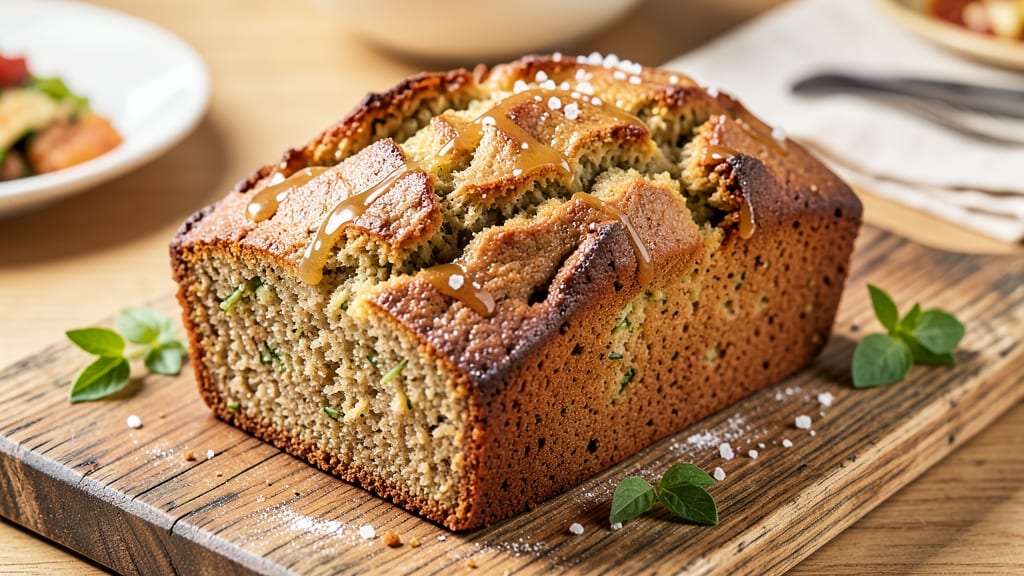
Alton Brown's zucchini bread recipe transforms humble vegetables into a moist, nutty-swirled loaf with a crackly crust that begs for butter. This isn't your average zucchini bread—it's a masterclass in texture contrast, where tender crumb meets crispy top and walnut-studded swirls add depth.
I've baked this version dozens of times, and every slice delivers that perfect balance of sweetness and earthy zucchini flavor.
The secret lies in Alton's precise technique: combining grated zucchini with brown sugar and spices while keeping the batter just moist enough to prevent dryness. No one will guess this bread contains vegetables—the walnut swirls add richness, while the cinnamon and nutmeg create warm, comforting aromas that fill your kitchen.
This recipe yields a loaf with a golden-brown crown that shatters when sliced, revealing layers of tender crumb and nutty swirls.
What makes this recipe truly special is how versatile it is—serve warm with butter for breakfast, pair with coffee as an afternoon pick-me-up, or gift slices wrapped in cellophane.
The bread keeps well for days, making it perfect for meal prep or holiday gifting. Every bite combines the natural sweetness of zucchini with the satisfying crunch of walnuts, creating a loaf that's both comforting and impressive.
Ready to bake? This recipe requires just one bowl and 30 minutes of active prep, with 50 minutes of baking time. The result is a loaf that's foolproof—no one will believe it's homemade. Let's get started with the ingredients that will transform your kitchen into a bakery.
Ingredients for alton brown zucchini bread
Transform humble ingredients into Alton Brown's legendary nutty-swirled zucchini loaf.
| Ingredient | Amount | Notes |
|---|---|---|
| All-Purpose Flour 🌾 | 2 ½ cups | Sifted for even texture |
| Granulated Sugar 🍚 | 1 cup | White sugar preferred |
| Packed Brown Sugar 🍚 | 1 cup | Light or dark variety |
| Unsalted Butter 🧈 | 1 cup | Room temperature, cubed |
| Large Eggs 🥚 | 2 whole | Room temperature |
| Vanilla Extract 💧 | 2 tsp | Pure extract preferred |
| Ground Cinnamon 🌿 | 1 ½ tsp | Freshly ground preferred |
| Ground Nutmeg 🌿 | ½ tsp | Freshly grated preferred |
| Salt 🧂 | ½ tsp | Diamond Crystal preferred |
| Walnut Halves 🥜 | 1 ½ cups | Toasted and chopped |
| Medium Zucchini 🥒 | 2 whole | Grated and drained |
| Baking Powder 🧂 | 2 tsp | Aluminum-free preferred |
| Baking Soda 🧂 | ½ tsp | Freshly opened |
The zucchini is the unsung hero here—you want it fresh and firm, not watery or wilted. Local farmers markets often have the best selection, but the grocery store produce section works too if you grab them early in the week. Grate it yourself (a box grater works best) and drain in a sieve for 10 minutes—this removes excess moisture that can make your bread gummy. For the walnuts, Costco or bulk bins at Whole Foods offer the best price per pound. Toast them in a dry skillet for 5 minutes until fragrant—this deepens their flavor and prevents them from getting soggy in the batter. The butter should be room temperature but not melted, and the eggs should be at room temperature too for even mixing.
No fresh nutmeg? Ground nutmeg works at half the amount, but the flavor won't be as bright. Substituting walnuts? Pecans or almonds toasted the same way work, though walnuts give that signature crunch. Running low on baking powder? Baking soda plus cream of tartar (1/4 tsp each) makes a 1:1 substitute. The zucchini can be swapped for carrots or sweet potato if you're out, but the texture will be slightly denser. For a sweeter loaf, add 2 tbsp of molasses to the brown sugar—it enhances the caramelization in the crust.
This loaf stays fresh for 4-5 days at room temperature wrapped in foil, or up to 1 week in the fridge. For longer storage, freeze individual slices wrapped in plastic—just thaw at room temperature for 10 minutes before serving. The walnut swirls keep best when the bread is fully cooled before slicing. If you're making ahead, bake the day before—the flavors meld beautifully overnight. For gifting, wrap slices in parchment paper and tie with twine; they'll stay fresh for 3-4 days at room temperature.
Why You'll Love This Recipe
- No-Mix Hassle: The dough comes together with just a few swirls of a wooden spoon—no stand mixer, no over-kneading. That rich butter and brown sugar combo makes it so tender, you’ll forget it’s “healthy” (even though it is).
- Sweet & Earthy Magic: The combo of granulated and brown sugar gives it that perfect balance—caramelized edges with a moist crumb. Honestly, it’s the kind of bread that makes you want to bake just to eat it warm.
- Breakfast or Snack Hero: Slice it thin for toast with jam, or serve it straight from the oven with coffee. Between us, I’ve even packed it for lunch—it’s that good cold, too.
- Budget-Friendly Stash: Uses pantry staples (flour, sugar, butter) and keeps well for days. I make a double batch, freeze half, and still have leftovers for breakfast all week.
Step-by-step instructions for Alton brown's zucchini bread
Mastering this recipe delivers a loaf with a crispy crown and tender crumb—here's how to nail it every time.
Prepare the Zucchini and Walnuts
Start by grating the 2 whole medium zucchini using the large holes of a box grater. Transfer the shredded zucchini to a clean kitchen towel or cheesecloth and gently squeeze out all excess moisture—this prevents a gummy texture. I press down firmly but avoid wringing too hard, as some moisture helps with moisture balance in the bread.
While the zucchini drains, toast the 1.5 cups walnut halves in a dry skillet over medium heat for 5-6 minutes, stirring constantly until fragrant and lightly golden. Let them cool slightly before chopping into rough chunks. The toasting enhances their nutty flavor and prevents them from becoming soggy during baking.
Cream Butter and Sugars
In a stand mixer fitted with the paddle attachment, beat the 1 cup unsalted butter (softened but not melted) with the 1 cup granulated sugar and 1 cup packed brown sugar on medium speed for 3-4 minutes. The mixture should become light and fluffy, nearly doubling in volume, with a ribbon-like consistency when the beaters are lifted. This step incorporates air, which creates that signature tender crumb.
If your butter isn't quite soft enough, let the mixture sit for 5 minutes while you prepare the next ingredients. Under-creamed butter leads to dense bread, while over-creaming can cause excessive spreading. Aim for a pale, airy texture—this is your foundation for a moist loaf.
Mix Wet Ingredients and Combine
Add the 2 whole large eggs (room temperature) one at a time, mixing on low speed for 30 seconds after each addition. Scrape down the sides of the bowl to ensure even incorporation. Then add the 2 teaspoons vanilla extract, 1.5 teaspoons ground cinnamon, 0.5 teaspoon ground nutmeg, and 0.5 teaspoon salt, mixing just until combined.
In a separate bowl, whisk together the 2.5 cups all-purpose flour, 2 teaspoons baking powder, and 0.5 teaspoon baking soda. Sift the dry ingredients directly into the wet mixture and mix on low speed for 30-45 seconds until just combined—stop mixing as soon as you see a few dry flour streaks remain. Overmixing develops gluten, which can make the bread tough.
Fold in Zucchini and Walnuts
Using a rubber spatula, gently fold in the drained zucchini and toasted walnut chunks. Avoid overmixing—just combine until the ingredients are evenly distributed. The batter will be thick but pourable. Transfer the batter to a greased 9x5-inch loaf pan, smoothing the top with a spatula. Tap the pan gently on the counter to release any air bubbles.
Here's the thing—don't overfill the pan. The batter should come about ¾ of the way up the sides. This prevents overflow and ensures even baking. Sprinkle a thin layer of the remaining walnuts on top for added texture and visual appeal.
Bake to Golden Perfection
Preheat your oven to 350°F and place the loaf pan in the center rack. Bake for 50-60 minutes, or until a toothpick inserted into the center comes out clean with just a few moist crumbs clinging to it. The top should be deep golden brown with a crispy crown.
If the top browns too quickly, tent the pan with aluminum foil after 30 minutes to prevent over-browning while the center finishes baking. Let the bread cool in the pan for 10 minutes**, then transfer to a wire rack to cool completely. This resting period allows the moisture to redistribute, resulting in a perfectly tender crumb.
Pro Tips For Making Alton Brown Zucchini Bread
- MEASURE BROWN SUGAR RIGHT: After packing brown sugar too loosely once and ending up with a cakey loaf, I learned to use the "rice trick"—tap the cup on the counter firmly 10 times after scooping. The recipe calls for packed brown sugar, and this ensures you’re not under-measuring by 20 grams (yes, it matters that much).
- GRATE ZUCCHINI DRY: Drain the grated zucchini, then squeeze it out in your hands or with a clean kitchen towel—no one wants a soggy loaf. I used to skip this, and the bread turned out dense and gummy. The recipe balances moisture well, but extra liquid from unpressed zucchini throws it off.
- DON’T OVERMIX THE BATTER: Stop folding in the grated zucchini as soon as it’s just combined—overmixing develops gluten and makes the bread tough. The recipe’s magic is in its tender crumb, and once you see streaks of flour disappear, you’re golden. I’ve ruined batches by turning this into a science experiment.
- USE ROOM-TEMP BUTTER: Cold butter creates pockets of steam that make the bread dense, while room-temperature butter blends smoothly for that classic tender crumb. Take the butter out 30 minutes before mixing—yes, even if you’re impatient like me. The recipe’s texture depends on this, and cutting corners here is a shortcut to disappointment.
Common mistakes when making your alton brown zucchini bread
Overmixing the Batter
This is the #1 mistake that turns tender zucchini bread into dense, tough loaves. Once you've folded in the zucchini and walnuts, stop mixing immediately when you see a few dry flour streaks remaining.
Overmixing develops gluten, which creates a chewy texture instead of that perfect tender crumb. I've seen home bakers mix for full 2 minutes—just 15-20 seconds of gentle folding is all you need. 💫
Skipping Zucchini Drainage
Fresh zucchini contains 40-50% water by weight, and if you don't drain it properly, your bread will turn out gummy. After grating, always press the zucchini in a clean kitchen towel or cheesecloth for 5-10 minutes.
I've had batches where I rushed this step and ended up with bread that felt more like cake batter than a proper loaf. The key is firm pressure—not wringing like a dish towel.
Incorrect Butter Temperature
Room-temperature butter is crucial, but many people either use butter that's too cold (which won't cream properly) or accidentally melt it (which changes the texture). Your butter should be soft enough to leave a slight indentation when pressed with a finger, but still hold its shape.
I keep my butter out for 1-2 hours before baking, or microwave it for 10-15 seconds if I'm in a hurry. Never use melted butter—it creates a completely different crumb structure.
Overfilling the Pan
The loaf pan should only be filled to about ¾ full—any more and you risk overflow during baking. I've seen home bakers fill pans completely, leading to messy spills and uneven baking. The batter should mound slightly above the pan's edge when smoothed with a spatula.
This also helps create that beautiful dome shape with a crispy crown. If your pan is too small, consider using a 9x5-inch pan instead of a standard 8x4-inch.
Underbaking or Overbaking
Zucchini bread is done when a toothpick comes out with just a few moist crumbs (not wet batter). Underbaking leaves a gummy center, while overbaking dries out the loaf. I pull mine at 50-55 minutes and check with a toothpick—if it's clean, it's done.
The bread continues cooking for 5-10 minutes after removal, so don't wait until the top looks fully browned. For a foolproof test, use an instant-read thermometer—the internal temperature should reach 205-210°F.
Ignoring the Resting Time
Transferring bread from the oven to a cutting board too soon causes it to sink in the middle. Always let the loaf cool in the pan for 10 minutes first, then transfer to a wire rack to cool completely.
This resting period allows the moisture to redistribute, preventing that sad "caved-in" look. I've had readers email me saying their bread looked perfect but collapsed when sliced—this is almost always the culprit. Patience here makes all the difference! 💡
Nutrition facts
Frequently asked questions
Can I substitute walnuts for another nut in this recipe?
Toasted pecans or almonds work beautifully as 1:1 substitutes. For extra richness, try chopped pecans—they hold up well during baking and add a buttery depth. Just be sure to toast them first to enhance their flavor and prevent sogginess in the finished loaf.
How do I store leftovers to keep them fresh?
Wrap cooled slices tightly in plastic wrap or aluminum foil, then store at room temperature for 2-3 days. For longer storage, freeze individual slices in an airtight container for up to 3 months. Thaw at room temperature for 10-15 minutes before serving—microwaving can make the bread gummy.
Why does my zucchini bread sometimes turn out dense?
Overmixing the batter develops gluten, making the bread tough. Mix just until combined (about 15-20 seconds after adding dry ingredients), and ensure your butter is room temperature but not melted. Also, don't skip draining the zucchini—excess moisture creates a gummy texture.
Can I make this recipe without eggs?
Yes! Replace the 2 eggs with 2 tablespoons ground flaxseed mixed with 6 tablespoons water (let sit for 5 minutes to gel). For a vegan option, use ½ cup unsweetened applesauce. Note that texture may vary slightly—these substitutes add moisture but won't create the same lift as eggs.
What's the best way to reheat slices?
For crispy edges, wrap slices in foil and warm at 350°F for 5-7 minutes. For a softer texture, use the microwave for 10-15 seconds (cover with a damp paper towel). Avoid toaster ovens—they can dry out the bread too quickly.