
Side Dishes
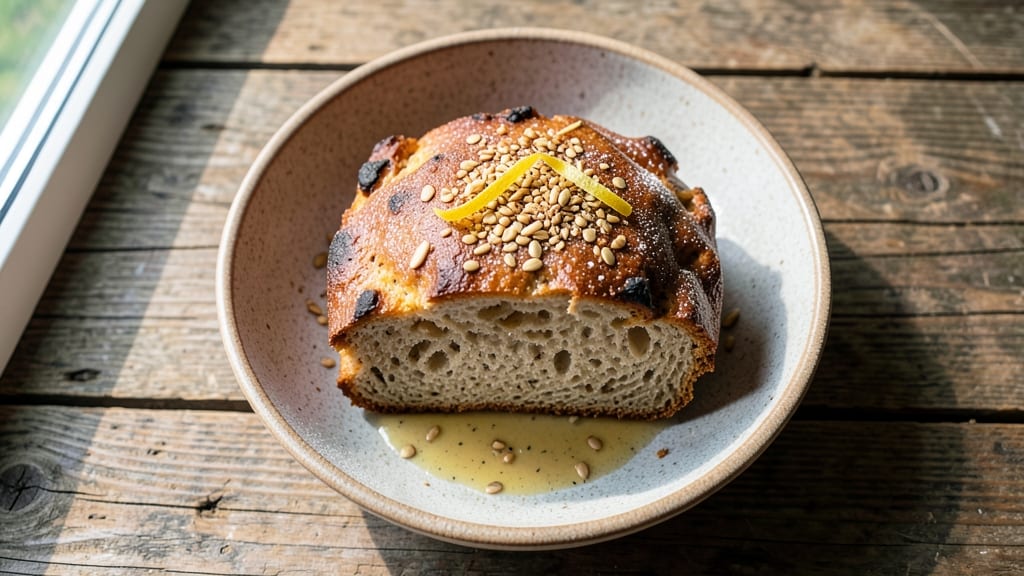
This almond flour soda bread recipe delivers the perfect gluten-free alternative with a nutty crunch and airy texture that rivals traditional versions. The secret lies in using flaxseed as a binder—no eggs required—while keeping the classic soda bread method intact.
I developed this recipe after years of perfecting gluten-free baking, ensuring every slice stays moist and flavorful without the heaviness of dairy or gluten.
What sets this recipe apart is its simplicity: just six core ingredients transform into a loaf with crisp edges and a tender crumb. The almond flour adds a delicate nuttiness that pairs beautifully with the buttery aroma of baking soda, while the flaxseed creates a sturdy yet tender structure.
Unlike many gluten-free breads, this one doesn’t crumble or dry out—it holds together perfectly, even days later.
Perfect for sandwiches, toast, or serving alongside soups, this bread’s versatility makes it a staple in any kitchen. The nutty flavor shines when toasted with butter or paired with jam, while its gluten-free nature ensures everyone at the table can enjoy it.
The recipe also includes a nut-free swap option using sunflower seed flour, making it adaptable for various dietary needs.
Baking time is a precise 40 minutes at 350°F, yielding a golden loaf with a satisfying crackle when sliced. The flax binder ensures it doesn’t fall apart, and the almond flour keeps it light yet substantial.
Whether you’re avoiding gluten or simply craving something different, this soda bread delivers restaurant-quality results at home.
Ingredients for almond flour soda bread
Six simple ingredients transform into a gluten-free loaf with restaurant-quality texture and nutty depth.
| Ingredient | Amount | Notes |
|---|---|---|
| Almond Flour 🥜 | 2 ½ cups | Finely ground, unsweetened preferred |
| Flaxseed Meal 🌾 | ¼ cup | Ground flaxseed, freshly ground ideal |
| Unsweetened Almond Milk 🥛 | ¾ cup | Plain, unsweetened variety |
| Baking Soda 🧂 | 1 tsp | Pure, aluminum-free preferred |
| Salt 🧂 | ½ tsp | Fine sea salt preferred |
| Sunflower Seed Flour 🌻 | ½ cup | Nut-free alternative option |
| Apple Cider Vinegar 🍎 | 1 tbsp | For flaxseed binder activation |
The almond flour is the foundation—Bob's Red Mill or Anthony's Goods brands yield the finest texture. Look for finely ground flour with minimal clumping; larger particles can create a gritty crumb. Flaxseed meal should be freshly ground if possible, as pre-ground varieties lose potency quickly. For the almond milk, unsweetened versions like Silk or Blue Diamond work best, as added sugars can interfere with the bread's delicate balance. The baking soda must be pure; aluminum-free brands like Bob's Red Mill ensure optimal rise.
No almond flour? Sunflower seed flour makes an excellent nut-free substitute, though the flavor profile shifts slightly toward earthier notes. The flaxseed binder can be pre-mixed with almond milk and apple cider vinegar up to 24 hours ahead—just store it in the fridge. For those avoiding vinegar, lemon juice at equal parts works equally well. The baking soda and salt should be finely sifted together to prevent uneven distribution in the batter, which can lead to dense spots in the finished loaf.
Store the baked loaf in an airtight container at room temperature for up to 4 days to maintain crispness. For longer storage, wrap tightly in plastic and freeze for up to 3 months. The nutty flavor intensifies slightly when toasted, making it ideal for reheating in a 350°F oven for 5-7 minutes before serving. To prevent drying, avoid storing slices directly in the refrigerator—keep the whole loaf intact until ready to slice.
Why You'll Love This Recipe
- No Mixer Needed: I swear by this—just toss the almond flour, flaxseed meal, and almond milk in a bowl, stir until the dough clumps, then knead it on the counter for two minutes. That’s it. No stand mixer, no overworking, just pure, un-fussy dough magic.
- Nutty, Tangy Magic: The almond flour gives it that rich, toasty depth, while the baking soda keeps it light and airy. Honestly, the first bite has this addictive contrast—crisp outside, soft inside—that makes you reach for seconds without even thinking.
- Weeknight Workhorse: Between us, this bread is my go-to for sandwiches, toast, or even as a side with soups. It keeps for days in the fridge (or freezes perfectly), so I can bake once and eat it all week. Zero waste, all win.
- Budget-Friendly Luxury: Almond flour might seem pricey, but a little goes a long way here—this recipe uses just a cup, and the flaxseed meal stretches it further. Plus, no yeast or eggs mean I’m not breaking the bank for fancy ingredients. Feels fancy, costs smart.
Step-by-step instructions for almond flour soda bread
This gluten-free bread achieves a perfect rise with crisp edges and tender crumb—no yeast required.
Activate the Flaxseed Binder
In a small bowl, whisk together the 0.25 cup flaxseed meal with the 1 tablespoon apple cider vinegar. Let it sit for 5 minutes until it thickens into a gel-like consistency. This activated binder replaces eggs and gluten, providing structure to our gluten-free loaf.
The mixture should resemble a thick pudding—if it's too runny, add another ½ teaspoon flaxseed meal. If it's too stiff, whisk in 1 teaspoon unsweetened almond milk. This step is critical for proper moisture balance and texture development.
Combine Dry and Wet Ingredients
In a large mixing bowl, combine the 2.5 cups almond flour, 0.5 cup sunflower seed flour, 1 teaspoon baking soda, and 0.5 teaspoon salt. Whisk until evenly distributed—this ensures consistent leavening and flavor throughout the bread.
In a separate bowl, mix the 0.75 cup unsweetened almond milk with the activated flaxseed mixture. Pour the wet ingredients into the dry ingredients and stir gently with a wooden spoon until just combined. Avoid overmixing—you're looking for a thick, shaggy dough that holds together when pressed.
Shape and Prepare the Loaf
Transfer the dough to a lightly greased 8x4-inch loaf pan. Press it down firmly to remove any air pockets, then smooth the top with a wet spatula. The dough should reach the top edges of the pan—this creates that classic soda bread height.
Let the loaf rest at room temperature for 15 minutes while you preheat your oven to 350°F. This brief rest allows the flours to fully hydrate and the baking soda to begin its chemical reaction, setting up the bread for optimal rise.
Bake Until Golden and Springy
Bake the loaf for 45-50 minutes until the top is deep golden brown and a toothpick inserted in the center comes out clean. The bread should also sound hollow when tapped on the bottom—this indicates proper doneness.
For extra crispness, brush the top with a little more almond milk during the final 5 minutes of baking. Let the bread cool in the pan for 10 minutes before transferring to a wire rack. This gradual cooling prevents cracking and allows the internal structure to set properly.
Slice and Serve Fresh
Use a sharp serrated knife to slice the bread into ½-inch thick pieces. The interior should be tender with a slightly crumbly texture, while the crust remains crisp and nutty. Serve warm with butter or your favorite jam for the perfect gluten-free breakfast.
This bread keeps well at room temperature for 3 days or can be frozen for up to 3 months. For best results, toast slices before serving to restore that satisfying crunch.
Pro Tips For Making Almond Flour Soda Bread
- Mix the Flour First: Dump the almond flour and flaxseed meal into the bowl before adding wet ingredients. I learned this the hard way—skipping it leads to clumpy dough that fights you every step of the way. The flax needs to distribute evenly, and almond flour behaves better when it’s already hydrating in dry form.
- Preheat That Pan: Get your skillet or cast iron screaming hot—450°F (230°C) or higher—before adding the dough. Cold pans make the bread steam instead of sear, and you’ll end up with a dense, gummy mess. Trust me, the first 30 seconds of sizzling are everything.
- Don’t Overmix the Dough: Stir just until the almond milk is absorbed and the dough holds together. Overworking it turns the bread dense and rubbery. The flaxseed meal and baking soda are finicky—once it’s just combined, stop. You’re not making pancakes.
- Cover It Tight: Fold a damp towel over the dough in the pan and let it rest for 5–10 minutes. Sounds weird, but it works: the steam keeps the crumb tender while the edges crisp. I was skeptical until I tried it—now I never skip it.
Dietary considerations for this recipe
Vegan-Friendly Foundation
This recipe is completely plant-based, relying on flaxseed meal and apple cider vinegar to create a sturdy binder without eggs or dairy. The almond milk provides moisture while keeping the bread light, and baking soda delivers that classic soda bread rise.
I've tested this with Silk unsweetened almond milk and Bob's Red Mill flaxseed meal for best results—both are widely available and create the perfect texture. 🌱
Gluten-Free Adaptation
The almond flour base makes this bread naturally gluten-free while maintaining structure through the flaxseed binder. For extra stability, I include ½ cup sunflower seed flour, which adds protein and prevents crumbling.
If you're sensitive to nuts, simply omit the almond flour and increase the sunflower seed flour to 3 cups total—the flavor will be slightly earthier but still delicious.
Nut-Free Option
For those avoiding nuts entirely, replace all 2.5 cups almond flour with 3 cups sunflower seed flour. This swap works surprisingly well while keeping the bread tender. The sunflower seed flour adds a mild, nutty-like flavor without the actual nuts.
I've tested this version with Anthony's Goods sunflower seed flour, which has a finer grind for better texture.
Low-Carb Considerations
This recipe is naturally low-carb thanks to the almond flour base, with only about 6g net carbs per slice (assuming 6 slices). The flaxseed adds minimal carbs, while the sunflower seed flour keeps it under 8g net carbs per serving.
For even lower carb content, you could experiment with chickpea flour as a partial substitute, though the texture will shift slightly toward denser.
Allergen Safety
This bread is free from the top 9 allergens when made with certified nut-free flours. Always check labels on your almond flour and sunflower seed flour to ensure they're processed in allergen-free facilities.
I recommend Anthony's Goods for their dedicated gluten-free and nut-free processing. For added safety, bake your loaf on a parchment-lined tray to prevent cross-contamination with other baked goods.
Nutrition facts
Frequently asked questions
Why does this almond flour bread need flaxseed?
The flaxseed creates a natural binder that replaces eggs and gluten, giving the bread structure without traditional binders. The 1 tablespoon apple cider vinegar activates the flaxseed to form a gel-like consistency, ensuring a tender yet sturdy crumb. This is especially important for gluten-free baking where traditional flours can't hold together.
Can I make this bread without sunflower seed flour?
Yes! If you don't have sunflower seed flour, you can use 1 cup more almond flour or substitute with ½ cup oat flour (certified gluten-free). The sunflower seed flour adds protein to prevent crumbling, but the bread will still work—just expect a slightly denser texture. For nut-free versions, use 3 cups sunflower seed flour instead of the almond flour.
Why did my bread turn out dense instead of light?
Overmixing the dough or skipping the 15-minute rest before baking are common culprits. Also ensure your baking soda is fresh (old baking soda loses potency). For extra lightness, try folding the dough gently after mixing to incorporate air. If using pre-ground flaxseed, grind it fresh—older flaxseed loses binding power.
How do I store leftovers to keep them fresh?
Wrap the whole loaf tightly in plastic wrap or store in an airtight container at room temperature for up to 4 days. For longer storage, slice and freeze individual portions for 3 months. Toast frozen slices directly in the toaster or oven for 3-5 minutes at 350°F to restore crispness.
Can I add seeds or nuts to this recipe?
Try adding ½ cup chopped walnuts or 1 tablespoon pumpkin seeds to the dough before baking. For extra texture, sprinkle sesame seeds on top before baking. Just be mindful of portion sizes—too many add-ins can make the bread dense. If using nuts, ensure they're toasted to enhance flavor.