
Side Dishes
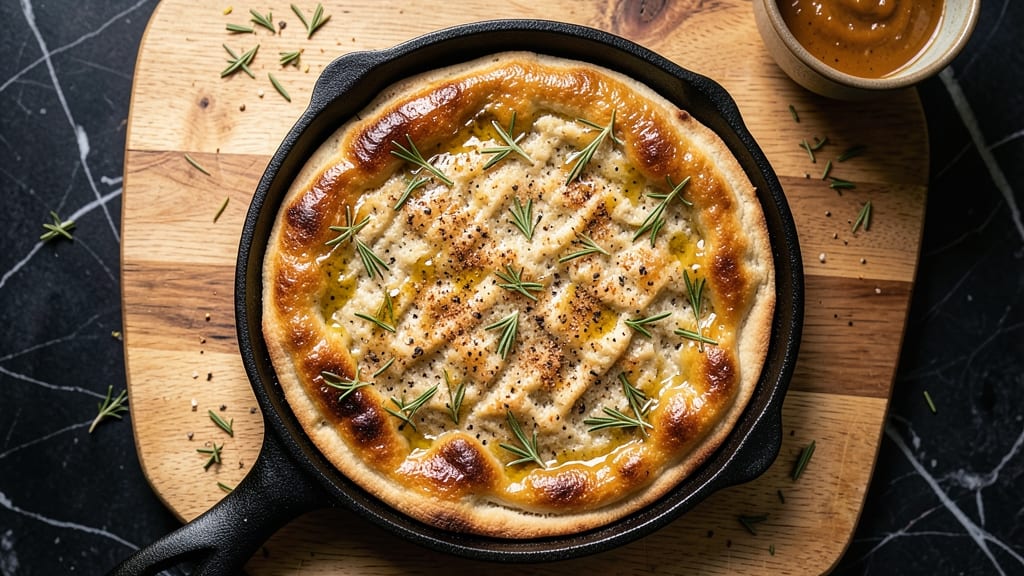
This almond flour flatbread bread recipe delivers crispy edges and a soft center with every bite, proving gluten-free baking can be just as satisfying.
The secret lies in blending almond flour with a touch of tapioca starch for structure, creating a nutty, slightly sweet base that holds up beautifully to rolling and baking. I developed this recipe after years of experimenting with gluten-free flatbreads—finally achieving that perfect balance between crisp and tender.
The beauty of almond flour lies in its versatility and nutritional benefits, offering a gluten-free alternative rich in healthy fats, fiber, and protein. Unlike traditional flatbreads, this version stays crispy for hours, making it ideal for dipping in hummus, wrapping around fillings, or serving as a side.
The dough requires minimal handling, with just 10 minutes of prep before rolling and baking at 375°F for 8-10 minutes—perfect for busy weeknights.
What sets this recipe apart is the ability to customize flavors without compromising texture. Add garlic powder, dried herbs, or seeds to the dough before rolling, or brush the baked flatbread with olive oil and sprinkle with flaky salt for extra depth.
Each batch yields about 6-8 flatbreads, enough to feed a family or pack for lunches.
The result is a flatbread that's sturdy enough to hold fillings yet delicate enough to melt in your mouth—crispy on the outside, tender within, and packed with nutty flavor.
Whether you're serving it with dips, using it as a wrap, or enjoying it as a side, this recipe transforms simple ingredients into something extraordinary.
Ingredients for almond flour flatbread bread
Twelve ingredients transform into six crispy-edged, tender flatbreads with nutty depth and gluten-free perfection.
| Ingredient | Amount | Notes |
|---|---|---|
| Almond Flour 🌰 | 2 ½ cups | Finely ground, unsweetened preferred |
| Tapioca Starch 🌾 | ½ cup | For structure and crispiness |
| Extra-Virgin Olive Oil 🫒 | ½ cup | High quality for flavor |
| Warm Water 💧 | ¾ cup | Room temperature preferred |
| Garlic Powder 🧄 | 1 tbsp | Freshly ground preferred |
| Dried Rosemary 🌿 | 1 tsp | Or fresh, finely chopped |
| Flaky Sea Salt 🧂 | 1 ½ tsp | For finishing and flavor |
| Ground Black Pepper 🌶️ | ½ tsp | Freshly ground preferred |
| Sesame Seeds 🌻 | 2 tbsp | Optional for texture |
| Nutritional Yeast 🧀 | 2 tbsp | For cheesy flavor and nutrition |
| Ground Flaxseed 🌾 | 1 tbsp | For binding and omega-3s |
| Lemon Zest 🍋 | 1 tsp | Brightens the flavor |
Almond flour is the star here—opt for blanched over almond meal for finer texture and smoother dough. Bob's Red Mill or Anthony's Goods brands yield the most consistent results, but any high-quality almond flour works. The tapioca starch acts as the secret weapon for that signature crisp, so don't skip it. For the olive oil, California Extra Virgin or Colavita brands offer the right balance of fruitiness without overpowering. If you're using fresh rosemary, finely chop it to mimic the dried version's intensity—about 1/4 teaspoon of fresh equals 1/8 teaspoon dried.
No almond flour? Sunflower seed flour works in a pinch, though texture will differ slightly. Substitute tapioca starch with arrowroot powder at the same ratio. For extra flavor depth, swap nutritional yeast for white miso paste (1/2 tablespoon) or dried thyme (1/2 teaspoon). Sesame seeds can be omitted or replaced with poppy seeds or everything bagel seasoning. The lemon zest is optional but recommended—it balances the richness of the almond flour beautifully. If you're short on time, pre-mix all dry ingredients in a bowl to streamline the dough prep.
Store the almond flour and tapioca starch in airtight containers in a cool, dark place for up to 6 months—they're shelf-stable but lose potency over time. The sesame seeds and nutritional yeast keep indefinitely in their original packaging. Freshly baked flatbreads stay crispy for 3-4 days at room temperature, wrapped in a clean kitchen towel. For longer storage, freeze baked flatbreads between parchment paper for up to 3 months—reheat in a 350°F oven for 5 minutes to restore crispiness. The dough itself can be refrigerated for 24 hours before rolling, though it's best used immediately for optimal texture.
Why You'll Love This Recipe
- I swear by this combo: just dump almond flour, tapioca starch, and garlic powder into a bowl, then drizzle in olive oil and warm water. Stir until it clumps like wet sand—no stand mixer, no stress, no mess. Honestly, my 10-year-old could do it (and has, multiple times).
- No-Fuss Mixing: I swear by this combo: just dump almond flour, tapioca starch, and garlic powder into a bowl, then drizzle in olive oil and warm water. Stir until it clumps like wet sand—no stand mixer, no stress, no mess. Honestly, my 10-year-old could do it (and has, multiple times).
- Garlic Kiss Crisp: That pinch of garlic powder? It’s the MVP. The flatbread gets this irresistible golden crust while staying soft inside—like a cross between focaccia and a cracker you’d steal from a fancy charcuterie board. (Yes, even on a Tuesday night.)
- Meal Prep Swiss Army: Freeze half the dough as discs, bake fresh whenever. Wrap leftovers in a towel to keep them pliable for days. Perfect for lunches, snack packs, or last-minute dinner sides—no one’s complaining when you pull out warm flatbread with hummus or soup.
Step-by-step instructions for almond flour flatbread with crispy edges
Mastering this flatbread requires precision in mixing and baking techniques for that perfect texture contrast.
Combine Dry Ingredients for Optimal Texture
In a large mixing bowl, whisk together the 2.5 cups almond flour and 0.5 cup tapioca starch until evenly distributed. This combination creates the ideal balance between structure and tenderness in the final flatbread. The tapioca starch will develop during baking, giving you that signature crispy edge while maintaining a soft center.
Add the 2 tbsp nutritional yeast, 1 tbsp garlic powder, 1 tsp dried rosemary, 0.5 tsp ground black pepper, and 1 tbsp ground flaxseed to the dry mixture. The nutritional yeast adds a cheesy depth while the flaxseed provides essential binding properties. Mix thoroughly to ensure all dry ingredients are fully incorporated—this prevents any flavor pockets or uneven texture in your flatbread.
Create the Wet Mixture and Bind the Dough
In a separate bowl, combine the 0.5 cup extra-virgin olive oil, 0.75 cup warm water, 1.5 tsp flaky sea salt, and 1 tsp lemon zest. The warm water helps activate the flaxseed for better binding, while the lemon zest brightens the nutty flavors. Whisk until the mixture is completely homogeneous—this ensures even distribution when combined with the dry ingredients.
Pour the wet mixture into the bowl with dry ingredients and stir until a shaggy dough forms. At this stage, the dough will be quite sticky, but don't be tempted to add more flour. The almond flour already provides enough structure, and additional flour would make the flatbread denser. Use a silicone spatula to scrape down the sides and mix thoroughly for about 2 minutes until just combined.
Rest the Dough for Improved Texture
Cover the mixing bowl with plastic wrap and let the dough rest at room temperature for 30 minutes. This resting period allows the flaxseed to fully hydrate and the gluten to relax, which prevents cracking during baking. I find that resting at room temperature works better than refrigeration for this particular dough—it maintains the right moisture balance without making the flatbread too dense.
After resting, the dough should be slightly more pliable but still sticky. If you notice it's too firm, add 1-2 teaspoons of warm water to help with workability. The dough shouldn't be runny, but it should be soft enough to shape without tearing. This is where patience pays off—the resting period makes all the difference in achieving that perfect crispy edge and soft center.
Shape and Prepare for Baking
Preheat your oven to 375°F and line a baking sheet with parchment paper. Lightly grease the parchment with a bit of olive oil to prevent sticking. Divide the dough into 6 equal portions—this ensures each flatbread is uniform in size and thickness. For best results, use a kitchen scale to divide accurately, aiming for about 4 ounces per portion.
Working with one portion at a time, roll the dough between two sheets of parchment paper to achieve an even ¼-inch thickness. The parchment prevents sticking and helps you achieve that perfect flatbread shape. Sprinkle each rolled flatbread with sesame seeds for added texture, focusing on the top surface. Place each flatbread on the prepared baking sheet, spacing them about 1 inch apart to allow for even browning.
Bake to Crispy Perfection
Bake the flatbreads for 12-15 minutes until the edges are deep golden brown and the centers remain soft to the touch. The contrast between the crispy edges and tender interior is what makes this recipe special. Rotate the baking sheet halfway through baking to ensure even browning—this is particularly important for almond flour flatbreads, which can develop hot spots.
Remove the flatbreads from the oven and let them cool on the baking sheet for 5 minutes before transferring to a wire rack. This brief cooling period prevents them from becoming too crisp while still warm. Serve immediately while they're at their best—each flatbread should have a delicate crunch at the edges and a soft, slightly chewy center. The aroma of rosemary and garlic will fill your kitchen, signaling success.
Pro Tips For Making Almond Flour Flatbread Bread
- MEASURE WATER BY DROP: The tapioca starch in this dough is a diva—too much water and you’ll end up with a gummy mess. Use a squeeze bottle or spoon to add warm water one drop at a time until the dough just comes together. I learned this the hard way after slapping together a batch that stuck to the pan like glue.
- PRESS HARD, LET IT BREATHE: Don’t be shy with the rolling pin—press the dough firmly until it’s about ⅛-inch thick, but resist the urge to overwork it. Once shaped, let it rest for 2 minutes before cooking. I used to rush this, and the bread would puff unevenly or tear when flipping.
- USE A DRY PAN: Skip the oil spray—this dough needs a dry cast-iron or nonstick skillet. The olive oil in the dough is enough; adding more makes the bread greasy instead of crisp. Heat the pan until a drop of water sizzles violently, then cook each side for 2-3 minutes until golden. (Yes, even if you’re impatient like me.)
- SIFT THE ALMOND FLOUR: Clump-free dough starts here. Pulse the almond flour in a food processor for 10 seconds to break up any lumps, then sift it into your mixing bowl. I was skeptical until I tried it—now my flatbreads have that perfect, even texture instead of dense pockets.
Troubleshooting great almond flour flatbread bread
Dough Too Sticky?
If your dough feels impossibly sticky after mixing, resist the urge to add extra flour—it’ll make your flatbread dense. Instead, wet your hands slightly with warm water and use a damp silicone spatula to shape the dough.
Work quickly to avoid over-handling, which can make the flatbread tough. I’ve found that 2-3 teaspoons of warm water added directly to the dough (if too dry) helps without compromising texture. 💧
Flatbreads Cracking?
Cracking usually happens when the dough isn’t rested properly or is rolled too thin. Let the dough rest for the full 30 minutes—this relaxes the fibers and prevents tears. If cracks appear while rolling, gently press them closed with your fingers.
For extra insurance, roll between two sheets of parchment paper to create a smooth surface and prevent sticking. 🌾
Edges Not Crispy Enough
The crispy edge comes from the tapioca starch, but if yours turn out soft, try baking at 390°F instead of 375°F for the last 2-3 minutes of baking.
Another trick? Brush the edges with a little olive oil before baking—this promotes browning. Avoid overcrowding on the baking sheet, as steam can soften the edges. 🔥
Dough Too Dry or Crumbly
If your dough feels dry or falls apart, it likely needs more moisture. Add 1-2 teaspoons of warm water at a time and mix gently until just combined.
Overmixing can activate gluten-like proteins in almond flour, making the flatbread tough. For extra binding, ensure your flaxseed is freshly ground—old flaxseed loses its gelling properties. 🌰
Flatbreads Burning Too Fast
Almond flour browns quickly, so keep a close eye on your flatbreads after 8 minutes in the oven. If they’re browning too fast, reduce the oven temperature to 350°F for the remaining time.
For even cooking, rotate the baking sheet halfway through. A light-colored baking sheet (like aluminum) reflects heat better than dark sheets, which can cause uneven browning. ✨
Flatbreads Staying Too Soft
If your flatbreads emerge from the oven too soft, they likely didn’t bake long enough. Aim for 12-15 minutes at 375°F, checking at the lower end of the range. For extra crispiness, transfer them to a wire rack and bake for an additional 2-3 minutes if needed.
Avoid stacking them while warm—they’ll steam and lose their crisp texture. 💡
Nutrition facts
Frequently asked questions
Can I make this flatbread without tapioca starch?
Yes, but the texture will differ. Replace the tapioca starch with 0.5 cup arrowroot powder for a similar crispy edge, or use 0.25 cup psyllium husk powder for extra binding. Without starch, your flatbread may be slightly less crispy but still delicious.
How do I store leftover almond flour flatbread?
Keep flatbreads crispy for 3-4 days by storing them in an airtight container with a paper towel to absorb moisture. For longer storage, freeze baked flatbreads between parchment paper for up to 3 months. Reheat in a 350°F oven for 5 minutes to restore crispiness.
Why does my flatbread turn out dense instead of crispy?
Density usually comes from overmixing or insufficient tapioca starch. Mix just until combined (about 2 minutes) and ensure you're using 0.5 cup tapioca starch. Also, avoid adding extra flour—the almond flour already provides structure. For extra crispiness, brush baked flatbreads with melted butter or olive oil.
Can I use this flatbread for wraps or just dipping?
These flatbreads are sturdy enough for wraps when warm. For best results, lightly toast them before assembling with fillings. They also work perfectly for dipping in hummus, guacamole, or yogurt sauces. The crispy edges hold up well to both uses.
What's the best way to customize the flavor?
Add flavor boosters to the dough like smoked paprika (1 tsp), fresh herbs (1 tbsp chopped), or spices (½ tsp cumin). For topping, try everything bagel seasoning, za'atar, or fresh herbs after baking. Brush with garlic-infused oil before serving for extra depth.