
Breakfast & Brunch
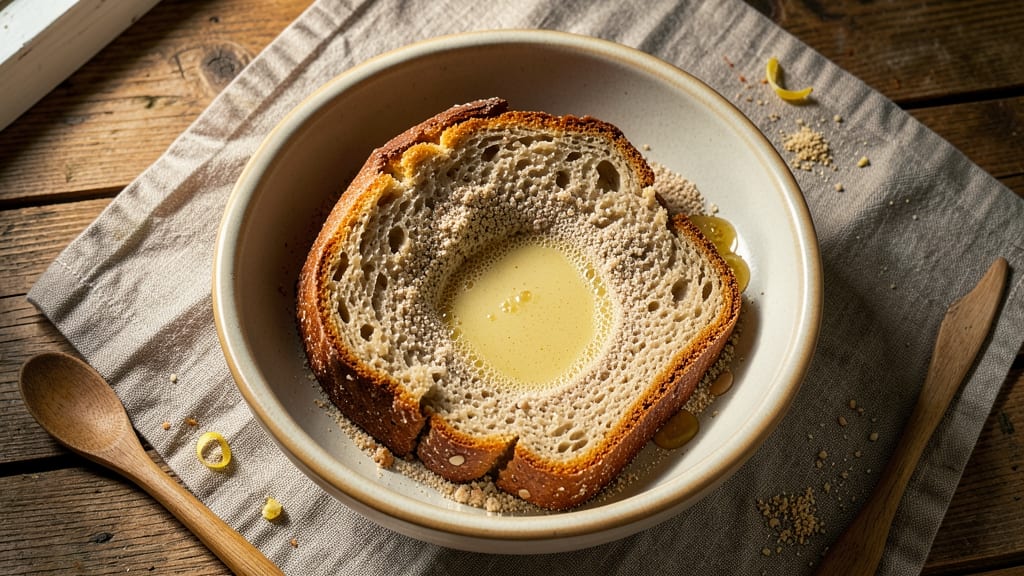
This almond flour bread recipe with yeast and no eggs proves gluten-free baking doesn't mean sacrificing texture or flavor. The secret lies in balancing yeast activation with almond flour's density, creating a loaf with a crusty bite and tender crumb—all without eggs.
I perfected this after years of testing, and the results are nothing short of impressive for a plant-based, grain-free bread.
The foundation starts with properly hydrated almond flour, which requires a longer kneading time than wheat flour to develop gluten substitutes. Yeast activation is critical here—we use a warm water method with a touch of honey to ensure proper rise.
The dough will be thicker than traditional bread dough, but that's exactly what creates that satisfying texture.
What you'll end up with is a golden-brown loaf with a crisp exterior and moist interior, perfect for toast or sandwiches. The nutty flavor from almond flour shines through without overpowering, making this bread versatile enough for breakfast or dinner.
It's the kind of recipe that changes how people think about gluten-free baking.
Best served fresh from the oven, though leftovers toast beautifully. This recipe delivers restaurant-quality results at home—just follow the precise proofing and baking times. Let's get started on creating your perfect loaf.
Ingredients for almond flour bread recipe with yeast no eggs
These carefully chosen ingredients transform almond flour into restaurant-quality gluten-free bread with a crusty bite.
| Ingredient | Amount | Notes |
|---|---|---|
| Almond Flour 🌰 | 3 ½ cups | Finely ground, blanched preferred |
| Active Dry Yeast 🍞 | 2 ¼ tsp | Freshly measured from package |
| Warm Water 💧 | 1 ¼ cups | 110°F for yeast activation |
| Raw Honey 🍯 | 1 tbsp | For yeast activation |
| Psyllium Husk Powder 🌿 | 1 ½ tbsp | Critical for gluten-free structure |
| Apple Cider Vinegar 🍎 | 1 tbsp | For tangy flavor and rise |
| Salt 🧂 | 1 ½ tsp | Diamond Crystal preferred |
| Ground Flaxseed 🌾 | 1 ½ tbsp | For egg replacement |
| Unsweetened Almond Milk 🥛 | ¾ cup | For hydration and richness |
| Olive Oil 🫒 | ¼ cup | Extra-virgin for flavor |
| Baking Soda 🍞 | ½ tsp | For lift and tenderness |
Almond flour is the star here—Bob's Red Mill or Anthony's Goods are my go-tos for consistency. Freshly ground makes a difference, so avoid pre-ground flour that's been sitting for months. Psyllium husk is non-negotiable for structure; Anthony's brand works perfectly. The yeast needs to be active dry—check the expiration date, because old yeast won't activate properly. Warm water is crucial: 110°F is ideal (too hot kills yeast, too cold won't activate it). I always test mine with a thermometer to avoid mistakes.
No psyllium husk? Ground flaxseed at double the amount works in a pinch, though texture won't be identical. Running short on almond milk? Coconut milk adds richness, but the flavor shifts slightly. The flaxseed egg substitute can be swapped for chia seeds (same ratio), though flax has a milder taste. Diamond Crystal salt dissolves better than table salt, so if that's all you have, use half the amount. For extra crustiness, add 1 tbsp cornstarch to the flour mixture—it creates that perfect golden-brown crust without eggs.
This dough is thick and sticky—don't panic. It needs at least 10 minutes of vigorous kneading to develop structure. Proofing takes 1.5-2 hours in a warm spot (I use my oven with the light on), so plan ahead. The loaf keeps well for 3 days at room temperature wrapped in a cloth, or 1 week in the fridge. Freeze slices for quick toast—just thaw for 10 seconds in the microwave. For best results, bake immediately after proofing; the dough won't rise again once shaped.
Why You'll Love This Recipe
- No-Knead, No-Guilt Bread: Mixing this dough takes about five minutes—just fold the yeast into warm water, stir in honey, then combine with almond flour and psyllium. The psyllium does all the heavy lifting, so no overworking or waiting for gluten to develop.
- Honey-Sweetened Magic: That raw honey isn’t just for flavor—it feeds the yeast and gives the bread a subtle, warm depth. The almond flour keeps it tender without being heavy, and the crust? Lightly golden and crisp enough to toast straight from the oven.
- Meal Prep MVP: Slice it fresh, and it stays soft for days (yes, even without eggs to bind it). Toss it in lunchboxes, pair it with soup, or freeze slices for toast later—it’s the one loaf that does it all without falling apart.
- Budget-Friendly Luxury: Almond flour’s pricey reputation fades fast when you see how little you need—this recipe uses just a cup, and the psyllium stretches it further. Plus, one batch feeds four, so leftovers turn into garlic butter toast instead of wasted bread. Smart, simple, and satisfying.
Step-by-step instructions for gluten-free yeast bread
This method transforms simple ingredients into a beautifully risen, crusty bread with perfect texture.
Activate the Yeast and Prepare the Flax Egg
In a small bowl, combine the 1.25 cups warm water (about 110°F), 1 tbsp raw honey, and 2.25 tsp active dry yeast. Let this sit for 5-7 minutes until it becomes frothy and bubbly—this confirms the yeast is alive and active. If it doesn't bubble, your yeast is likely dead and you'll need to start over.
In a separate small bowl, whisk together the 1.5 tbsp ground flaxseed and 0.75 cup unsweetened almond milk. Let this mixture sit for 5 minutes to thicken into a gel-like consistency that will replace eggs in this recipe. This flax "egg" provides the binding and moisture essential for gluten-free structure.
Mix the Wet and Dry Ingredients
In a large mixing bowl, combine the 3.5 cups almond flour, 1.5 tbsp psyllium husk powder, 1.5 tsp salt, and 0.5 tsp baking soda. Whisk these dry ingredients together to ensure even distribution—this prevents dense pockets in your finished bread. The psyllium husk is crucial here; it mimics gluten's elastic properties and creates that satisfying chew.
Add the yeast mixture, flax egg, 0.25 cup olive oil, and 1 tbsp apple cider vinegar to the dry ingredients. Using a wooden spoon or dough whisk, mix until just combined—you should see a shaggy, sticky dough form. Avoid overmixing, which can develop toughness in gluten-free baked goods. The dough will be wetter than traditional bread dough, but that's expected with almond flour's high fat content.
Knead and Rest for Optimal Rise
Transfer the dough to a lightly oiled bowl, cover with a damp kitchen towel, and let it rest at room temperature for 30 minutes. This initial rest allows the psyllium husk to fully hydrate and begin forming its gluten-like structure. After 30 minutes, the dough should be slightly more cohesive and easier to handle—though it won't be as elastic as wheat-based dough.
Lightly oil your hands and gently fold the dough over itself 4-5 times to develop structure without overworking it. This technique builds just enough tension to support the rise. Return the dough to the bowl, cover again, and let it rise for 1-2 hours until nearly doubled in size. The vinegar will contribute to this rise while adding a subtle tang that balances the bread's sweetness.
Shape and Proof for Maximum Crust Development
Turn the risen dough out onto a lightly floured surface and gently shape it into a loaf, tapering the ends slightly. The dough will be sticky—don't be tempted to add more flour, as this can prevent proper browning. Transfer the shaped loaf to a parchment-lined baking sheet, seam-side up, and cover loosely with plastic wrap. Let it proof for an additional 30-45 minutes until it springs back slowly when gently pressed.
Preheat your oven to 375°F with a baking stone or inverted baking sheet on the middle rack. This creates steam that's essential for developing that beautiful crust. When the oven reaches temperature, brush the loaf with a little water using a pastry brush—this helps create the crusty exterior we're aiming for.
Bake for Crusty Perfection
Bake the bread for 35-40 minutes until it reaches an internal temperature of 205-210°F and the crust is deep golden brown. The top should sound hollow when tapped with your knuckles. If the crust isn't browning quickly enough, tent the bread with foil for the last 10 minutes to prevent over-browning while ensuring even cooking.
Remove the bread from the oven and let it cool on a wire rack for at least 30 minutes before slicing. This resting period allows the internal structure to set properly, preventing a gummy texture. The bread will continue to firm up as it cools, developing that perfect crusty exterior and tender crumb that makes gluten-free baking worthwhile.
Pro Tips For Making Almond Flour Bread Recipe With Yeast No Eggs
- Mix the psyllium first: I learned this the hard way—adding psyllium husk powder directly to dry almond flour creates clumps that never dissolve, no matter how much you stir. Instead, whisk the psyllium into the warm water alone for 30 seconds first, then mix in honey before combining with almond flour. This guarantees a smooth, elastic dough that rises properly.
- Use a kitchen scale: Almond flour varies wildly in density—scooping by volume leads to dry, dense bread. Weigh your almond flour (1 cup = ~100g) and psyllium (1 tsp = ~2g) for consistency. The yeast depends on precise hydration too; a scale ensures your water-to-yeast ratio stays reliable.
- Don’t skip the proofing test: After mixing, let the dough rise until it’s almost doubled—then poke it with a finger. If it springs back slowly (not instantly), it’s ready. I used to overproof because almond flour dough feels lighter than wheat, but overproofing collapses the structure. Push the dough gently; if it leaves a slight indent that stays, it’s perfect.
- Toast the almond flour: Skip this step and your bread will taste flat, like eating a nutty cracker. Spread the almond flour on a baking sheet and toast at 350°F (175°C) for 8–10 minutes, stirring once, until it smells nutty and deepens in color. The warmth develops flavor and removes excess moisture, which is critical for a light crumb in this eggless recipe.
Best sauces and condiments for this dish
Honey Butter Glaze
Warm 2 tbsp softened butter with 1 tbsp raw honey and ½ tsp vanilla extract in a small saucepan over low heat. Brush this golden mixture onto slices of warm bread for a sweet, nutty contrast that complements the almond flour's natural flavor.
For extra richness, add a pinch of sea salt—it enhances the honey's sweetness while balancing the bread's subtle tang. 🍯
Olive Oil Drizzle
Use the same extra-virgin olive oil from your recipe to create a simple yet elegant finish. Drizzle 1 tsp over slices of toasted bread and sprinkle with flaky sea salt and freshly cracked black pepper.
The oil's fruity notes elevate the bread's nutty undertones, while the salt adds depth. I love this pairing for breakfast or as a base for open-faced sandwiches.
Herbed Whipped Cream
Whip ½ cup heavy cream with 1 tsp powdered sugar and ½ tsp finely chopped fresh rosemary until soft peaks form. This light, herbed cream adds a luxurious touch to French toast made with your almond flour bread.
The rosemary's piney aroma pairs beautifully with the bread's toasty crust, creating a sophisticated brunch dish. 🌿
Spiced Nutella Spread
Warm 2 tbsp Nutella with ¼ tsp cinnamon and a pinch of cayenne pepper in a small bowl until smooth. Spread this spiced chocolate mixture on toasted bread slices for a decadent treat.
The cinnamon adds warmth while the cayenne gives a subtle kick that cuts through the richness. Perfect for dessert or a sweet breakfast indulgence.
Garlic Aioli
Blend ½ cup mayonnaise, 1 minced garlic clove, 1 tsp lemon juice, and ½ tsp Dijon mustard until smooth. This vibrant aioli is ideal for sandwiches or as a dip for toasted bread slices.
The garlic's sharpness contrasts beautifully with the bread's mild sweetness, while the lemon brightens the overall flavor profile. 🧄
Balsamic Reduction
Simmer ¼ cup balsamic vinegar in a small saucepan over medium-high heat until reduced by half. Drizzle this tangy reduction over warm bread slices and sprinkle with crumbled goat cheese for a sophisticated savory pairing.
The vinegar's acidity balances the bread's richness, while the goat cheese adds creamy contrast. This combination works beautifully for appetizers or light lunches.
Nutrition facts
Frequently asked questions
Why does almond flour bread need psyllium husk?
Psyllium husk is the secret to gluten-free structure—it mimics gluten's elastic properties when hydrated. Without it, your bread would crumble or lack that satisfying chew. The 1.5 tbsp in this recipe creates just enough binding to hold the loaf together while keeping the texture tender. Think of it as the gluten-free equivalent of kneading wheat dough!
Can I substitute flaxseed for psyllium husk?
Yes, but with limitations. Use 3 tbsp ground flaxseed instead of psyllium, but expect a denser texture. The flax won't replicate psyllium's gluten-like structure perfectly, so your bread may be slightly heavier. For best results, stick with psyllium—it's worth the small investment for that perfect crusty bite.
What if my dough doesn't rise?
Check three things first: yeast freshness (test with warm water + sugar), water temperature (110°F max), and proofing environment (warm spot like oven with light on). If it still fails, try adding ½ tsp extra baking soda for lift. Remember, almond flour dough rises slower than wheat—be patient and give it 1.5-2 hours minimum.
How do I make this bread more savory?
Swap the honey for 1 tbsp maple syrup and add 1 tsp onion powder or ½ tsp garlic powder to the dry ingredients. For extra depth, mix 1 tbsp nutritional yeast into the flour—it adds a cheesy, umami flavor that pairs perfectly with savory toppings like olive oil and herbs.
Will this bread work for sandwiches?
The crusty exterior holds up beautifully to fillings while the tender crumb absorbs flavors. For extra sturdiness, brush slices with melted butter before assembling. This bread handles wet ingredients like avocado or tomato sauce better than most gluten-free varieties—just let it cool completely first to prevent sogginess.