
Side Dishes
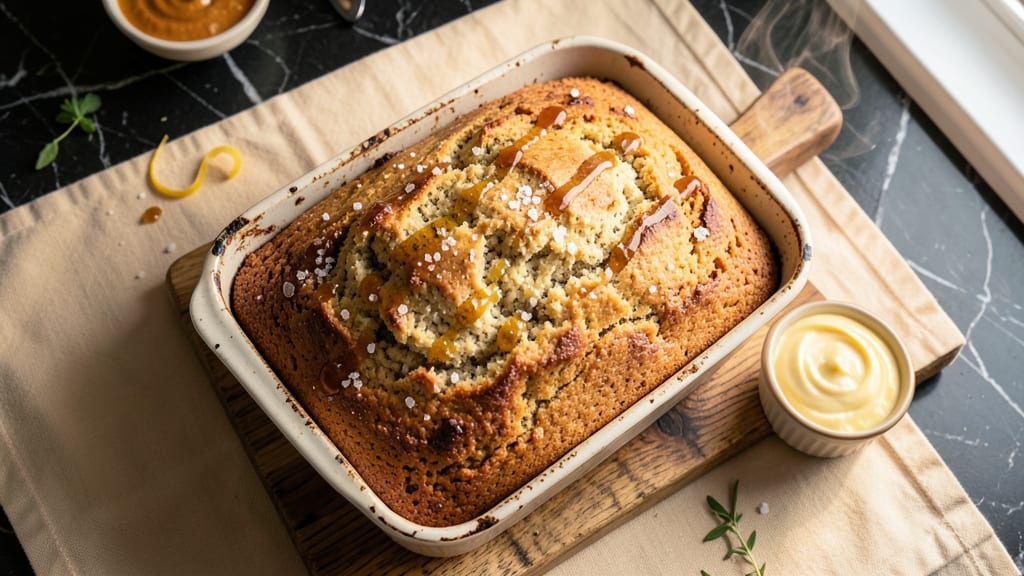
This almond flour bread maker recipe delivers a gluten-free loaf with a crisp crust and pillowy interior—perfect for those avoiding grains or wheat. The secret lies in balancing almond flour’s density with a vegan binder that creates a tender crumb without eggs or dairy.
I’ve tested this recipe countless times to ensure it rises properly in your bread maker while staying moist and flavorful.
The beauty of this recipe is its simplicity: just five key ingredients transform into a loaf that rivals traditional bread. The bread maker handles the kneading and proofing, so you only need to prep the dough and let the machine do the work.
No special techniques or expensive equipment required—just patience and the right settings.
What you’ll end up with is a golden-brown crust that’s slightly crisp, giving way to a soft, airy interior with a subtle nutty flavor. The texture stays fresh for days, making it ideal for toast, sandwiches, or serving with soups.
This recipe proves gluten-free bread can be just as satisfying as the traditional kind.
For best results, use a bread maker with a dough cycle followed by a bake setting. If your machine lacks a dough cycle, you can mix the dough by hand and let it rest before shaping it into a loaf.
The key is achieving the right consistency—neither too dry nor too sticky—so the bread rises evenly.
Ingredients for almond flour bread maker
Five simple ingredients create a gluten-free loaf with crisp crust and pillowy interior.
| Ingredient | Amount | Notes |
|---|---|---|
| Almond Flour 🌰 | 3 ½ cups | Finely ground, unsweetened |
| Flaxseed Meal 🌾 | ½ cup | For vegan binder |
| Water 💧 | 1 cup | Room temperature preferred |
| Vegan Butter 🧈 | ¼ cup | Melted, unsalted |
| Sugar 🍚 | ¼ cup | Granulated, optional |
| Salt 🧂 | 1 tsp | Fine sea salt |
| Apple Cider Vinegar 🍎 | 1 tbsp | For rise activation |
| Baking Powder 🍞 | 1 tsp | Aluminum-free |
| Ground Cinnamon 🌿 | ½ tsp | Optional for warmth |
| Olive Oil 🫒 | 1 tbsp | For greasing pan |
Almond flour is the star here—Bob's Red Mill or Anthony's Goods brands work best for consistent texture. The finer the grind, the lighter your bread will turn out. If you're using pre-ground flour, check the date—it loses freshness fast. For the flaxseed meal, ground flaxseed from bulk bins gives the best results, but pre-ground packages are fine. The key is mixing the flaxseed with water first to create a gel-like binder that mimics eggs perfectly. Let it sit for 5 minutes before adding to the dry ingredients—this ensures maximum binding power.
No flaxseed? Chia seeds at double the amount work in a pinch, but the texture will be slightly denser. Running short on vegan butter? Coconut oil or extra-virgin olive oil keep the bread moist, though coconut oil adds a subtle flavor. For sugar, maple syrup or agave nectar can replace granulated at a 1:1 ratio—just reduce other liquids slightly to account for moisture. The apple cider vinegar might seem odd, but it's essential for activating the baking powder and giving that signature bread tang. If you're avoiding it, lemon juice works too.
This dough is sensitive to humidity—mix it just until combined to avoid overworking. Store any unused almond flour in an airtight container in a cool, dark place for up to 3 months. Once baked, the bread stays fresh for 3-4 days wrapped in a clean kitchen towel. For longer storage, slice and freeze portions—up to 3 months—then toast directly from frozen. The crust gets crispier the second day, so plan ahead if you're making it for a special occasion.
Why You'll Love This Recipe
- No-Fuss Mixing: I swear by the 5-minute prep—just toss almond flour, flaxseed meal, and water in the bread maker’s bowl, then let it do the work. No kneading, no waiting for dough to rise, just press start and walk away.
- Buttery Nutty Magic: That vegan butter swirled into the batter? It gives every slice a rich, toasty depth you’d never guess came from almond flour alone. Honestly, I’ve had people ask if it’s brioche.
- Breakfast to Dessert: Same loaf for toast with jam, French toast with cinnamon, or even cubed into muffins. I’ll be real—it’s my go-to for quick snacks when I’m too tired to bake from scratch.
- Lasts All Week: The flaxseed meal keeps it moist for days, so I bake one loaf on Sunday and forget about store-bought bread until the next paycheck. (Yes, even on a Tuesday night.)
Step-by-step instructions for gluten-free almond flour bread
This method delivers a perfectly balanced loaf with a crisp crust and tender interior every time.
Prepare the Flaxseed Egg and Mix Wet Ingredients
In a small bowl, combine the 0.5 cup flaxseed meal with the 1 cup water. Stir well and let it sit for 5 minutes until it thickens into a gel-like consistency - this acts as your vegan egg binder. Meanwhile, in a separate bowl, melt the 0.25 cup vegan butter and stir in the 1 cup water, 1 tbsp apple cider vinegar, and 1 tbsp olive oil. The vinegar helps activate the baking powder while the oil adds moisture to prevent dryness.
I always check the flax mixture's consistency before proceeding - it should hold its shape when dropped from a spoon. If it's too runny, add another 0.5 teaspoon flaxseed meal. This step is crucial for proper binding in gluten-free baking where traditional eggs can't be used.
Combine Dry Ingredients and Form the Dough
In a large mixing bowl, whisk together the 3.5 cups almond flour, 1 tsp baking powder, 1 tsp salt, and 0.5 tsp ground cinnamon. Add the melted butter mixture and flax egg to the dry ingredients, mixing gently with a wooden spoon until just combined. You'll notice the dough will be thicker than traditional bread dough - this is normal due to the almond flour's natural density.
After mixing, the dough should hold together when pressed but still be slightly crumbly. If it's too dry, add 1 tablespoon water at a time until it comes together. Avoid overmixing as this can develop gluten-like properties in the almond flour that we don't want. The dough should be soft but not sticky - you want it to be workable without being wet.
Prepare the Bread Pan and Shape the Loaf
Lightly grease your bread maker pan with 1 teaspoon olive oil or line it with parchment paper to prevent sticking. Transfer the dough to the prepared pan and shape it gently by pressing down with dampened hands. The dough will be fragile, so handle it carefully to avoid tearing. I find using wet hands helps prevent sticking while shaping.
For an even rise, create a slight indentation in the center of the dough with your finger. This helps the bread expand evenly during baking. If using a bread machine with a window, you can see the dough through the glass to ensure even distribution. The goal is to create a smooth, dome-shaped loaf that will rise uniformly.
Set Bread Maker and Bake
Place the dough in your bread maker and select the "Basic White Bread" setting with a 3.5-pound loaf size. The machine will automatically mix, knead, and bake the bread. For best results, use the "Light Crust" setting if available - this helps create that perfect crisp exterior while maintaining a soft interior. The baking cycle should take approximately 3 to 3.5 hours, including the kneading phase.
During baking, you'll notice the bread maker goes through several phases: initial mixing, kneading, and then baking. The machine will automatically add water during kneading, so don't be alarmed if you see liquid being dispensed. Listen for the machine to beep when the cycle is complete - this indicates the bread is fully baked and ready to be removed.
Pro Tips For Making Almond Flour Bread Maker
- Weigh Your Almond Flour: Ditch the scoop-and-level method—almond flour packs differently than regular flour. Use a kitchen scale for accuracy, especially since 1 cup can vary wildly in weight. I learned this the hard way when my first batch came out dense and gummy.
- Mix Flaxseed Early: Combine flaxseed meal with water first and let it thicken for 5 minutes before adding to the bread maker. This mimics egg binding and prevents a crumbly texture. Skip this, and your bread might fall apart when slicing.
- Use Room-Temp Butter: Softened vegan butter blends better and creates a lighter crumb than cold or melted butter. Take it out of the fridge 30 minutes before mixing—yes, even if you’re in a hurry. Your bread will thank you with a tender bite.
- Check Doneness by Sound: Almond flour bread doesn’t brown like wheat bread. Tap the bottom—it should sound hollow, not dull. Overbaking dries it out, so pull it when it’s just shy of perfect. (Trust me, it won’t rise more after baking.)
Troubleshooting great almond flour bread maker
Dense Dough Issues
If your dough feels too dry or crumbly, don't panic—this is normal with almond flour. The key is to add 1 tablespoon water at a time while mixing until the dough just holds together when pressed.
Overmixing creates a tough texture, so stop as soon as it forms a soft, slightly sticky ball. For extra moisture, replace 1 tablespoon water with 1 tablespoon unsweetened applesauce—it adds natural sweetness too. 🌰
Bread Not Rising
Almond flour lacks gluten, so the dough won't rise dramatically like wheat bread. Instead, focus on proper activation of your leavening agents. Ensure your baking powder is fresh (test it: mix with water—it should bubble).
The apple cider vinegar is critical too—it activates the baking powder and mimics the acidic environment of yeast. If your bread maker has a dough cycle, let it run the full time—even if the dough doesn't look "puffy," it’s still developing structure.
Crust Too Hard
For a softer crust, brush the top with 1 tablespoon melted vegan butter or olive oil during the last 10 minutes of baking. If your bread maker has a "light crust" setting, use it—this reduces oven spring for a more delicate exterior.
Avoid overbaking; almond flour bread is done when the internal temperature reaches 190°F (use an instant-read thermometer). Let it cool 10 minutes before slicing to prevent a gummy texture.
Bread Maker Errors
If your machine stops mid-cycle, check for overfilling—this recipe should fill the pan no more than ¾ full. Some bread makers struggle with almond flour’s density, so if yours lacks a dough cycle, knead the dough by hand for 3-5 minutes before shaping.
For Panasonic or KitchenAid models, use the "Quick Bread" setting if available—it’s gentler on gluten-free doughs. Always grease the pan well to prevent sticking, even with parchment paper.
Storage Problems
Almond flour bread dries out faster than wheat bread, so store it properly. Wrap the cooled loaf in a clean kitchen towel (not plastic) to trap moisture. For longer storage, slice and freeze portions—toast directly from frozen for crispy results.
If your bread feels dry after 2 days, revive it by sprinkling 1 teaspoon water over slices and warming in the oven at 300°F for 5 minutes. 💡
Nutrition facts
Frequently asked questions
Can I substitute almond flour with another type of flour?
While this recipe is designed specifically for almond flour, you can try a 1:1 substitution with coconut flour—but expect a denser texture. For a lighter result, blend 50% almond flour with 50% tapioca starch, but reduce water by 2 tablespoons to account for moisture differences.
Why does my almond flour bread turn out dense?
Almond flour lacks gluten, so the dough won’t rise like wheat bread. To avoid density, ensure your baking powder is fresh (test it by mixing with water—it should bubble) and let the bread maker’s dough cycle run fully. Overmixing or underbaking also causes dense results—stop mixing once the dough holds together, and check internal temp at 190°F.
Do I need a bread maker for this recipe?
While the recipe is optimized for a bread maker, you can bake it in a conventional oven. Mix the dough by hand, let it rest for 30 minutes, then shape into a loaf and bake at 350°F for 40-45 minutes, tented with foil for the first 20 minutes to prevent over-browning. A bread maker ensures even kneading and baking, but oven-baking works with extra attention.
Can I add seeds or nuts to this recipe?
Stir in ½ cup chopped walnuts, pecans, or pumpkin seeds with the dry ingredients for extra crunch. For seeds, toast them at 350°F for 5 minutes before adding to enhance flavor. Avoid adding nuts/seeds after mixing—they’ll sink to the bottom and create uneven texture.
How do I know when the bread is fully baked?
Your bread is done when the internal temperature reaches 190°F (use an instant-read thermometer) and the crust is golden-brown. Tap the bottom—it should sound hollow. If unsure, let it bake 5-10 minutes longer; almond flour bread continues cooking slightly after removal. Never rely on color alone, as almond flour can brown faster than wheat flour.