
Side Dishes
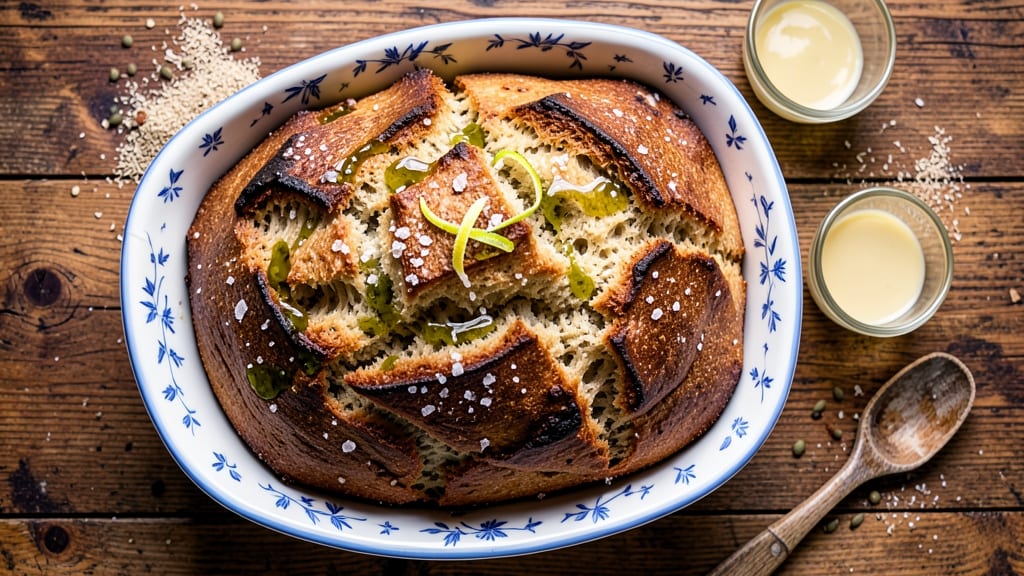
This almond flour bread loaf recipe delivers the perfect balance of crusty crunch and light, airy interior—without any eggs or dairy. The secret lies in binding almond flour with aquafaba (chickpea brine) for a structure that rivals traditional bread, while keeping it naturally gluten-free and rich in flavor.
I developed this recipe after years of experimenting with nut-based loaves, and it finally achieves that satisfying texture we all crave.
The process is straightforward but requires attention to detail—whisking the aquafaba to stiff peaks mimics egg whites, creating lift, while almond flour absorbs moisture slowly for a tender crumb.
Baking at 350°F for 40-45 minutes ensures a golden crust without burning, and a water spray in the oven keeps the loaf moist. This bread isn’t just for sandwiches—its nutty depth shines when toasted or served with soups.
What sets this recipe apart is its versatility: use it as a base for vegan charcuterie boards, toast it with avocado for breakfast, or slice it for gluten-free toast.
The loaf keeps well at room temperature for 3-4 days or frozen for up to 3 months, making it ideal for meal prep. With just 7 simple ingredients, you’ll achieve a loaf that’s crisp on the outside, tender inside, and packed with nutty flavor—no compromises.
For best results, let the dough rest for 20 minutes before baking to improve texture, and avoid overmixing the batter to prevent a dense crumb. The aquafaba trick is non-negotiable—it’s the key to that light, airy structure that makes this bread worth the effort.
Trust the process, and you’ll end up with a loaf that tastes like a bakery secret.
Ingredients for almond flour bread loaf
Seven ingredients transform into a gluten-free loaf with bakery-style texture and nutty depth.
| Ingredient | Amount | Notes |
|---|---|---|
| Almond Flour 🌰 | 3 cups | Finely ground, unsweetened preferred |
| Aquafaba 🥫 | ¾ cup | Fresh chickpea brine, whisked to stiff peaks |
| Water 💧 | ½ cup | Room temperature for best results |
| Psyllium Husk Powder 🌿 | 1 tbsp | Essential for gluten-free structure |
| Salt 🧂 | 1 ½ tsp | Diamond Crystal kosher preferred |
| Olive Oil 🫒 | ¼ cup | Extra-virgin for subtle flavor |
| Apple Cider Vinegar 🍎 | 1 tsp | Activates psyllium husk |
The almond flour is the foundation—Bob's Red Mill or Anthony's Goods brands yield the finest texture. Aquafaba must be fresh; save the brine from canned chickpeas (or use 1/4 cup aquafaba from a jar if needed). Psyllium husk powder is non-negotiable for structure—Now Foods organic powder dissolves perfectly. For the olive oil, California Avocado Ranch extra-virgin adds subtle fruitiness without overpowering the nutty base. The apple cider vinegar activates the psyllium, creating that signature chewiness in gluten-free breads.
No aquafaba? 1/4 cup aquafaba powder reconstituted with 1/4 cup water works (though texture won't be identical). Substitute almond flour for walnut flour (1:1 ratio) for a deeper flavor, though texture will be denser. For a lighter loaf, replace 1/4 cup almond flour with tapioca starch. The psyllium husk can be tricky—measure precisely, as too much creates a gummy texture. Store-bought aquafaba (like Sir Kensington's) is convenient but lacks the freshness of homemade brine.
Mix the dry ingredients first, then fold in aquafaba gently to avoid deflating the peaks. Let the batter rest 20 minutes—this critical step improves texture. Bake in a 9x5-inch loaf pan lined with parchment for easy removal. The loaf keeps 3-4 days at room temperature, wrapped in a clean kitchen towel. For longer storage, freeze sliced portions for up to 3 months. Toasting enhances the crust's crunch—spray with water before baking for extra browning.
Why You'll Love This Recipe
- No Mixer Needed: I swear by this—just fold almond flour, aquafaba, and psyllium husk powder together like you’re making pancake batter. No kneading, no standing over a dough, no mess. The psyllium does all the heavy lifting while you sip your coffee.
- Nutty Warmth: That first bite? Rich, toasty almond flavor without tasting like you’re eating a dessert. Honestly, the aquafaba trick makes it light enough to eat plain, but it’s the subtle crunch from the almond flour that keeps me coming back.
- Meal Prep Hero: Between us, this loaf holds up for days—perfect for sandwiches or toast. I slice it fresh and store it in the fridge, then just pop it in the toaster when I’m in a rush. (Yes, even on a Tuesday night.)
- Budget-Friendly Staple: Almond flour’s pricey, but one loaf stretches forever. I double the recipe, freeze half, and pull it out when I need a quick, satisfying snack. Psyllium husk powder? A dollar bag lasts months. Smart spending for something this good.
Step-by-step instructions for almond flour bread loaf
Here's the method for achieving that perfect crusty exterior with a light, airy interior—every time.
Whisk Aquafaba to Stiff Peaks
In a large mixing bowl, combine the 0.75 cup Aquafaba and 1 tsp Apple Cider Vinegar. Using an electric mixer on high speed, whisk continuously for 4-5 minutes until the mixture forms stiff, glossy peaks that hold their shape when the whisk is lifted. This step mimics egg whites in traditional bread, providing structure and lift. You'll know it's ready when the peaks stand straight up and don't flatten immediately.
I like to work in a well-ventilated area during this step—the aquafaba will foam significantly. If you notice the mixture losing volume or becoming grainy, whisk for another 30 seconds. The texture should be smooth and thick, almost like meringue. This is your leavening agent, so don't rush it.
Combine Wet Ingredients and Psyllium Husk
In a separate medium bowl, whisk together the 0.5 cup Water, 0.25 cup Olive Oil, 1 tbsp Psyllium Husk Powder, and 1.5 tsp Salt until the psyllium husk is completely dissolved and the mixture is smooth. The psyllium husk will thicken the batter significantly—this is normal and essential for gluten-free structure. Let the mixture sit for 2 minutes to fully hydrate and thicken.
Here's the thing—psyllium husk can be tricky. If the mixture looks too thick after 2 minutes, add 1 teaspoon of water at a time until it reaches a thick pudding consistency. You want it to hold its shape when spooned but still be pourable. This balance ensures proper binding in the final loaf without making it dense.
Gently Fold Wet Ingredients Into Aquafaba
Using a large spatula, gently fold one-third of the whipped aquafaba into the psyllium mixture. This gradual approach prevents deflating the aquafaba's volume. Once incorporated, fold in another third, then the final third. Work quickly but carefully—you're looking for a smooth, uniform batter with no streaks of white aquafaba remaining. The batter should be thick but still spreadable.
Don't overmix at this stage. You'll see some small bubbles form, but that's okay—they'll be incorporated further during the next step. If you notice the batter separating or looking too thin, add 1 tablespoon of the almond flour to help stabilize it. The final batter should resemble thick pancake batter with a slightly glossy sheen from the aquafaba.
Incorporate Almond Flour for Final Batter
Gradually add the 3 cups Almond Flour to the batter in 3 additions, folding gently after each addition. Use a large spatula to cut through the center and fold the edges into the middle. This technique ensures even distribution of the almond flour while maintaining as much air as possible from the aquafaba. The batter will become thick and dough-like, similar to cookie dough but with a slightly sticky texture.
Here's where precision matters: the batter should be just thick enough to hold its shape when dropped from a spoon but still be workable. If it's too sticky to handle, add 1 tablespoon more of almond flour. If it's too dry and crumbly, add 1 teaspoon of water. The ideal consistency allows you to scoop it into the loaf pan without it sticking excessively or falling apart.
Prepare and Bake the Loaf
Preheat your oven to 350°F and line a 9x5-inch loaf pan with parchment paper, allowing it to extend slightly over the edges for easy removal. Generously grease the parchment with olive oil to prevent sticking. Transfer the batter to the prepared pan, smoothing the top with a spatula. The batter will be thick, so you may need to press gently to fill any gaps.
Bake for 50-55 minutes until the top is deep golden brown and a toothpick inserted into the center comes out clean. The loaf should spring back slightly when pressed gently in the center. If the top browns too quickly, tent loosely with aluminum foil after 30 minutes to prevent over-browning while allowing the interior to cook through.
For that perfect crust, I like to broil for 1-2 minutes during the last minute of baking—watch closely to avoid burning. Let the loaf cool in the pan for 10 minutes, then transfer to a wire rack to cool completely. This resting period allows the crumb to set properly and makes slicing much cleaner. The final result should have a crisp, crackly exterior with a light, airy interior that crumbles slightly like traditional bread.
Pro Tips For Making Almond Flour Bread Loaf
- Mix Aquafaba First: Whisk the aquafaba until stiff peaks form—like a meringue—before folding it into the wet ingredients. I learned this the hard way: skipping this step means your loaf will be dense and gummy instead of light and airy. (Yes, it takes 5-7 minutes, but it’s worth it.)
- Toast Almond Flour: Spread almond flour on a baking sheet and toast at 350°F (175°C) for 8-10 minutes until it smells nutty and deepens in color. This removes raw flavors and prevents a bitter aftertaste in your bread. (I know, it’s an extra step—but your taste buds will notice.)
- Don’t Overmix the Dough: Combine wet and dry ingredients just until combined—no more. Overmixing activates the psyllium husk too early, making the dough tough and rubbery. Think "quick stir, then stop," not "beat until smooth."
- Let It Rest Before Baking: After mixing, let the batter sit for 10-15 minutes while you preheat the oven. This gives the psyllium husk time to hydrate properly, ensuring your loaf holds together instead of crumbling apart. (I used to skip this and wondered why my bread fell apart when slicing.)
Best sauces and condiments for this almond flour bread loaf
Herb Butter Spread
Whip together ¼ cup softened vegan butter with 1 tbsp fresh rosemary, 1 tbsp fresh thyme, and 1 tsp garlic powder. Spread this on warm slices of your almond flour bread for a savory, aromatic experience that complements the nutty flavor.
I like to add a pinch of salt and ½ tsp lemon zest for brightness. 🌿
Garlic Aioli
Blend ½ cup vegan mayonnaise (like Just Mayo), 2 minced garlic cloves, 1 tbsp lemon juice, and 1 tsp Dijon mustard until smooth. This creamy, tangy sauce elevates sandwiches or toasted bread slices beautifully.
For extra richness, add 1 tbsp olive oil at the end. Store in an airtight container for up to 5 days.
Spiced Maple Glaze
Simmer ¼ cup pure maple syrup with ½ tsp cinnamon, ¼ tsp ginger, and a pinch of salt for 3-4 minutes until slightly thickened. Drizzle over warm bread slices or use as a topping for French toast-style preparations. The warm spices balance the bread's nuttiness perfectly. 🍁
Olive Oil & Balsamic
Drizzle 1 tbsp extra-virgin olive oil and 1 tsp balsamic vinegar over toasted bread slices. Finish with a sprinkle of flaky sea salt and fresh cracked black pepper.
This simple combination enhances the bread's natural flavors without overpowering them. I often add a few Kalata figs for a sweet-savory contrast.
Avocado Mash
Mash ½ ripe avocado with 1 tbsp lime juice, 1 tbsp vegan sour cream, and salt to taste. Spread generously on toasted bread for a creamy, nutrient-packed topping.
For extra flair, top with everything bagel seasoning or chopped cilantro. This works amazingly as a breakfast or snack option.
Smoky Chipotle Cream
Mix ¼ cup vegan cream cheese with 1 tsp chipotle powder, ½ tsp smoked paprika, and a pinch of salt until smooth. Spread on warm bread slices and top with pickled red onions for a smoky, tangy kick.
This pairing is perfect for heartier meals or as a sandwich spread. Store in the fridge for up to 5 days.
Nutrition facts
Frequently asked questions
Can I substitute aquafaba with something else?
Yes! If you don't have aquafaba, try 1/4 cup aquafaba powder reconstituted with 1/4 cup water or 1/4 cup unsweetened applesauce as a binder. For best results, use 1 tbsp ground flaxseed mixed with 3 tbsp water (let sit for 5 minutes to thicken). These alternatives will work but may slightly alter the texture—aquafaba creates the lightest, airiest crumb.
Why did my bread turn out dense instead of light?
Dense bread usually means one of two things: overmixing the batter (which deflates the aquafaba) or skipping the 20-minute rest before baking. Always fold ingredients gently and let the batter sit—this allows the psyllium husk to fully hydrate and the aquafaba to set properly. Also, check your oven temperature with an oven thermometer—350°F is critical for even baking.
How do I store this bread to keep it fresh?
Wrap the cooled loaf tightly in a clean kitchen towel or aluminum foil, then store at room temperature for 3-4 days. For longer storage, slice the bread and freeze portions for up to 3 months. To reheat, toast slices in a toaster or warm in a 300°F oven for 5-7 minutes to restore crispiness. Avoid refrigerating—it dries out the bread faster.
Can I add seeds or nuts to this recipe?
Fold in 1/4 cup chopped walnuts, pecans, or sunflower seeds during the final almond flour addition. For extra crunch, toast the nuts/seeds at 350°F for 5 minutes before adding. Just reduce the almond flour by 2 tablespoons to maintain proper batter consistency. Pumpkin seeds add a nice earthy flavor, while walnuts deepen the nutty profile.
Is this bread truly gluten-free?
Yes, this recipe is completely gluten-free as it uses almond flour and psyllium husk instead of wheat. However, always check your almond flour label—some brands process in facilities that handle gluten. For extra safety, use certified gluten-free almond flour. The psyllium husk provides the structure that gluten normally would, creating a satisfying chewiness.