
Side Dishes
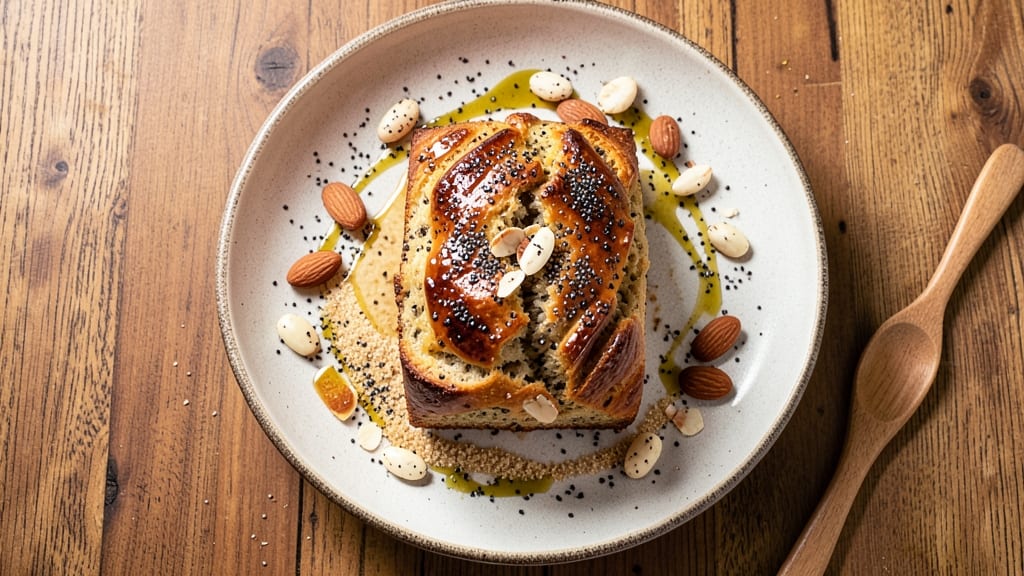
This almond chia bread recipe transforms simple ingredients into a vegan masterpiece with a chewy crumb and nutty crunch—perfect for sandwiches, toast, or gifting. The secret lies in chia seeds absorbing moisture like a sponge, creating a tender yet sturdy texture that holds up to slicing and toasting.
I've baked this loaf dozens of times, and it never fails to impress with its subtle sweetness and satisfying bite.
The beauty of this recipe is its foolproof simplicity—no yeast, no kneading, and no fancy equipment required. Just blend the wet ingredients, mix in your dry components, and let the chia seeds do their magic as they hydrate and bind the dough.
The almonds add texture and richness, while the chia seeds contribute a subtle earthiness that balances everything. Baking at the right temperature ensures a golden crust without drying out the crumb.
What you'll end up with is a vegan bread that's moist yet sturdy, with pockets of crunch from the almonds and chia seeds. It slices cleanly, toasts beautifully, and stays fresh for days when stored properly.
The best part? You can customize it with add-ins like flaxseeds, walnuts, or even dried fruit for extra flavor and texture. This bread is versatile enough for both sweet and savory applications.
Whether you're looking for a nutrient-packed side dish, a vegan alternative to traditional bread, or a showstopping loaf to share with friends, this recipe delivers. Let's get baking—your kitchen will smell amazing, and your taste buds will thank you.
Ingredients for almond chia bread
Simple pantry staples transform into a vegan bread with perfect chewy crumb and nutty crunch.
| Ingredient | Amount | Notes |
|---|---|---|
| All-Purpose Flour 🌾 | 2 cups | Unbleached for best texture |
| Raw Almonds 🥜 | 1 cup | Blanched or unblanched, finely chopped |
| Chia Seeds 🌱 | ½ cup | Organic preferred for purity |
| Coconut Sugar 🍯 | ¼ cup | Or maple syrup for liquid sweetness |
| Extra-Virgin Olive Oil 🫒 | ½ cup | High-quality for richness |
| Unsweetened Almond Milk 🥛 | 1 cup | Room temperature for blending |
| Apple Cider Vinegar 🍏 | 1 tbsp | Activates chia seeds |
| Baking Powder 🧂 | 1 tsp | Aluminum-free preferred |
| Salt 🧂 | ½ tsp | Fine sea salt for balance |
| Ground Flaxseed 🌾 | 2 tbsp | For extra binding power |
| Vanilla Extract 🌸 | 1 tsp | Pure alcohol-free preferred |
| Water 💧 | ½ cup | Warm for better hydration |
The chia seeds are non-negotiable here—they're the secret ingredient that binds everything together like a natural gluten substitute. Bob's Red Mill or NOW Foods organic chia seeds are my go-tos, but any high-quality brand works. Look for seeds that are uniformly dark and free of moisture clumps. The almonds should be raw and unsalted—Blue Diamond or Trader Joe's brands are budget-friendly and work perfectly. If you're feeling fancy, toast the almonds first for extra depth of flavor, but it's not required. The flour matters too—King Arthur unbleached all-purpose has the right protein balance for this recipe, but any good-quality flour will do. I always double-check the baking powder date because old baking powder loses its lift—this is where your bread might fail if you're not careful.
No chia seeds? Flaxseeds at double the amount work in a pinch, though texture will be slightly different. Running short on almonds? Walnuts or pecans add a similar crunch, though flavor shifts. The coconut sugar can be swapped for maple syrup or agave, but reduce other liquids slightly to account for the extra moisture. No almond milk? Oat milk or soy milk both work well—just avoid rice milk, which can make the bread gummy. The vanilla extract is where you can splurge if you want. Nielsen-Massey pure vanilla is my favorite, but imitation will work fine for everyday baking. If you're adding extras like dried fruit or seeds, reduce the flour by 2 tablespoons to keep the texture right.
This bread keeps beautifully—5 days at room temperature wrapped in a clean kitchen towel, or 1 week in the fridge. For longer storage, slice and freeze portions for up to 3 months. The best part? It actually gets better as it sits—those chia seeds keep releasing moisture, making each slice more tender. I like to toast slices before serving to bring out the nutty flavors. If you make a double batch (which I always do), the extra loaf makes fantastic French toast or breadcrumbs for vegan meatballs—just pulse in a food processor.
Why You'll Love This Recipe
- No-Fuss Mix-In: I swear by the 5-minute prep here—just pulse raw almonds and chia seeds in a food processor, toss with flour, and you’re done. No sifting, no measuring cups of weird ratios.
- Nutty Sweet Crunch: That first bite? Warm, slightly chewy bread with pockets of toasted almonds and chia’s subtle pop—like a cross between banana bread and a fancy granola bar. Honestly, the coconut sugar keeps it from being too health-food-bland.
- Breakfast to Snack: Slice it thick for toast with almond butter, pack it in lunchboxes, or serve it warm with jam—it’s my go-to for lazy mornings or after-school energy. (Yes, even on a Tuesday night.)
- Budget-Friendly Staple: A single batch costs me pennies and lasts a week—chia seeds bulk out the dough, almonds add richness without breaking the bank, and the olive oil keeps it moist. No sad, dry leftovers here.
Step-by-step instructions for almond chia bread
Here's how to transform simple ingredients into a wonderfully nutty, seed-studded loaf with perfect texture.
Prepare the Chia Seed Gel
In a small bowl, whisk together the 0.5 cup chia seeds, 0.5 cup water, and 1 tbsp apple cider vinegar. Let it sit for 10 minutes while you prepare the rest of the ingredients. You'll notice the mixture thicken dramatically as the chia seeds absorb the liquid and form a gel-like consistency—this is crucial for binding the bread together.
Real talk: don't skip this step. The chia gel acts like an egg substitute, adding moisture and structure. If you're impatient, give it the full 15 minutes—the longer it sits, the better it works. The gel should be thick enough to hold its shape when you lift the spoon, with no liquid pooling at the bottom.
Mix Wet Ingredients for Perfect Texture
In a large mixing bowl, combine the 0.5 cup extra-virgin olive oil, 0.25 cup coconut sugar, 1 tsp vanilla extract, and the chia seed gel you just prepared. Whisk vigorously for 2-3 minutes until the mixture becomes smooth and slightly thickened. This step ensures even distribution of moisture and flavor throughout the batter.
Here's the thing—adding the chia gel last prevents it from absorbing too much of the olive oil, which could make the bread dry. The mixture should look like a thick, glossy batter with no visible chia seeds. If it seems too thick, add 1 tablespoon of the unsweetened almond milk to loosen it slightly.
Combine Dry Ingredients Gently
In a separate bowl, sift together the 2 cups all-purpose flour, 1 tsp baking powder, and 0.5 tsp salt. This aerates the dry ingredients and prevents lumps in the final batter. Gradually add this mixture to your wet ingredients while stirring gently with a spatula. The goal is to combine without overmixing—you should still see some flour streaks in the batter.
I always fold in the 1 cup raw almonds and 2 tbsp ground flaxseed at this stage. The almonds add wonderful crunch and nutty flavor, while the flaxseed provides extra binding power. Be careful not to overmix—just until everything is evenly distributed. Overworking the dough develops gluten, which can make the bread dense instead of light and airy.
Prepare the Loaf Pan and Bake
Preheat your oven to 350°F and lightly grease an 8x4-inch loaf pan. Pour the batter into the prepared pan and smooth the top with a spatula. Tap the pan gently on the counter a few times to release any air bubbles that may have formed. This ensures your bread rises evenly without creating pockets.
Bake for 50-60 minutes, or until a toothpick inserted in the center comes out clean. The bread is done when the top is golden brown and the edges pull away slightly from the pan. I know it seems like a long time, but patience here prevents a gummy center. If the top browns too quickly, tent the pan with aluminum foil to prevent over-browning while the center finishes baking.
Cool and Enjoy
Remove the bread from the oven and let it cool in the pan for 10 minutes. Then transfer it to a wire rack to cool completely. This cooling period is essential—it allows the bread to set properly and prevents it from becoming gummy. The internal temperature should drop to about 100°F before slicing.
Once cooled, slice into 8 equal servings and enjoy! The bread should have a tender crumb with pockets of crunchy almonds and chia seeds throughout. Each slice should be moist but not sticky, with a subtle sweetness from the coconut sugar. Store any leftovers in an airtight container for up to 5 days, or freeze for longer storage.
Pro Tips For Making Almond Chia Bread
- GRIND ALMONDS FINE: I learned this the hard way—lumpy almond flour makes bread dense and chewy. Pulse raw almonds in a food processor until they’re almost powdery (like fine sand), but resist the urge to over-process into butter. The texture should be consistent, or your bread will fight you.
- SOAK CHIA SEEDS: Skip the dry chia seeds—this bread needs them prepped right. Mix chia seeds with 3x their weight in warm water and let sit for 10 minutes until they form a gel. This prevents a gummy texture and keeps the crumb tender. (Yes, even if you’re impatient like me.)
- USE COLD OIL: Pouring warm olive oil into your batter sounds harmless, but it melts coconut sugar prematurely. Keep that oil chilled—it helps the sugar stay granulated longer, giving you a better rise. Cold oil also means less risk of a greasy, dense loaf.
- TEST DONENESS EARLY: This bread’s interior stays moist longer than regular loaves. Start checking for doneness at 30 minutes (depending on your oven) by inserting a skewer—it should come out clean but slightly sticky. Overbaking turns it dry; underbaking leaves it gummy. Trust your instincts, not the recipe’s time.
Troubleshooting this recipe
Dense Batter Issues
If your batter feels too thick after mixing, it’s likely because the chia gel absorbed too much liquid or the flour was added too quickly. To fix this, whisk in 1 tablespoon of almond milk at a time until the batter reaches a smooth, pourable consistency.
I’ve found that room-temperature milk blends better than cold. If the batter still seems too dense after adding liquid, try sifting the flour again to aerate it before mixing. 💡
Gummy or Underbaked Center
An underbaked center usually means the bread didn’t bake long enough or the oven temperature wasn’t consistent. First, verify your oven temperature with an oven thermometer—many home ovens run 25°F hotter or colder than set.
If the center feels gummy after 60 minutes, tent the bread with foil and bake for an additional 10-15 minutes at 325°F. Let it cool completely before slicing—rushing this step can make the texture mushy.
Dry or Crumbly Texture
Dryness often happens when too much flour is added or the chia seeds weren’t hydrated properly. To salvage a dry batch, brush the cooled loaf with 2 tablespoons of warmed olive oil mixed with 1 teaspoon of maple syrup before slicing.
For future bakes, measure flour by spooning it into the cup and leveling—don’t scoop directly from the bag, which compacts it. Also, ensure your chia gel is fully thickened (at least 15 minutes) before mixing.
Bread Sticks to Pan
This usually means the pan wasn’t greased enough or the batter lacked fat. Next time, coat the pan with 1 tablespoon of olive oil and dust it with 1 tablespoon of flour, tapping out the excess. For extra insurance, line the pan with parchment paper cut to fit snugly.
If the bread still sticks, try baking it in a 9x5-inch pan instead—it has slightly higher sides that help with release. Let the bread cool in the pan for the full 10 minutes before transferring.
Uneven Rise or Sinking Top
An uneven rise often indicates the baking powder was old or the batter wasn’t mixed thoroughly. Test your baking powder by mixing 1 teaspoon with 3 tablespoons of hot water—it should bubble vigorously. If not, replace it.
For the batter, fold the dry ingredients into the wet ones in 3 parts to prevent lumps. Also, tap the pan gently on the counter 3 times after pouring the batter to release air bubbles.
If the top sinks after baking, it likely overcooked—next time, check for doneness at 50 minutes.
Seeds Not Distributed Evenly
Uneven seed distribution happens when you fold them in too quickly. To fix this, gently stir the almonds and chia seeds into the batter in 2 batches, using a spatula to cut through the mixture and ensure even dispersion.
For future bakes, toast the almonds first—their expanded size makes them easier to distribute evenly. If you notice seeds clustering, gently press them into the batter with a spoon before pouring it into the pan. 🌱
Nutrition facts
Frequently asked questions
Can I make this bread without almonds?
Swap the 1 cup almonds for 1 cup walnuts, pecans, or even sunflower seeds for a different flavor profile. For a seed-only version, use 1 cup pumpkin seeds or sesame seeds—just toast them first to enhance their nuttiness. If you want a nut-free option, try dried cranberries or chopped apricots for sweetness and chew.
Why does my batter look too thick?
Thick batter usually means the chia gel absorbed too much liquid or the flour was added too quickly. Fix it by whisking in 1 tablespoon of almond milk at a time until smooth. For future bakes, sift the flour first to aerate it. Room-temperature milk blends better than cold—this prevents the chia gel from thickening too fast.
How do I know when the bread is fully baked?
The bread is done when a toothpick inserted in the center comes out clean and the internal temperature reaches 200°F. Look for golden-brown edges that pull away slightly from the pan. If the top browns too quickly, tent with foil to prevent over-browning while the center finishes baking. Never rely on color alone—always check with a toothpick!
Can I add sweetener beyond the coconut sugar?
Yes! For extra sweetness, add 1-2 tablespoons of maple syrup or agave to the wet ingredients, or sprinkle 1 tablespoon of cinnamon into the dry mix. If using dried fruit like raisins or chopped dates, reduce the flour by 2 tablespoons to maintain the right texture. Just be mindful—too much sweetener can make the bread gummy.
How should I store leftovers to keep them fresh?
Wrap the cooled loaf in a clean kitchen towel or beeswax wrap, then store at room temperature for 3-4 days. For longer freshness (5-7 days), refrigerate in an airtight container. To revive stale slices, warm them in a 350°F oven for 5-7 minutes or toast in a dry pan until crispy. For maximum shelf life, slice and freeze portions for up to 3 months.