
Side Dishes
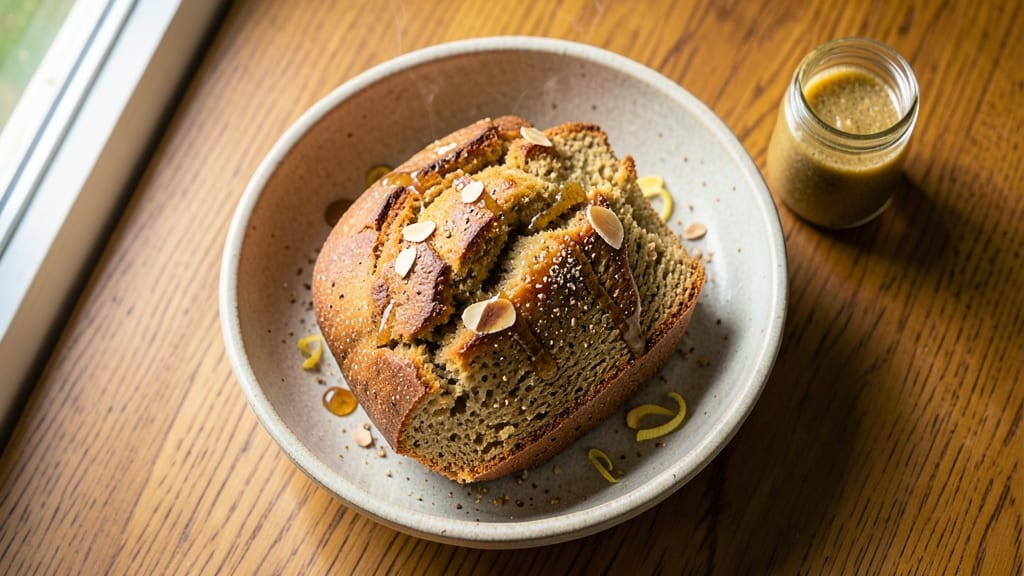
This gluten-free almond flour and flaxseed bread delivers the perfect balance of nutty crunch and moist crumb—without a single grain of wheat. The flaxseed acts as a natural egg substitute, binding the almond flour into a tender, flavorful loaf that rivals traditional bread.
What makes this recipe stand out is how the almond flour adds richness while keeping the texture light, making it ideal for sandwiches, toast, or serving alongside soups.
The secret to success lies in the flaxseed "egg"—ground flaxseed mixed with water creates a gel that mimics the binding properties of eggs, ensuring a sturdy yet tender crumb.
Unlike dense gluten-free breads, this recipe achieves a moist, slightly chewy texture thanks to a touch of apple cider vinegar and a splash of almond milk. It’s also naturally sweetened, so you won’t miss refined sugar.
Baking this loaf is straightforward: mix, shape, and bake at 350°F for 30-35 minutes until golden and fragrant. The result is a gluten-free bread that’s perfect for those avoiding gluten or simply craving a healthier option.
It freezes beautifully, too, so you can bake a batch ahead for quick breakfasts or snacks.
For extra flavor, try adding chia seeds, sunflower seeds, or fresh herbs to the batter before baking. Serve warm with butter, jam, or as the base for your favorite sandwich. Here’s how to make it—foolproof and delicious every time.
Ingredients for almond flour and flaxseed bread
Eight simple ingredients transform into a nutty, moist gluten-free loaf perfect for sandwiches or toast.
| Ingredient | Amount | Notes |
|---|---|---|
| Blanched Almond Flour 🌰 | 3 cups | Finely ground, unsweetened |
| Ground Flaxseed 🌾 | ½ cup | Freshly ground for best results |
| Unsweetened Almond Milk 🥛 | ¾ cup | Plain, unsweetened variety |
| Apple Cider Vinegar 🍎 | 1 tbsp | Raw, unfiltered preferred |
| Pure Maple Syrup 🍁 | ¼ cup | Grade B for richer flavor |
| Baking Powder 🧂 | 1 tsp | Aluminum-free preferred |
| Sea Salt 🧂 | ½ tsp | Fine grain, Diamond Crystal |
| Chia Seeds 🌱 | ¼ cup | Optional for extra texture |
| Fresh Rosemary 🌿 | 1 tbsp | Finely chopped, optional |
| Water 💧 | ¼ cup | Room temperature |
| Sunflower Seeds 🌻 | ¼ cup | Optional for crunch |
Almond flour is the star here—Bob's Red Mill or Anthony's Goods brands are my go-tos for consistent texture. The flour should be finely ground; if you're grinding your own, pulse in short bursts to avoid overheating. Flaxseed is non-negotiable for binding—Bob's Red Mill organic works perfectly, but any high-quality brand will do. For extra flavor, I always add fresh rosemary (or dried at one-third the amount), but it's optional. The sunflower seeds? Costco's bulk section has them at a great price—just toast them lightly before adding for deeper flavor.
No almond milk? Oat milk or coconut milk works just as well, but avoid sweetened versions. Short on maple syrup? Date syrup or agave nectar are great swaps, though maple adds that perfect caramel note. The baking powder must be fresh—if it's over 6 months old, toss it. For a sweeter loaf, add 1-2 tbsp more maple syrup. The chia seeds are optional but add nice texture—if you skip them, increase the almond flour by 0.25 cup to maintain structure. Always measure your almond flour by weight if possible—it's far more accurate than volume.
This bread keeps beautifully—4-5 days in an airtight container at room temperature, or up to 2 weeks in the fridge. For longer storage, wrap tightly in foil and freeze for up to 3 months. I like to slice it before freezing—just thaw at room temperature for 1-2 hours. Toasting revives stale slices instantly. The flaxseed egg mixture can be prepped 3 days ahead; just keep it refrigerated until ready to use. For extra crunch, sprinkle with extra seeds before baking.
Why You'll Love This Recipe
- No Mixer Needed: I swear by this—just stir, pour, bake. The almond flour and ground flaxseed blend like a dream with almond milk, no kneading or fuss. Honestly, my blender’s been on vacation since I discovered this trick.
- Nutty-Sweet Magic: That maple syrup and apple cider vinegar combo? It’s the secret weapon. The bread has this warm, caramelized edge with a tender crumb—like a cross between a scone and a loaf. (Yes, even my coffee-drinking husband steals slices.)
- Weeknight & Picnic Star: Slice it for toast, pack it for lunch, or serve it warm with butter. Between us, I’ve had it cold the next day with almond butter and it still wins. No reheating required—just reliable, no-fuss bread.
- Budget-Friendly Staple: Almond flour’s pricey upfront, but one batch stretches into toast, French toast, or breadcrumbs for weeks. I’ll be real: it’s not the cheapest loaf, but it’s the one that actually lasts. (And zero food waste here.)
Step-by-step instructions for almond flaxseed bread
Let's create a tender, gluten-free loaf with nutty depth and perfect texture—no compromises on flavor or moisture.
Prepare the Flaxseed Egg Replacement
In a small bowl, whisk together the 0.5 cup ground flaxseed and 0.25 cup water. Let it sit for 5 minutes—you'll see it thicken into a gel-like consistency, mimicking the binding properties of eggs. This is the foundation of our gluten-free structure, so don't skip the waiting time.
While that thickens, measure out the 0.75 cup unsweetened almond milk and add 1 tablespoon apple cider vinegar. Stir and let it sit for 2 minutes to create a simple buttermilk substitute. The acidity will help activate the baking powder later, giving us better rise. This step ensures our bread stays moist longer than traditional gluten-free loaves.
Mix Wet and Dry Ingredients
In a large mixing bowl, combine the 3 cups blanched almond flour, 1 teaspoon baking powder, and 0.5 teaspoon sea salt. Whisk gently to distribute the leavening agent and salt evenly—this prevents pockets of undissolved baking powder that could make our bread dense.
In a separate small bowl, mix the 0.25 cup pure maple syrup, 1 tablespoon finely chopped fresh rosemary, and the flaxseed gel until smooth. The rosemary adds an earthy aroma that pairs beautifully with the nutty almond flour. Pour this mixture into the dry ingredients along with the almond milk-vinegar mixture.
Incorporate Seeds and Chia
Gently fold in the 0.25 cup chia seeds and 0.25 cup sunflower seeds using a silicone spatula. Be careful not to overmix—just until the seeds are evenly distributed. The chia seeds will add subtle texture while absorbing moisture, and the sunflower seeds contribute crunch and extra nutrition.
Let the batter rest for 10 minutes at room temperature. This allows the flaxseed gel to fully activate and the almond flour to hydrate properly. You'll notice the batter becomes slightly thicker and more cohesive during this time—this is ideal for our gluten-free structure.
Bake to Golden Perfection
Preheat your oven to 350°F and line a 9x5-inch loaf pan with parchment paper, letting it extend slightly over the edges for easy removal. Transfer the batter to the prepared pan and smooth the top with a wet spatula. The batter will be thick but should spread evenly in the pan.
Bake for 45-50 minutes until the top is golden brown and a toothpick inserted in the center comes out clean. The edges should pull away from the pan slightly, indicating proper doneness. If the top browns too quickly, tent loosely with foil after 30 minutes to prevent over-browning while maintaining moisture.
Rest and Slice for Maximum Moisture
Remove the bread from the oven and let it cool in the pan for 10 minutes, then transfer to a wire rack to cool completely. This resting period is crucial—it allows the internal structure to set properly, preventing a crumbly texture that's common in gluten-free breads.
Slice with a sharp serrated knife for clean cuts. The interior should be tender with a slightly dense yet moist crumb, and each slice should hold its shape without falling apart. Store wrapped at room temperature for 2 days or refrigerate for up to 5 days—this bread actually improves slightly over time as the flavors meld.
Pro Tips For Making Almond Flour And Flaxseed Bread
- STIR THE FLAXSEED: Mix the ground flaxseed with almond milk first—let it sit for 5 minutes before adding other wet ingredients. I learned this the hard way: skipping the wait makes the bread dense and gummy, like eating a wet brick.
- WEIGH THE ALMOND FLOUR: Scooping almond flour by volume is a disaster—it packs differently every time. Use a kitchen scale for accuracy; 1 cup of blanched almond flour weighs about 100 grams, but don’t guess. Trust me, your bread’s texture will thank you.
- DON’T OVERMIX THE DOUGH: Stir just until the ingredients barely combine—overworking it turns the batter into a gluey mess. A few lumps are fine; they’ll disappear when baked. I used to panic and mix like I was kneading pizza dough, and it always backfired.
- BAKE LOW AND SLOW: Preheat the oven to 325°F (not 350°F) and bake for 45–55 minutes. Almond flour burns fast, and rushing it gives you a charred loaf instead of a golden, tender crumb. Yes, it takes longer, but it’s worth it.
Storing and reheating your leftovers
Room-Temp Storage
This bread stays fresh for 4-5 days when wrapped tightly in beeswax wrap or stored in an airtight container with a slice of bread inside to absorb excess moisture. I keep mine on the countertop, away from direct sunlight—almond flour breads can dry out faster than wheat-based loaves.
For extra protection, place a damp paper towel over the wrapped bread before sealing. 🌰
Fridge Preservation
Extend shelf life to up to 2 weeks by refrigerating in a ziplock bag with all air squeezed out. The cold slows moisture loss, but almond flour bread can become slightly drier when refrigerated.
To revive stale slices, wrap them in a damp paper towel and microwave for 10-15 seconds—the steam restores moisture instantly. I always slice before freezing to maintain texture. ❄️
Freezing for Long-Term
Freeze for up to 3 months in quart-sized freezer bags with all air removed. I recommend pre-slicing before freezing—this prevents freezer burn and makes thawing easier. When ready to use, thaw at room temperature for 1-2 hours or toast directly from frozen for 3-4 minutes on low heat.
The flaxseed binder helps maintain moisture during freezing better than most gluten-free breads. 💫
Reheating Methods
For sandwiches, toast slices in a toaster oven at 350°F for 2-3 minutes until crispy. For soups or toast, warm in a skillet over medium-low heat for 1 minute per side—this adds a lovely golden crust.
Microwave reheating works too: place a slice on a plate, cover with a damp paper towel, and heat for 15-20 seconds on high power. 🔥
Reviving Stale Slices
If your bread feels dry, the fix is simple: sprinkle slices with 1 teaspoon water and microwave for 10 seconds. The almond flour absorbs moisture quickly, so don't overdo it.
For extra flavor, brush with melted coconut oil before toasting—this adds richness and prevents crumbling. I keep a small spray bottle of water in my pantry just for this purpose. 💡
Nutrition facts
Frequently asked questions
Why does this almond flour bread need flaxseed?
The flaxseed creates a natural egg substitute through its gel-like consistency when mixed with water. This binder replaces gluten's structural role, helping the bread hold together without crumbling. The flaxseed also adds fiber and omega-3s while keeping the texture tender.
Can I make this bread without seeds?
Yes! Skip the chia and sunflower seeds entirely, but reduce the almond flour by 0.25 cup to maintain structure. The bread will still be moist and flavorful—just slightly less textured. For extra richness, add 1 tablespoon almond butter to the wet ingredients.
What if my bread turns out too dense?
Density usually means the flaxseed egg didn't gel properly or the batter was overmixed. Next time, ensure the flaxseed mixture sits for 10 minutes before using, and mix just until combined. For a lighter texture, add 1/4 teaspoon xanthan gum to the dry ingredients.
How do I use this bread for sandwiches?
Toast slices lightly to prevent sogginess, then assemble sandwiches with your favorite fillings. The nutty flavor pairs perfectly with hummus, avocado, or smoked salmon. For extra stability, brush slices with melted coconut oil before assembling.
Can I substitute other flours?
While almond flour is ideal, you can replace up to 1 cup with oat flour or coconut flour. Just reduce the almond milk by 2 tablespoons for coconut flour (it absorbs more moisture). The texture will change slightly—expect a denser crumb with coconut flour.