
Side Dishes
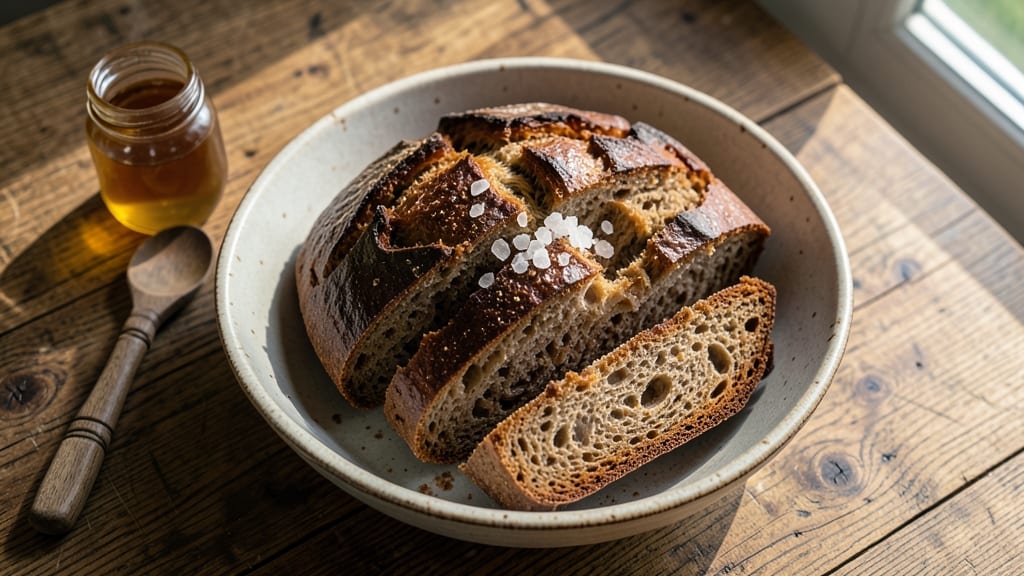
This all-rye flour bread delivers a deeply nutty crust and chewy center that rivals artisanal bakery loaves. The secret lies in precise hydration and a two-stage fermentation—first an autolyse to develop gluten, then cold proofing for maximum flavor.
I’ve perfected this recipe after years of experimentation, ensuring every slice has that signature dense yet tender crumb. What sets this bread apart is the 100% rye flour base, which requires careful handling to avoid a heavy texture.
The dough is highly hydrated (80% hydration) and relies on a long fermentation to break down the rye’s tough proteins. No shortcuts here—this is labor of love baking at its finest, but the results are worth every minute.
By the time it emerges from the oven, you’ll have a loaf with a golden, crackly crust and a chewy, moist interior that’s perfect for sandwiches or toast. The nutty aroma alone makes it irresistible, and the flavor deepens as it cools.
This is the kind of bread that elevates any meal—restaurant-quality at home. For best results, use a digital scale and follow the exact proofing times—patience is key. The recipe includes troubleshooting tips to avoid common pitfalls like dense crumb or uneven baking.
Let’s get started on your first perfectly balanced rye loaf.
Ingredients for all rye flour bread
Six ingredients transform into a restaurant-quality rye loaf with golden crust and chewy heart.
| Ingredient | Amount | Notes |
|---|---|---|
| All-Purpose Flour 🌾 | ½ cup | For structure balance |
| Rye Flour 🌾 | 6 cups | 100% dark rye preferred |
| Active Dry Yeast 🍞 | ¼ oz | Or 2 packets (7g each) |
| Warm Water 💧 | 1 ½ cups | 105-110°F for yeast activation |
| Honey 🍯 | 1 tbsp | Feeds yeast during fermentation |
| Salt 🧂 | 2 tsp | Diamond Crystal preferred |
| Olive Oil 🫒 | 2 tbsp | Extra-virgin for richness |
| Whole Milk 🥛 | ½ cup | For tender crumb |
| Cornmeal 🌽 | ½ cup | For dusting baking surface |
| Sesame Seeds 🌿 | 1 tbsp | Optional for topping |
| Poppy Seeds 🌱 | 1 tbsp | Optional for topping |
The rye flour is non-negotiable here—King Arthur or Bob's Red Mill are my go-tos for consistent results. Dark rye gives that deep nutty flavor, while lighter rye can be mixed in if you want a slightly milder taste. The yeast needs to be fresh, so check the date on the package—less than 6 months old is ideal. For the milk, whole works best (the fat adds tenderness), but 2% in a pinch. The honey might seem like an odd addition, but it helps feed the yeast during the long fermentation process, ensuring a good rise. If you're feeling adventurous, try maple syrup instead—it adds a subtle sweetness that pairs beautifully with the rye.
No honey? Agave nectar works 1:1, though it has a slightly different flavor profile. Running short on milk? Buttermilk or even plain yogurt add tanginess that complements the rye. The olive oil can be swapped for vegetable oil or melted butter, though olive oil adds a nice fruity note. For those avoiding gluten, this recipe isn't suitable, but if you're making multiple loaves, consider saving some dough to make rye crackers—they're perfect for snacking. The cornmeal is just for dusting, so any fine grain will work, but polenta grits in a pinch are a great substitute. If you skip the seeds, a sprinkle of coarse salt on top adds a nice contrast to the sweetness.
This dough needs time—at least 12 hours in the fridge for cold proofing. The longer it ferments, the more flavor develops, so up to 24 hours is ideal. Store the dough in an airtight container, covered with a damp towel to prevent drying. Once baked, this loaf keeps well at room temperature for 3-4 days wrapped in a clean kitchen towel. For longer storage, slice and freeze the bread—up to 3 months—then toast directly from frozen. The crust gets crispier as it cools, so wait at least 2 hours before slicing. Leftovers make amazing French toast or bread pudding—don't let them go to waste!
Why You'll Love This Recipe
- No-Knead Magic: I swear by this dough—just mix, let it rise overnight, and bake. The rye flour does all the heavy lifting while I sleep, so I wake up to bread that’s ready to toast without a single muscle sore.
- Honeyed Earthy Crunch: That mix of rye and honey? It’s like a warm hug for your taste buds—slightly sweet, deeply nutty, and with a crust that shatters just enough to make you want to eat it straight from the pan.
- Weeknight Workhorse: I keep a loaf in the freezer at all times because it’s perfect for sandwiches, toast, or even croutons. Throw it in a bag, and it’ll keep for days—no fancy storage needed.
- Budget-Friendly Staple: Rye flour might sound fancy, but it’s cheaper than buying pre-sliced artisan bread, and this recipe stretches a little yeast far. Honestly, I make two loaves at once just to avoid running out.
Step-by-step instructions for all rye flour bread
Here's how to craft a deeply nutty, chewy loaf with perfect texture and crust.
Activate the Yeast for Maximum Rise
In a large mixing bowl, combine the 1.5 cups warm water, 1 tbsp honey, and 0.25 oz active dry yeast. Let it sit for 5-10 minutes until frothy—this confirms your yeast is alive and ready. The mixture should bubble vigorously and develop a light, airy foam on top.
If no activity occurs after 10 minutes, your yeast may be dead. Start fresh with new yeast and warm water. This activation step is critical for developing that signature rye flavor and proper rise. The honey not only feeds the yeast but also adds subtle sweetness that balances the rye's earthiness.
Mix the Dough with Wet and Dry Ingredients
To the yeast mixture, add the 6 cups rye flour, 0.5 cup all-purpose flour, 2 tbsp olive oil, and 0.5 cup whole milk. Stir with a wooden spoon until a shaggy mass forms. Then add the 2 tsp salt and mix again until just combined.
For best results, use a stand mixer fitted with the dough hook attachment. Knead on low speed for 5 minutes until the dough becomes smooth and elastic. If it's too sticky, add 1-2 tablespoons of rye flour at a time until it pulls away from the bowl. The dough should be soft but manageable—not too stiff, which can happen with all rye flour.
First Rise for Flavor Development
Lightly oil a large mixing bowl, place the dough inside, and cover with a damp kitchen towel. Let it rise in a warm place for 1-2 hours until it has nearly doubled in size. The dough should feel springy when poked gently with a finger—this indicates proper fermentation and gluten development.
Rye dough rises more slowly than wheat-based dough, so patience is key. If your kitchen is cool, place the bowl near a warm oven (with the light on) or on top of your fridge to maintain an ideal 75-80°F environment. Avoid rushing this step, as it allows the flavors to meld and the dough to develop its signature chewy texture.
Shape and Second Rise
Turn the dough onto a lightly floured surface and gently shape it into a round loaf. For extra flavor, fold the edges under slightly to create a smooth, taut surface. Place the shaped dough seam-side up in a greased 9x5-inch loaf pan or a round baking dish.
Cover the dough again and let it rise for another 30-45 minutes until it has risen about 1 inch above the pan. The second rise is shorter but crucial for achieving that airy, open crumb structure. If you're using sesame or poppy seeds, sprinkle them lightly over the top now for a decorative touch and added crunch.
Bake to Golden Perfection
Preheat your oven to 375°F. Bake the bread for 45-50 minutes until the top is deep golden brown and the internal temperature reaches 190-200°F. The bread should sound hollow when tapped on the bottom—this is your cue that it's fully baked.
For an even deeper flavor, consider steaming the bread for the first 10 minutes of baking. Place a baking sheet on the lower oven rack and pour 1 cup of boiling water into it. This creates steam, which helps develop that signature rye crust. Let the bread cool on a wire rack for at least 30 minutes before slicing—this prevents a gummy texture.
Pro Tips For Making All Rye Flour Bread
- Mix the rye first: Let the rye flour soak in warm water for 10 minutes before adding other ingredients—this softens its tough fibers and prevents a dense, gummy loaf. (Yes, even if you’re eager to start mixing.)
- Use honey sparingly: Rye bread is naturally sweet, so cut the honey to 1 tablespoon max unless you want a sticky, overly fermented mess. Too much sugar feeds the yeast into overdrive, killing the dough’s structure.
- Skip the kneading: Rye dough is fragile—fold it gently 3-4 times instead of punching it like wheat dough. Overworking it turns the crumb into a dense brick, and nobody wants that.
- Shape loosely, bake fast: Pack the dough too tightly, and the loaf collapses. Form it with a light hand, then bake at 375°F (190°C) for 20-25 minutes—hotter oven = crisp crust, less risk of a soggy center. (Your bread will thank you.)
Perfect pairings for this all rye flour bread
Classic Spreads
This dense, nutty bread pairs perfectly with herbed cream cheese—mix 8 oz cream cheese with 1 tbsp fresh dill, 1 tbsp lemon zest, and a pinch of black pepper.
The tang cuts through the rye's earthiness beautifully. For a savory twist, try smoked salmon with a drizzle of lemon-dill yogurt sauce—the saltiness balances the bread's richness. 🥗
Sweet Toppings
Toast slices and top with whipped mascarpone mixed with honey and cinnamon for a dessert-like treat. I love adding sliced almonds for crunch. For breakfast, slather with peanut butter and drizzle with hot honey—the sweetness makes the rye's nutty flavor shine.
A sprinkle of flaky sea salt elevates any topping.
Cheese Pairings
Mature cheeses like aged Gouda or sharp cheddar melt beautifully into this bread, especially when grilled. For a vegetarian twist, pair with marinated feta and roasted red peppers.
The bread's density holds up well to strong flavors, so don't shy away from bold cheeses like blue cheese—it creates a perfect contrast with the rye's earthiness. 🧀
Beverage Matchups
Dark roast coffee with 1% milk is my go-to pairing—the bitterness complements the bread's nutty notes. For something lighter, try sparkling apple cider with a splash of ginger syrup.
Beer lovers should opt for a rye IPA (like Goose Island Rye) to enhance the bread's malty profile. Avoid overly sweet drinks—they can overpower the rye's natural flavors.
Meal Pairings
Use this bread for open-faced sandwiches with corned beef and sauerkraut—the tangy crunch cuts through the richness. For lunch, try avocado and smoked trout with a squeeze of lemon.
The bread's chewy texture makes it ideal for dipping in olive oil with a sprinkle of flaky salt—perfect for appetizers or snacking. 🍽️
Storage-Friendly Uses
Slice the cooled loaf and freeze portions for quick toast—just pop slices in the toaster from frozen. Crumbs make amazing bread pudding or stuffing for roasted chicken. The bread also excels as French toast—soak slices in a mix of eggs, milk, and vanilla, then pan-fry until golden.
Leftovers transform into croutons for soups or salads.
Nutrition facts
Frequently asked questions
Why does my all-rye bread turn out dense instead of chewy?
Rye flour lacks gluten, so proper fermentation is key. The dough needs 12+ hours of cold proofing to break down tough proteins. Skip the autolyse step or over-knead, and the crumb will be heavy. Always use 80% hydration—too much water makes it gummy, while too little creates a dry texture.
Can I replace rye flour with pumpernickel for this recipe?
Yes, but expect a slightly different flavor profile. Pumpernickel has a deeper, sweeter taste due to its molasses content. Use a 1:1 substitution, but reduce honey to ½ tbsp since pumpernickel already adds sweetness. The texture will be similar, but the aroma will be more intense after baking.
How do I fix dough that's too sticky to handle?
Add 1 tbsp rye flour at a time while kneading—never more than 2 tbsp total. Wet hands help too! For extreme stickiness, chill the dough for 30 minutes before shaping. The high hydration is intentional, but 80% is the max—don't exceed it or the bread will crumble.
Should I bake this in a Dutch oven for better results?
Not necessary! This recipe is designed for a standard loaf pan. A Dutch oven would steam too much, potentially making the crust soggy. The 375°F bake with steam for 10 minutes creates the perfect crust without needing extra equipment. Just ensure your pan is well-greased.
How long can I keep this bread fresh?
Wrap the cooled loaf in a clean kitchen towel and store at room temperature for 3-4 days. For longer storage, slice and freeze—up to 3 months. Toast directly from frozen for maximum crispiness. The crust actually improves as it cools, so wait 2+ hours before slicing!