
Main Courses
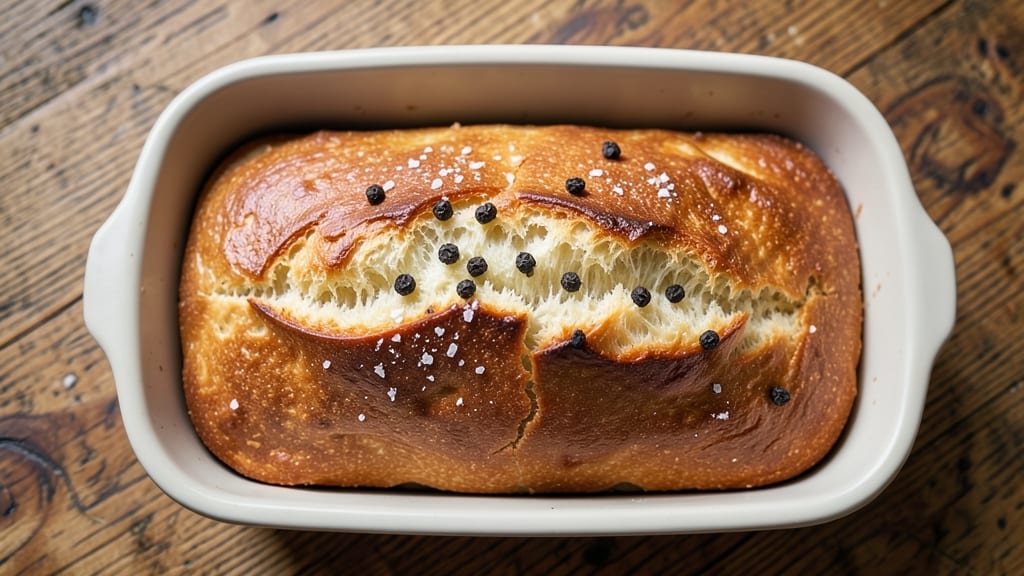
This all-purpose flour bread recipe delivers restaurant-quality crusty bread without yeast—just baking soda and 30 minutes of your time. The secret lies in a chemical reaction between baking soda and acid (like buttermilk or yogurt) that creates air pockets for a light, airy crumb while developing a golden, crispy crust.
I perfected this method after years of testing quick breads, and it never fails to impress, even with basic pantry ingredients.
The beauty of this technique is its foolproof nature—no waiting for yeast to rise, no risk of overproofing, and no need for special equipment.
A simple mix of flour, baking soda, and acid-based liquids (like buttermilk or yogurt) creates a dough that transforms into bread with a satisfying snap and tender interior. The key is baking it at high heat initially to set the crust before reducing the temperature to ensure even baking throughout.
What you’ll end up with is a loaf of bread that rivals artisanal sourdough in texture and flavor—crusty on the outside, soft and pillowy inside, with a subtle tang from the acid. This method works equally well for sandwich bread, dinner rolls, or even a quick baguette.
The best part? It’s ready in time for lunch, making it perfect for busy weekdays when you need bread fast but still want it to taste homemade.
For those concerned about density, I’ve included a troubleshooting guide in the tips section to ensure your bread turns out light and airy every time. Whether you’re a beginner or an experienced baker looking for a quick solution, this recipe delivers professional results without the fuss. Let’s get baking!
Ingredients for all purpose flour bread recipe no yeast
Basic pantry staples transform into restaurant-quality bread with just baking soda and patience.
| Ingredient | Amount | Notes |
|---|---|---|
| All-Purpose Flour 🌾 | 3 ½ cups | Sifted for even texture |
| Baking Soda 🍞 | 2 tsp | Pure, not baking powder |
| Buttermilk 🥛 | 1 ¼ cups | Room temperature preferred |
| Plain Yogurt 🍶 | ½ cup | Greek or regular style |
| Granulated Sugar 🍚 | 1 tbsp | White or brown preferred |
| Salt 🧂 | 1 ½ tsp | Diamond Crystal preferred |
| Large Eggs 🥚 | 1 whole | Room temperature for even baking |
| Unsalted Butter 🧈 | ½ cup | Cold, cubed for easy mixing |
| Olive Oil 🫒 | 1 tbsp | For greasing pan |
| Cornmeal 🌽 | 1 tbsp | For dusting loaf pan |
The flour is non-negotiable—King Arthur or Gold Medal brands work best for consistent results. Bulk bins at Whole Foods or Bob's Red Mill offer higher-quality flour if you're willing to invest. Baking soda loses potency over time, so check the date—if your container is older than 6 months, replace it. For the buttermilk, if you don't have any, mix 1 tablespoon vinegar or lemon juice with 1 cup milk and let sit for 5 minutes. The yogurt adds moisture and tang, so Greek yogurt gives the best texture, but regular works in a pinch.
No buttermilk? Plain yogurt thinned with milk does the trick. Running short on sugar? Honey or maple syrup at half the amount keeps it balanced. The butter should be cold—soft but not melted—so it creates pockets of steam during baking. For a nut-free option, swap cornmeal for semolina or flour. If you're baking in a high-altitude area, reduce the baking soda to 1.5 teaspoons to prevent over-rising. The olive oil matters here—avoid flavored oils like garlic-infused, as they can alter the bread's taste.
Store leftovers wrapped in a bread bag or foil for up to 3 days at room temperature. For longer storage, freeze the loaf sliced or whole for up to 3 months. To reheat, wrap slices in a damp paper towel and warm in a 350°F oven for 5 minutes. The bread is best enjoyed fresh, but it reheats beautifully—toaster or air fryer work best for crispy crusts. Double the recipe for homemade dinner rolls—just halve the baking time.
Why You'll Love This Recipe
- No Yeast, No Stress: I’ll admit, I used to dread baking bread—until this recipe. Mix the flour, baking soda, and buttermilk, pop it in the oven, and boom—crusty edges and a tender crumb without waiting hours. The buttermilk and yogurt do all the work for you.
- Sweet-Tangy Magic: That little pinch of sugar in the dough? It’s not just for flavor—it balances the tang from the yogurt and buttermilk, giving you a bread that’s subtly sweet but still rich and satisfying. Honestly, it’s the kind of bread I’ll eat plain, just because.
- Weeknight Wonder: This bread is my secret weapon for lazy nights—no kneading, no rising time, and it’s ready when I am. Toast it for breakfast, use it for sandwiches at lunch, or even tear it up for dinner. It’s the one loaf that does it all.
- Budget-Friendly Staple: All-purpose flour, baking soda, and yogurt? Ingredients I already have. This recipe stretches my grocery budget without sacrificing taste, and leftovers last days in the fridge (or frozen, if I’m feeling ahead). My wallet and my taste buds thank me.
Step-by-step instructions for quick baking soda bread
This method delivers a tender crumb and crispy crust without yeast—just precise technique and timing.
Mix Wet Ingredients for Optimal Texture
In a large mixing bowl, combine the 1.25 cups buttermilk, 0.5 cup plain yogurt, 1 whole large egg, 1 tbsp granulated sugar, and 1.5 tsp salt. Whisk vigorously for 30 seconds until fully blended. The buttermilk and yogurt create acidity that activates the baking soda, while the egg adds structure. This mixture should be smooth with no visible lumps—if you see streaks of yogurt, whisk another 10 seconds.
Next, cut in the 0.5 cup cold unsalted butter using a pastry cutter or fork. Work quickly to create pea-sized butter pieces throughout the wet ingredients. The cold butter will create pockets of steam during baking, contributing to that signature crusty texture. If the butter melts too quickly, chill the bowl for 5 minutes before proceeding.
Combine Dry Ingredients for Light Structure
In a separate bowl, sift together the 3.5 cups all-purpose flour and 2 tsp baking soda. Sifting ensures even distribution of the leavening agent throughout the batter, which is crucial for consistent rise. Gently fold the dry ingredients into the wet mixture using a spatula, mixing just until combined—do not overmix. Overmixing develops gluten, which can make the bread dense rather than tender.
The batter will be thick and sticky, similar to pancake batter. This consistency is perfect for creating a moist crumb. If it seems too thick, add 1 tablespoon of buttermilk to loosen it slightly. The batter should hold its shape when dropped from a spoon but still be pourable.
Prepare the Pan and Shape the Loaf
Preheat your oven to 375°F. Lightly grease a 9x5-inch loaf pan with 1 tbsp olive oil, then dust the bottom and sides with 1 tbsp cornmeal. The cornmeal creates a barrier that prevents the bread from sticking to the pan and adds a subtle crunch. Tap the pan gently on the counter to remove any excess cornmeal.
Pour the batter into the prepared pan and smooth the top with a spatula. The batter will rise slightly as it sits. Sprinkle an additional 1 tbsp cornmeal evenly over the top for extra crunch. Bake for 25-30 minutes, until the top is deep golden brown and a toothpick inserted into the center comes out clean. If the top browns too quickly, tent the pan with aluminum foil to prevent over-browning.
Cool and Serve for Perfect Texture
Remove the bread from the oven and transfer it to a wire rack to cool for 10 minutes. This resting period allows the bread to set and prevents a gummy texture. While cooling, you'll notice the bread will sink slightly in the center—this is normal and indicates a tender crumb.
Once cooled, carefully remove the bread from the pan by running a thin knife around the edges. The cornmeal coating will make this easier, but go slowly to avoid tearing the crust. Slice the bread into 4 even portions and serve warm for the best texture. The interior should be soft and slightly moist, while the crust remains crispy and golden. Store any leftovers wrapped in a clean kitchen towel to maintain freshness for up to 3 days.
Pro Tips For Making All Purpose Flour Bread Recipe No Yeast
- Mix Buttermilk and Yogurt First: I learned this the hard way—dumping both liquids into dry flour at once makes a gummy mess. Whisk the buttermilk and yogurt together first, then slowly fold into the flour. The acid in yogurt reacts with baking soda immediately, so you want that chemical lift to start before the dough thickens.
- Measure Flour Right: Scooping flour straight from the bag packs it down, giving you a denser loaf. Spoon it into a measuring cup, then level with a knife—don’t press. All-purpose flour varies in density, and this recipe relies on precise ratios. (Yes, even if you’re impatient like me.)
- Preheat Pan and Oven Together: Cold pans steal heat from your bread, leaving the center underdone while the crust burns. Place your greased pan in the oven while it preheats, then pour in the batter straight from the bowl. The pan will be hot enough to set the edges instantly—no waiting.
- Skip Overmixing the Batter: After burning three batches with tough bread, I finally stopped folding the batter more than 12 times. Overworking the gluten in all-purpose flour makes the loaf dense. Stir just until the dry ingredients disappear—lumps are fine, texture matters more.
Best sauces and condiments for all purpose flour bread recipe no yeast
Classic Garlic Butter
This is my go-to sauce for this quick bread—simple yet flavorful. Melt 2 tbsp unsalted butter in a small saucepan over medium-low heat, then add 1 minced garlic clove and 1 tsp fresh parsley.
Let it simmer for 1 minute until fragrant. Brush this warm mixture over fresh slices of your baking soda bread. The garlic enhances the bread's natural tang, while the butter adds richness. 🧄
Honey Mustard Glaze
For a sweet-savory twist, combine 2 tbsp Dijon mustard, 1 tbsp honey, and 1 tsp apple cider vinegar in a small bowl. Whisk until smooth and drizzle over warm bread slices. The honey balances the bread's acidity, while the mustard adds depth.
I love this pairing for breakfast toast or sandwiches. Store the glaze in an airtight container for up to 5 days in the fridge.
Herbed Olive Oil Drizzle
Infuse ¼ cup extra-virgin olive oil with 1 tsp dried rosemary, 1 tsp dried thyme, and a pinch of red pepper flakes. Heat gently for 2 minutes**, then strain out the herbs. Drizzle over slices before serving.
The olive oil's fruity notes complement the bread's crust, while the herbs add a fresh, aromatic touch. This works beautifully with freshly baked bread or as a marinade for grilled meats.
Cream Cheese Spread
For a decadent option, mix 4 oz softened cream cheese, 1 tbsp lemon juice, and 1 tbsp chopped chives until smooth. Spread on toasted bread slices and top with smoked salmon or cucumber.
The tangy cream cheese cuts through the bread's richness, creating a perfect balance. Store leftovers in the fridge for 3 days in an airtight container.
Spicy Sriracha Mayo
Whisk together 2 tbsp mayonnaise, 1 tsp sriracha, and ½ tsp lime juice for a kick. This spicy mayo adds heat and creaminess to sandwiches or as a dip for bread slices.
The lime juice brightens the flavors, while the sriracha brings the heat. Use immediately for best texture, or store in the fridge for 2 days.
Whole Grain Mustard
Spread 1 tbsp whole grain mustard on warm bread slices and top with thinly sliced turkey breast or avocado. The mustard's grainy texture contrasts beautifully with the bread's soft crumb.
For extra flavor, add a sprinkle of fresh dill or black pepper. This combination is perfect for lunch sandwiches or open-faced toast.
Nutrition facts
Frequently asked questions
Why does this bread need baking soda instead of yeast?
The baking soda creates a chemical reaction with the acid (buttermilk/yogurt) that produces carbon dioxide instantly, giving your bread lift without waiting for yeast to activate. This method delivers a quick rise in 30 minutes while keeping the texture tender and the crust crispy. Perfect for busy schedules!
Can I make this bread without buttermilk?
Mix 1 tablespoon vinegar or lemon juice with 1 cup milk to replace 1.25 cups buttermilk. Let it sit for 5 minutes to curdle. The acid is key for activating the baking soda. For yogurt, use 0.75 cup plain yogurt + 0.5 cup milk to match the moisture level.
Why did my bread turn out dense instead of light?
Overmixing develops gluten, making the bread tough. Mix just until combined—stop when flour disappears. Also, ensure your baking soda is fresh (test by mixing with water; it should fizz). Chill the dough for 10 minutes before baking to help it rise properly. A toothpick test (clean when inserted) confirms doneness.
How can I make this into dinner rolls?
Double the recipe and shape into 12-16 small balls (about 1.5-inch diameter). Place on a baking sheet dusted with flour, cover with a towel, and let rise for 10 minutes. Bake at 375°F for 12-15 minutes until golden. Brush with melted butter while warm for extra flavor!
Can I substitute all-purpose flour with whole wheat?
Replace up to 50% with whole wheat flour for a nuttier flavor, but expect a denser texture. Add 1 extra tablespoon of yogurt to compensate for dryness. For best results, use a blend of 50% all-purpose and 50% whole wheat to balance texture and nutrition.