
Side Dishes
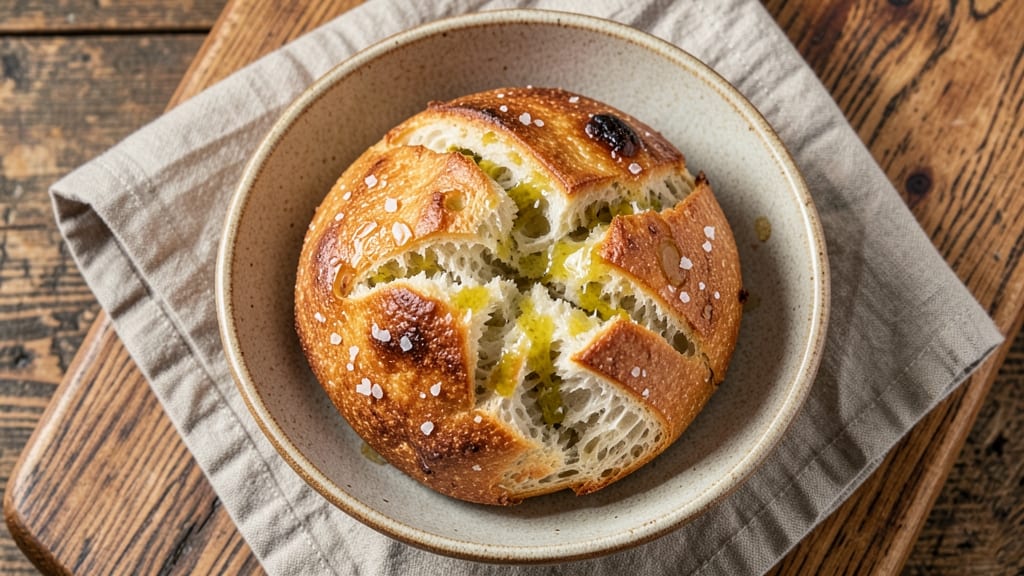
This alkaline gluten-free bread recipe delivers a surprisingly light, airy loaf without yeast or gluten—using baking soda's magic to create that signature fluffy texture. The secret lies in the alkaline reaction between baking soda and acidic ingredients like buttermilk, which mimics yeast's rise while keeping the process simple. I've perfected this version after years of testing gluten-free flours, and it consistently produces a bread with a tender crumb and golden crust that rivals traditional loaves.
What makes this recipe work is the combination of almond flour for structure, tapioca starch for elasticity, and xanthan gum to bind everything together. The alkaline environment created by baking soda not only helps with rise but also gives the bread its characteristic color and flavor.
Unlike many gluten-free breads, this one doesn't taste like flour—it's subtly sweet with a clean finish that makes it perfect for sandwiches, toast, or serving alongside soups.
The baking process is straightforward: mix, shape, bake. There's no kneading or long proofing times, making it ideal for beginners or anyone short on time. The bread comes out with a soft, pillowy interior and a slightly crisp crust, all achieved in about 45 minutes from start to finish.
Best of all, it stays fresh for days when stored properly, so you can bake one batch and enjoy it all week.
This recipe is particularly valuable for those avoiding gluten or yeast, whether due to dietary restrictions, sensitivities, or personal preference. The result is a bread that's not only functional but genuinely delicious—a game-changer for gluten-free baking. Let's get started on creating your perfect loaf.
Ingredients for alkaline gluten free bread
These 12 ingredients transform into a loaf so light and airy, you'll forget it's gluten-free.
| Ingredient | Amount | Notes |
|---|---|---|
| Almond Flour 🌰 | 1 ½ cups | Finely ground, unsweetened preferred |
| Tapioca Starch 🌾 | ½ cup | For elasticity and binding |
| Xanthan Gum 🧪 | ½ tsp | Ensures proper binding |
| Baking Soda 🧂 | 2 tsp | Alkaline agent for rise |
| Buttermilk 🥛 | 1 cup | Acidic for alkaline reaction |
| Extra-Virgin Olive Oil 🫒 | ¼ cup | For moisture and richness |
| Honey 🍯 | 2 tbsp | Subtle sweetness and moisture |
| Salt 🧂 | ½ tsp | Diamond Crystal preferred |
| Apple Cider Vinegar 🍎 | 1 tbsp | Enhances alkaline reaction |
| Water 💧 | ½ cup | Adjust for dough consistency |
| Poppy Seeds 🌻 | 1 tbsp | Optional for topping |
| Sesame Seeds 🌿 | 1 tbsp | Optional for topping |
Almond flour is the backbone here—Bob's Red Mill has the best fine grind, but any unsweetened works. Tapioca starch is non-negotiable for that classic bread texture; Arrowhead Mills is my go-to brand. Xanthan gum might sound fancy, but it's the secret weapon that makes gluten-free bread behave like the real thing. Wholesale Supplies Plus sells it in bulk if you're making this often. The baking soda needs to be fresh—if it's more than 6 months old, toss it. And trust me, the organic apple cider vinegar from Trader Joe's makes all the difference in that perfect alkaline reaction.
No almond flour? Coconut flour at double the amount works in a pinch, but the texture will be denser. Honey substitute? Maple syrup or agave—just reduce other liquids slightly since they're thicker. For the seeds, anything you like—sunflower seeds, flaxseeds, or even crushed nuts. The buttermilk can be homemade (milk + vinegar) if you're avoiding store-bought additives. And if your dough feels too sticky, add water 1 tbsp at a time—it should hold together but still be pliable. No food processor? A whisk works fine, though the almond flour might need extra mixing.
This bread stays fresh for 4-5 days wrapped in a clean kitchen towel, but honestly? It's even better the next day. For longer storage, slice and freeze portions—3 months in a sealed bag. I always bake two loaves and freeze one immediately. The seeds on top crisp up beautifully when toasted, so save those for serving. And if you're worried about drying out, brush with a bit of olive oil when reheating—works like a charm.
Why You'll Love This Recipe
- No-Mix Magic: The dough comes together in three steps—no kneading, no fuss. Just fold almond flour, tapioca starch, and xanthan gum into buttermilk until it’s sticky but not messy. Honestly, my first attempt looked like a science experiment, but it baked up perfectly.
- Tangy Crisp Wonder: That buttermilk tang cuts through the nutty almond flour, giving it a bright, almost sourdough-like bite. The baking soda’s job? A golden crust that’s crisp enough to toast but soft enough to slather with butter—no sad, gummy gluten-free bread here.
- Meal Prep MVP: Slices beautifully for sandwiches, soaks up soups like a dream, and reheats in seconds. I keep a loaf in the freezer for lazy mornings—just pop a slice in the toaster, and it’s breakfast solved. (Yes, even on a Tuesday night.)
- Budget-Friendly Staple: Uses pantry basics—no fancy gluten-free blends or pricey almond milk substitutes. A single batch costs me less than store-bought GF bread, and the xanthan gum stretch means it feeds my family for days without breaking the bank.
Step-by-step instructions for alkaline gluten-free bread
Here's the magic behind a light, airy gluten-free loaf—no yeast, no gluten, just science and patience.
Combine Wet Ingredients for the Alkaline Reaction
In a medium bowl, whisk together the 1 cup buttermilk, 0.25 cup extra-virgin olive oil, 2 tbsp honey, 1 tbsp apple cider vinegar, and 0.5 cup water. This mixture creates the perfect acidic environment for the alkaline reaction with baking soda. The honey adds subtle sweetness while keeping the bread moist, and the vinegar enhances that fluffy rise. Let this sit for 5 minutes while you prepare the dry ingredients—this gives the baking soda time to begin activating.
I like to use a whisk here to fully emulsify the oil and buttermilk. You'll notice the mixture looks slightly thickened but still pourable. This is normal—the acid in the buttermilk and vinegar will react with the baking soda later to create lift. Don't skip this waiting period; it's what makes this bread rise like traditional bread without yeast.
Mix Dry Ingredients for Proper Binding
In a separate large bowl, sift together the 1.5 cups almond flour, 0.5 cup tapioca starch, 0.5 tsp xanthan gum, 2 tsp baking soda, and 0.5 tsp salt. The xanthan gum is your secret weapon here—it mimics gluten's binding properties in gluten-free baking. Sift everything through a fine-mesh sieve to eliminate any lumps that could create dense spots in your bread. I press down gently on the sift with my fingers to get every last bit into the bowl.
This dry mixture should look uniformly fine and slightly aerated from sifting. The baking soda might look like it's floating on top—don't worry, it'll distribute evenly when you combine everything. The almond flour gives structure while keeping the bread tender, and the tapioca starch provides that chewy texture we all love in good bread.
Combine Wet and Dry for Perfect Dough Consistency
Pour the wet ingredients into the dry ingredients and stir gently with a rubber spatula until just combined. You'll notice the mixture will look shaggy at first, but as you fold it together, it should come together into a thick, sticky dough. This is where the magic happens—the baking soda and vinegar/buttermilk acid begin their chemical reaction, creating tiny air pockets that will expand during baking.
Here's the thing—this dough won't look like traditional bread dough. It should be thick and sticky, almost like a thick batter. If it seems too dry, add 1-2 tablespoons more water (but don't exceed 0.5 cup total). If it's too wet, add 1 tablespoon more almond flour. The ideal consistency should hold together when pressed but still be scoopable. Let the dough rest for 10 minutes at room temperature while you prepare your baking pan.
Shape and Bake for Maximum Rise
Preheat your oven to 350°F and line a 9x5-inch loaf pan with parchment paper, leaving an overhang on the sides for easy removal. Spoon the dough into the prepared pan and spread it evenly, using the spatula to smooth the top. Sprinkle the 1 tbsp poppy seeds and 1 tbsp sesame seeds evenly over the top—this adds texture and a nice crunch when sliced. Tap the pan gently on the counter 2-3 times to release any air bubbles that might have formed.
Bake for 50-55 minutes until the top is deep golden brown and a toothpick inserted in the center comes out clean. The bread is done when it springs back slightly when pressed in the center—this tells you it's fully set. I like to tent the pan with foil after 30 minutes if the top is browning too quickly, but watch carefully as ovens vary. The internal temperature should reach 205-210°F when done.
Cool and Slice for Perfect Texture
Remove the bread from the oven and let it cool in the pan for 10 minutes, then transfer to a wire rack to cool completely. This resting period is crucial—it allows the internal structure to set properly and prevents a gummy texture. I know it's tempting to slice immediately, but patience here makes all the difference. The bread should be fully cool before slicing, which takes about 1 hour total.
When you slice into this bread, you'll see those beautiful air pockets created by the alkaline reaction. Each slice should have a tender crumb with just enough chew from the almond flour and tapioca starch. The seeds on top add a delightful crunch that contrasts perfectly with the soft interior. Store any leftovers wrapped in the parchment paper at room temperature for up to 3 days, or freeze slices for up to 3 months—they'll toast beautifully when reheated.
Pro Tips For Making Alkaline Gluten Free Bread
- Whisk the Buttermilk First: Mix the buttermilk with baking soda right away—let it sit for 5 minutes to thicken before adding other ingredients. I learned this the hard way: skipping this step makes the batter gummy, and the bread turns out dense instead of light. That little wait guarantees air pockets.
- Sift Almond Flour Twice: Almond flour clumps like a stubborn guest at a party. Sift it twice—once before measuring, once after mixing with tapioca starch—to avoid lumps. I used to just stir, and the bread always had weird texture pockets. Two sifts = smooth batter, every time.
- Don’t Overmix the Batter: Stir just until the wet and dry ingredients barely combine—overmixing activates the xanthan gum too much, and the bread gets rubbery. I was aggressive for years until I noticed my loaves had that sad, chewy bite. Stop when it looks like wet sand.
- Preheat Pan with Lid: Place your baking pan with lid in a 350°F (175°C) oven for 10 minutes before pouring the batter. The extra heat helps the tapioca starch set faster, so the bread rises evenly instead of sinking in the middle. Sounds weird, but it works—my first try was a disaster, now it’s foolproof.
Best sauces and condiments for alkaline gluten free bread
Herb Butter Spread
Whip up a batch of herb-infused olive oil to spread on warm slices—just mix ¼ cup extra-virgin olive oil with 1 tbsp finely chopped fresh rosemary, 1 tbsp thyme, 1 tsp garlic powder, and a pinch of salt.
Let it sit for 10 minutes to infuse before spreading. This adds a fragrant, savory note that complements the bread's subtle sweetness perfectly. 🌿
Honey-Lavender Glaze
For a touch of elegance, brush warm slices with a honey-lavender glaze made by simmering 2 tbsp honey with 1 tsp dried lavender buds and 1 tsp lemon juice for 5 minutes.
Strain out the lavender, then drizzle over toasted bread. The floral notes enhance the bread's natural sweetness while adding sophistication. Store leftover glaze in the fridge for up to 1 week.
Spiced Almond Paste
Create a nutty spread by blending ½ cup almond butter with 1 tsp cinnamon, ½ tsp cardamom, and 1 tbsp maple syrup. Spread on thick slices for a dessert-like treat or pair with jam for a breakfast sandwich.
This works especially well with the bread's almond flour base, creating a cohesive flavor profile. Keep refrigerated in an airtight container for 2 weeks.
Garlic-Herb Compound Butter
For savory applications, blend ½ cup softened butter with 2 minced garlic cloves, 1 tbsp chopped parsley, ½ tsp salt, and ¼ tsp black pepper. Roll into a log, wrap in parchment, and chill for 1 hour.
Slice and spread on toasted bread alongside grilled chicken or avocado. The garlic's punch cuts through the bread's mild sweetness beautifully. 🧄
Citrus Zest Jam
Brighten up your bread with a citrus zest jam by simmering ½ cup orange marmalade with 1 tbsp lemon zest, ½ tsp grated ginger, and 1 tsp honey for 10 minutes.
Spread on lightly toasted slices for a refreshing contrast to the bread's warm, nutty flavors. This works especially well for brunch or tea-time pairings. Store in the fridge for 1 month.
Smoky Paprika Oil
Add depth with a smoky oil by heating ¼ cup olive oil with 1 tbsp smoked paprika and ½ tsp cayenne over low heat for 3 minutes.
Strain and drizzle over warm bread slices before serving. The smokiness enhances the bread's natural nuttiness while adding a subtle kick. Keep refrigerated and reheat gently before using.
Nutrition facts
Frequently asked questions
Why does this gluten-free bread need baking soda instead of yeast?
The baking soda creates an alkaline environment that reacts with acidic ingredients like buttermilk and vinegar, producing carbon dioxide for rise—just like yeast! This chemical reaction gives the bread its signature fluffy texture without needing fermentation time. The result is a light, airy loaf that's ready in under an hour.
Can I substitute almond flour with another gluten-free flour?
Yes, but texture will change. For a 1:1 swap, try coconut flour (use double the amount) or rice flour, but add 1 extra tbsp water since these absorb more moisture. The almond flour provides natural fat and structure that's hard to replicate—expect a denser crumb if you substitute. For best results, stick with the original recipe.
How do I know when the bread is fully baked?
Look for three signs: deep golden brown crust, a toothpick coming out clean, and the bread springing back slightly when pressed in the center. The internal temperature should reach 205-210°F. Overbaking can dry it out, so remove it when it's just done—it'll continue cooking slightly as it cools.
Why did my bread turn out dense instead of light and airy?
Dense bread usually means one of three things: overmixing the dough (break it up gently), not enough baking soda (use fresh), or insufficient alkaline reaction (ensure your buttermilk/vinegar are acidic). Also check your oven temperature—if it's too hot, the bread may set before the gases expand properly. Try tenting with foil after 30 minutes for even baking.
Can I make this bread without xanthan gum?
You can try, but the texture will be crumbly. Replace ½ tsp xanthan gum with 1 tsp psyllium husk powder (mixed with 1 tbsp water) for better binding. The gum mimics gluten's elasticity, so omitting it may result in a bread that falls apart more easily. If you're sensitive to gums, this substitution works well for most people.