
Side Dishes
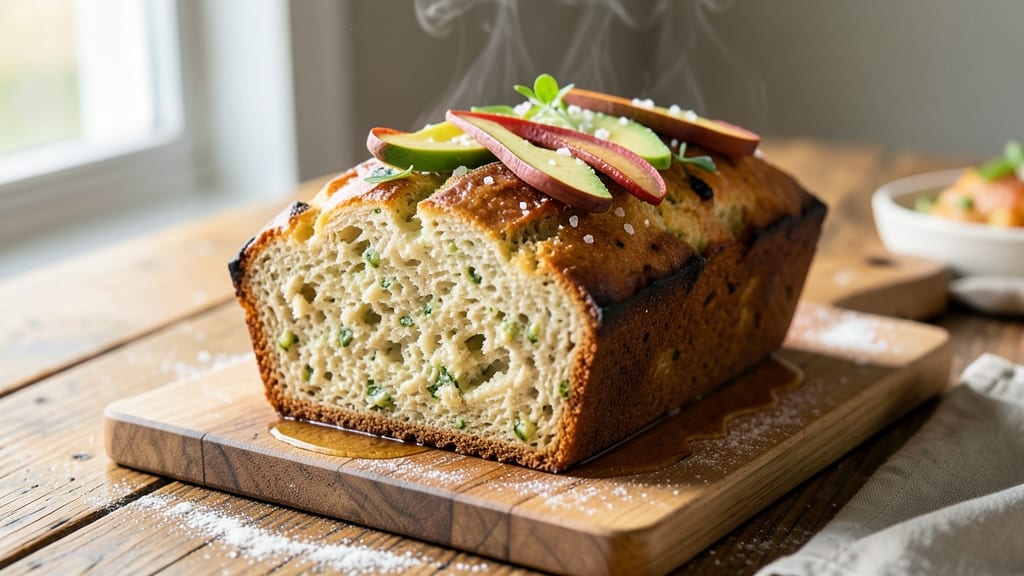
This avocado yeast bread recipe transforms humble ingredients into a rich, moist loaf with surprising depth—thanks to avocado's natural fats and earthy notes. 🌱 The secret lies in blending ripe avocado directly into the dough, replacing butter while keeping the crumb tender and flavorful.
Unlike dense quick breads, this recipe uses traditional yeast fermentation for that signature airy texture, perfect for sandwiches or toast.
What sets this apart is how the avocado works: it hydrates the dough naturally (no extra plant-based milk needed) and infuses a subtle, creamy richness that disappears as it bakes.
The kneading process is straightforward—just 5 minutes by hand or 3 minutes in a stand mixer—before a 2-hour rise develops that perfect open crumb. For extra flavor, consider swirling avocado-infused oil into the dough or sprinkling toasted seeds on top before baking.
Baking at 375°F for 30-35 minutes yields a golden crust with a tender, slightly sweet interior—no dryness here. The avocado's healthy fats prevent the bread from becoming gummy, while the yeast creates that classic bread aroma.
This loaf keeps well for 3-4 days at room temperature or freezes beautifully for later. It's the kind of bread that makes you forget it's vegan.
The best part? You can customize it endlessly—add citrus zest for brightness, flaxseeds for crunch, or even a touch of maple syrup for sweetness. Whether you're serving it with hummus or spreading it with avocado toast, this recipe proves that plant-based baking can be both foolproof and extraordinary.
Let's get started!
Ingredients for avocado yeast bread
Transform humble pantry staples into a rich, moist loaf with avocado's creamy magic—no butter needed!
| Ingredient | Amount | Notes |
|---|---|---|
| Ripe Avocados 🥑 | 1 ½ cups | Pitted, flesh scooped (about 2 medium avocados) |
| All-Purpose Flour 🌾 | 3 ½ cups | Unbleached, spooned and leveled |
| Active Dry Yeast 🍞 | 2 ¼ tsp | One packet (2.25g) |
| Granulated Sugar 🍚 | 1 ½ tbsp | For yeast activation |
| Warm Water 💧 | ¾ cup | 110°F (43°C) for yeast activation |
| Vegetable Oil 🫒 | ½ cup | Plus 1 tbsp for dough |
| Salt 🧂 | 1 ½ tsp | Fine sea salt preferred |
| Ground Flaxseed 🌰 | 1 tbsp | For omega-3 boost (optional) |
| Lemon Zest 🍋 | 1 tsp | Brightens flavor (optional) |
| Toasted Sesame Seeds 🌾 | 1 tbsp | For crust decoration (optional) |
| Maple Syrup 🍯 | 1 tbsp | For subtle sweetness (optional) |
The avocados are the star—pick perfectly ripe ones (yielding about 1.5 cups mashed) from the produce section, not the pre-cut tubs. Trader Joe's or Whole Foods carry the best quality, but any grocery store's avocados work if they're soft to touch with no bruising. The yeast? Fresh is key—check the expiration date and use within a week of opening. For the flour, King Arthur or Bob's Red Mill brands yield the best texture, but any all-purpose will do. The flaxseed adds a subtle nutty crunch and omega-3s, but skip it if you're avoiding seeds. Pro tip: toast your sesame seeds in a dry pan for 2 minutes before sprinkling—they'll pack more flavor!
No avocados? Mashed banana or extra olive oil (reduce by 1 tbsp) mimics the moisture, though the flavor won't be identical. Running short on flaxseed? Chia seeds or walnuts work in a pinch, but toast them first for better texture. The lemon zest can be swapped for orange zest if you prefer, but it loses some brightness. For a sweeter loaf, agave nectar replaces maple syrup one-to-one. The dough will be stickier than usual thanks to the avocado—don't panic, just knead it longer (the avocado's natural fats keep it from drying out). If your dough feels too wet after kneading, add 1-2 tbsp more flour gradually until it pulls away from the bowl cleanly.
This bread is a make-ahead dream—shape the loaf, let it rise, then refrigerate the dough overnight for deeper flavor. Room temperature rise is critical (2 hours at 70°F/21°C), so plan ahead if your kitchen is chilly. For storage, wrap cooled bread in a clean kitchen towel (better than plastic for moisture retention) and keep at room temp for 3-4 days. Freeze slices between parchment paper for up to 3 months—toast straight from frozen! The crust stays crisp for 24 hours post-bake, but if it softens, reheat at 350°F (175°C) for 5 minutes to restore it. Pro move: Save the avocado pits—dry and grind them into a powder for a nutritious, earthy bread booster next time!
Why You'll Love This Recipe
- No Mash Needed: I swear, the only "chopping" here is cracking open avocados—no food processor, no stress. Just scoop that creamy green goodness right into the dough, and let the yeast do the rest while you sip your coffee.
- Rich Without Butter: That avocado isn’t just a trendy add-in—it’s the secret to a bread that’s ridiculously tender and packed with a subtle, buttery depth. (Yes, even my butter-averse brother asks for seconds.)
- Breakfast to Brunch: Toast it for a hearty morning sandwich, tear it into croutons for salads, or serve it warm with jam—this bread handles it all. Honestly, I’ve even used it as a base for loaded avocado toast twice in one week.
- Pantry Stretch: A single avocado stretches into two loaves, and the rest of the ingredients? Basic staples you already own. It’s my go-to when I’m low on cash but still want something that feels special.
Step-by-step instructions for avocado yeast bread
This rich, fluffy avocado bread delivers earthy depth and tender crumb—every step matters for perfect results.
👨🍳 Step 1: Activate the Yeast and Prepare Avocado Base
In a small bowl, whisk together the 0.75 cup warm water (about 110°F), 1.5 tbsp granulated sugar, and 2.25 tsp active dry yeast. Let it sit for 5-10 minutes until frothy—this confirms the yeast is alive and ready to work. Meanwhile, scoop the flesh from 1.5 cups ripe avocados and mash it in a large bowl until completely smooth. The avocado will replace some oil, creating a moist yet tender crumb.
Here's the thing—don't skip the yeast test. If it doesn't bubble, your bread will be dense. And for the avocado, I like to use a fork for this step to avoid overworking the flesh. You want it silky, not chunky, so the bread develops that velvety texture.
👨🍳 Step 2: Combine Wet Ingredients and Mix in Flour
Pour the yeast mixture into the avocado bowl and stir to combine. Add 0.5 cup vegetable oil, 1 tbsp maple syrup, 1 tbsp ground flaxseed, 1 tsp lemon zest, and 1.5 tsp salt. Mix until fully incorporated—you'll see a thick, vibrant green batter. This is where the magic happens: the avocado adds moisture while the flaxseed boosts nutrition and the lemon zest brightens the earthy flavor.
Now gradually whisk in 3.5 cups all-purpose flour until just combined. I know it seems like too much, but trust me—this prevents a gummy texture. The dough should be soft but manageable, sticking slightly to your fingers. If it's too sticky, add 1-2 tbsp more flour; if too dry, add 1 tsp warm water. The goal is a smooth, cohesive dough that holds together when pressed.
🥘 Step 3: Knead and Let the Dough Rest
Turn the dough onto a lightly floured surface and knead for 8-10 minutes until smooth and elastic. You'll know it's ready when it springs back slowly when poked. The avocado makes this dough extra tender, so don't overwork it—just enough to develop the gluten for structure. Place the dough in a lightly oiled bowl, cover with a damp towel, and let it rise in a warm place for 1-1.5 hours or until doubled in size.
This resting period is critical. The yeast needs time to ferment and create air pockets for that signature fluffy texture. I like to place my bowl in a slightly warm oven (off) with a cup of boiling water underneath to maintain a consistent environment. If your kitchen is cold, this trick speeds up the process beautifully.
🔥 Step 4: Shape, Proof, and Bake to Golden Perfection
Punch down the risen dough and shape it into a loaf pan (about 9x5 inches), leaving room for it to expand. Brush the top with a little vegetable oil and sprinkle with 1 tbsp toasted sesame seeds for that irresistible crunch. Let it proof for another 30-45 minutes until it rises just above the pan's rim.
Preheat your oven to 375°F and bake for 30-35 minutes until the top is golden brown and the internal temperature reaches 190°F. The bread should sound hollow when tapped on the bottom. Real talk: don't open the oven door early—this causes the bread to sink. If the top browns too quickly, tent it loosely with foil to prevent over-browning while ensuring it bakes through.
⏰ Step 5: Cool and Slice for Maximum Flavor
Remove the bread from the pan and let it cool on a wire rack for at least 20 minutes. I know it's tempting to slice immediately, but patience here prevents a gummy texture. The sesame seeds will crisp as it cools, adding that perfect contrast to the soft interior. Once fully cooled, slice with a serrated knife for clean cuts—this bread is so moist, a regular knife will tear.
Each slice should reveal a tender crumb with pockets of air and a subtle avocado richness. The crust will be slightly crisp, while the interior remains soft and slightly dense—just like artisanal bread should be. Store leftovers wrapped in plastic at room temperature for 2-3 days or freeze for up to 3 months for freshness anytime.
Pro Tips For Making Avocado Yeast Bread
- MASH THE AVOCADO FIRST: I learned this the hard way—skipping this step makes your dough weirdly sticky and gummy. Scoop out the avocado flesh, mash it thoroughly with a fork (or blend it briefly) until it’s completely smooth before mixing with the flour. That way, the healthy fats distribute evenly, and your bread won’t turn out dense or greasy in patches.
- WEIGH YOUR FLOUR: Yes, even if your recipe says "1 cup." Fluff the flour first, then scoop it into a kitchen scale—this avocado bread is sensitive to extra moisture from packed flour. I used to eyeball it, and my loaves would either collapse or stay dense. A gram here or there makes a real difference when you’re mixing in avocado.
- LET THE YEAST PROOF AT ROOM TEMP: That "warm water" step? Don’t just eyeball it. The yeast needs to sit in water (110°F/43°C) for 5–10 minutes until it’s foamy before adding it to the dough. I once rushed this and ended up with a flat, sad loaf. If your kitchen’s cold, pop the bowl in a slightly warm oven (turned off) for 5 minutes first—your bread will rise properly.
- ADD A PINCH OF SALT TO THE AVOCADO: Sounds weird, but it works: mix ¼ teaspoon salt directly into the mashed avocado before combining with the flour. It balances the richness and prevents the bread from tasting bland or overly buttery. I was skeptical until I tried it—now I can’t imagine skipping it. (Your future self will notice the difference.)
Troubleshooting this recipe
Dense or Gummy Bread
If your bread turns out dense or gummy, the issue is likely underproofed yeast or overmixed dough. The avocado adds moisture, so the dough needs extra time to develop gluten. Let it rise for the full 1-1.5 hours—don’t rush it.
Also, avoid over-kneading; the avocado’s natural fats make the dough tender, so 8-10 minutes by hand is plenty. If the texture is still off, try reducing the flour by 1-2 tbsp next time to keep it light. 💡
Flat or Underbaked Loaf
A flat or underbaked loaf usually means the yeast didn’t activate properly or the oven wasn’t hot enough. First, always test your yeast—it should bubble within 5-10 minutes when mixed with warm water. If it doesn’t, your yeast is dead, and you’ll need fresh.
Preheat your oven for at least 20 minutes before baking to ensure it reaches 375°F. Place a thermometer inside to confirm—many ovens run hot or cold. Also, check the internal temperature with a probe; it should hit 190°F for perfect doneness. ⏰
Dough Too Sticky
The avocado’s oils make this dough extra sticky, but that’s normal! If it’s unmanageable, add flour 1 tbsp at a time until it pulls away from the bowl. However, don’t overdo it—too much flour will dry out the bread.
For extra insurance, wet your hands slightly while kneading to prevent sticking. If the dough feels too wet after mixing, let it rest uncovered for 10 minutes to absorb excess moisture before shaping. 🧂
Bread Collapses After Baking
Collapsing is usually caused by opening the oven door too early or overproofing. The bread needs to set as it bakes, so avoid peeking! If your kitchen is cold, proof the dough in a warm oven (off) with a bowl of hot water underneath to speed up fermentation.
Also, ensure the dough rises just to the top of the pan before baking—if it overproofs, it’ll collapse when it hits the heat. For extra support, brush the top with a little vegetable oil before baking to help it hold its shape. 🔥
Avocado Flavor Too Strong
If the avocado flavor overpowers the bread, you likely used overripe avocados or didn’t balance it with enough flour or zest. For a milder taste, choose firm but ripe avocados (yielding about 1.5 cups mashed). Add 1 tsp lemon zest or 1 tbsp maple syrup to brighten the flavor.
If the dough still tastes too green, reduce the avocado to 1 cup next time and add 1 tbsp extra oil to maintain moisture. 🍋
Crust Too Dark or Pale
A dark crust happens when the oven runs hot, while a pale crust means it didn’t bake long enough. For a golden-brown crust, bake at 375°F and tent the bread loosely with foil if it browns too quickly.
If the top stays pale, increase the temperature to 390°F for the last 5 minutes of baking. For even browning, place a baking sheet on the lower rack to reflect heat upward. A properly baked loaf should have a slightly crisp crust and a soft, airy interior. ✨
Nutrition facts
Frequently asked questions
Can I make this bread without a stand mixer?
This recipe is designed for hand-kneading. The avocado's natural fats make the dough extra tender, so you only need to knead for 8-10 minutes by hand until smooth and elastic. Wet your hands slightly to prevent sticking, and work on a lightly floured surface. The dough will be softer than traditional bread dough, so resist the urge to overwork it—just until it springs back slowly when poked.
How do I store leftover avocado bread?
Wrap cooled slices in plastic wrap or store the whole loaf in an airtight container at room temperature for 3-4 days. For longer storage, freeze individual slices between parchment paper for up to 3 months. To revive, toast straight from frozen in a toaster or reheat at 350°F (175°C) for 5 minutes to restore crispness. The avocado's healthy fats actually help preserve freshness better than butter-based breads.
What if I don't have ripe avocados?
Use firm but ripe avocados that yield about 1.5 cups mashed flesh. If you must use unripe ones, let them sit at room temperature for 1-2 days until they soften slightly. As a last resort, substitute with 1 cup mashed banana (adds sweetness) or ½ cup extra olive oil (reduce flour by 1 tbsp to maintain moisture). The texture will differ slightly, but the bread will still be delicious.
Can I add other mix-ins like herbs or nuts?
Yes! This dough can handle 1-2 tbsp chopped herbs (like rosemary or thyme) or ½ cup chopped nuts (walnuts or pecans work well). Fold them in during the final kneading stage. For seeds, add 1-2 tbsp toasted pumpkin or sunflower seeds to the dough or sprinkle on top before baking. Just be mindful not to overfill—the dough should remain workable.
Why does my dough smell like avocado?
The strong avocado aroma is normal and fades as the bread bakes! The heat breaks down the avocado's natural compounds, leaving behind a subtle, earthy flavor rather than the raw taste. If you prefer a milder scent, reduce the avocado to 1 cup and add 1 tbsp lemon zest or 1 tsp vanilla extract to balance it. The smell disappears completely once baked—don't be alarmed!