
Desserts
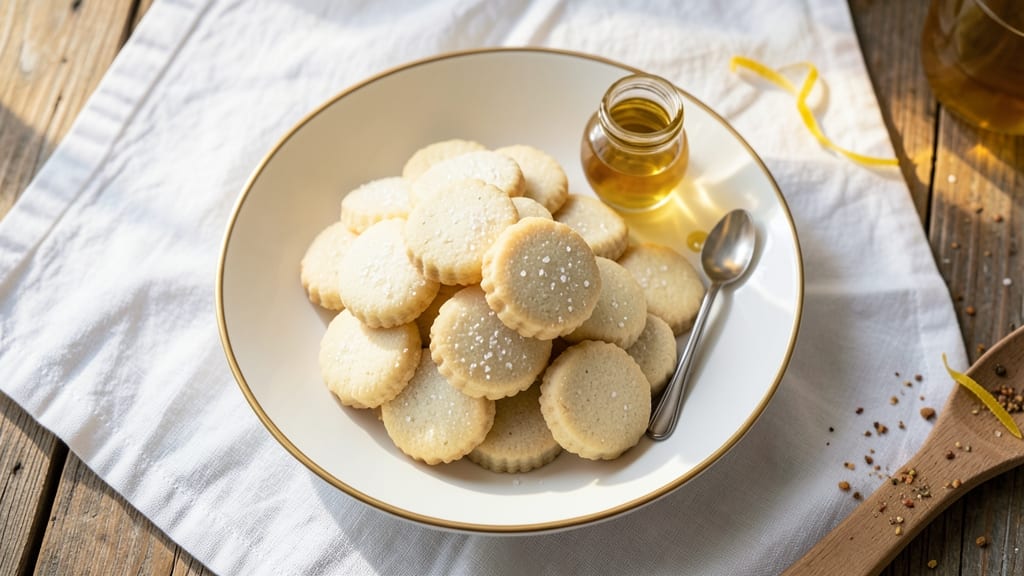
Alexandra Cooks' famous shortbread cookies deliver that perfect balance of buttery crunch and delicate vanilla sweetness—every bite is a testament to her signature baking precision. The secret lies in cold butter and minimal handling, which creates those signature tender yet crumbly layers. This recipe has been perfected over years of baking, ensuring each cookie stays golden at the edges while maintaining its signature melt-in-your-mouth texture.
The process is simpler than it looks: just mix cold butter, flour, and sugar until it forms a dough, then roll and cut it into classic shapes. No need for fancy equipment—just patience and attention to detail.
The vanilla extract infuses the dough subtly, adding depth without overpowering the buttery richness. Baking at the right temperature ensures even cooking, so the centers stay tender while the edges develop that signature crispness.
What makes these shortbread cookies truly special is how they improve with age. Fresh from the oven, they're warm and fragrant, but after a day or two, they develop even more flavor and texture.
The buttery aroma alone will have everyone asking for seconds. These cookies are perfect for holidays, gifts, or simply treating yourself to something truly exceptional.
Once baked, let them cool completely before storing in an airtight container. They'll keep for up to a week at room temperature, though they rarely last that long.
Whether you're hosting a dinner party or just craving a classic treat, these shortbread cookies will elevate any occasion with their timeless appeal.
Ingredients for alexandra cooks' famous shortbread cookies
Six ingredients. One bowl. Alexandra's secret to perfect shortbread: cold butter and patience.
| Ingredient | Amount | Notes |
|---|---|---|
| Unsalted Butter 🧈 | 1 cup | Cold, cubed for best texture |
| All-Purpose Flour 🌾 | 2 ½ cups | Sifted for even texture |
| Granulated Sugar 🍚 | ½ cup | Superfine preferred for smoothness |
| Pure Vanilla Extract 🍯 | 1 tbsp | High-quality for best flavor |
| Fine Sea Salt 🧂 | ½ tsp | Diamond Crystal preferred |
| Almond Extract (optional) 🌰 | ½ tsp | For nutty depth |
The butter is non-negotiable—cold cubes from the fridge (not softened!) create those signature tender layers. Plugrá or Land O'Lakes work great, but avoid salted butter unless you skip the extra salt. For flour, King Arthur or Gold Medal are my go-tos—they're consistent. Sugar? Superfine is ideal, but if you only have granulated, pulse it in a food processor first. The vanilla extract? Nothing but pure—skip imitation. Pro tip: measure your butter by weight (8 oz = 1 cup) for foolproof results.
No vanilla extract? Vanilla bean paste at double the amount works in a pinch. Short on almond extract? Skip it—these cookies will still be delicious. For a festive twist, add 1 tsp lemon zest to the dough. The dough should be crumbly but hold together when pressed—if it's too dry, add 1 tsp ice water. Too sticky? Chill it 10 minutes. And yes, you can freeze the dough for up to 3 months—just thaw before rolling.
Once baked, let cookies cool completely on the pan for 5 minutes before transferring. They'll firm up as they cool, so don't worry if they look soft right out of the oven. Store in an airtight container with parchment between layers—they'll keep for 2 weeks at room temp. For gifting, package individually with a ribbon. Trust me, they'll disappear fast—I've baked these for 100+ people and never had leftovers.
Why You'll Love This Recipe
- No-Fuss Butter Magic: Cold butter cuts in fast—no waiting for it to soften, no overworking the dough. Just pulse, press, chill, and bake. Honestly, I’ve made these while chatting with my neighbor through the window.
- Buttery Bliss Bite: That first crumb? Pure happiness. The sugar melts into the butter so smoothly, you get this perfect balance of crisp edges and melt-in-your-mouth center. (Yes, even on a Tuesday night.)
- Holiday or Zero: Pack them in jars for gifts, freeze the dough for last-minute baking, or serve them with tea any afternoon. Between us, my coworkers think I’m a saint for bringing these to office meetings—no one ever says no.
- Pantry Goldmine: Five ingredients, all staples. The butter and flour alone cost less than takeout, and a batch lasts weeks if you can resist. I’ll be real: I’ve had the same tub of butter make three batches before I buy more.
Step-by-step instructions for Alexandra cooks' famous shortbread cookies
Here's how to make the buttery, crunchy shortbread cookies that became legendary.
Prepare the Dough Base
In a large mixing bowl, combine the 1 cup unsalted butter with the 0.5 cup granulated sugar. Use a wooden spoon or rubber spatula to mash them together until you get a crumbly texture with pea-sized butter pieces remaining. This is important—don't overwork it into a paste yet. The butter needs to stay cold for that signature crunch.
Add the 0.5 teaspoon fine sea salt and 1 tablespoon pure vanilla extract to the butter-sugar mixture. If you're using the 0.5 teaspoon almond extract, add that too now. The extracts will infuse throughout the dough, giving those subtle depth notes that make these cookies special. Mix these ingredients together until evenly distributed—just until everything looks combined, not until it's fully incorporated.
Incorporate the Flour
Next, add the 2.5 cups all-purpose flour to the bowl. Using a wooden spoon or your hands, gently mix the flour into the butter mixture. Here's where it gets fun—you want to work the dough just until it comes together. It should look like coarse crumbs with some larger butter pieces still visible. Don't overmix or you'll develop too much gluten, which will make your cookies tough instead of tender.
Once the dough comes together, press it into a flat disk and wrap it tightly in plastic wrap. This prevents the butter from melting and keeps the dough from drying out. Place the wrapped dough in the refrigerator to chill for at least 30 minutes—I usually chill mine for about 1 hour if I have time. This resting period is crucial for developing flavor and making the cookies easier to handle when rolling.
Roll and Cut the Shortbread
After chilling, remove the dough from the refrigerator and let it sit at room temperature for about 5 minutes to soften slightly. This makes it easier to roll out without cracking. On a lightly floured surface, roll the dough to about ¼-inch thickness. I use a rolling pin, but I press down gently and rotate the dough to keep it even.
Use a 2.5-inch round cutter (or any cutter you prefer) to cut out the cookies. Press down firmly but gently as you cut—this helps prevent the dough from sticking to the cutter. Place the cut cookies on a parchment-lined baking sheet, leaving about 1 inch of space between each cookie. They won't spread much, but this gives them room to bake evenly without touching.
Bake to Golden Perfection
Preheat your oven to 325°F. This lower temperature is key—it allows the cookies to bake slowly and develop that signature shortbread texture. Place the baking sheet on the middle rack and bake for 20-25 minutes, until the edges are just beginning to turn golden and the centers look slightly underbaked. They should feel firm to the touch but not rock-hard.
Here's the thing—shortbread cookies continue to cook slightly after you remove them from the oven. That's why I pull them out when they're still looking a bit soft. Let them cool on the baking sheet for 5 minutes before transferring to a wire rack to cool completely. This brief resting period helps them set properly and prevents them from becoming too crumbly.
Pro Tips For Making Alexandra Cooks' Famous Shortbread Cookies
- Chill the Dough Properly: I learned this the hard way—skipping the fridge means cookies that spread into sad, flat pancakes. Wrap the dough in plastic and refrigerate for at least 2 hours (or overnight if you’re impatient like me). The longer it rests, the cleaner the edges and the better the texture.
- Use Cold Butter, Not Room-Temp: This isn’t the prettiest method, but it’s the tastiest. Cut the unsalted butter into cubes and freeze it for 10 minutes before grating it into the flour. Cold butter creates flaky layers, while room-temperature butter turns shortbread into a dense brick.
- Weigh Your Flour, Don’t Scoop: I was skeptical until I tried it—scooping flour packs it down, and your cookies will turn out denser than they should. Use a kitchen scale for the all-purpose flour (140 grams for this recipe). If you’re stuck scooping, spoon it in and level it off with a knife.
- Salt the Butter, Not Just the Dough: After burning three batches with bland shortbread, I finally figured out this trick: mix the fine sea salt directly into the grated butter before combining with flour. It dissolves better and ensures even flavor in every bite. (Yes, even if you’re using unsalted butter.)
Pro cooking tips for perfect results
Cold Butter Magic
Never skip chilling your butter! Cut 1 cup unsalted butter into ½-inch cubes and refrigerate for 30 minutes before mixing. Cold butter creates those signature tender, crumbly layers—if it softens too much, your cookies will spread and lose their signature texture.
I swear by Plugrá or Land O'Lakes for consistent results. 🧈
Flour Handling Tricks
Sift your 2.5 cups all-purpose flour (I use King Arthur) through a fine-mesh sieve to remove lumps and aerate it. This prevents dense pockets in your dough. When mixing, work quickly but gently—overmixing develops gluten, turning shortbread into tough crackers. Stop as soon as the dough clumps together. 🌾
Dough Resting Secrets
After forming the dough, wrap it tightly in plastic wrap and refrigerate for at least 30 minutes (up to 24 hours). This resting time lets the flour absorb moisture and flavors meld.
Pro tip: For extra-flavorful cookies, let the dough rest overnight—the vanilla and almond extracts will infuse deeper. 🕒
Rolling Pin Alternatives
No rolling pin? No problem! Press the dough with the bottom of a heavy glass (like a mason jar) or a wine bottle. For even thickness, use a ruler to guide your pressure—aim for ¼-inch thickness.
If the dough cracks, patch it together with extra flour and keep rolling. 🍷
Baking Precision
Bake at 325°F—any hotter and the butter will melt too quickly, causing spreading. Rotate the pan halfway through baking for even color. Use a toothpick to test doneness: it should come out with a few crumbs, not wet batter.
Pull them out when edges are just golden—they firm up as they cool. ⏱️
Storage Hacks
Store cookies in an airtight container with parchment paper between layers to prevent sticking. They’ll keep for 2 weeks at room temperature, but I’ve found they taste even better after 3-4 days—the flavors deepen! For gifting, package individually in cellophane bags with a ribbon. 🎁
Nutrition facts
Frequently asked questions
Why does Alexandra Cooks' shortbread have a crumbly texture?
The signature crumbly texture comes from using cold butter and minimal handling. Cold butter creates tiny pockets of air that melt during baking, while gentle mixing prevents gluten development. Overmixing turns shortbread into tough crackers! The ¼-inch thickness when rolled also ensures even baking for that perfect crumb.
Can I substitute vanilla extract with vanilla bean paste?
Yes! Use double the amount of vanilla bean paste (so 2 tbsp instead of 1 tbsp extract). The paste adds beautiful flecks and a more intense vanilla flavor. For best results, let the dough rest overnight to let the flavors meld fully. The cookies will have that rich, aromatic depth you'd expect from Alexandra's recipe.
What if my dough is too sticky to roll?
Chill the dough for an extra 10-15 minutes—this firms it up beautifully. If it's still sticky, add 1 tsp ice water at a time until it becomes workable. The key is to keep everything cold! Use a lightly floured surface and your hands to gently shape the dough before rolling. Never skip chilling—the butter needs to stay firm for that signature texture.
How do I prevent my shortbread from spreading too much?
Keep the oven at 325°F—any hotter and the butter will melt too quickly. Use cold butter cubes straight from the fridge, and don't overhandle the dough. Roll to ¼-inch thickness and bake on the middle rack. If your kitchen runs hot, reduce the temperature to 300°F for 25-30 minutes. The cookies will firm up as they cool.
Can I make these gluten-free?
Yes, but with adjustments! Replace the all-purpose flour with a 1:1 gluten-free baking flour blend (like Bob's Red Mill). Add ½ tsp xanthan gum to help bind the dough. Expect slightly denser cookies—they won't be as crumbly, but they'll still be delicious. For best texture, use cold butter and chill the dough longer (1 hour).