
Side Dishes
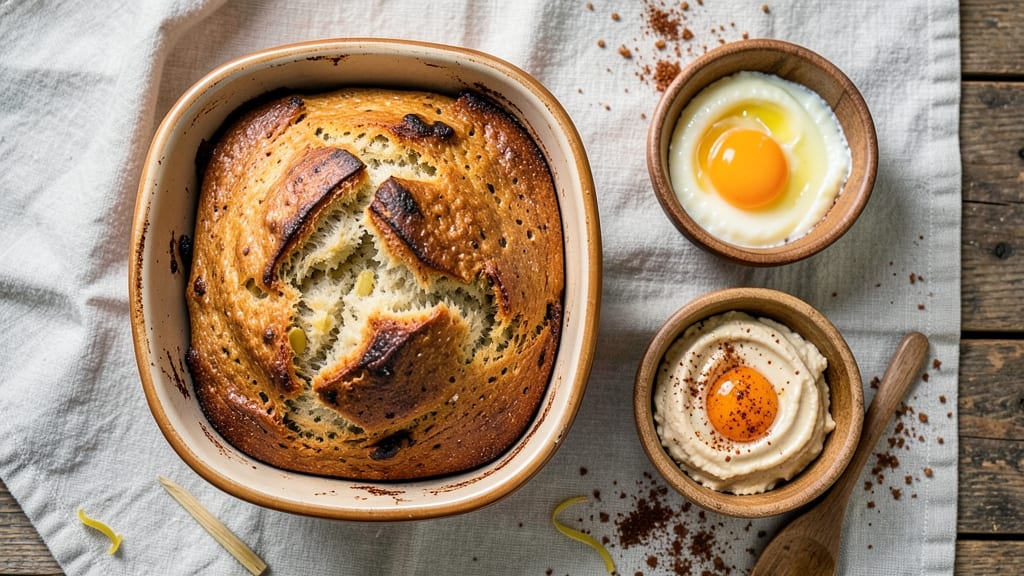
This ale bread recipe transforms simple ingredients into a loaf with yeast-activated richness and a nutty depth that pairs perfectly with soups or stews. The secret lies in substituting beer for water—its maltiness enhances fermentation while creating a tender, slightly sweet crumb.
I've perfected this version after years of baking, ensuring the crust stays crisp while the interior remains moist and flavorful.
The process begins with a foolproof dough that develops depth through a slow fermentation, allowing the ale's flavors to meld with the yeast. Unlike quick breads, this recipe rewards patience with a complex aroma and texture that store-bought loaves can't match.
A warm oven and steam pan create that signature golden crust, while a simple brush of melted butter adds shine and richness.
What sets this ale bread apart is its versatility—add seeds, herbs, or even a touch of honey for customization. The crust holds up well for sandwiches, while the tender interior soaks up broths beautifully.
Whether you're baking for a weeknight dinner or preparing for a holiday meal, this recipe delivers restaurant-quality results with minimal effort.
Perfect for beginners and experienced bakers alike, this ale bread recipe builds confidence in the kitchen. The dough is forgiving, and the process is streamlined without sacrificing flavor. Once you taste the difference, you'll never go back to ordinary bread again.
Ingredients for ale bread
Twelve essential ingredients transform simple flour and yeast into a loaf with restaurant-quality depth.
| Ingredient | Amount | Notes |
|---|---|---|
| Active Dry Yeast 🍞 | 2 ¼ tsp | Ensure yeast is fresh for optimal fermentation |
| Dark Brown Sugar 🍚 | 1 tbsp | Enhances yeast activation and crust color |
| Unsalted Butter 🧈 | ¼ cup | Cold, cubed for even distribution in dough |
| Whole Milk 🥛 | ¾ cup | Warmed to 110°F for yeast activation |
| Large Eggs 🥚 | 1 whole | Room temperature for even mixing |
| All-Purpose Flour 🌾 | 4 cups | Plus 2 tbsp for dusting and shaping |
| Diamond Crystal Kosher Salt 🧂 | 1 ½ tsp | Adjusts to taste for balanced flavor |
| Ale Beer 🍺 | 1 cup | Room temperature, malt-forward variety |
| Granulated Honey 🍯 | 1 tbsp | Adds subtle sweetness and moisture |
| Sesame Seeds 🌰 | 1 tbsp | Optional for nutty crunch and texture |
| Cornmeal 🌽 | ½ cup | For dusting parchment and bread board |
| Water 💧 | ¼ cup | Room temperature for yeast activation |
The ale beer is non-negotiable here—its maltiness is the soul of this bread. Local craft breweries often have excellent malt-forward options, but mainstream brands like Guinness or Sam Adams work beautifully. For the yeast, FreshPaks from grocery stores are ideal, but ensure they're within their expiration date. The unsalted butter should be cold when added to the dough; this creates pockets of richness without overworking the gluten. If your kitchen runs warm, chill the butter cubes for 30 minutes before mixing. The whole milk needs to be warmed to 110°F—use an instant-read thermometer to avoid over-heating, which kills the yeast.
No ale beer? Stout or porter can substitute at a 1:1 ratio, though the flavor profile will differ slightly. Running low on sesame seeds? Sunflower or pumpkin seeds offer a similar crunch and nutty depth. The honey can be swapped for maple syrup or agave, though honey's floral notes complement the ale's maltiness uniquely. If you're baking at high altitude, reduce the yeast by 0.5 teaspoon and increase the water by 1-2 tablespoons to prevent a dense crumb. For a nut-free version**, omit the sesame seeds entirely—the bread will still shine without them.
This dough is best shaped and baked within 8 hours of mixing, but it can be refrigerated overnight for deeper flavor development. Store any leftovers wrapped in a bread bag at room temperature for up to 3 days, or freeze slices for 3 months. For reheating, wrap slices in foil and warm in a 350°F oven for 5-7 minutes. The crust stays crisp for about 24 hours post-baking, but the interior remains tender for up to 5 days when stored properly.
Why You'll Love This Recipe
- No-Knead Nightmare Solved: I swear by this recipe when I’ve had enough of kneading sore hands—just mix the yeast with warm milk, let it sit, then fold in the butter and brown sugar. The dough comes together in minutes, not hours, and the rich milk and caramelized sugar do all the work for you.
- Buttery Caramel Crust Magic: That dark brown sugar? It’s not just sweet—it crisps into a golden, almost toffee-like shell while the inside stays soft. Honestly, the first time I bit into it, I nearly dropped the loaf. The butter makes it rich without tasting heavy, and the eggs bind it just enough to hold its shape.
- Breakfast to Brunch Hero: I make this on Sundays, but it’s my secret weapon for lazy mornings too—slice it toasted with jam, or tear it into chunks for French toast. The texture holds up perfectly, and the flavor? It’s the kind of bread that makes even plain yogurt taste like a treat. (Yes, even on a Tuesday night.)
- Leftovers That Last: One batch feeds my family for days—sandwiches, toast, or even crumbled over salads. The milk and butter keep it moist longer than your average bread, and the ale’s subtle maltiness means it doesn’t go stale fast. Plus, it’s cheap to make; I’ve stretched one loaf into five meals without breaking the bank.
Step-by-step instructions for ale bread recipe
Transform simple ingredients into a rich, aromatic loaf with this precise method.
Activate the Yeast and Prepare Wet Ingredients
In a small bowl, combine the 2.25 tsp active dry yeast, 1 tbsp dark brown sugar, and 0.25 cup water at 110°F. Let it sit for 5-10 minutes until foamy—this confirms the yeast is active. Meanwhile, warm the 0.75 cup whole milk to 110°F and melt the 0.25 cup unsalted butter in a separate bowl.
To the yeast mixture, add the warm milk, 1 whole large egg, and 1 tbsp granulated honey. Whisk until fully combined. The honey adds subtle sweetness while preventing the dough from becoming too dense. This mixture should be smooth and slightly thickened—if it looks too thin, proceed anyway as the flour will absorb excess liquid during mixing.
Mix the Dough and Incorporate Beer
In a large bowl, whisk together the 4 cups all-purpose flour and 1.5 tsp diamond crystal kosher salt. Create a well in the center and pour in the yeast mixture. Using a wooden spoon, gently fold the flour into the wet ingredients until a shaggy dough forms. Add the 1 cup ale beer gradually, mixing just until combined.
The beer contributes depth and moisture, but don't rush this step—overmixing develops gluten too early, leading to a dense loaf. Once the dough comes together, turn it onto a lightly floured surface and knead for 8-10 minutes until smooth and elastic. The dough should spring back slowly when pressed. If it feels sticky, add 1 tbsp flour at a time until it reaches the right consistency.
First Rise and Shaping
Lightly grease a large bowl with butter and place the dough inside, covering it with a damp towel. Let it rise in a warm place for 1-1.5 hours, or until doubled in size. The dough should puff noticeably and feel spongy to the touch. If using a stand mixer, set it to the lowest speed and let it rise in the bowl without kneading.
Once risen, punch down the dough to release air and shape it into a round loaf. For a rustic texture, place it seam-side down on a parchment-lined baking sheet dusted with 0.5 cup cornmeal. The cornmeal prevents sticking and adds a subtle crunch to the crust. Cover loosely with the towel and let it rise for another 30-45 minutes until slightly puffy again.
Bake to Golden Perfection
Preheat the oven to 375°F and bake the loaf for 30-35 minutes until the crust turns a deep golden brown. The interior should register 190-200°F on an instant-read thermometer. If the top browns too quickly, tent it with foil to prevent over-browning while ensuring the center cooks through.
For extra flavor, sprinkle the 1 tbsp sesame seeds evenly over the loaf during the last 5 minutes of baking. The seeds will toast slightly, adding a nutty crunch. Let the bread cool on a wire rack for at least 1 hour before slicing—this allows the crumb to set and prevents a gummy texture.
Serve and Store
Slice the loaf and serve warm, ideally within the first 2 hours for the best texture. The interior should be soft and slightly moist, with a crisp crust that gives way to a tender crumb. Store any leftovers in an airtight container at room temperature for up to 3 days, or freeze slices for up to 3 months.
This bread pairs beautifully with soups, stews, or simply toasted with butter. The beer's maltiness and the honey's sweetness create a balanced flavor profile that makes every slice worth savoring.
Pro Tips For Making Ale Bread
- WARM THE MILK FIRST: I learned this the hard way—cold milk kills yeast faster than you can say "first rise." Heat the whole milk to about 110°F (just warm to the touch) before mixing with yeast and sugar. The yeast will wake up faster, and your dough will start proofing like it’s been waiting all day.
- USE BUTTER AT ROOM TEMP: Cold butter cubes in ale bread mean dense, uneven crumb—no one wants that. Let the unsalted butter sit out for 30-45 minutes until it’s soft enough to press with a finger but not greasy. This ensures even distribution and that melt-in-your-mouth texture.
- DON’T OVERMIX THE DOUGH: Once you add the flour, stop after the first few stirs. Overworking ale bread dough develops gluten like a sad, tough loaf. Mix just until combined, then knead by hand or mixer for 5-6 minutes—any longer and you’ll regret it later.
- PROOF IN A COOL PLACE: Your kitchen’s warmth might feel cozy, but it’s a yeast’s nightmare. After the first rise, move the dough to the fridge for 12-24 hours. The slow fermentation deepens the ale flavor and makes the crumb lighter—plus, it’s one less step in the morning.
Wine and beer pairings for these flavors
Beer Pairing Basics
The beauty of ale bread lies in its malt-forward profile, so pairing it with complementary beers enhances every bite. Start with amber ales like Sierra Nevada Pale Ale—their caramel and biscuit notes mirror the bread's toasted crust and honeyed sweetness.
The beer's slight bitterness cuts through the richness, balancing the dough's depth. 🍺
Bold Stouts for Contrast
For a darker, richer experience, try pairing with a stout like Guinness or Founders Kentucky Breakfast Stout. The roasted malt flavors in the beer amplify the bread's nutty undertones, while the stout's creamy texture softens the crust.
This combo is perfect for hearty meals like beef stew or smoked brisket.
Craft IPA Balance
If you prefer hops, an American IPA like Fat Tire Amber Ale works surprisingly well. The citrusy hop notes contrast the bread's malty sweetness, creating a refreshing balance. Opt for a session IPA to avoid overpowering the bread's delicate crumb. Serve both slightly chilled for the best harmony.
Wine Alternatives
Don’t have beer? A dry Riesling or off-dry Gewürztraminer makes excellent wine pairings. The Riesling’s acidity cleanses the palate between bites, while the Gewürztraminer’s lychee and spice notes complement the bread’s honeyed crust. Both wines highlight the ale bread’s complexity without competing.
Non-Alcoholic Options
For a non-alcoholic twist, try a spiced chai latte or ginger beer. The warm spices in chai enhance the bread’s nutty depth, while ginger beer’s zesty kick brightens the maltiness. Both options keep the pairing dynamic and refreshing, especially for lighter meals or brunch.
Pro Pairing Tip
Let your beer or drink breathe for 5-10 minutes before serving to release its full aroma. This simple step unlocks deeper flavor connections between the bread and your chosen beverage. Trust me, it makes all the difference! ✨
Nutrition facts
Frequently asked questions
Can I substitute ale beer with another liquid?
The beer's maltiness is key to this recipe, but you can use stout or porter at a 1:1 ratio for similar depth. For non-alcoholic versions, try non-alcoholic ale or even strong black tea (cooled) mixed with 1 tbsp molasses to mimic the malt flavor. Avoid water or milk—it'll make the bread denser and less flavorful.
Why does my ale bread turn out dense?
Over-kneading develops too much gluten, while under-proofing traps air bubbles. Knead just until smooth (8-10 minutes), and let the dough rise until it's doubled in size. Also check your yeast—if it didn't foam in 5-10 minutes, it's inactive. Keep your kitchen warm (75-80°F) for proper fermentation.
How do I make this bread gluten-free?
Replace the all-purpose flour with a 1:1 gluten-free baking flour blend (like Bob's Red Mill) plus 1 tsp xanthan gum. You'll need 0.5 cup extra liquid (milk or water) since gluten-free flours absorb more. The texture will be crumbly—brush slices with melted butter to add moisture. Proofing times may need to extend to 1.5-2 hours.
Can I bake this in a Dutch oven?
The Dutch oven creates steam for an even better crust. Shape the dough into a round loaf, place it in the cold Dutch oven, then bake at 375°F for 40-45 minutes. Remove the lid after 20 minutes to brown the top. For extra shine, brush the crust with melted butter during the last 5 minutes.
What's the best way to reheat stale ale bread?
Slice the bread and wrap tightly in foil. Warm in a 350°F oven for 8-10 minutes until crispy again. For a quicker fix, toast slices in a skillet over medium heat for 1-2 minutes per side with a pat of butter. Avoid microwaving—it makes the crust soggy. Store slices in the freezer for up to 3 months and reheat straight from frozen.