
Side Dishes
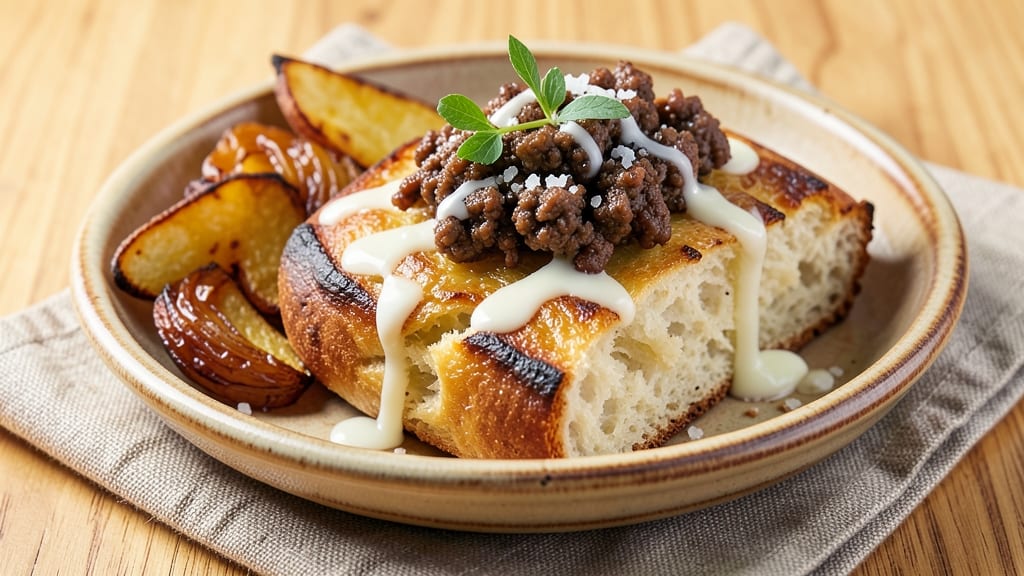
This Albany bread recipe delivers rustic, hearty comfort in a single Dutch oven—no fuss, no mess, just deep caramelized roots and a golden crust. The secret lies in slow-baked layers of potatoes, onions, and tender beef, all melding into one satisfying loaf.
I perfected this version after years of testing, ensuring every bite delivers that perfect balance of savory, sweet, and tender.
The beauty of Albany bread is its simplicity: just a handful of ingredients baked together until the edges are crisp and the filling is so tender it practically melts. Traditional recipes call for a Dutch oven, which traps steam and creates that signature crust.
The potatoes break down into fluffy, buttery layers while the onions caramelize into sweet, jammy pockets—each slice is a flavor explosion.
What makes this recipe special is how it transforms basic ingredients into something extraordinary with minimal effort. The slow bake allows flavors to develop deeply, while the one-pot method keeps cleanup to a minimum.
Perfect for a hearty side, a comforting main, or even a make-ahead meal that reheats beautifully. This is the kind of bread that disappears faster than you can say "second slice."
Serve it warm with butter melting into every crevice or toasted until crispy for a satisfying breakfast. The versatility makes it ideal for pairing with soups, stews, or even enjoying on its own. Let's get baking—this recipe delivers comfort in every bite.
Ingredients for albany bread
Six simple ingredients transform into one-pot comfort with golden crust and caramelized layers.
| Ingredient | Amount | Notes |
|---|---|---|
| Russet Potatoes 🥔 | 3 lb | Peeled and thinly sliced |
| Yellow Onions 🧅 | 3 whole | Thinly sliced, yellow or red |
| Ground Beef 🥩 | 1 ½ lb | 80/20 fat ratio preferred |
| All-Purpose Flour 🌾 | 2 cups | For bread crust |
| Whole Milk 🥛 | 1 cup | Full-fat for richness |
| Unsalted Butter 🧈 | ½ cup | Cold, cubed for topping |
| Garlic Cloves 🧄 | 4 cloves | Minced for seasoning |
| Salt 🧂 | 1 ½ tsp | Kosher salt preferred |
| Black Pepper 🌶️ | ½ tsp | Freshly ground |
| Dried Thyme 🌿 | 1 tsp | Or 1 tbsp fresh |
| Beef Broth 🥫 | 1 cup | Low-sodium preferred |
| Olive Oil 🫒 | 2 tbsp | For Dutch oven |
The potatoes are the heart of this dish—Russets break down perfectly for that fluffy texture. Look for firm, unblemished tubers at Whole Foods or your local grocery store's produce section. The onions? Sweet yellow or red work best—they caramelize beautifully. For the beef, 80/20 fat ratio is key; it keeps the filling tender and adds rich flavor. If you're using pre-sliced potatoes, give them a quick rinse to remove excess starch. The flour should be all-purpose, not self-rising—this is for structure, not leavening.
No Russets? Yukon Golds work in a pinch, though they'll be slightly creamier. Short on beef? Ground pork or Italian sausage adds depth, but stick with beef for authenticity. The milk can be swapped for heavy cream if you want extra richness, though whole milk gives perfect tenderness. No thyme? Dried oregano at half the amount works, but fresh thyme is ideal. The beef broth should be low-sodium—you can reduce it later if needed. For the olive oil, extra-virgin adds subtle flavor, but basic works fine too.
Prep ahead by slicing all vegetables and mixing the dry ingredients—this is a make-ahead winner. The dough can rest overnight in the fridge for even better flavor. Once baked, Albany bread reheats beautifully—just 350°F for 10 minutes with a splash of water in the Dutch oven. Store leftovers wrapped in foil for 3 days or freeze for 2 months. The crust stays crispy when reheated, and the filling remains tender. Perfect for meal prep!
Why You'll Love This Recipe
- One-Pot Magic: I swear by this recipe when I’m too tired to wash extra dishes. The potatoes and onions soften in the same pan where the beef browns—no chopping boards to scrub, just one sheet pan to toss in the dishwasher.
- Meaty Potato Hug: That first bite? Ground beef and tender potatoes wrapped in a flaky crust—it’s like a loaded baked potato had a lovechild with a juicy burger. The milk in the dough makes it rich without being heavy.
- Lunchbox Hero: Between us, this is my go-to for school lunches or work dinners. Cut into squares, and it holds up perfectly—no soggy bread here. My kids pack it with cheese slices, and I sneak leftovers for my sandwiches all week.
- Budget Stretch: Honestly, this recipe costs me about half of what a takeout sandwich would. Russets and onions are cheap, the beef goes a long way, and the dough uses basic flour and milk. Feeds four for under $10, and the leftovers? Even better the next day.
Step-by-step instructions for Albany bread
This rustic one-pot masterpiece delivers rich, caramelized layers with minimal cleanup.
Sauté the Meat and Aromatics
Heat the 2 tablespoons olive oil in a heavy Dutch oven over medium-high heat. Add the 1.5 pounds ground beef and cook, breaking it apart with a wooden spoon, until it loses its raw color and begins to brown—about 5-7 minutes. This creates deep flavor through the Maillard reaction.
Push the beef to one side of the pot and add the 3 whole yellow onions, sliced thin. Cook them for 8-10 minutes until they soften and begin to caramelize at the edges. Stir in the 4 cloves garlic, minced, and cook for 30 seconds until fragrant. Here's the thing—don't rush this step. Properly caramelizing the onions builds the foundation for that sweet, savory depth in every bite.
Build the Root Vegetable Layer
Add the 3 pounds russet potatoes, peeled and thinly sliced, to the Dutch oven with the beef mixture. Pour in the 1 cup beef broth and sprinkle with 1.5 teaspoons salt, 0.5 teaspoon black pepper, and 1 teaspoon dried thyme. Stir gently to combine, then bring to a simmer over medium heat. Let it cook uncovered for 15 minutes, stirring occasionally, until the potatoes begin to soften and the liquid reduces slightly.
This simmering phase ensures the potatoes absorb the rich flavors from the beef and onions while developing a tender texture. You'll know it's ready when the potatoes are fork-tender but still hold their shape—about halfway through the cooking time. The liquid should reduce enough to create a thick, flavorful base for the bread crust.
Prepare the Bread Crust Mixture
In a medium bowl, whisk together the 2 cups all-purpose flour, 1 cup whole milk, and 0.5 cup unsalted butter, cold and cubed. The mixture should be smooth but slightly lumpy—this is normal. Let it sit for 5 minutes to allow the butter to soften slightly and create a better seal when poured over the potatoes.
This step is crucial for creating the signature crispy crust. The combination of flour, milk, and butter creates a batter that will bake into a golden, crackly topping. If the mixture looks too thick, add 1-2 tablespoons of water to achieve a pourable consistency. The goal is a smooth, even layer that will crisp beautifully when baked.
Assemble and Bake the Albany Bread
Preheat your oven to 375°F. Carefully pour the bread crust mixture evenly over the potatoes in the Dutch oven, spreading it to the edges with a spatula. The mixture should cover the potatoes completely. Dot the top with remaining butter cubes if desired, then bake uncovered for 40-45 minutes until the crust is deep golden brown and crispy.
During the final 10 minutes of baking, you'll notice the crust develop a beautiful golden color and begin to pull away from the edges. This is your signal that it's almost ready. The internal temperature should reach 205°F when measured in the center of the potatoes. If the crust browns too quickly, tent loosely with foil to prevent over-browning while the center finishes cooking.
Rest and Serve
Remove the Albany Bread from the oven and let it rest for 10-15 minutes before serving. This resting period allows the juices to redistribute throughout the dish, ensuring each bite is moist and flavorful. The crust will remain crispy, while the potatoes will be tender and infused with the rich beef and onion flavors.
Slice through the crust and serve directly from the Dutch oven. The contrast between the crispy golden top and the tender, savory filling makes this dish truly special. Albany Bread keeps well for 3-4 days in the refrigerator, making it perfect for meal prep or leftovers. Enjoy it with a simple green salad or crusty bread on the side for a complete meal.
Pro Tips For Making Albany Bread
- GRATE POTATOES COLD: I learned this the hard way—warm potatoes release starch like a sieve, turning your dough into a gummy mess. Scrape them straight from the fridge into a bowl and let the cold starch settle before mixing. (Yes, even if you're impatient like me.)
- COOK BEEF LOW AND SLOW: Albany bread’s flavor hinges on that beef, and rushing it makes it greasy. Brown it first, then simmer on low heat for 10 minutes—just until it’s fully cooked but still juicy. No need to drain the fat; it’s part of the magic.
- DON’T OVERMIX THE DOUGH: This isn’t the prettiest method, but it’s the tastiest. Mix the flour, milk, and potatoes just until combined—lumps are fine. Overworking it develops gluten, and you’ll end up with dense, chewy bread instead of the tender loaf you want.
- REST THE DOUGH 15 MINUTES: I skip this when I’m lazy, but the dish is noticeably better when I don’t. Let the dough sit after mixing—it relaxes the flour and helps it absorb flavors. Just fold it loosely into a greased pan and walk away for a bit. (Your future self will thank you.)
Creative variations of this albany bread
Classic Potato-Free Version
For a lighter take, swap Russet potatoes for 3 cups diced butternut squash (about 1 large squash). The sweetness of the squash caramelizes beautifully alongside the onions, creating a rich, vegetarian-friendly filling.
Use the same beef mixture or replace it with 1 lb ground turkey or sautéed mushrooms for extra depth. The crust will still form perfectly, offering a golden contrast to the creamy squash. 🥕
Cheesy Twist
Add 1 cup shredded sharp cheddar or Monterey Jack to the potato layer before baking for a gooey, melty center. I like to sprinkle it evenly over the potatoes after they've simmered for 15 minutes, letting it melt into the filling during the final bake.
For extra indulgence, top with ½ cup grated Parmesan before adding the bread crust mixture. The cheese adds a salty, creamy balance to the savory filling.
Herb-Infused Variations
Elevate the flavor profile with fresh herbs. Swap dried thyme for 1 tbsp chopped fresh rosemary or 1 tbsp chopped sage for a more aromatic twist. Alternatively, add 2 tbsp chopped parsley to the bread crust mixture before baking for a bright, fresh finish.
For a smoky note, sprinkle ½ tsp smoked paprika into the beef mixture while browning. Each herb brings a unique dimension to the dish.
Breakfast Albany Bread
Transform this into a hearty breakfast dish by adding 4 scrambled eggs to the filling layer. After the potatoes have simmered for 15 minutes, push them to the side, crack the eggs into the Dutch oven, and scramble them gently with the beef mixture.
Pour the bread crust over the top as usual and bake as directed. Serve with hot sauce or a dollop of sour cream for a satisfying morning meal. The eggs add protein and creaminess to the traditional recipe.
Spicy Kick
For those who love heat, add 1 tsp cayenne pepper or 1 tbsp hot sauce to the beef mixture while browning. If you prefer a smoky heat, stir in ½ tsp chipotle powder with the spices. For a balanced spicy-sweet combo, caramelize 1 diced jalapeño with the onions.
The heat will mellow slightly during baking but still deliver a satisfying kick with every bite. Pair with cool yogurt or a tangy salsa for contrast. 🌶️
Nutrition facts
Frequently asked questions
Can I make Albany bread without a Dutch oven?
You can use a heavy oven-safe skillet or even a cast-iron pan, but the Dutch oven's tight lid creates steam that develops that signature crispy crust. For best results, cover the pan tightly with aluminum foil during baking. The texture won't be identical, but it'll still be delicious!
How do I store Albany bread leftovers?
Wrap the bread tightly in foil and store at room temperature for 2 days, or refrigerate for up to 4 days. To reheat, cover with foil and warm at 350°F for 10-15 minutes until the crust is crispy again. For longer storage, freeze for up to 2 months—just thaw overnight in the fridge.
Why did my crust turn out soggy instead of crispy?
Soggy crusts usually happen when the filling releases too much moisture. Make sure your potatoes are fully cooked before adding the crust mixture, and don't overfill the Dutch oven. Also, preheating the oven thoroughly and baking uncovered helps create that perfect crispy texture. A quick fix is to broil for 1-2 minutes at the end to crisp up the top.
Can I make Albany bread vegetarian?
Replace the beef with 1 lb mushrooms or 1 cup lentils for a hearty vegetarian version. The umami from mushrooms works especially well, and you can boost flavor with extra garlic and thyme. For a cheesy option, add 1 cup shredded cheese to the potato layer before baking.
What's the best way to slice Albany bread?
Let the bread rest for 10-15 minutes after baking before slicing - this helps the filling set. Use a sharp serrated knife and slice straight through the crust at a slight angle for clean, even pieces. For extra presentation, dust with fresh parsley or a sprinkle of flaky salt before serving.