
Side Dishes
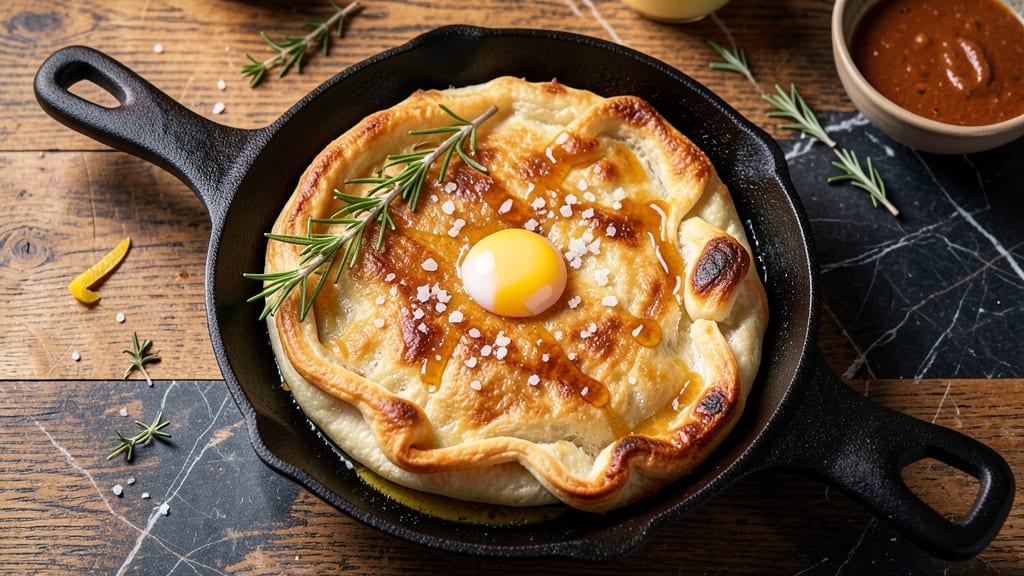
This Alaska Native fry bread recipe brings a taste of tradition to your kitchen with its golden, crispy exterior and tender interior—just like the bread served at powwows and family gatherings.
The dough comes together in minutes using simple ingredients like flour, baking powder, and salt, then fries to perfect crispiness in hot oil. What makes this dish special is its deep cultural roots, born from resilience and adapted into a beloved staple across Alaska Native communities.
The magic lies in the frying technique, where the dough transforms into a delicate, airy bread with a satisfying crunch. Unlike many fried breads, this version stays light and fluffy inside while achieving that signature crispy exterior.
Once golden, it’s ready to be served warm with toppings like honey, jam, or even a sprinkle of powdered sugar—each bite a celebration of heritage and comfort.
What sets this fry bread apart is its simplicity and versatility—perfect for a quick side dish, a snack, or even a sweet breakfast treat. The dough’s flexibility means you can shape it into rounds, triangles, or even twists, giving you creative freedom while staying true to tradition.
Whether you’re cooking for a gathering or just craving a taste of Alaska, this recipe delivers on both flavor and cultural pride.
For an extra touch of authenticity, serve it alongside traditional dishes like chili or berry compote, or enjoy it plain as a testament to Alaska’s rich culinary history. The key to success? Keeping the oil hot and the dough rested—just a few steps to achieve restaurant-quality results at home.
Ingredients for alaska fry bread
Eight simple ingredients transform into Alaska's beloved golden fry bread—crispy outside, tender inside.
| Ingredient | Amount | Notes |
|---|---|---|
| All-Purpose Flour 🌾 | 3 cups | Sifted for light texture |
| Baking Powder 🧂 | 1 tbsp | Ensures fluffy rise |
| Salt 🧂 | 1 tsp | Kosher or sea salt |
| Vegetable Oil 🫒 | 1 ½ cups | For frying, 350°F |
| Water 💧 | 1 ½ cups | Room temperature |
| Large Eggs 🥚 | 1 whole | Room temperature |
| Unsalted Butter 🧈 | ½ cup | Softened for mixing |
| Powdered Sugar 🍚 | ¼ cup | Optional for dusting |
| Honey 🍯 | ¼ cup | For serving (optional) |
| Jam 🍓 | ½ cup | Any flavor (optional) |
Flour is the heart of this recipe—King Arthur or Gold Medal brands work best for that perfect lightness. Grab baking powder from the boxed section, not the canister kind. The oil? Vegetable or canola is classic, but peanut oil gives extra crispiness. I always keep a deep fry thermometer handy—350°F is non-negotiable for that signature crunch. For the butter, Land O’Lakes or any unsalted brand works, but European-style butter adds extra richness if you're feeling fancy. The water and egg should be room temp—cold liquid makes the dough tough.
No baking powder? 1/4 tsp cream of tartar + 1/4 tsp cornstarch is a decent swap. Short on oil? Lard or shortening works in a pinch (though it's not traditional). The honey and jam are totally optional—maple syrup or berry compote make great alternatives too. For a savory twist, skip the sweet toppings and serve with chili or baked beans. The dough should be soft but not sticky—add a splash more water if needed. Shape it into rounds about 6 inches wide for classic fry bread, or get creative with triangles or twists.
Freshly made fry bread is best eaten warm, but it reheats beautifully. Pop slices in a 350°F oven for 5-7 minutes to bring back the crisp. Store leftovers in an airtight container for up to 3 days, though it's hard to resist eating them fresh. Freeze shaped dough rounds on a tray first, then transfer to a bag for up to 1 month. Pro tip: Double the dough and freeze half—perfect for spontaneous powwow snacks or late-night cravings.
Why You'll Love This Recipe
- Five-Ingredient Magic: I swear by this—just flour, baking powder, salt, oil, and water. That’s it. No fancy substitutions, no hunting for obscure spices. The dough comes together faster than you can say "deep fryer," and honestly? It’s the kind of recipe that makes me feel like a genius when I pull it off.
- Crispy-Creamy Obsession: The outside gets that golden, shatteringly crisp bite, while the inside stays pillowy soft—like a hug from your favorite comfort food. Between us, I’ve tried store-bought versions, and none compare. This is the real deal, Alaska-style.
- Game for Any Occasion: Serve it warm with honey and jam for breakfast, pile it high with chili for a hearty dinner, or even turn it into a dessert with cinnamon sugar. I’ve used leftovers for a week: fried up, toasted, or stuffed. It’s my secret weapon for lazy Sundays and last-minute gatherings alike.
- Budget-Friendly Staple: A single batch costs pennies and stretches across meals. Freeze extras for when you’re too tired to cook, or double the recipe for a crowd—no one will complain. I’ll be real: my grocery bill stays low, but my dinner table never does.
Step-by-step instructions for Alaska Native fry bread
Here's how to make this iconic treat with a perfect crispy exterior and tender interior.
Mix the Dough to a Smooth Batter
In a large bowl, whisk together the 3 cups all-purpose flour, 1 tablespoon baking powder, and 1 teaspoon salt. This dry mix is the foundation of your fry bread, so make sure it's evenly combined before adding liquids.
Next, create a well in the center and pour in the 1.5 cups room-temperature water, 1 whole large egg, and 0.5 cup softened unsalted butter. Using a wooden spoon or rubber spatula, gradually mix everything together until you get a smooth, slightly sticky batter. The consistency should be like pancake batter—thick but still pourable. If it's too thick, add a splash more water, 1 tablespoon at a time, until it reaches the right texture.
Heat the Oil and Prepare for Frying
Fill a deep skillet or Dutch oven with 1.5 cups vegetable oil and heat it over medium-high heat until it reaches 350°F. You can test the oil's temperature by dropping in a small piece of dough—it should sizzle and float immediately. If it doesn't bubble, wait a few more minutes for the oil to get hotter.
Keep the oil hot and ready while you prepare the dough. The key to crispy fry bread is maintaining this consistent oil temperature. Too hot, and the outside burns before the inside cooks; too cool, and the bread absorbs too much oil and becomes greasy. Aim for that perfect 350°F—this is where the magic happens.
Fry the Dough in Small Portions
Using a spoon or small ladle, carefully drop 2-tablespoon portions of the batter into the hot oil. Avoid overcrowding the pan—you want enough space for the bread to cook evenly without steaming. Fry for 1-2 minutes per side, until the bread turns a rich golden brown and looks puffed and crispy.
Here's the thing—don't flip too early. You'll know it's ready when the edges start to crisp and the bread releases easily from the spoon. If it sticks, give it a few more seconds. Once golden, use a slotted spoon to transfer the fried bread to a paper towel-lined plate to drain excess oil. Repeat with the remaining batter, keeping the oil at 350°F throughout.
Serve Warm with Optional Toppings
While still warm, dust the fried bread with 0.25 cup powdered sugar for a sweet finish. You can also drizzle with 0.25 cup honey or spread with 0.5 cup jam for extra flavor. Traditional fry bread is often served plain, but these toppings make it even more delicious.
Serve immediately—this bread is best enjoyed fresh out of the oil while it's still crispy. The contrast of the warm, flaky exterior and the soft, pillowy interior is what makes fry bread so special. Whether you're making it for a cultural celebration or just a tasty treat, this recipe delivers every time.
Pro Tips For Making Alaska Fry Bread
- CRACK THE BUBBLES FAST: I used to let the dough sit too long before frying, and those little bubbles? They’d burst halfway through, leaving flat, sad bread. Instead, mix the dough, cover it with a damp towel, and let it rest for no more than 15 minutes—just enough to relax the gluten, not enough to overproof. Then fry immediately while the oil is screaming hot.
- WEIGH THE FLOUR: Scooping flour from the bag into your bowl is how you end up with dense, uneven dough. Instead, use a kitchen scale—2 cups of all-purpose flour is about 250 grams, but that varies by brand. Pack it lightly (no pressing down) into your measuring cup, then level it off. Trust me, this keeps every batch consistent, especially when baking powder is the leavening agent.
- TEST THE OIL TEMP: Cold oil = greasy, soggy bread. Too hot = burnt edges before the center cooks. Here’s the real test: drop a tiny bit of dough in—if it sizzles and turns golden in 20-30 seconds, you’re golden. If it floats lazily, crank the heat. If it browns instantly, let it cool 2 minutes. (Yes, even if you’re impatient like me.)
- SALT THE WATER: Skipping this is how you end up with bland bread that tastes like nothing. Dissolve the ½ teaspoon salt directly into the water before mixing—it distributes evenly and seasons the dough from the start. No last-minute sprinkling on the frying pan; the flavor needs to be baked in, not just dusted on.
Wine and beer pairings for this alaska fry bread
Sweet Pairings
Fry bread’s crispy texture and mild flavor make it perfect for sweet toppings that complement its simplicity. A drizzle of local Alaskan honey—like Meadow Gold or Alaska Honey—adds a rich, floral sweetness that pairs beautifully with the bread’s warmth.
For a classic touch, spread raspberry or strawberry jam (I love Welch’s or Smucker’s) for a burst of fruity acidity that cuts through the richness. 🍯
Don’t overlook powdered sugar—a light dusting transforms fry bread into a dessert-like treat. For a more indulgent option, mix chopped walnuts or pecans with the sugar for crunch. These toppings not only enhance flavor but also honor the traditional way fry bread is enjoyed at gatherings and powwows.
Savory Contrasts
While sweet toppings are classic, fry bread also shines with savory pairings that highlight its versatility. Serve it alongside Alaskan smoked salmon (like King Salmon or Sockeye) with a squeeze of lemon and a dollop of herb cream cheese.
The crispy bread soaks up the salmon’s oils beautifully, creating a satisfying bite. 🐟
For a heartier meal, pair fry bread with homemade chili—traditional Alaska Native chili often includes ground beef, beans, and spices like cumin and chili powder. The bread’s texture contrasts perfectly with the chunky chili, making it a filling and culturally meaningful dish.
Add a sprinkle of fresh cilantro or green onions for brightness.
Beverage Pairings
When it comes to drinks, Alaskan craft beers are a natural match. A crisp lager like Alaska Brewing Company’s Amber Ale or a wheat beer with citrus notes balances the fry bread’s richness without overpowering it. The light carbonation also cleanses your palate between bites. 🍺
For non-alcoholic options, cold-brewed coffee or chilled hibiscus tea (common in Alaska Native traditions) provide a refreshing contrast. The bitterness of coffee or the tartness of hibiscus tea complements the bread’s sweet or savory flavors, making each bite feel balanced and complete.
A glass of sparkling water with lime is another light, refreshing choice.
Regional Twists
In Southeast Alaska, fry bread is often paired with berry compotes made from salmonberries or cloudberries, which are tart and slightly sweet. These wild Alaskan berries add a unique, earthy depth that pairs wonderfully with the bread’s crispy exterior. 🌿
In Interior Alaska, where fry bread is a staple at gatherings, it’s commonly served with baked beans or venison stew. The rich, savory flavors of these dishes create a hearty meal that’s both comforting and deeply rooted in tradition.
For a modern twist, try pairing it with grilled bison and a chimichurri sauce for a fusion of Native and Latin American flavors.
Nutrition facts
Frequently asked questions
What makes Alaska Native fry bread different from regular fried bread?
Alaska Native fry bread has deep cultural roots, originating as a survival food during times of scarcity. The dough is traditionally made with simple ingredients like flour, baking powder, and water, then fried until golden and crispy. Unlike commercial fried breads, it's often served plain or with sweet toppings like honey or jam, reflecting its role in Native celebrations and gatherings. The texture is light and airy inside with a satisfying crunch outside.
Can I make fry bread without an egg?
Yes! For a vegan version, replace the egg with 1 tablespoon ground flaxseed mixed with 3 tablespoons water (let it sit for 5 minutes to thicken). The dough will still be slightly sticky, but it should hold together when frying. The texture may be a bit denser, but the crispy exterior will still shine. This works especially well if you're making it for a plant-based gathering.
How do I keep my fry bread from sticking to the oil?
The key is proper oil temperature and dough consistency. Maintain your oil at 350°F—use a thermometer to check! If the dough is too thick, add a splash of water. For extra insurance, wet your spoon slightly before scooping the batter into the oil. Overcrowding the pan also causes sticking, so fry in small batches. A well-seasoned cast-iron skillet helps too!
Can I bake fry bread instead of frying it?
You can try! Shape the dough into rounds and bake at 400°F for 12-15 minutes on a greased baking sheet until golden. The result will be softer and less crispy than fried versions, but still delicious. For extra crunch, brush with melted butter before baking. This method uses less oil and is great for those watching their fat intake while still enjoying the cultural dish.
What's the best way to store leftover fry bread?
Store in an airtight container at room temperature for up to 3 days, though it's best enjoyed fresh. For longer storage, freeze shaped rounds on a tray first (to prevent sticking), then transfer to a freezer bag for up to 1 month. To reheat, pop in a 350°F oven for 5-7 minutes or air fry at 375°F for 3-4 minutes** to restore crispiness.