
Side Dishes
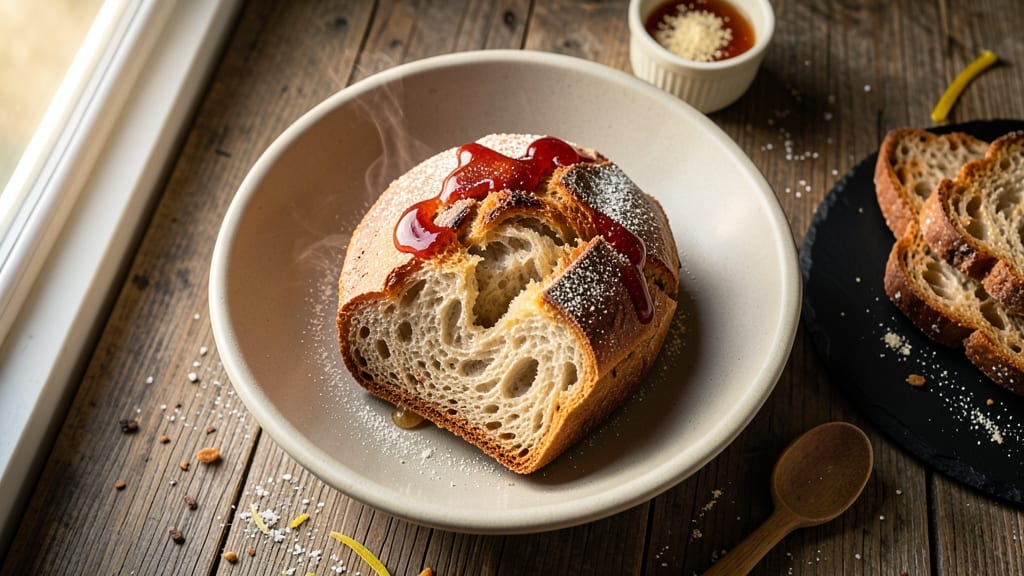
This AIP sourdough bread recipe delivers restaurant-quality crust and airy crumb without gluten, dairy, or eggs—proof that elimination diets don’t mean sacrificing texture or flavor. The secret lies in a 5-day starter made with apple cider vinegar and tapioca flour, which mimics sourdough’s natural tang while keeping it strictly compliant.
Every bite offers that signature shatter of a crusty exterior and chewy interior, all while staying 100% AIP-friendly with no honey, dairy, or animal products.
What sets this recipe apart is the two-step fermentation process: first a slow starter build, then a bulk fermentation that develops depth without relying on yeast. The dough comes together with simple ingredients like almond flour and arrowroot powder, which bind beautifully while maintaining structural integrity.
Unlike store-bought gluten-free breads, this version rises properly and holds its shape, with a golden-brown crust that’s impossible to resist.
The result is a loaf so impressive, even non-AIP eaters will ask for seconds—crispy on the outside, tender on the inside, with a subtle tang that’s pure sourdough magic. The best part?
It’s designed for foolproof success, with precise fermentation times and baking instructions that guarantee a perfect rise every time. No more dense, crumbly failures—just crusty perfection that fits seamlessly into any AIP meal plan.
Perfect for sandwiches, toast, or serving alongside soups, this bread proves elimination diets can still deliver restaurant-quality results. Let’s get started—your taste buds (and digestive system) will thank you.
Ingredients for aip sourdough bread
These AIP-compliant ingredients transform into restaurant-quality sourdough—crisp crust, airy crumb, zero compromises.
| Ingredient | Amount | Notes |
|---|---|---|
| Apple Cider Vinegar 🍎 | ¼ cup | Raw, unfiltered preferred |
| Tapioca Flour 🌾 | ¼ cup | Fine grade for smooth texture |
| Filtered Water 💧 | 1 cup | Room temperature preferred |
| Almond Flour 🌰 | 3 cups | Blanched, fine grind |
| Arrowroot Powder 🌾 | ¼ cup | For structural binding |
| Psyllium Husk Powder 🌿 | 2 tbsp | Key for gluten-free rise |
| Sea Salt 🧂 | 1 ½ tsp | Fine grain, Diamond Crystal |
| Extra-Virgin Olive Oil 🫒 | ¼ cup | High quality, fruity |
| Coconut Milk 🥥 | ¼ cup | Full-fat, canned for creaminess |
| Baking Soda 🧪 | 1 tsp | Pure, aluminum-free |
| Chia Seeds 🌱 | 1 tbsp | Ground for binding |
The 5-day starter is where magic happens. Apple cider vinegar from Bragg or Raw Organic brands adds that signature tang without dairy or gluten. Tapioca flour? Bob's Red Mill is my go-to—it dissolves smoothly for that perfect starter consistency. For the almond flour, Anthony's Goods delivers the finest grind, but any blanched almond flour works. Psyllium husk is non-negotiable—it's the secret to that perfect rise. Now Foods sells it in bulk if you want to stock up. Every ingredient here plays a role in that shatter-worthy crust—don't skip the olive oil, even though it's AIP-friendly.
No tapioca flour? Arrowroot powder at the same amount works in a pinch, though texture may differ slightly. Running low on psyllium husk? Ground flaxseed at double the quantity gives similar binding power. The coconut milk can be swapped for cashew cream if you prefer a nuttier flavor. For the chia seeds, Bob's Red Mill organic is my favorite, but any high-quality brand will do. Pro tip: Toast your almond flour for 5 minutes at 350°F before mixing—this deepens the nutty flavor without adding moisture. The baking soda must be fresh; if it's over 6 months old, replace it for proper lift.
This dough is a two-step fermentation beast, so plan ahead. The starter keeps for 1 week in the fridge, covered tightly. Once mixed, the dough needs 4-6 hours at room temp or overnight in the fridge for optimal rise. For best results, bake within 24 hours of final mixing. Store wrapped at room temp for 3 days or freeze for 3 months. The crust stays crisp for 2 days if you slice it fresh—otherwise, toast it before serving. Leftovers? Perfect for croutons or breadcrumbs—just pulse in a food processor.
Why You'll Love This Recipe
- No-Fuss Starter: Apple cider vinegar does all the work—no waiting for wild yeast, no fussing with cultures. Just mix, let it sit overnight, and wake up to a tangy, ready-to-use starter that’s actually simple.
- Tangy Twist: The vinegar gives this bread a bright, almost buttery depth without dairy or gluten. It’s the kind of flavor that makes you reach for seconds, even when you’re not hungry.
- Weeknight Hero: This bread keeps beautifully for days, so I bake one batch and use it for toast, sandwiches, or dipping in soups. No sad, stale loaves here—just reliable, versatile slices whenever I need them.
- Budget-Friendly Bake: Almond flour and tapioca stretch my dollars further than regular bread dough. Plus, the arrowroot keeps it light without breaking the bank—proof that great bread doesn’t have to cost a fortune.
Step-by-step instructions for AIP sourdough bread
Transform simple ingredients into a glorious gluten-free, dairy-free loaf with this foolproof method.
Create the Psyllium Husk Slurry
In a medium bowl, whisk together the 1 cup filtered water, 2 tablespoons psyllium husk powder, and 1 tablespoon ground chia seeds until completely smooth. The mixture will thicken dramatically—this is normal. Let it sit for 5 minutes while you prepare the remaining ingredients. You'll see it transform into a gel-like consistency that mimics gluten's binding properties in traditional bread.
This slurry is the secret to our bread's structure. The psyllium husks absorb liquid and expand, creating that satisfying chew and rise. If you notice any lumps after whisking, strain the mixture through a fine-mesh sieve to ensure a perfectly smooth batter. The slurry should be thick enough to hold its shape when spooned, but still pourable.
Mix the Wet and Dry Ingredients
In a large mixing bowl, combine the 3 cups almond flour, 0.25 cup arrowroot powder, 1.5 teaspoons sea salt, and 1 teaspoon baking soda. Whisk vigorously for 2 minutes to aerate the dry ingredients and create pockets for the wet components. The almond flour should look fluffy and light—this ensures maximum volume in your final loaf.
In a separate bowl, mix the 0.25 cup extra-virgin olive oil, 0.25 cup coconut milk, 0.25 cup apple cider vinegar, and the psyllium slurry from Step 1. The vinegar adds tangy depth while helping to activate the baking soda. Add this wet mixture to the dry ingredients and stir with a spatula until just combined. You'll want to see a thick, shaggy dough form—don't overmix or you'll develop gluten-like properties we're trying to avoid.
Shape and Let Rest for Maximum Rise
Transfer the dough to a lightly oiled 9x5-inch loaf pan and spread it evenly using a rubber spatula, pressing down gently but firmly to eliminate air pockets. The dough will be quite thick—this is perfect for our dense, crusty bread. Cover the pan tightly with plastic wrap and let it rest at room temperature for 30 minutes. This resting period allows the psyllium to fully hydrate and the dough to relax before baking.
Here's where the magic happens: the psyllium husks will continue to absorb moisture, creating that signature sourdough-like rise. After 30 minutes, you should see the dough expand slightly and develop a sticky surface. If you're using a glass loaf pan, you'll notice the dough rise about ½ inch above the pan's edge—this indicates proper hydration and structure formation.
Bake to Golden, Crusty Perfection
Preheat your oven to 375°F with a baking stone or inverted baking sheet on the middle rack. This creates steam that's crucial for developing that beautiful crust. Once preheated, carefully transfer the loaf pan to the oven and bake for 45-50 minutes until the top is deep golden brown and a toothpick inserted in the center comes out clean. The edges should pull away slightly from the pan, indicating proper baking.
I know it seems counterintuitive, but don't open the oven door during the first 30 minutes of baking. The sudden temperature drop can cause the bread to collapse. After 30 minutes, if the top isn't browning sufficiently, tent the loaf with aluminum foil to prevent over-browning while allowing it to cook through. The internal temperature should reach 205-210°F when done.
Cool and Slice for Optimal Texture
Remove the bread from the oven and let it cool in the pan for 10 minutes, then transfer to a wire rack to cool completely for at least 1 hour. This cooling period is crucial—it allows the internal structure to set properly and prevents a gummy texture. The bread will continue to firm up as it cools, developing that satisfying crusty exterior and tender crumb.
For the best results, slice the bread with a sharp serrated knife and serve it warm or at room temperature. Each slice should reveal an open crumb structure with a crispy exterior and moist interior. If you find the bread is too dense after cooling, simply slice it thinner—this gluten-free version holds up beautifully when toasted or used for sandwiches.
Pro Tips For Making Aip Sourdough Bread
- Mix Vinegar Last: I learned this the hard way—adding apple cider vinegar to the dough too early makes it sour before the gluten (or gluten-like structure) can properly form. Stir it in only after the almond flour and tapioca blend has absorbed the water and thickened slightly. The acidity needs to work with the structure, not against it.
- Use Warm Water: Cold water makes almond flour dough stiff and gummy. Heat your filtered water to about 85°F (30°C) before mixing—just warm enough to dissolve the tapioca flour completely without cooking it. This helps the arrowroot powder bind better and gives the dough a lighter texture. (Yes, even if you’re impatient like me.)
- Don’t Over-Knead: This isn’t wheat dough, so you’re not building gluten—you’re creating a cohesive, elastic texture. Mix just until the almond flour and tapioca blend forms a shaggy mass, then let it rest. Overworking it turns the dough dense and chewy. A quick 30-second stretch-and-fold after the initial rest is enough.
- Spritz with Water: The AIP version lacks eggs or dairy for moisture, so the crust dries out fast. Before baking, lightly spray the dough with filtered water using a spray bottle—especially the top. This creates steam, helps the bread rise evenly, and gives that golden crust without cracking. (Your future self will thank you.)
Perfect pairings for aip sourdough bread
Crusty Pairings
This AIP sourdough shines alongside hearty stews like beef bone broth soup or lentil curry—its crisp crust soaks up flavorful sauces beautifully. For a lighter option, pair with roasted vegetable medley (zucchini, eggplant, and bell peppers) tossed in extra-virgin olive oil and sea salt.
The bread's tangy depth complements the sweetness of roasted carrots or butternut squash. 🥕
Protein Powerhouses
Use this bread for AIP-friendly sandwiches with fillings like grilled chicken thighs (marinated in coconut aminos and garlic) or smoked salmon with avocado slices and sprouted greens.
For a plant-based option, layer with mashed white beans and roasted red peppers. The bread's sturdy structure holds up perfectly to wet fillings without getting soggy.
Dip & Spread Ideas
Serve with AIP-compliant dips like cashew cheese spread (blended cashews, coconut milk, and lemon juice) or olive tapenade (blended Kalamata olives, olive oil, and garlic).
For a sweet touch, try sunflower seed butter drizzled with date syrup—the contrast of crispy bread and creamy nut butter is irresistible. 🥜
Breakfast Champions
Toast slices and top with AIP-friendly toppings like sautéed mushrooms and avocado for a hearty breakfast. Or spread with almond butter and sliced banana (if tolerated) for a sweet morning treat.
The bread's nutty flavor pairs perfectly with scrambled eggs (if not strict AIP) or tofu scramble for a plant-based option.
Soup Sidekick
This bread elevates AIP soups like zucchini noodle soup or pumpkin ginger soup—the crusty exterior contrasts perfectly with silky broths. For a warming meal, serve with bone broth-based miso soup (using AIP-compliant white miso) and steamed bok choy.
The bread's tangy notes cut through rich, creamy soups beautifully.
Nutrition facts
Frequently asked questions
Can I make this AIP sourdough bread without psyllium husk?
The psyllium husk is essential for that perfect rise and structure, but you can try substituting 2 tablespoons ground flaxseed mixed with 4 tablespoons water as a binding agent. However, the texture will be slightly denser. For best results, stick with psyllium—it's the secret to that authentic sourdough-like chew.
How do I know when my AIP starter is ready?
Your starter should be bubbly, slightly domed, and have a pleasant tangy aroma after 5 days of feeding. It should double in size within 4-6 hours after feeding with apple cider vinegar and tapioca flour. If it smells sour or has a grayish hue, discard and start fresh.
Why did my bread turn out dense instead of crusty?
Dense bread usually means the dough didn't rest long enough or the oven wasn't hot enough. Let the dough rest for the full 30 minutes before baking, and preheat your oven with a baking stone for 375°F. Also, avoid opening the oven door during the first 30 minutes of baking to maintain proper steam. The internal temperature should reach 205-210°F for perfect texture.
Can I make this bread without a loaf pan?
Yes! Shape the dough into a round boule or batard and bake it on a parchment-lined baking sheet. For extra crustiness, bake on a preheated baking stone. The dough will spread slightly, so leave space between shapes. Brush the top with a little olive oil before baking for a shinier crust.
How long does this AIP sourdough keep fresh?
Store wrapped at room temperature for up to 3 days, or freeze for 3 months for maximum freshness. The crust stays crisp for 2 days if sliced fresh—otherwise, toast slices before serving. For leftovers, pulse in a food processor to make AIP-friendly breadcrumbs for coatings or meatball binders.