
Main Courses
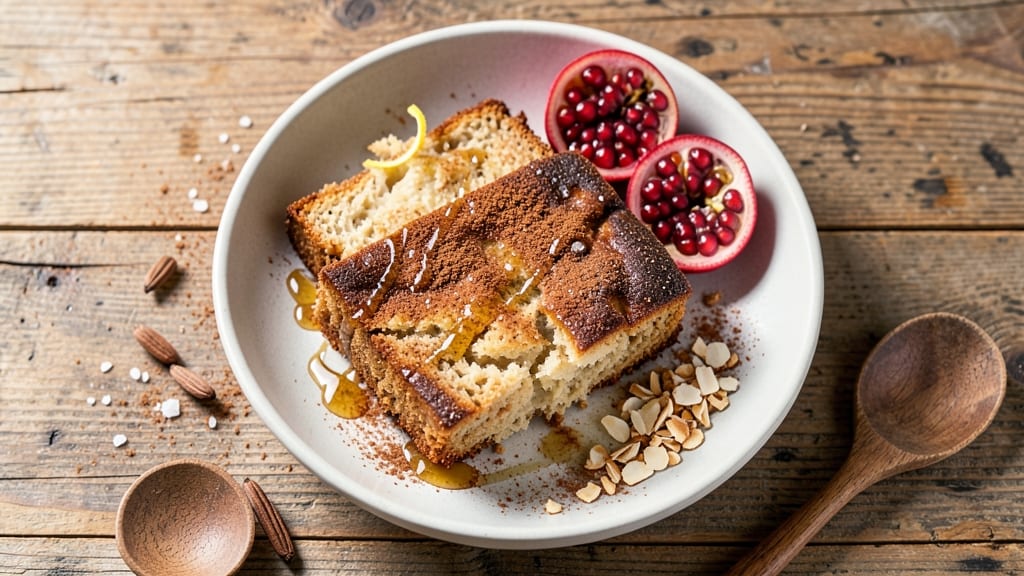
This African rice bread recipe brings the comforting aroma of West African kitchens to your home, where nutty rice flour meets warm spices for a bread that's both hearty and delicate.
The secret lies in balancing rice flour's natural sweetness with just enough yeast and baking powder to create a loaf with a golden crust and a tender, spiced crumb that pairs perfectly with stews or soups.
I developed this recipe after years of perfecting the texture—no more dense, heavy loaves that crumble when sliced.
The beauty of African rice bread is its versatility—it works as a side dish, a sandwich base, or even a breakfast roll when toasted.
The combination of rice flour and all-purpose flour gives it a slightly chewy texture with a hint of nutty flavor, while cinnamon and nutmeg add warmth that makes every bite inviting.
Unlike traditional yeast breads, this recipe relies on a foolproof method that ensures consistent results, whether you're a seasoned baker or just starting out.
What sets this bread apart is the way the spices infuse the dough during proofing, creating layers of flavor that develop as it bakes. The result is a loaf with a crisp exterior and a soft, aromatic interior, perfect for soaking up rich sauces or spreading with butter.
The best part? It keeps well at room temperature for days, making it ideal for meal prep or gifting.
Ready to bake? This recipe delivers restaurant-quality African rice bread with just a few simple ingredients and 30 minutes of active time, plus an hour of rising. The key is patience—letting the dough rise properly ensures that golden crust and tender crumb you're craving. Let's get started!
Ingredients for african rice bread
Six simple ingredients transform into a fragrant, spiced loaf with golden crust perfection.
| Ingredient | Amount | Notes |
|---|---|---|
| Rice Flour 🌾 | 2 cups | Fine grind for best texture |
| All-Purpose Flour 🌾 | 1 cup | For structure and chewiness |
| Active Dry Yeast 🍞 | ½ tsp | Ensure yeast is fresh |
| Granulated Sugar 🍚 | 1 tbsp | Feeds yeast for rising |
| Salt 🧂 | 1 tsp | Kosher or sea salt preferred |
| Ground Cinnamon 🌿 | 1 tsp | Warm spice for depth |
| Ground Nutmeg 🌿 | ½ tsp | Freshly grated preferred |
| Unsalted Butter 🧈 | ½ cup | Cold, cubed for dough |
| Large Eggs 🥚 | 1 whole | Room temperature for mixing |
| Warm Water 💧 | ¾ cup | 110°F for optimal yeast activation |
| Baking Powder 🍞 | 1 tsp | For light, airy texture |
| Honey 🍯 | 1 tbsp | Adds subtle sweetness |
The rice flour is non-negotiable here—Bob's Red Mill or Anthony's Goods brands deliver the finest grind for that signature nutty flavor. If you can't find rice flour locally, Asian grocery stores often carry it in bulk. The cinnamon and nutmeg should be freshly ground if possible, as pre-ground spices lose potency quickly. For the butter, Plugrá or Land O'Lakes unsalted sticks work perfectly, but avoid salted versions. The yeast must be fresh—test it by dropping a pinch in warm water with sugar; if it bubbles within 5 minutes, it's active.
No rice flour? Substitute half with all-purpose flour, but expect a denser texture. Short on cinnamon? Cardamom or ginger at the same amount adds warmth. The honey can be swapped for maple syrup if you prefer, though it adds a different depth. For a richer dough, replace half the water with whole milk. The baking powder is crucial—Aluminum-free brands like Bob's Red Mill ensure proper rising. If your kitchen is cold, consider proofing the dough in a warm oven with the light on for consistent results.
This loaf keeps beautifully at room temperature for 3-4 days wrapped in a clean kitchen towel. For longer storage, freeze portions in airtight bags for up to 3 months. Toast slices for breakfast rolls—they develop a crispy exterior while staying soft inside. The bread reheats well in a 350°F oven for 5-10 minutes to restore its freshness. Portion the dough before baking for perfect individual loaves.
Why You'll Love This Recipe
- No Yeast Fuss: I swear by this recipe because it’s the only bread I make that doesn’t demand a yeast ritual. Toss in the active dry yeast with warm water and sugar, let it sit for 10 minutes—that’s it. No waiting hours for it to bloom, no second-guessing if it’s alive. The rice flour gives it a tender crumb without the usual kneading headache.
- Sweet-Savory Magic: That little pinch of sugar in the dough? It’s not about making it dessert—it’s about balancing the earthy rice flour with a subtle caramel note when baked. Toast a slice, slather with butter, and you’ve got a breakfast that tastes like a treat. (Yes, even on a Tuesday night.)
- Leftovers That Last: This bread stays fresh for days if you wrap it tightly, but honestly? It’s so good that I often freeze half the batch. Pop a frozen slice into the toaster, and it’s like it was just baked—no sad, rubbery texture here. My kids’ school lunches get a serious upgrade with these.
- Budget-Friendly Staple: Rice flour and all-purpose flour are cheap, and a single batch stretches to feed four for breakfast or a snack. I’ve made this for potlucks, game days, and lazy Sundays—it’s the one thing I always have on hand. Plus, no fancy ingredients mean no excuses not to bake.
Step-by-step instructions for African rice bread
Here's how to create a perfectly spiced, nutty crumb with a golden crust every time.
Activate the Yeast and Mix Wet Ingredients
In a small bowl, combine the 0.75 cup warm water (around 110°F) with the 0.5 tsp active dry yeast and 1 tbsp granulated sugar. Let this sit for 5-10 minutes until it becomes frothy and bubbly—this confirms your yeast is alive and ready to work. If it doesn't bubble, your yeast may be inactive.
In a separate large bowl, beat the 1 whole large egg until smooth, then whisk in the 1 tbsp honey and the yeast mixture. This creates a base that will help create a tender crumb. The honey adds subtle sweetness while also feeding the yeast for better rise.
Combine Dry Ingredients and Incorporate Butter
In a medium bowl, sift together the 2 cups rice flour, 1 cup all-purpose flour, 1 tsp salt, 1 tsp ground cinnamon, 0.5 tsp ground nutmeg, and 1 tsp baking powder. Sifting prevents lumps and ensures even distribution of the spices, which is crucial for that authentic African flavor profile.
Cut the 0.5 cup unsalted butter into small cubes and add them to the dry ingredients. Using a pastry cutter or your fingers, work the butter into the flour mixture until it resembles coarse crumbs with pea-sized butter pieces remaining. This creates pockets of fat that will create a tender, flaky texture when baked.
Form the Dough and First Rise
Gradually add the dry flour mixture to the wet ingredients, mixing just until combined. The dough will be sticky but shouldn't require excessive flour—resist the urge to add more as this can make the bread dense. Knead the dough gently for 2-3 minutes until it comes together in a cohesive mass.
Shape the dough into a round loaf and place it in a lightly greased bowl. Cover with a damp towel and let it rise in a warm place for 1-1.5 hours, or until it has nearly doubled in size. You'll know it's ready when you poke it gently and the indentation springs back slowly. This proofing step develops the gluten structure and creates that signature tender crumb.
Shape and Second Rise
Punch down the risen dough to release any air bubbles, then shape it into a round loaf again. Place it on a parchment-lined baking sheet and cover loosely with plastic wrap. Let it rise for another 30-45 minutes until it's puffy and has expanded noticeably. This second rise ensures proper oven spring for that tall, domed shape characteristic of African rice bread.
Preheat your oven to 375°F during the final rise. The dough should be ready when it's just about ready to go into the oven—don't let it overproof or it may collapse during baking. The warm oven will help create that perfect golden crust we're aiming for.
Bake to Golden Perfection
Bake the loaf for 30-35 minutes, rotating the pan halfway through, until the top is deep golden brown and sounds hollow when tapped on the bottom. The bread should register 190-200°F internally. If the top browns too quickly, tent it loosely with foil to prevent over-browning while the interior finishes baking.
Remove from the oven and let cool on a wire rack for at least 15 minutes before slicing. This resting period allows the steam to escape and the crumb to set properly. The bread should have a crisp golden crust with a tender, nutty interior that's lightly sweet from the honey and spices. Serve warm for the best texture and flavor experience.
Pro Tips For Making African Rice Bread
- Bloom the Yeast First: Skip mixing yeast into dry ingredients—proof it in warm milk or water with a pinch of sugar first. This guarantees it’s active before baking, or you’ll end up with dense, flat bread that tastes like cardboard. (Yes, I’ve made that mistake.)
- Sift the Rice Flour: Rice flour clumps like glue if you just dump it in. Sift it through a fine-mesh sieve with the all-purpose flour to avoid gummy, uneven texture. I learned this the hard way when my first batch turned out like a sad, sticky brick.
- Don’t Over-Knead: This dough is delicate—knead just until smooth (about 5 minutes by hand). Overwork it, and the rice flour will make it tough and dry. Think "gentle but thorough," not "punch it like pizza dough."
- Steam the Loaf: Pop a metal bowl of boiling water in the oven with your bread for the first 15 minutes. The steam keeps the crust from drying out too fast, giving you that soft, pillowy texture inside. (Your oven’s broiler is your enemy here—save it for toasting slices later.)
Regional styles of this recipe
West African Jollof-Inspired
This variation swaps the nutmeg for 1 tsp smoked paprika and adds 1 tbsp tomato paste to the wet ingredients, creating a deeper, slightly smoky flavor reminiscent of Jollof rice. Use 1 cup long-grain rice flour instead of white rice flour for a more authentic texture.
For extra richness, replace ½ cup of the water with chicken or vegetable broth during mixing. 🌶️
To elevate it further, brush the baked loaf with a mix of 2 tbsp melted butter and 1 tsp garlic powder while still warm. This version pairs beautifully with West African stews or grilled meats. The paprika adds warmth that complements the bread's natural sweetness perfectly.
Ugali-Inspired Cornbread
For a unique twist, replace 1 cup of the rice flour with 1 cup cornmeal and add ½ tsp baking soda to the dry ingredients. This creates a denser, slightly crumbly texture similar to Ugali but with the bread's signature spice profile.
Use 1 cup whole milk instead of water for a richer dough. 🌽
The result is a bread with a nutty, slightly sweet crumb that's perfect for breakfast or as a side. Toast slices lightly for a crispy exterior that contrasts beautifully with the soft interior.
This version works well with African porridges or as a base for open-faced sandwiches with peanut butter and honey.
Sweet Cinnamon Swirl
For a dessert-style bread, fold ½ cup raisins or chopped dates into the dough after the first rise. Add 1 extra tsp cinnamon and create a swirl by mixing 2 tbsp brown sugar with 1 tbsp melted butter, then brushing it over the shaped loaf before baking. 🍯
This variation has a caramelized top with pockets of sweetness throughout. Serve warm with a dusting of powdered sugar or a drizzle of honey. It's perfect for breakfast or as a sweet treat with coffee. The raisins add chewy texture that balances the bread's tender crumb.
Savory Herb Version
Swap the cinnamon and nutmeg for 1 tsp dried thyme and 1 tsp dried rosemary, then add 2 tbsp chopped fresh parsley to the dough. This creates a herb-forward bread with an earthy flavor that pairs well with roasted meats or Mediterranean dishes. 🌿
For extra depth, mix 1 tbsp olive oil into the wet ingredients instead of butter. The herbs infuse beautifully during baking, creating a fragrant loaf that's perfect for sandwiches or as a side. The texture remains tender but develops a crisp golden crust that's ideal for dipping in olive oil.
Gluten-Free Adaptation
Replace the all-purpose flour with 1 cup gluten-free 1:1 baking flour (like Bob's Red Mill) and add ½ tsp xanthan gum to the dry ingredients. Use 1 extra tbsp honey to help bind the dough. This version maintains the bread's nutty flavor while being safe for gluten-sensitive diets. 🌾
The texture will be slightly denser but still tender. For best results, let the dough rise for 10-15 minutes longer during proofing. Serve warm with butter or jam—it's just as delicious as the original but with a lighter, airier crumb.
The spices still shine through, making it a great alternative for those avoiding gluten.
Nutrition facts
Frequently asked questions
Why does this African-inspired bread use rice flour?
The rice flour gives this bread its signature nutty flavor and slightly chewy texture that sets it apart from traditional yeast breads. It also creates a tender crumb that pairs beautifully with rich stews and soups. The combination with all-purpose flour provides structure while keeping the bread light and airy.
Can I make this bread without a stand mixer?
This recipe is designed to be mixed by hand. After combining wet and dry ingredients, simply knead the dough for 2-3 minutes by hand until it comes together. The dough will be sticky but shouldn't require extra flour—just wet your hands slightly to prevent sticking.
What's the best way to store leftover African rice bread?
Wrap cooled bread in a clean kitchen towel or place in an airtight container to keep it fresh for 3-4 days at room temperature. For longer storage, freeze portions in airtight bags for up to 3 months. To revive, toast slices in a 350°F oven for 5-10 minutes or warm in a toaster.
My bread turned out dense—what went wrong?
Dense bread usually means one of two things: either the yeast didn't activate properly (check your water temperature—it should be 110°F), or you added too much flour during mixing. The dough should be sticky but manageable—resist the urge to add extra flour. Also ensure you gave it proper rising time (both 1-1.5 hours first rise and 30-45 minutes second rise).
Can I make this bread without butter?
Yes, but the texture will be slightly less tender. Replace the butter with ½ cup neutral oil (like vegetable or canola) or ½ cup Greek yogurt for moisture. If using oil, expect a slightly denser crumb, while yogurt will add subtle tanginess. For best results, use 1 tbsp melted coconut oil if you want to keep it dairy-free but maintain some richness.