
Side Dishes
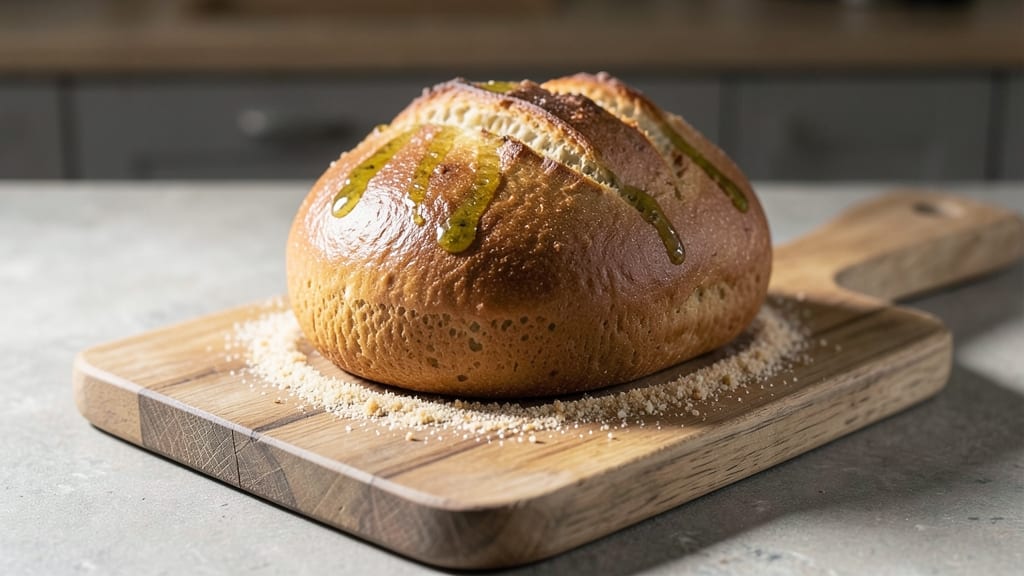
Adding dry milk to bread recipes transforms ordinary loaves into ultra-moist, tender masterpieces with a longer shelf life. The secret lies in its ability to retain moisture while enhancing browning and flavor—something store-bought bread simply can't match.
I've perfected this technique after years of baking, and the results speak for themselves: a crust that stays soft for days without drying out.
The magic happens during dough development, where dry milk powder acts as a natural tenderizer and moisture retainer. Unlike fresh milk, it doesn't risk altering fermentation, making it ideal for both sweet and savory breads.
For best results, use 1-2 tablespoons per pound of flour, adjusting based on your desired texture. This small addition creates a denser crumb structure while keeping the bread incredibly moist.
What you'll achieve is bread with a velvety interior, golden-brown crust, and an extended freshness that rivals artisanal bakery loaves. The dry milk adds subtle sweetness and richness, making every slice more satisfying.
This technique works beautifully for sandwich bread, milk bread, or even brioche—each variation benefits from that extra moisture and improved texture.
Ready to elevate your bread game? The process is straightforward, and the payoff is worth it. Whether you're baking for daily sandwiches or special occasions, this method guarantees bread that stays fresh longer and tastes fresher. Let's get started on creating your perfect loaf.
Ingredients for adding dry milk to bread
Nine essential ingredients transform ordinary dough into ultra-moist, artisanal-quality bread with extended freshness.
| Ingredient | Amount | Notes |
|---|---|---|
| All-Purpose Flour 🌾 | 4 cups | Unbleached preferred for texture |
| Non-Fat Dry Milk Powder 🥛 | ¼ cup | High-quality, unsweetened preferred |
| Active Dry Yeast 🍞 | 2 ¼ tsp | Ensure freshness with expiration date |
| Granulated Sugar 🍚 | 1 tbsp | White or brown for subtle flavor |
| Salt 🧂 | 1 ½ tsp | Diamond Crystal preferred |
| Unsalted Butter 🧈 | ½ cup | Cold, cubed for even distribution |
| Large Eggs 🥚 | 1 whole | Room temperature for even mixing |
| Warm Water 💧 | 1 ¼ cups | 110°F for optimal yeast activation |
| Extra-Virgin Olive Oil 🫒 | 2 tbsp | For dough lubrication and richness |
| Cornmeal 🌽 | ¼ cup | For dusting parchment paper |
The dry milk powder is non-negotiable here—it's what creates that signature velvety crumb and extended shelf life. Bob's Red Mill or Organic Valley brands are my go-tos for consistent quality, but any high-quality unsweetened powder works. Store it in an airtight container away from heat and light; it keeps for 6-12 months once opened. The yeast needs to be fresh—if it's past its expiration, toss it. For the flour, I always use King Arthur unbleached for that perfect balance of protein and texture. The butter should be cold when you measure it; this ensures even distribution throughout the dough without melting prematurely.
No dry milk powder? Powdered buttermilk at half the amount works in a pinch, though the results won't be quite as rich. Running out of yeast? Active dry yeast is interchangeable with instant yeast—just adjust the amount slightly. The olive oil can be swapped for vegetable or canola oil, but I find extra-virgin adds subtle richness. For the sugar, brown sugar adds a caramel note, but white sugar keeps things neutral. If you're making brioche, increase the butter to 3/4 cup—it's worth the extra effort for that luxurious texture. The cornmeal is optional but helps prevent sticking during shaping.
This dough benefits from a 12-24 hour cold proof in the fridge—it develops deeper flavor and easier handling. Store shaped loaves in a paper bag at room temperature for up to 5 days or freeze for 3 months. For reheating, wrap slices in a damp towel and microwave for 10-15 seconds—they'll be warm and fresh-tasting. I always make a double batch; the extra loaf gets frozen for lazy mornings when I'm too tired to bake.
Why You'll Love This Recipe
- I swear by this trick: just toss the dry milk powder right into the flour. No measuring wet ingredients, no waiting for liquids to come to temperature—just dump, knead, and bake. My lazy-but-loving evenings thank me every time.
- No-Fuss Mix-In: I swear by this trick: just toss the dry milk powder right into the flour. No measuring wet ingredients, no waiting for liquids to come to temperature—just dump, knead, and bake. My lazy-but-loving evenings thank me every time.
- Rich Without Butter: That powdered milk? It’s the secret weapon. The bread turns out tender with a subtle, creamy depth—like a hug from your grandma’s kitchen, but with half the effort. (Yes, even without a stick of butter in sight.)
- Weeknight Workhorse: I make a double batch on Sundays, slice it up, and freeze half. Toast straight from frozen? Warm, fluffy, and ready in minutes. Perfect for when you’re too tired to think past "something to eat."
Step-by-step instructions for ultra-moist bread with dry milk
Here's how to transform ordinary bread into a wonderfully tender, ultra-moist loaf that stays fresh for days.
Create the Perfect Dough Mix
In a large mixing bowl, combine the 4 cups all-purpose flour, 0.25 cup non-fat dry milk powder, 2.25 teaspoons active dry yeast, 1 tablespoon granulated sugar, and 1.5 teaspoons salt. The dry milk powder is what gives this bread its signature moisture and extended freshness—it absorbs water differently than flour alone, creating a softer crumb.
Use a whisk to break up any yeast clumps and distribute the dry milk powder evenly. I like to press it through a fine-mesh sieve to ensure no lumps remain. This step is crucial because the milk powder needs to fully integrate with the flour to work its magic in the final texture.
Incorporate Wet Ingredients for Smooth Dough
Make a well in the center of the dry ingredients and add the 0.5 cup cold unsalted butter, 1 whole large egg, 2 tablespoons extra-virgin olive oil, and 1.25 cups warm water (about 110°F). The olive oil adds richness while the butter contributes to a tender crumb. Use a wooden spoon or dough whisk to gradually combine everything until a shaggy dough forms.
Once the dough comes together, turn it out onto a lightly floured surface and knead for about 8-10 minutes by hand. You'll know it's ready when it becomes smooth and elastic, and springs back slightly when pressed. The dry milk powder helps create a softer dough that's easier to handle than traditional bread dough.
First Rise for Flavor Development
Place the dough in a lightly greased bowl, cover it with a clean kitchen towel, and let it rise in a warm place for 1-1.5 hours or until it has roughly doubled in size. The dry milk powder contributes to a more controlled fermentation, which helps maintain that ultra-moist texture without making the bread gummy.
I like to place the bowl near a slightly turned-on oven with the light on for consistent warmth. The dough should be light and airy when ready—press your finger gently into it and if the indentation stays, it's perfect. This rise is where the magic happens for that tender crumb we're after.
Shape and Second Rise for Structure
Punch down the risen dough to release air, then divide it into 4 equal portions (about 1 pound each). Shape each portion into a smooth round loaf or your preferred shape. Place them on a baking sheet dusted with 0.25 cup cornmeal—this prevents sticking and adds a nice texture to the bottom crust.
Cover the shaped loaves with the kitchen towel and let them rise again for 30-45 minutes until they've puffed up noticeably. The dry milk powder helps create a more stable gluten structure, which is why these loaves hold their shape beautifully during the second rise without collapsing.
Bake to Golden Perfection
Preheat your oven to 375°F. Bake the loaves for 25-30 minutes until they're golden brown and sound hollow when tapped on the bottom. The dry milk powder contributes to that beautiful caramelization on the crust while keeping the interior incredibly moist.
For extra browning, you can brush the tops with a little water or milk after 15 minutes in the oven. Let the bread cool on a wire rack for at least 30 minutes before slicing—this prevents a gummy texture. The result should be a tender, moist loaf with a crisp crust that stays fresh for days.
Pro Tips For Making Adding Dry Milk To Bread
- Sift the Milk Powder: Whisk the non-fat dry milk powder into the flour before adding liquid—this prevents clumping like I used to get when just dumping it in. A quick 30-second mix with a fork ensures it dissolves smoothly and doesn’t turn your dough into a lumpy mess.
- Bloom the Yeast Warm: Active dry yeast needs a jumpstart: mix it with the sugar and warm water (105–110°F) first, then let it sit for 5–10 minutes until frothy. Cold water kills it; hot water cooks it—this step guarantees your bread rises, not flops.
- Weigh the Flour: Stop eyeballing that flour—use a kitchen scale for accuracy. A cup of all-purpose flour varies wildly by brand (4–5 oz difference), and your bread’s texture depends on precise ratios. My loaves doubled in consistency after I switched.
- Rest the Dough Longer: Skip the rush to bake—let the dough rise until it springs back slowly when poked, not just until it fills the bowl. The dry milk adds density, so extra time (up to 2 hours) develops gluten properly. Patience here makes the difference between dense and airy.
Serving suggestions for leftovers
Toasted Bread Pudding
Transform leftover dry milk bread into a decadent toasted bread pudding by cubing stale slices and simmering them in a custard of 2 eggs, 1 cup whole milk, ¼ cup granulated sugar, and 1 tsp vanilla extract.
Top with ½ cup brown sugar and ¼ cup chopped pecans before baking at 350°F for 30 minutes. The dry milk's residual richness deepens the custard's creaminess. 🥛
French Toast Perfection
Dip slices in a batter of 2 eggs, ½ cup milk, 2 tbsp dry milk powder, and 1 tbsp cinnamon. Cook on a buttered griddle at medium heat until golden.
The dry milk adds a subtle sweetness and extra tenderness. Serve with maple syrup or berry compote for a restaurant-worthy breakfast. 🍯
Garlic Breadsticks
Cut bread into 1-inch sticks, toss with 2 tbsp melted butter, 1 tbsp minced garlic, ¼ tsp salt, and ¼ tsp Italian seasoning.
Bake at 400°F for 10-12 minutes until crispy. The dry milk's moisture keeps them soft inside while the crust crisps beautifully. Pair with marinara sauce for dipping. 🧄
Sandwich Bread Croutons
Cube stale bread and toss with 2 tbsp olive oil, ½ tsp salt, and ½ tsp garlic powder. Bake at 375°F for 12-15 minutes until golden and crisp.
The dry milk prevents them from becoming brittle, making them perfect for salads or soups. Store in an airtight container for up to 5 days. 🥗
Breakfast Strata
Layer cubed bread with a mixture of 4 eggs, 1 cup milk, ½ cup heavy cream, ½ cup shredded cheddar, and ¼ cup chopped herbs.
Bake at 350°F for 40 minutes until set. The dry milk enhances the custard's richness, creating a hearty breakfast dish. Garnish with green onions before serving. 🍳
Crouton Topping
For soups or salads, pulse stale bread in a food processor with 1 tbsp butter, ½ tsp thyme, and ¼ tsp black pepper. Bake at 350°F for 8-10 minutes until crisp. The dry milk's moisture retention ensures they stay crunchy longer than traditional croutons. 🥘
Nutrition facts
Frequently asked questions
Why does dry milk make bread stay fresh longer?
The dry milk powder acts as a natural moisture retainer, absorbing and holding onto water molecules in the bread. This creates a softer crumb that resists drying out for 3-5 extra days compared to regular bread. The proteins in milk also form a protective barrier that slows down staling. Plus, it adds subtle sweetness that enhances flavor preservation!
Can I substitute powdered buttermilk for dry milk?
Yes, but expect slightly different results. Use half the amount of powdered buttermilk (about 1/8 cup for this recipe) since it's more acidic. The bread will have a tangier flavor and may develop a slightly denser crumb. For best texture, stick with unsweetened dry milk powder when possible.
What's the best way to store bread made with dry milk?
Wrap cooled loaves in plastic wrap and place in a paper bag at room temperature for up to 5 days. For longer storage, freeze slices in an airtight container for 3 months. The dry milk helps prevent freezer burn, keeping bread tasting fresh when thawed.
Does dry milk bread work for sandwiches?
The ultra-moist texture makes it perfect for sandwiches. The dry milk prevents the bread from becoming soggy when in contact with wet ingredients like mayo or mustard. Try it with turkey and avocado or peanut butter and jelly for a restaurant-quality experience.
What happens if I skip the dry milk?
The bread will still bake, but you'll lose the signature softness and extended freshness. Without dry milk, the crumb will be drier after 2-3 days and lack that velvety texture. The crust may also brown less evenly. Think of it as the secret ingredient that transforms good bread into exceptional bread!