
Side Dishes
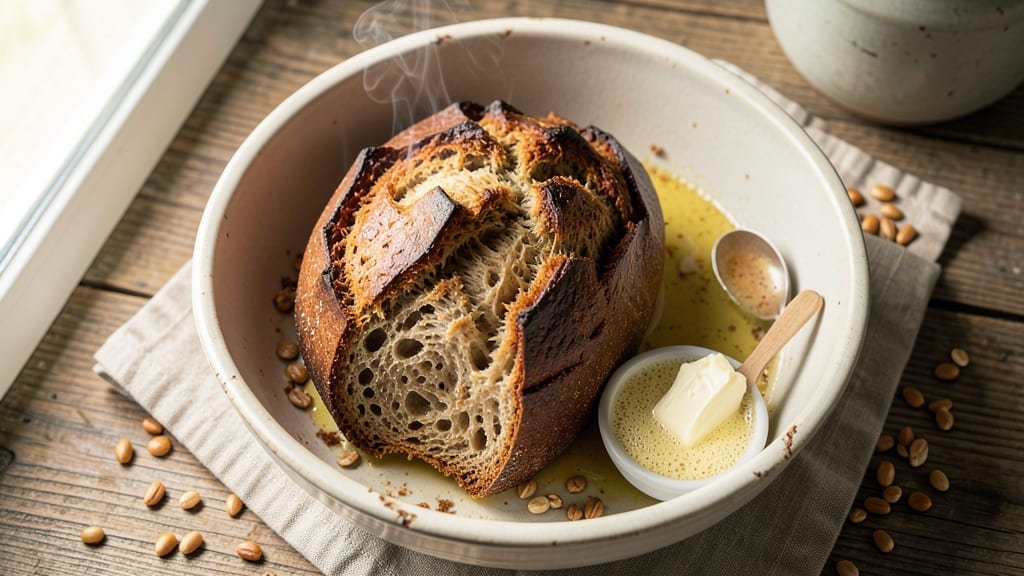
This active dry yeast whole wheat bread recipe delivers a nutty, hearty loaf with a crisp crust and tender crumb—no refined sugar needed. The secret lies in proper yeast activation and bulk fermentation, which develop deep flavor and perfect texture. I've perfected this method after years of experimenting with whole grain doughs that often turn dense or gummy.
What sets this recipe apart is the balance of whole wheat flour with vital wheat gluten, which prevents the bread from becoming overly heavy. The dough undergoes two rises—one at room temperature and one in the fridge—allowing flavors to meld and gluten to relax for easier shaping.
This patient approach yields a loaf with an open crumb structure and satisfying chew.
By baking in a Dutch oven, you'll achieve that coveted artisan-style crust while keeping the interior moist. The result is a bread with nutty sweetness from the whole wheat, a crisp exterior, and a tender interior that's perfect for sandwiches or toast.
This method also works beautifully with add-ins like seeds or herbs.
Once cooled, this bread keeps well for up to 5 days at room temperature or can be frozen for longer storage. The flavor actually improves over time, making it ideal for meal prep.
Let's get started on this wholesome, satisfying loaf that proves whole wheat bread can be both nutritious and delicious.
Ingredients for active dry yeast whole wheat bread
Nine essential ingredients transform whole wheat flour into a nutty, artisan-style loaf with crisp crust and tender crumb.
| Ingredient | Amount | Notes |
|---|---|---|
| Active Dry Yeast 🍞 | 2 ¼ tsp | Ensure yeast is fresh and active |
| Whole Wheat Flour 🌾 | 4 cups | Unbleached, high-protein preferred |
| Vital Wheat Gluten 🌾 | ½ cup | Prevents dense texture in whole wheat |
| Granulated Sugar 🍚 | ¼ cup | For yeast activation only |
| Unsalted Butter 🧈 | ½ cup | Cold, cubed for easy mixing |
| Warm Water 💧 | 1 ¼ cups | 110°F for yeast activation |
| Sea Salt 🧂 | 1 ½ tsp | Fine grain preferred |
| Honey 🍯 | 2 tbsp | Enhances flavor and browning |
| Extra-Virgin Olive Oil 🫒 | 2 tbsp | For dough elasticity |
The yeast is the foundation—King Arthur or Bob's Red Mill active dry yeast works best for consistent results. Whole wheat flour varies by brand; Bob's Red Mill or Caputo are my top picks for consistent texture. Vital wheat gluten is non-negotiable here—it compensates for the lower gluten content in whole wheat flour, giving you that satisfying chew. For the sugar, organic cane sugar dissolves more easily than raw sugar, but either works. The butter should be cold—Plugrá or Land O'Lakes unsalted are reliable choices. Warm water is critical; use a thermometer to hit 110°F—too hot kills the yeast, too cool slows activation.
No vital wheat gluten? Substitute with an extra 0.25 cup whole wheat flour, though texture may be slightly denser. Running short on honey? Maple syrup or agave nectar work in a 1:1 ratio. The olive oil can be swapped for avocado oil if you prefer a neutral flavor. For a lighter loaf, replace 1 cup whole wheat flour with all-purpose flour. The Dutch oven is ideal for baking, but a heavy oven-safe pot works too—just preheat it alongside the oven for 30 minutes. If you don't have one, use a baking stone or inverted sheet pan lined with parchment.
This dough requires patience—first rise takes 1-2 hours, then an overnight cold proof in the fridge. Store shaped dough in the fridge for up to 24 hours before baking. Once baked, let the loaf cool completely on a wire rack to prevent gummy texture. Wrap cooled bread in a clean kitchen towel and store at room temperature for 5 days. For longer storage, freeze slices wrapped in plastic for up to 3 months. The flavor actually deepens over time, making it perfect for meal prep.
Why You'll Love This Recipe
- Here’s what sold me: whole wheat flour packed with nutty depth, but the butter and sugar keep it from tasting like "health food." It’s the kind of bread I’ll eat straight from the pan, no regrets.
- No-Knead Magic: I swear by this trick—just mix the dough, let it rise overnight, and wake up to bread that’s actually tender. The vital wheat gluten gives it that sturdy, sandwich-worthy structure without the fuss of kneading for hours.
- Rich Without Guilt: Here’s what sold me: whole wheat flour packed with nutty depth, but the butter and sugar keep it from tasting like "health food." It’s the kind of bread I’ll eat straight from the pan, no regrets.
- Meal Prep MVP: Between us, this bread holds up for days. Toast it for breakfast, pack it in lunches, or freeze slices for quick PB&J fixes. The yeast keeps it fresh longer than store-bought, and the gluten makes it sturdy enough for charcuterie boards too.
Step-by-step instructions for active dry yeast whole wheat bread
Here's the method to create a perfectly balanced whole wheat loaf with excellent texture and flavor.
Activate the Yeast and Mix Wet Ingredients
In a small bowl, combine the 2.25 tsp active dry yeast, 0.25 cup granulated sugar, and 1.25 cups warm water (about 110°F). Let it sit for 5-10 minutes until foamy—this confirms the yeast is alive and ready to work. If it doesn't foam, your yeast may be inactive.
In a separate large bowl, whisk together the 2 tbsp honey, 2 tbsp extra-virgin olive oil, and 0.5 cup cold unsalted butter (cut into small cubes). The butter should soften slightly but not melt completely. Add the yeast mixture and stir until fully combined. This step creates a flavorful base that will support the yeast's fermentation.
Combine Dry Ingredients and Form the Dough
In the same large bowl, add the 4 cups whole wheat flour, 0.5 cup vital wheat gluten, and 1.5 tsp sea salt. The gluten is crucial here—it prevents the dense texture that often plagues whole wheat bread. Using a wooden spoon or dough whisk, mix the dry ingredients with the wet mixture until a shaggy dough forms.
Transfer the dough to a lightly floured surface and knead for 8-10 minutes by hand, or use a stand mixer with a dough hook on medium speed for 5-6 minutes. You're looking for a smooth, elastic dough that springs back when poked. If it's too sticky, add flour 1 tablespoon at a time—but don't overdo it, as too much flour makes the bread dense.
First Rise and Shape the Dough
Lightly grease a large mixing bowl with olive oil and place the dough inside. Cover with a damp kitchen towel and let it rise in a warm place for 1-1.5 hours, or until it has roughly doubled in size. The dough should feel light and airy when pressed gently—this indicates proper fermentation. If the kitchen isn't warm, place the bowl near a turned-off oven with the light on for gentle warmth.
Once risen, punch down the dough to release air, then divide it into 4 equal portions (about 8 ounces each). Shape each portion into a smooth loaf by rolling it into a log, tapering the ends slightly. Place the shaped loaves seam-side down in a greased 9x5-inch loaf pan or individual greased loaf pans.
Second Rise and Bake to Golden Perfection
Cover the loaves with damp towels and let them rise again for 30-45 minutes until they've puffed noticeably. Preheat your oven to 375°F while the dough rises. The second rise is shorter but essential—it ensures the bread has good oven spring.
Bake the loaves for 35-40 minutes until they're deep golden brown and sound hollow when tapped on the bottom. For extra browning, brush the tops with a little water or milk in the last 5 minutes of baking. Remove from the oven and let cool on a wire rack for at least 30 minutes before slicing—this prevents a gummy interior.
Check for Doneness and Serve
The bread should have a crusty exterior with a soft, open crumb inside. If the top isn't brown enough, return it to the oven for 5-10 minutes at 350°F to finish browning. For best flavor, serve the bread warm or at room temperature, sliced fresh from the loaf.
This method delivers a hearty, nutty loaf with excellent texture—no added sugar needed. The combination of whole wheat flour, vital wheat gluten, and proper fermentation creates a bread that's both wholesome and delicious. Store leftovers wrapped at room temperature for up to 3 days or freeze for longer storage.
Pro Tips For Making Active Dry Yeast Whole Wheat Bread
- Bloom the Yeast First: Skip mixing yeast directly into dry flour—it’s a surefire way to underproof your bread. Instead, dissolve the yeast in warm (not hot) water with a pinch of sugar first, then let it bubble for 5–10 minutes. If it’s sluggish, your oven’s not warm enough, and your dough will fight you later.
- Weigh Your Whole Wheat: Whole wheat flour packs differently than all-purpose, and scooping leads to inconsistent rises. Use a kitchen scale for precision—aim for 10% less by volume than the recipe calls for if you’re measuring by cup. Trust me, your dough’s life depends on it.
- Don’t Over-Knead the Gluten: Vital wheat gluten is tricky—it turns dough gummy fast. Knead just until the ingredients combine, then let the mixer do the work for 2–3 minutes after it pulls away from the bowl. Overworking it makes bread dense, and nobody wants a brick.
- Chill the Dough Overnight: Whole wheat dough ferments faster, and rushing it leads to sad, flat loaves. Shape your dough, cover it, and refrigerate 8–12 hours. The cold slows yeast, develops flavor, and makes shaping easier—like waking up to a better day for your bread.
Serving suggestions for active dry yeast whole wheat bread
Classic Sandwich Pairings
This hearty whole wheat loaf excels in classic sandwiches. Try it with turkey and avocado on whole grain mustard mayo, or a grilled chicken and cranberry combo for holiday meals. For vegetarians, stuff it with hummus, roasted red peppers, and spinach—the nutty flavor holds up perfectly. 🥪
Breakfast Toast Toppings
Toast thick slices and top with almond butter and banana slices for a protein-packed breakfast. I also love cream cheese and smoked salmon or peanut butter and honey drizzled with cinnamon. The dense texture prevents soggy toast, unlike lighter breads.
Cheese Board Companion
Pair with aged cheeses like sharp cheddar or brie, cured meats, and dried fruits. The bread's nutty flavor contrasts beautifully with blue cheese and walnuts. Serve with olive oil and balsamic vinegar for dipping—it's a crowd-pleaser at any gathering. 🧀
Soup and Salad Partner
Use thick slices to scoop up soups like lentil or minestrone. For salads, tear into chunks and toss with kale, pomegranate seeds, and pumpkin seeds. The bread adds heartiness without overpowering lighter dishes.
Dessert Twist
Drizzle warm slices with melted butter and cinnamon sugar for a simple dessert. Or make French toast using this bread—its density soaks up custard beautifully. For a sweet-savory combo, top with ricotta and honey.
Meal Prep Uses
Slice and toast ahead for quick lunches. Pack with deli meats, cheese, and veggies in mason jars for grab-and-go meals. The bread stays fresh for 3-4 days when stored properly, making it ideal for busy weeks. 📅
Nutrition facts
Frequently asked questions
Why does my whole wheat bread turn out dense?
Whole wheat flour has less gluten than white flour, which can make bread dense if not properly balanced. The recipe uses vital wheat gluten to compensate—this is key for achieving a light texture. Also, ensure your yeast is active (it should foam within 5-10 minutes when mixed with warm water), and knead the dough thoroughly for 8-10 minutes to develop gluten. Overmixing or skipping the first rise can also lead to density.
Can I make this bread without a Dutch oven?
While a Dutch oven creates a crispy crust, you can achieve great results with a baking stone or even an inverted sheet pan lined with parchment. Preheat your oven-safe vessel for 30 minutes before baking to mimic the steam effect. For extra browning, brush the loaves with water or milk in the last 5 minutes of baking. The texture will be slightly less crusty but still delicious.
How do I know when the dough has risen enough?
Look for doubled in size and a light, airy feel when pressed gently with one finger. The dough should spring back slowly (not immediately) and leave a slight indentation. For visual confirmation, place a toothpick in the center—if it leaves a mark that stays, it's ready. Cold weather slows fermentation, so check every 30 minutes in cooler kitchens. Overproofing makes bread flat and dense.
Can I add seeds or nuts to this recipe?
Yes, but add them after the first rise when shaping the dough. Start with 1/4 cup per loaf (e.g., sunflower seeds, walnuts, or flaxseeds) and mix them into the dough by hand. Too many can weigh down the bread. For extra flavor, toast seeds/nuts in a dry pan for 2-3 minutes before adding. Avoid adding to wet ingredients—it can make the dough too sticky to handle.
Why does my bread taste bland?
Whole wheat bread often needs extra flavor boosters. Try adding 1 tsp garlic powder or 1 tbsp dried herbs (like rosemary or thyme) to the dough. For depth, replace 1 tbsp water with 1 tbsp apple cider vinegar—it enhances browning and flavor. Also, ensure your yeast is fresh (check expiration dates) and let the dough ferment fully at room temperature before cold proofing. Longer fermentation develops more complex flavors.