
Side Dishes
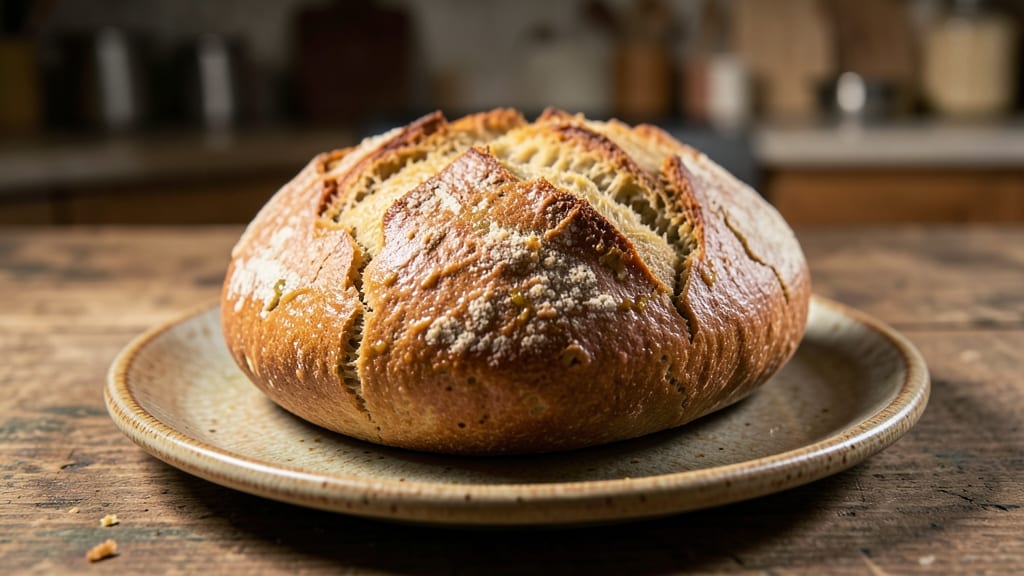
This acorn flour bread recipe transforms humble pantry ingredients into a loaf with nutty depth and crusty complexity—perfect for those craving something beyond standard bread.
The secret lies in acorn flour's earthy undertones, which develop beautifully when baked at high heat, creating a crust that crackles with every bite while maintaining a tender crumb.
Unlike conventional breads, this version delivers a subtle bitterness that pairs beautifully with sweet jams or rich nut butters, making it a standout for breakfast or sandwiches.
The process is straightforward but requires patience—hydrating the dough properly and allowing time for fermentation ensures a light, airy texture despite the dense flour. Whether you shape it into a classic loaf or free-form boule, the result is a bread that feels restaurant-quality without the fuss.
For extra shine, brush the baked loaf with aquafaba or olive oil while still warm, enhancing its golden crust and adding a touch of elegance.
What sets this recipe apart is its adaptability. Use a loaf pan for sandwiches, free-form shapes for artisanal appeal, or even small rolls for appetizers. The nutty flavor profile makes it ideal alongside roasted vegetables, soups, or as a base for open-faced sandwiches.
Each slice tells a story of texture—crispy crust giving way to a tender interior infused with acorn flour's unique character.
Ready in just under 3 hours (including fermentation), this bread is perfect for weekend baking projects. The key is monitoring the oven temperature closely to achieve that perfectly golden crust without over-browning.
Once cooled, store in an airtight container for up to 5 days, or freeze for longer shelf life. Let's get baking!
Ingredients for acorn flour bread
Six ingredients transform acorn flour's earthy depth into restaurant-quality crusty bread with tender crumb.
| Ingredient | Amount | Notes |
|---|---|---|
| Acorn Flour 🌾 | 3 ½ cups | High-quality, finely ground preferred |
| All-Purpose Flour 🌾 | 1 ½ cups | For structural support |
| Active Dry Yeast 🍞 | 2 ¼ tsp | Instant yeast works too |
| Granulated Sugar 🍚 | 1 ½ tbsp | Feeds yeast fermentation |
| Unsweetened Almond Milk 🥛 | 1 ¼ cups | Room temperature preferred |
| Extra-Virgin Olive Oil 🫒 | ½ cup | For richness and crust |
| Apple Cider Vinegar 🍎 | 1 tbsp | Activates gluten development |
| Diamond Crystal Kosher Salt 🧂 | 1 ½ tsp | Adjusts flavor balance |
| Ground Flaxseed 🌰 | 1 tbsp | Binds dough structure |
| Aquafaba 🥚 | ¼ cup | For egg-free shine |
| Water 💧 | ½ cup | Adjusts dough consistency |
Acorn flour is the star here—high-quality, finely ground makes all the difference. Bob's Red Mill or King Arthur brands deliver consistent texture, though smaller specialty shops often carry more artisanal options. The flour's natural bitterness develops beautifully when baked at high heat, creating that signature crusty complexity. For best results, store your acorn flour in an airtight container away from light—it oxidizes quickly, losing its nutty punch. The all-purpose flour acts as a structural support, preventing the dense acorn flour from making the bread too heavy.
No aquafaba? Olive oil or melted vegan butter brushed on the crust delivers similar shine, though aquafaba adds a subtle sheen. Substituting almond milk? Oat or soy milk works, but avoid coconut milk's strong flavor. For the flaxseed binder, chia seeds soaked in water (1 tbsp seeds + 3 tbsp water) is an equal swap. The apple cider vinegar is non-negotiable—it activates gluten development, giving the bread its signature chew. If you can't find it, white vinegar at half the amount works in a pinch. For extra nutty depth, consider adding 1 tbsp walnut or almond flour to the mix.
This dough ferments best at room temperature—75-78°F is ideal, though most kitchens work fine. Shape the loaf into a classic pan form or free-form boule for artisanal appeal. For longer storage, freeze the cooled loaf wrapped in parchment and plastic—up to 3 months. To revive, warm in a 200°F oven for 10 minutes. The bread's nutty flavor pairs beautifully with roasted vegetables, rich nut butters, or sweet jams, making it versatile for any meal.
Why You'll Love This Recipe
- No-Fuss Mix-In: I swear by the acorn flour’s earthy kick—it’s like autumn in every bite, but the dough comes together faster than you’d think. Just toss the dry ingredients, add the almond milk, and knead until smooth. No fancy techniques, just honest, satisfying bread.
- Earthy Sweet Crust: That caramelized crust? Pure magic. The acorn flour adds a subtle nuttiness that pairs perfectly with the yeast’s warmth, while the sugar just enhances the toasty depth. It’s the kind of bread that makes you pause mid-slice, wondering if you can eat the whole loaf.
- Weeknight Workhorse: This bread thrives on lazy nights—toss it in the oven while you prep dinner, and it’s ready when you are. Honestly, I’ve used it for breakfast toast, sandwiches, and even as a side for soups. It’s the one loaf that never lets me down, no matter the meal.
- Budget-Friendly Staple: Acorn flour might sound fancy, but a little goes a long way. Mixing it with all-purpose keeps costs low, and the yeast stretches the dough so it feeds a crowd. Plus, leftovers toast up like a dream—no waste, just more flavor for days.
Step-by-step instructions for acorn flour bread
Master this nutty, crusty loaf with precise technique and patience.
Activate the Yeast and Prepare Wet Ingredients
In a small bowl, combine the 1.25 cups unsweetened almond milk (warmed to 100-110°F), 1.5 tbsp granulated sugar, and 2.25 tsp active dry yeast. Let it sit for 5-10 minutes until foamy—this confirms your yeast is active. If it doesn't bubble, your yeast may be dead, and you'll need to start over.
In a separate large bowl, whisk together the 0.5 cup extra-virgin olive oil, 1 tbsp apple cider vinegar, and 0.25 cup aquafaba. The aquafaba will add shine and structure to the crust without eggs. Mix these ingredients thoroughly until emulsified—they'll form a slightly thick, creamy base for your dough.
Combine Wet and Dry Ingredients
Add the yeast mixture to the wet ingredients and stir to combine. In a separate bowl, sift together the 3.5 cups acorn flour and 1.5 cups all-purpose flour—this prevents lumps and ensures even distribution. Gradually add the dry ingredients to the wet mixture while stirring with a wooden spoon or dough whisk.
Once combined, sprinkle the 1.5 tsp diamond crystal kosher salt and 1 tbsp ground flaxseed over the dough. The flaxseed acts as a natural binder, replacing eggs while adding a subtle nutty depth. Mix until just combined—overmixing develops gluten too much, which can make the bread dense rather than airy.
Knead and Hydrate the Dough
Transfer the dough to a clean, lightly oiled surface and knead for 8-10 minutes until smooth and elastic. The acorn flour is dense, so the dough will be stickier than traditional bread dough. If it feels too dry, add the 0.5 cup water a tablespoon at a time until it comes together without cracking.
Here's the thing—acorn flour absorbs moisture differently. You want the dough to be slightly tacky but not wet. If it resists forming a cohesive ball, add a little more water. The goal is a dough that holds its shape but still feels pliable enough to stretch slightly when pulled.
First Rise and Shape the Loaf
Lightly oil a large mixing bowl, place the dough inside, and cover with a damp towel or plastic wrap. Let it rise in a warm place (75-80°F) for 1.5-2 hours, or until it has nearly doubled in size. The dough should feel springy when gently pressed—this indicates proper fermentation.
Once risen, punch down the dough to release air, then shape it into a 9x5-inch loaf pan (lightly greased with olive oil). Press the dough firmly into the corners of the pan to eliminate air pockets. Cover again and let it rise for another 30-45 minutes until it domes slightly above the pan.
Bake for Crusty Depth and Nutty Perfection
Preheat your oven to 375°F with a baking stone or inverted baking sheet on the middle rack. This creates steam for a crisp crust. Bake the loaf for 40-45 minutes, until the top is deep golden brown and sounds hollow when tapped. If the top browns too quickly, tent with foil to prevent burning.
For extra crustiness, brush the top with a mix of 1 tablespoon olive oil and 1 teaspoon water after 20 minutes in the oven. Let the bread cool in the pan for 10 minutes before transferring to a wire rack. The internal temperature should reach 190-200°F—this ensures a fully baked, moist crumb.
Pro Tips For Making Acorn Flour Bread
- Mix the Acorn Flour First: Acorn flour is dense and absorbs moisture like a sponge—don’t just toss it in with the other dry ingredients. Whisk it with the almond milk and a pinch of sugar before adding the rest, then let it sit for 5 minutes. This prevents clumps and ensures the yeast gets a smooth, hydrated start.
- Use Warm(ish) Almond Milk: Cold almond milk kills yeast faster than a snowball in July. Warm it to about 110°F (43°C)—just warm to the touch, not hot enough to make you wince. If you’re in a hurry, run the carton under warm water for 30 seconds, then check the temp.
- Skip the Over-Kneading: Acorn flour makes dough stickier than a toddler’s hands, and overworking it turns your bread into a chewy brick. Knead just until the dough pulls away from the bowl (about 5-6 minutes by hand), then let the gluten relax. Trust me, your bread will thank you.
- Proof Until It Jiggles: This dough rises slower than a sloth on a Sunday. Don’t rush it—wait until the dough springs back slowly when poked (about 1.5–2 hours at room temp). If it’s ready, the indent stays put. If not, give it another 30 minutes. Patience here = a lighter loaf.
Regional styles of acorn flour bread
Pacific Northwest Style
The Pacific Northwest's damp climate and love for foraged ingredients make acorn flour bread a natural fit here. Locally sourced acorn flour—often from black oak or white oak—adds a deeper earthiness that pairs beautifully with regional flavors.
Try adding 1 tbsp finely ground hazelnuts or cedar-plank smoked sea salt to the dough for a true PNW twist. Serve warm with local berry jam or smoked salmon for a breakfast or lunch that feels like a forest hike. 🌲
California Artisan Approach
California's artisanal bread scene thrives on bold flavors and natural ingredients, making acorn flour bread a perfect fit. For a West Coast touch, replace 1 tbsp of the all-purpose flour with walnut flour to enhance the nutty profile.
Brush the baked loaf with a mix of olive oil and balsamic glaze for a sweet-savory crust. Pair with avocado toast or fig spread for a brunch that feels both rustic and refined. The key here is balancing the acorn flour's bitterness with sweet or creamy toppings. 🌴
Southern Comfort Twist
In the South, bread often takes on a sweeter, richer profile—perfect for adapting acorn flour bread. Add 1 tbsp molasses or maple syrup to the dough for subtle sweetness, and finish with a sprinkle of coarse brown sugar before baking.
Serve with peanut butter and honey or sweet tea-infused jam for a Southern comfort classic. The acorn flour's earthiness complements the region's love of bold, sweet flavors beautifully. 🍯
Italian-Inspired Free-Form
For an Italian-inspired version, shape the dough into a boule or batard instead of a loaf pan. Dust the dough with semolina or cornmeal before baking for that classic Italian crust texture. Brush the baked bread with olive oil and fresh rosemary for an aromatic finish.
This style works wonderfully with tomato-basil sauces or as a side for roasted vegetables. The acorn flour's nutty depth adds a unique twist to traditional Italian flavors. 🍅
Modern Vegan Bakery Style
For a sleek, bakery-style loaf, use a pullman pan for an even rise and professional look. Add 1 tbsp ground flaxseed and 1 tbsp chia seeds to the dough for extra binding and texture. Brush the baked loaf with aquafaba glaze (whipped aquafaba + powdered sugar) for a glossy finish.
This style is perfect for vegan cafes or as a showstopper for brunch. Store in an airtight container for up to 5 days or freeze for longer shelf life. 💫
Nutrition facts
Frequently asked questions
Why does my acorn flour bread taste bitter?
Acorn flour naturally contains tannins that can create bitterness if not properly balanced. The key is using high-quality, finely ground acorn flour (like Bob's Red Mill) and balancing it with 1.5 cups all-purpose flour in this recipe. For extra depth, add 1 tbsp walnut flour or a pinch of maple syrup to mellow the flavor. Baking at 375°F also helps develop the nutty sweetness while reducing bitterness.
Can I make this bread without a loaf pan?
Shape the dough into a boule (round) or batard (oval) for an artisanal look. Dust with semolina or cornmeal before baking on a parchment-lined tray. Bake at 425°F for 25-30 minutes for a crispier crust. The free-form shape works beautifully with olive oil and rosemary brushed on top after baking.
How do I store or reheat acorn flour bread?
Store in an airtight container at room temperature for 3-4 days or freeze for up to 3 months. To revive, wrap in foil and warm in a 350°F oven for 10 minutes. For extra crispiness, toast slices in a dry pan over medium heat for 1-2 minutes. The bread's crust softens when reheated, so enjoy it fresh-baked whenever possible!
What's the best way to substitute aquafaba?
If you don't have aquafaba, use 1 tbsp olive oil or melted vegan butter brushed on the crust for shine. For binding, replace the aquafaba with 0.25 cup unsweetened applesauce, though it won't add the same gloss. The aquafaba in this recipe also helps with structure—if substituting, ensure your dough has enough moisture (add 1 tbsp water if needed).
Why did my dough not rise properly?
Cold temperatures or inactive yeast are the most common culprits. Ensure your yeast mixture bubbles within 5-10 minutes—if not, your yeast is dead. Keep the dough in a warm spot (75-80°F), or use a proofing box. Over-kneading can also weaken gluten. For extra insurance, add 0.5 tsp extra yeast if your kitchen is chilly. Patience is key—acorn flour ferments slower than wheat.