
Main Courses
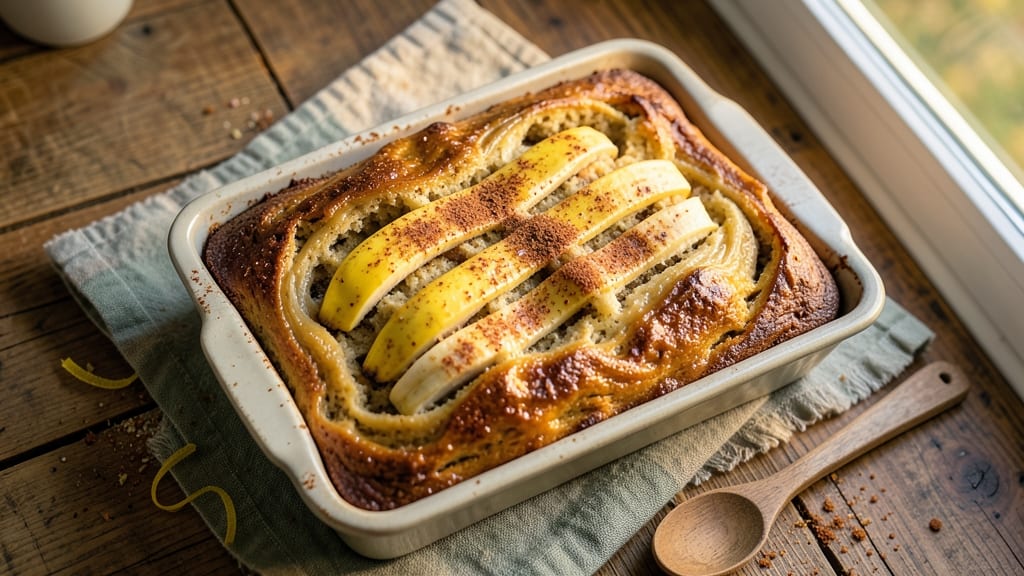
A banana bread recipe calling for 3/4 cup butter isn’t just about following instructions—it’s about achieving that legendary tender crumb and rich, buttery flavor that makes every slice irresistible.
The secret lies in that precise amount of butter, which creates the perfect balance between moisture and structure, ensuring your loaf stays wonderfully soft for days. I’ve perfected this recipe over years of baking, and the difference between this version and others is undeniable.
This recipe delivers a richly moist loaf with a golden crust and those signature buttery swirls that cut through the dense, flavorful interior. The butter isn’t just a fat—it’s the backbone of the texture, keeping the bread tender without making it greasy.
And because we’re using ripe bananas, the natural sweetness means you won’t need excessive sugar, making this a healthier take on a classic.
What sets this apart is the technique: creaming the butter and sugar properly to incorporate air, which gives the bread its signature lightness. The buttery swirls add an extra layer of indulgence, and the addition of a pinch of cinnamon and nutmeg ensures every bite is warmly spiced.
The result? A loaf so good, it disappears faster than you can slice it.
Whether you’re baking for a family breakfast or a weekend treat, this recipe is foolproof. It’s also incredibly versatile—add chocolate chips, walnuts, or even a streusel topping if you like. And because it’s made with simple ingredients, you’ll have a perfect loaf ready in under an hour. Let’s get baking!
Ingredients for a banana bread recipe calls for 3/4 cup butter
Here’s everything you need for that legendary buttery banana bread with tender crumb and swirls.
| Ingredient | Amount | Notes |
|---|---|---|
| Unsalted Butter 🧈 | ¾ cup | Room temperature for creaming |
| Ripe Bananas 🍌 | 3 medium | Mashed, about 1.5 cups |
| Granulated Sugar 🍚 | 1 cup | Light brown sugar works too |
| All-Purpose Flour 🌾 | 2 cups | Sifted for best texture |
| Baking Soda 🧪 | 1 tsp | Not baking powder |
| Ground Cinnamon 🌿 | 1 tsp | Freshly ground preferred |
| Ground Nutmeg 🌿 | ¼ tsp | Freshly grated nutmeg |
| Salt 🧂 | ½ tsp | Kosher or sea salt |
| Large Eggs 🥚 | 2 whole | Room temperature |
| Vanilla Extract 🌸 | 1 tsp | Pure extract preferred |
| Butter (for swirls) 🧈 | ¼ cup | Cold, cubed for swirls |
| Granulated Sugar (for swirls) 🍚 | ¼ cup | Same as above |
| Chopped Walnuts (optional) 🌰 | ½ cup | Toasted for extra flavor |
The butter is non-negotiable—unsalted, room temperature is key for proper creaming. Land O’Lakes or Plugrá are reliable brands, but any quality butter works. Ripe bananas are essential; look for those with brown spots—they’re sweeter and more flavorful. If you can’t find ripe ones, let them sit on the counter overnight. The walnuts? Trader Joe’s or Costco sell pre-chopped, toasted ones—just check for freshness. Freshly ground spices make all the difference, so Penzeys or bulk bins are worth the trip if you’re serious about flavor.
No room-temperature butter? Microwave it 40 seconds to just melt, then let it sit 5 minutes. Short on walnuts? Chopped pecans or chocolate chips work too—just toast them first. The sugar can be swapped for light brown sugar if you prefer a deeper caramel note. No vanilla extract? Vanilla bean paste or even a teaspoon of vanilla sugar (like Trader Joe’s) adds depth. The baking soda is critical—don’t substitute baking powder—it’s what gives the bread that classic rise. And if you’re worried about overmixing, fold just until combined—this bread is forgiving.
Store the loaf in an airtight container at room temperature for 2 days, or 5 days in the fridge. For longer storage, freeze slices wrapped in plastic—they’ll last 3 months and taste just as fresh. The butter swirls add richness, but if you skip them, the bread will still be moist. And if you make extras? Toast slices for a quick breakfast—they’re even better the next day.
Why You'll Love This Recipe
- No-Fuss Mix-In: I swear by this recipe because it’s the kind of thing you can measure while watching TV. Just mash those bananas, cream the butter and sugar—no electric mixer needed—and fold in the dry stuff. The baking soda does all the work while you’re at it.
- Butter-Kissed Magic: That ¾ cup of unsalted butter? It’s the secret. It keeps the crumb tender and the edges just crisp enough—no greasy mess, just pure, rich satisfaction. Honestly, the first slice out of the pan is the best part.
- Breakfast or Snack: Make it for morning toast, pack slices for lunch, or serve it with coffee—this bread does it all. Between us, my kids grab it straight from the fridge before school, and I never even reheat it.
- Waste Not: Ripe bananas? Perfect. Overripe? Even better. This recipe turns them into something golden and delicious instead of brown mush. And that butter-to-flour ratio means every bite is worth it—no sad, dry leftovers here.
Step-by-step instructions for banana bread with buttery swirls
Here's how to create a rich, moist loaf with perfect texture and those signature buttery swirls.
Cream the Butter and Sugar Together
In a large mixing bowl, combine the 0.75 cup unsalted butter (at room temperature) with the 1 cup granulated sugar. Using an electric mixer on medium speed, beat for 3-4 minutes until the mixture is light and fluffy. You'll notice it nearly doubles in volume and turns pale in color—this incorporates air that creates a tender crumb.
I like to check the texture by running a spoon through it. When it leaves clean streaks that hold their shape for a few seconds, it's ready for the next ingredients. This step is crucial for that classic banana bread texture—don't rush it or you'll end up with a dense loaf.
Mix in Bananas and Eggs
Add the 3 medium ripe bananas (mashed until smooth) to the butter-sugar mixture. Mix on low speed until fully incorporated, scraping down the sides of the bowl as needed. Then add the 2 whole large eggs, one at a time, mixing just until combined after each addition.
Next, stir in the 1 teaspoon vanilla extract. The mixture should be smooth and well-blended at this point. For best results, I always use room temperature eggs—they incorporate more evenly and help create a lighter texture. If your eggs are cold, let them sit at room temperature for 15-20 minutes before using.
Combine Dry Ingredients and Fold Together
In a separate bowl, whisk together the 2 cups all-purpose flour, 1 teaspoon baking soda, 1 teaspoon ground cinnamon, 0.25 teaspoon ground nutmeg, and 0.5 teaspoon salt. Sift the flour mixture directly into the wet ingredients and gently fold together using a spatula until just combined.
Overmixing develops gluten, which can make your banana bread tough. Stop mixing as soon as you see no more flour streaks remaining. If you're using the optional 0.5 cup chopped walnuts, fold them in now. The batter should be thick but pourable—if it's too stiff, you may need to add 1-2 tablespoons milk (though this isn't in our ingredients list, it's a common troubleshooting step).
Prepare the Buttery Swirls
In a small bowl, combine the 0.25 cup butter (for swirls) (cold and cubed) with the 0.25 cup granulated sugar (for swirls). Use your fingers to work the butter and sugar together until you have a crumbly mixture that holds together when pressed. This should take about 30 seconds of gentle kneading.
Here's the thing—your butter should be cold enough to hold its shape but soft enough to mix with the sugar. If it's too soft and melts, chill it for 10 minutes before attempting to form the swirls. The contrast between the rich swirls and tender loaf is what makes this recipe special.
Assemble and Bake to Perfection
Preheat your oven to 350°F and grease a 9x5-inch loaf pan (or line it with parchment paper for easy removal). Pour half of the batter into the prepared pan, then sprinkle any remaining walnuts evenly over the top if using. Drop spoonfuls of the butter-sugar mixture evenly over the batter, spacing them about 1 inch apart.
Carefully pour the remaining batter over the butter mixture, then use a butter knife to gently swirl the butter into the batter in a circular motion. Bake for 50-60 minutes or until a toothpick inserted into the center comes out clean (though it might have a few moist crumbs). The top should be golden brown and slightly cracked—this indicates proper doneness.
Cool and Serve for Maximum Moisture
Remove the banana bread from the oven and let it cool in the pan for 10 minutes. Then transfer it to a wire rack to cool completely. This cooling period is essential—it allows the bread to set properly and prevents it from becoming gummy in the center.
The bread will be moistest when served at room temperature. For best results, wrap it tightly in plastic wrap and store at room temperature for up to 3 days. If you need to store it longer, freeze it for up to 3 months. The swirls will keep their texture better when stored properly, and the bread will maintain its moist quality even after several days.
Pro Tips For Making A Banana Bread Recipe Calls For 3/4 Cup Butter
- Melt Butter Slowly: I learned this the hard way—dumping cold butter straight into the batter makes for a dense loaf. Instead, melt the ¾ cup butter in the microwave for 30 seconds, stir, then microwave another 20 seconds until just liquid. Let it cool for 2 minutes before mixing—hot butter cooks the flour too fast and kills the rise.
- Mash Bananas Properly: Skip the food processor unless you want a gluey mess. Use a fork to crush the bananas until they’re mostly smooth but still have a few small chunks—this keeps the texture tender. Overmixing turns banana bread into a sad, gummy brick, and under-mixing leaves dry spots.
- Measure Butter by Weight: That ¾ cup of butter? It’s not always ¾ cup when scooped. Use a kitchen scale for 170 grams—it’s more precise, especially if you’re substituting margarine or oil later. I used to eyeball it, and my loaves came out either greasy or dry.
- Add Flour Last: Dry ingredients first? Big mistake. Mix the wet ingredients (butter, bananas, sugar) until just combined, then fold in the flour and baking soda. This prevents a tough crumb—overmixing after adding flour develops gluten, and you end up with a dense, cakey loaf instead of soft, moist bread.
Wine and beer pairings for a banana bread recipe calls for 3/4 cup butter
Sweet Wine Pairings
A ripe, fruity Moscato d'Asti from Italy is my go-to pairing for banana bread—its light sweetness and floral notes complement the bread’s caramelized bananas beautifully. The effervescence also cuts through the richness of the butter swirls.
For a slightly bolder option, try a Riesling with hints of peach and honey, especially if your bread has walnuts. 🍷
Spiced Beer Options
If you prefer beer, a Belgian witbier like Hoegaarden works surprisingly well—the coriander and citrus notes balance the bread’s cinnamon and nutmeg. For a darker option, a honey ale (like Allagash Honey Farmer) enhances the bread’s natural sweetness without overpowering it.
Avoid heavy stouts or IPAs, which can clash with the delicate flavors.
Coffee & Tea Contrasts
For a non-alcoholic pairing, a light roast coffee with vanilla syrup brings out the bread’s buttery notes while the acidity refreshes your palate. If you prefer tea, an Earl Grey with bergamot adds an elegant citrus contrast.
I often serve banana bread with a cup of chai latte—the spices mirror the cinnamon and nutmeg in the bread.
Seasonal Adaptations
In summer, a sparkling rosé with its crisp acidity is perfect for balancing the bread’s richness. During holidays, a dessert wine like Port (especially Ruby Port) pairs wonderfully with the spiced flavors. For a festive touch, serve with whipped cream and a sprinkle of cinnamon on top. 🎄
Unexpected Pairings
Don’t overlook maple syrup as a pairing—its earthy sweetness complements the bread’s caramelized bananas. For a savory twist, try pairing with sharp cheddar cheese on a charcuterie board. The saltiness of the cheese contrasts beautifully with the bread’s sweetness, making it a crowd-pleaser for any gathering.
Nutrition facts
Frequently asked questions
Why does this recipe use 3/4 cup butter instead of oil?
The butter creates a rich, tender crumb that oil can't match. The fat content keeps the bread moist for days, while the milk solids in butter add subtle flavor and a golden crust. Oil would make the texture denser and less flavorful, even if it's a common substitution in some recipes.
Can I use salted butter instead of unsalted?
Yes, but you'll need to reduce the added salt to 1/4 teaspoon to avoid an overly salty loaf. The recipe assumes unsalted butter for better flavor control. If you're unsure, unsalted is always the safer choice for baking.
What if my butter isn't room temperature?
If your butter is too cold, microwave it for 20-30 seconds to soften, then let it sit for 5 minutes before creaming. If it's too soft, chill it for 10-15 minutes until you can press it lightly and leave a slight indentation. Proper temperature is key for that light, fluffy texture!
How do I know when my banana bread is fully baked?
Insert a toothpick into the center—the bread is done when it comes out clean or with just a few moist crumbs. The top should also be golden brown with slight cracks. Overbaking dries out the bread, so don't let it go past 60 minutes at 350°F.
Can I make this recipe without walnuts?
Skip the walnuts or substitute with chocolate chips, pecans, or even toasted coconut flakes. The bread will still be delicious—walnuts just add a nice crunch and nutty flavor. Just fold them in at the end to avoid overmixing.