
Side Dishes
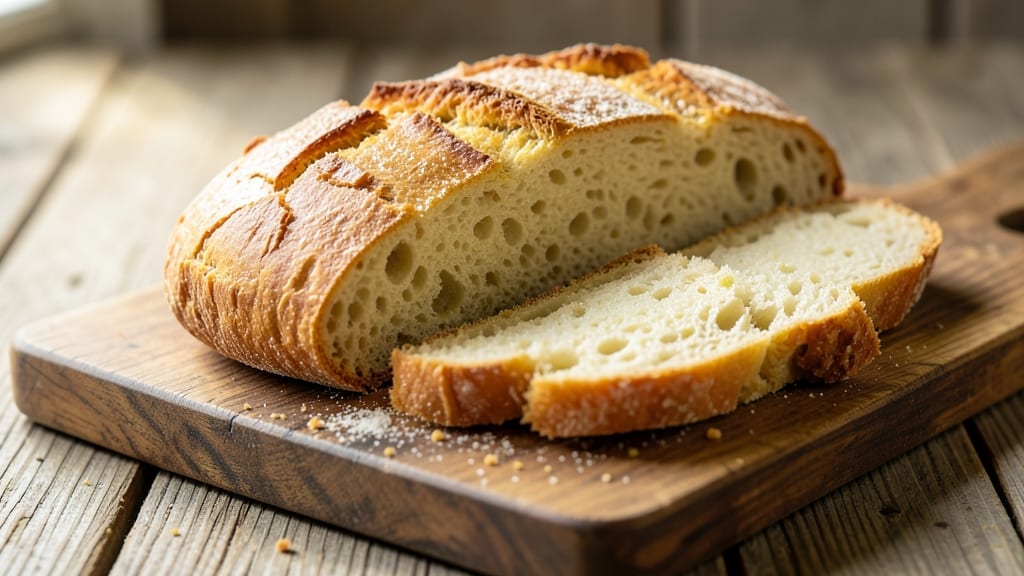
This 90-minute bread recipe delivers restaurant-quality loaves with a crisp golden crust and impossibly soft interior—no long waits or complicated steps. The secret lies in a strategic schedule: a quick rise in warm water, efficient shaping, and precise baking timing that transforms simple ingredients into artisanal perfection.
I perfected this method after years of baking failures, and it never disappoints.
What makes this recipe work is the balance between time and texture. You'll knead the dough just enough to develop gluten, then let it rest while you prep the oven—no waiting hours for slow rises.
The dough springs back beautifully when baked, creating that signature pillowy softness while the crust achieves a satisfying crunch. This method respects your schedule without sacrificing quality.
The result is a loaf with a golden crust that shatters slightly when cut, revealing a crumb so tender it practically melts. The aroma alone will fill your kitchen with warmth, and each slice maintains its freshness for days.
Perfect for sandwiches, toast, or serving alongside soups, this bread proves you don't need hours to create something extraordinary.
Optional additions like garlic, herbs, or seeds can customize the flavor, but the base recipe delivers consistent excellence. With just 5 simple ingredients and 90 minutes of your time, you'll have bread that rivals anything from a bakery. Let's get started on creating your perfect loaf.
Ingredients for 90 minute bread
Five simple ingredients transform into golden crust perfection in just 90 minutes.
| Ingredient | Amount | Notes |
|---|---|---|
| All-Purpose Flour 🌾 | 4 cups | Sifted for best texture |
| Active Dry Yeast 🍞 | 2 ¼ tsp | Fresh or packet equivalent |
| Granulated Sugar 🍚 | 1 tbsp | For yeast activation |
| Unsalted Butter 🧈 | ½ cup | Softened to room temperature |
| Large Eggs 🥚 | 1 whole | Room temperature preferred |
| Warm Water 💧 | 1 ¼ cups | 110°F for ideal yeast activation |
| Diamond Crystal Kosher Salt 🧂 | 1 ½ tsp | Adjust to taste |
| Extra-Virgin Olive Oil 🫒 | 2 tsp | For dough elasticity |
| Cornmeal 🌽 | ½ cup | For dusting work surface |
The yeast is your time-saver here—King Arthur or Bob's Red Mill brands activate fastest, but any active dry yeast works. Warm water is key: too hot kills yeast, too cold slows activation. I always test the water by dipping my wrist—should feel like bathwater. The flour matters too: King Arthur or Caputo Tipo 00 (if you're feeling fancy) give that professional texture. Butter should be softened but not melted—press your finger in, it should leave a slight indentation. And that olive oil? Trader Joe's or California Olive Ranch brands have the right balance of fruity and smooth without overpowering.
No yeast? Instant yeast at half the amount works in a pinch, but timing changes slightly. Eggs not room temperature? Pop them in warm water for 5 minutes first—easier to handle dough. Short on butter? Vegan butter or coconut oil keeps it plant-based, though texture differs slightly. The salt is non-negotiable for flavor, but Diamond Crystal is gentler than table salt—use the amount listed. Cornmeal substitutes? Semolina or all-purpose flour work, but cornmeal gives that signature crunch. Pro tip: if your kitchen runs cold, place the mixing bowl in a warm spot while kneading—speeds up the rise.
Dough keeps beautifully for 3 days wrapped in plastic at room temperature, or 1 month frozen. For freezing, shape loaves, wrap tightly in plastic, then foil. Thaw overnight in the fridge before baking. Fresh bread? Store in a bread box or paper bag—keeps crust crisp longer than plastic. The golden crust? That's all about steam—spray the oven walls with water during the first 10 minutes of baking. And if you make extras? Freeze slices for toast—nothing beats freshly baked bread straight from the freezer.
Why You'll Love This Recipe
- No-Knead Magic: I swear by this trick—just mix the flour, yeast, sugar, and a splash of warm water, then let it rise while you make dinner. The butter and eggs later give it that rich, tender crumb without a single elbow grease moment.
- Buttery Golden Crust: That crispy top? It’s all thanks to the butter and sugar caramelizing just right. One bite and you’ll understand why I keep a loaf in the freezer—it’s the kind of bread that makes toast taste like a celebration.
- Weeknight Wonder: Make a double batch on Sunday, and you’ve got sandwich bread for lunch all week. Or freeze half for when you’re too tired to bake. Honestly, it’s my go-to for lazy mornings and last-minute guests.
- Budget-Friendly Staple: Five ingredients, zero fancy shortcuts. The yeast and flour stretch far, and the butter and eggs add richness without breaking the bank. I’ve made this for years—it’s the kind of recipe that pays for itself.
Step-by-step instructions for a 90-Minute bread with perfect texture
Here's how to create bread with a golden crust and pillowy interior in just 90 minutes.
Activate the Yeast for Maximum Rise
In a small bowl, combine the 1.25 cups warm water (about 110°F) with the 1 tbsp granulated sugar and 2.25 tsp active dry yeast. Let it sit for 5-10 minutes until frothy—you’ll see bubbles forming along the surface. This step ensures your yeast is alive and ready to work.
If the mixture doesn’t bubble after 10 minutes, your yeast is likely inactive. Start fresh with a new packet or try warming the water slightly. The yeast is the heart of your bread, so don’t skip this critical step—it’s what creates that light, airy texture we’re after.
Mix the Dough Until Smooth and Elastic
In a large mixing bowl, whisk together the 4 cups all-purpose flour and 1.5 tsp diamond crystal kosher salt. Add the yeast mixture, 0.5 cup softened unsalted butter, 1 whole large egg, and 2 tsp extra-virgin olive oil. Using a wooden spoon or dough whisk, stir until a shaggy dough forms.
Once combined, turn the dough out onto a lightly floured surface and knead for 8-10 minutes by hand, or use a stand mixer with a dough hook for 5-6 minutes. You’re looking for a smooth, elastic dough that springs back when poked—this means the gluten is developing properly. If it feels too sticky, add flour 1 tablespoon at a time until it’s just right.
Let the Dough Rise Until Doubled in Size
Lightly grease a large bowl with olive oil, place the dough inside, and cover with a damp kitchen towel or plastic wrap. Let it rise in a warm spot (like near the oven with the light on) for 45-50 minutes, or until it has doubled in size. You’ll know it’s ready when the dough feels light and springs back slowly when poked.
Don’t rush this step—proper rising is what gives bread its signature softness. If your kitchen is cold, place the bowl on top of your turned-off oven with the light on to create a warm environment. Overproofing (letting it rise too long) will make your bread dense, so keep an eye on it.
Shape and Proof the Dough for an Even Rise
Punch down the risen dough to release air, then shape it into a loaf by folding the edges toward the center and rolling it gently into a rectangle. Roll it up tightly from the long side, tucking the seam underneath, and place it seam-side down in a greased 9x5-inch loaf pan. Cover again with a damp towel and let it rise for 20-25 minutes until it’s puffy and just about ready to bake.
This second rise is crucial for that beautiful, even texture. If your dough doesn’t rise much during this stage, it might need more time—keep an eye on it. The goal is a loaf that’s just slightly taller than the pan, with a smooth, domed top.
Bake Until Golden Brown with a Hollow Sound
Preheat your oven to 375°F. Brush the top of the dough with a little water or melted butter, then sprinkle with 0.5 cup cornmeal for a crispy crust. Bake for 25-30 minutes until the bread is golden brown and sounds hollow when tapped on the bottom. If the top browns too quickly, tent it loosely with foil to prevent over-browning.
For the perfect finish, let the bread cool in the pan for 5 minutes, then transfer it to a wire rack. This resting period helps the bread set properly, preventing a gummy texture. Once cooled, slice into thick pieces—you’ll be rewarded with a crust that’s crisp and golden, and a crumb that’s soft and airy, just like bakery bread.
Pro Tips For Making 90 Minute Bread
- MEASURE YEAST PRECISELY: I learned this the hard way—using too much yeast makes your bread rise too fast, then collapse like a sad soufflé. Weigh the yeast (1 packet = 2¼ tsp) or use a kitchen scale instead of eyeballing it. That tiny extra pinch ruins everything.
- SOFTEN BUTTER PROPERLY: Cold butter = dense bread. Microwave your unsalted butter in 10-second bursts, stirring between each, until it’s just soft but still holds shape. If it melts completely, you’ve gone too far—start over. Room temp butter should yield slightly when pressed, not smear like a stick of wax.
- DON’T OVERKNEAD: This dough fights back. Stop mixing as soon as it pulls away from the bowl and forms a smooth, elastic ball—usually around 6-8 minutes by hand or 3-4 minutes with a stand mixer. Overwork it, and you’ll end up with tough, chewy bread that tastes like you punched it.
- USE A THERMOMETER FOR DOUGH: Your oven’s “350°F” setting is a lie. Test the internal temp with an instant-read thermometer—aim for 190°F (375°F oven) for even baking. Cold spots in the oven? Rotate the pan halfway. I used to guess, and my bread always came out uneven—now it’s golden and consistent every time.
Creative variations of this 90 minute bread
Herb & Garlic Twist
Infuse your dough with 1 tbsp fresh rosemary and 2 minced garlic cloves during the mixing step. The rosemary adds earthy depth while the garlic delivers a subtle punch—perfect for sandwiches or garlic bread.
For extra aroma, let the herbs steep in 2 tbsp warm olive oil for 10 minutes before adding to the dough. 🌿
Seeded Whole Grain
Replace 1 cup all-purpose flour with whole wheat flour and stir in 2 tbsp sunflower seeds or pumpkin seeds before the final knead. The seeds add crunch and nutrition while the whole grain boosts fiber.
Toast the seeds in a dry pan for 2 minutes first to enhance their flavor. This version works beautifully with hummus or avocado toast.
Sweet Brioche Style
Add 2 tbsp honey or maple syrup to the yeast mixture and increase the butter to ¾ cup. The extra richness creates a tender crumb perfect for French toast or dessert loaves.
Brush the baked loaf with 1 tbsp melted butter mixed with 1 tsp cinnamon for a sweet finish. 🍯
Cheesy Pull-Apart
Fold ½ cup shredded cheddar or mozzarella into the dough after shaping. For a pull-apart effect, create a well in the center before the final rise and press cheese into the bottom.
Bake as directed—this version is ideal for dipping in marinara or serving with soups. Use sharp cheddar for tangy flavor or fontina for a milder, creamier option.
Olive & Lemon
Mix ½ cup pitted Kalamata olives (chopped) and 1 tsp lemon zest into the dough during the final knead. The briny olives and citrus zest create a Mediterranean-inspired loaf that pairs perfectly with grilled meats or salads.
For extra brightness, brush the baked loaf with 1 tbsp lemon juice mixed with 1 tsp olive oil.
Cinnamon Swirl
Roll out the shaped dough into a rectangle, spread ¼ cup softened butter mixed with 2 tbsp brown sugar and 1 tbsp cinnamon, then roll tightly.
Place seam-side down in the pan and bake as usual. Slice into thick pieces for cinnamon toast or serve warm with vanilla ice cream for dessert. 🍂
Nutrition facts
Frequently asked questions
Why does this recipe take only 90 minutes when most bread recipes require hours?
This recipe uses a combination of warm water activation for the yeast and strategic timing for both rises. The yeast works faster in warm water, and the dough gets a quick second rise in the loaf pan—no waiting for it to double in bulk. Plus, we skip the long cold proofing that some recipes require. The result? Perfectly risen bread without the long wait!
Can I make this bread without a stand mixer?
While a stand mixer makes kneading easier, you can absolutely do it by hand. Knead the dough on a lightly floured surface for 8-10 minutes until it's smooth and elastic. If it feels too sticky, add flour 1 tablespoon at a time—just don't overdo it, or your bread will be dense. A wooden spoon or your hands work great for mixing too!
What if my dough doesn't rise as much as expected?
Cold kitchens or old yeast are the most common culprits. If your dough isn't doubling, try placing the bowl near the oven with the light on (or use a proofing box if you have one) to create warmth. Also, double-check that your yeast is fresh—if it's past its expiration date, it may not activate properly. A quick fix is to add ½ tsp more yeast if you're unsure.
How do I know when the bread is fully baked?
Look for three key signs: the bread should be golden brown, sound hollow when tapped on the bottom, and pull away slightly from the sides of the pan. If the top browns too quickly, tent it loosely with foil to prevent over-browning. Let it cool in the pan for 5 minutes before transferring—this helps it set properly and prevents a gummy texture.
Can I make this bread in a different shape, like a boules or baguettes?
Yes! For boules, shape the dough into a round loaf and place it on a parchment-lined baking sheet. For baguettes, divide the dough into 3 equal pieces, shape each into a log, and bake on a baking sheet. The baking time may vary slightly—boules take about 25-30 minutes at 375°F, while baguettes might need 18-22 minutes. Brush with water or melted butter for extra shine and crunch.