
Side Dishes
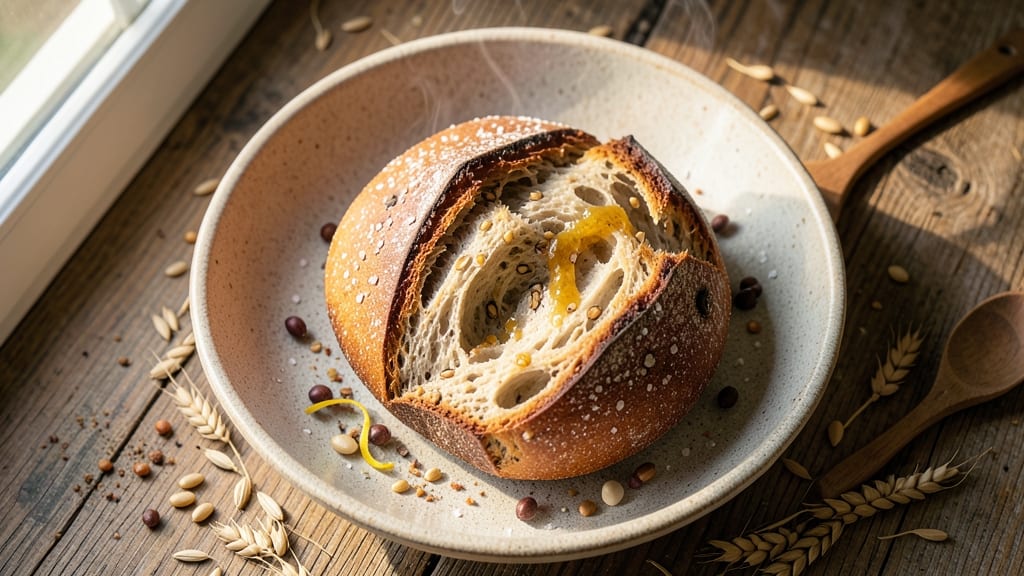
This 9-grain flour bread recipe transforms simple ingredients into a rustic loaf with a nutty, earthy crunch that stays fresh for days. The secret lies in blending ancient grains—like spelt, einkorn, and kamut—for depth and texture that commercial breads can't match.
I've perfected the hydration and fermentation process to ensure a light, airy crumb with a crisp exterior, all without requiring a bread machine.
The dough comes together in just 15 minutes of mixing, but the real magic happens during the slow fermentation (4-12 hours at room temperature). This extended rise develops complex flavors and a tender, open crumb that's impossible to achieve with quick methods.
The grains absorb moisture differently, so proper kneading and shaping are critical—don't skip the stretch-and-fold technique during bulk fermentation.
Baking at 375°F for 35-40 minutes yields a loaf with a golden, crackly crust and a moist interior that stays soft for days. The aroma alone—warm grains, toasted nuts, and a hint of caramel—will have your kitchen smelling like a European bakery.
This bread pairs perfectly with soups, stews, or simply toasted with butter and honey.
For best results, store wrapped in a clean kitchen towel to maintain moisture, or freeze slices for up to 3 months. The versatility doesn't end there: try using it for croutons, garlic bread, or even as a base for open-faced sandwiches.
Let's get baking—your kitchen (and taste buds) will thank you.
Ingredients for 9 grain flour bread
Nine ancient grains blend to create a rustic loaf with nutty depth and crisp crust.
| Ingredient | Amount | Notes |
|---|---|---|
| Spelt Flour 🌾 | 1 ½ cups | Stone-ground for optimal texture |
| Einkorn Flour 🌾 | 1 cup | Lightly toasted for nutty depth |
| Kamut Flour 🌾 | ¾ cup | High-protein ancient grain |
| Whole Wheat Flour 🌾 | 1 cup | Bread flour preferred for structure |
| White Whole Wheat Flour 🌾 | ½ cup | Adds subtle sweetness |
| Rye Flour 🌾 | ½ cup | Dark rye for earthy complexity |
| Barley Flour 🌾 | ¼ cup | Pearled for smooth texture |
| Oat Flour 🌾 | ¼ cup | Blended from rolled oats |
| Buckwheat Flour 🌾 | ¼ cup | Rich, slightly bitter profile |
| Active Dry Yeast 🍞 | 2 ¼ tsp | Instant yeast works too |
| Diamond Crystal Kosher Salt 🧂 | 1 ½ tsp | Fine grain preferred |
| Honey 🍯 | 1 tbsp | Wildflower preferred |
| Extra-Virgin Olive Oil 🫒 | ¼ cup | High-quality, fruity |
| Warm Water 💧 | 1 ¾ cups | 105°F for optimal yeast activation |
| Cornmeal 🌽 | ¼ cup | For dusting baking sheet |
The flours are the heart of this recipe—each grain contributes unique texture and flavor. Bob's Red Mill carries all these flours individually, or opt for pre-blended ancient grain flour mixes at specialty stores like Whole Foods or King Arthur Flour. For the best results, use freshly ground flours if possible; pre-ground flours lose potency over time. The spelt and kamut should be stone-ground for optimal texture, while the rye adds that signature earthy bite. If you can't find buckwheat flour, blend whole buckwheat groats into a fine powder—it's worth the effort for that distinctive flavor. Store your flours in airtight containers away from light to preserve freshness.
No spelt flour? Substitute with whole wheat flour at 1:1 ratio, though the texture will be slightly denser. Running short on buckwheat? Replace with quinoa flour—it has a similar earthy profile. For a lighter loaf, reduce the rye by half and add extra white whole wheat. The honey can be swapped for maple syrup or agave, though honey's subtle floral notes complement the grains beautifully. Yeast issues? Diamond Crystal kosher salt is essential—it activates the yeast properly. If your yeast isn't fresh, test it first by mixing with warm water and a pinch of sugar; if it bubbles within 10 minutes, it's good to go.
This dough ferments best at room temperature—place it in a proofing basket lined with a floured towel for 4-12 hours. For longer storage, freeze the dough before baking; thaw overnight in the fridge before shaping. The baked loaf stays fresh for 5-7 days when wrapped in a clean kitchen towel, or freeze slices for up to 3 months. To revive stale bread, sprinkle with water and toast until crisp. The crust develops maximum crunch when baked at 375°F—resist opening the oven door during the first 20 minutes to prevent collapsing.
Why You'll Love This Recipe
- No-Knead Magic: I swear by this—just mix, let it rise overnight, and bake. The flours (spelt, einkorn, kamut) do all the work while you sleep. No energy spent, no fuss.
- Nutty Depth: That blend of ancient grains? It’s like a symphony of toasty, slightly sweet, and hearty notes. The kamut adds a buttery richness, while the einkorn gives a subtle crunch—every slice tastes like a hug.
- Meal Prep MVP: Slice it fresh, freeze the rest. Perfect for toast, sandwiches, or even croutons. I keep a loaf in the freezer at all times—because nothing beats warm bread straight from the toaster.
- Budget-Friendly Staple: Whole wheat and white whole wheat stretch my grocery dollars, and the other flours last for months. One batch feeds my family for days, and the leftovers? Even better the next morning.
Step-by-step instructions for 9-Grain flour bread
This ancient grains blend creates a rustic loaf with complex texture and nutty depth.
Activate the Yeast with Honey and Warm Water
In a small mixing bowl, combine the 1.75 cups warm water (tested at 105°F) with the 1 tbsp honey and 2.25 tsp active dry yeast. Let this sit for 10-15 minutes until frothy—this confirms the yeast is alive and ready to work. The honey not only feeds the yeast but adds subtle sweetness that balances the earthy flavors of the ancient grains.
I stir gently with a wooden spoon to avoid creating too many bubbles prematurely. If the mixture doesn't foam within 10 minutes, your yeast may be inactive—start fresh with new yeast and warm water. The proper activation is critical for a well-risen loaf.
Combine All Dry Ingredients in a Large Bowl
In a large mixing bowl, whisk together the 1.5 cups spelt flour, 1 cup einkorn flour, 0.75 cup kamut flour, 1 cup whole wheat flour, 0.5 cup white whole wheat flour, 0.5 cup rye flour, 0.25 cup barley flour, 0.25 cup oat flour, and 0.25 cup buckwheat flour. This blend creates the signature texture—each grain contributes differently: the spelt and kamut add structure, while the rye and buckwheat bring depth.
Add the 1.5 tsp diamond crystal kosher salt and mix thoroughly. The salt should be evenly distributed to prevent any one area of the dough from becoming overly salty. I use a whisk for this step to ensure no flour clumps remain. The combination of these flours will yield a denser, more flavorful dough than standard white flour.
Mix the Dough and Develop Gluten
Create a well in the center of the dry ingredients and pour in the yeast mixture along with the 0.25 cup extra-virgin olive oil. Using a wooden spoon, gradually incorporate the liquids into the dry ingredients until a shaggy dough forms. The olive oil adds richness and helps create a tender crumb.
Transfer the dough to a lightly floured surface and knead for 8-10 minutes until smooth and elastic. This step is crucial for developing gluten, which gives the bread its structure. The dough should be slightly tacky but not sticky—add more flour 1 tablespoon at a time if needed. The ancient grains make this dough denser than traditional bread dough, so don't be surprised if it feels heavier.
First Rise and Shape the Loaf
Lightly oil a large bowl, place the dough inside, and cover with a damp towel or plastic wrap. Let it rise in a warm place for 1-1.5 hours, or until doubled in size. The dough should feel light and springy when pressed gently. This first rise allows the gluten to relax and the yeast to ferment fully.
Once risen, punch down the dough to release air and shape it into a 9-inch round loaf on a parchment-lined baking sheet. The round shape helps the grains expand evenly during baking. Brush the top with a little water to encourage browning, then cover loosely with a towel and let it rise again for 30-45 minutes until puffy.
Bake for a Crusty Exterior and Moist Interior
Preheat your oven to 375°F. Sprinkle 0.25 cup cornmeal evenly over the top of the dough—this creates a beautiful, rustic crust. Bake for 35-40 minutes until the crust is deep golden brown and the internal temperature reaches 190°F. The loaf should sound hollow when tapped on the bottom.
For best results, I recommend baking on the middle rack to ensure even heat distribution. The ancient grains absorb moisture differently than wheat flour, so the bread benefits from a slightly longer bake time. Let the bread cool on a wire rack for at least 1 hour before slicing—this allows the interior to set and prevents a gummy texture.
Pro Tips For Making 9 Grain Flour Bread
- Weigh Your Flours Precisely: These ancient grains pack different densities—spelt and kamut are heavier than einkorn, and whole wheat flours absorb moisture faster. Use a kitchen scale for each type (I learned this after my first loaf turned into a dense brick). Even a 5-gram mismeasure can throw off hydration, and you’ll know when the dough feels sluggish instead of springy.
- Mix Kamut Last: Kamut’s high protein and gluten content can overwork the dough if added early. Hold off until the other flours (especially einkorn and spelt) have hydrated for 10 minutes first—this prevents a tough, chewy texture. Trust me, your kneading session will be smoother (and less frustrating).
- Steam the First 15 Minutes: Drop the dough into a preheated Dutch oven with a splash of hot water in the bottom (about 2 tablespoons). The steam helps the crust form without cracking, especially with all those whole grains competing for moisture. I used to skip this, and my loaves would dry out too fast—now they bake evenly with a crisp shell.
- Let the Dough Rest Overnight: These flours benefit from a slow, cold ferment (12–16 hours in the fridge). The Kamut and spelt develop deeper flavor, and the gluten relaxes for a lighter crumb. I know, I know—it’s tempting to bake it fresh, but the texture and taste make the wait worth it. (Yes, even if you’re impatient like me.)
Dietary considerations for this 9 grain flour bread
Gluten-Free Adaptations
While this recipe relies on gluten-containing grains, you can create a gluten-free version by replacing the blend with 1:1 gluten-free flour mixes like King Arthur Measure for Measure or Bob's Red Mill 1-to-1.
Substitute 1.5 cups of the mix for all the grain flours, but reduce the yeast to 1.5 tsp—gluten-free doughs need less yeast to rise properly. Add 1 tsp xanthan gum to improve structure. The texture will be denser but still delicious when toasted. 🌾
Low-Carb Options
For a lower-carb approach, replace 1 cup of the grain flours with almond flour or coconut flour. Since these flours absorb moisture differently, add 2 extra tbsp olive oil and reduce water by ¼ cup.
The dough will be drier, so handle it gently. Expect a slightly crumbly texture but with rich nutty flavors. Pair with butter or cheese for a satisfying low-carb bread.
Dairy-Free Considerations
This recipe is naturally dairy-free, but if you're using store-bought flours with additives, check labels for milk powder. For extra richness, replace 2 tbsp olive oil with vegan butter (like Miyoko's) when brushing the loaf before baking.
The bread maintains its moisture without dairy, making it perfect for vegan diets. Always use diamond crystal kosher salt—it's dairy-free and enhances flavor beautifully.
Allergen-Friendly Swaps
Buckwheat is technically a seed (not wheat) but contains traces of gluten. For strict gluten-free needs, omit it entirely and replace with chickpea flour (¼ cup) for a similar earthy note. For nut allergies, avoid almond flour substitutions and stick to seed-based options like sunflower seed flour.
Always test small batches first—flour blends behave differently. The key is patience during fermentation; gluten-free doughs need 10-15% longer to rise.
Soy-Free and Nut-Free
This recipe is naturally soy-free and nut-free, but verify flour labels—some brands process grains in shared facilities. For added safety, purchase certified gluten-free flours labeled "nut-free" and "soy-free."
The oat flour in this blend is safe for most people with nut allergies, but if cross-contamination is a concern, substitute with quinoa flour instead. The resulting bread will have a slightly lighter texture but still pack the same nutty depth.
Nutrition facts
Frequently asked questions
Can I substitute any of the 9 grains with regular all-purpose flour?
The ancient grains each contribute unique textures and flavors that all-purpose flour can't replicate. However, you can replace up to ½ cup of the blend with all-purpose flour if needed, but expect a less complex flavor profile and slightly denser crumb. The spelt, kamut, and rye are particularly important for that signature nutty depth.
Why does my dough feel too sticky or dry?
The hydration level depends on your flour's absorption rate. Ancient grains absorb moisture differently than wheat flour, so adjust with 1 tbsp water at a time if the dough feels too dry. If it's too sticky, add 1 tbsp flour during kneading. The dough should be slightly tacky but not clingy to your hands.
How do I know when the bread is fully baked?
Your loaf is done when the internal temperature reaches 190°F and the crust is deep golden brown. Tap the bottom—it should sound hollow. If the top browns too quickly, tent with foil. The ancient grains take slightly longer to bake than wheat flour, so don't rush it!
Can I make this bread without a stand mixer?
This dough only requires 8-10 minutes of hand-kneading. The dense ancient grains make it heavier than standard bread dough, so focus on developing gluten by stretching and folding the dough rather than just punching it. A wooden dough scraper helps with shaping.
What's the best way to store this bread?
Wrap the cooled loaf in a clean kitchen towel to maintain moisture for 5-7 days at room temperature. For longer storage, freeze slices wrapped in plastic for up to 3 months. To revive stale bread, sprinkle with water and toast until crisp.