
Side Dishes
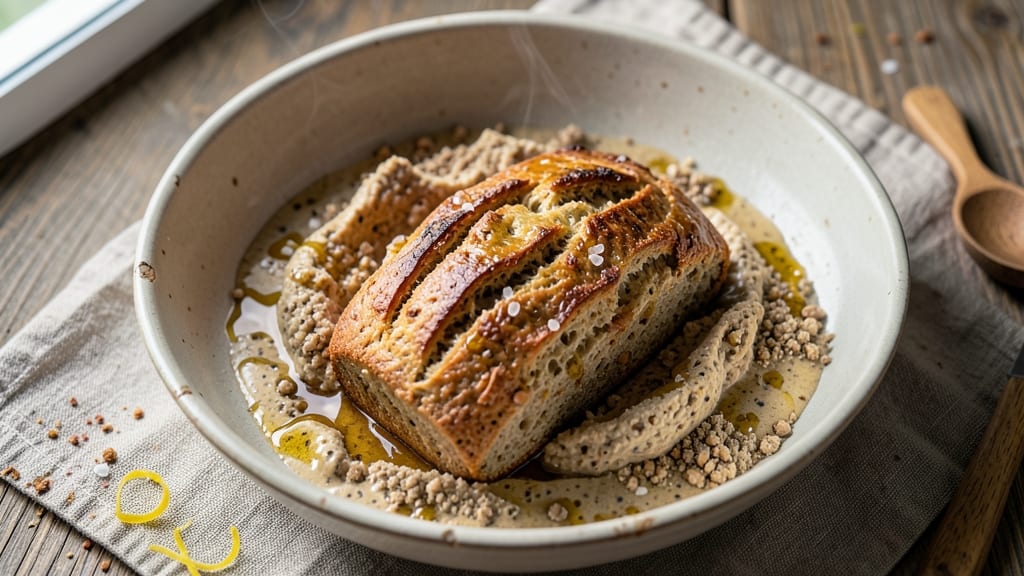
This 50/50 whole wheat sourdough bread delivers the perfect balance of nutty whole grains and airy tang—no compromises, just restaurant-quality texture at home.
The secret lies in a 50% whole wheat, 50% bread flour blend that creates a crisp crust with a tender, open crumb, while the sourdough starter adds that signature depth.
I developed this recipe after years of testing, because most whole wheat sourdoughs either turn dense or lose flavor—this version avoids both pitfalls.
The key to success is proper hydration control—whole wheat flour absorbs more water than white, so we adjust the recipe to prevent a gummy texture. A slow, cold fermentation (12-16 hours) develops maximum flavor while allowing the gluten to relax for easy shaping.
The dough is surprisingly forgiving, making it perfect for beginners who want to master the art without frustration.
What you'll end up with is bread that's crisp on the outside, pillowy inside, with a subtle tang from the starter and nutty richness from the whole wheat. Each slice holds its shape when toasted, making it ideal for buttery breakfasts or hearty sandwiches.
The crust has just enough chew, while the interior remains soft for days—this is the kind of bread that disappears from your counter faster than you can say "artisan."
Use it for open-faced sandwiches, French toast, or crusty bread bowls—the possibilities are endless. The recipe includes detailed instructions for maintaining your starter, shaping the dough, and baking at high heat for that perfect crust.
Let's get started on your next loaf—your taste buds (and your kitchen) will thank you.
Ingredients for 50 50 whole wheat sourdough bread
These 10 simple ingredients create restaurant-quality sourdough with nutty whole wheat and crisp crust.
| Ingredient | Amount | Notes |
|---|---|---|
| Active Sourdough Starter 🍞 | ½ cup | Unfed, bubbly starter (100% hydration) |
| Bread Flour 🌾 | 2 cups | High-protein for structure |
| Whole Wheat Flour 🌾 | 2 cups | King Arthur or Bob's Red Mill preferred |
| Water 💧 | 2 ½ cups | Room temperature, filtered |
| Kosher Salt 🧂 | 1 ½ tsp | Diamond Crystal preferred |
| Honey 🍯 | 1 tbsp | Wildflower or clover |
| Olive Oil 🫒 | 1 tbsp | Extra-virgin for richness |
| Instant Yeast 🍞 | ¼ tsp | Optional for extra rise |
| Cornmeal 🌽 | ¼ cup | For dusting and scoring |
| Semolina Flour 🌾 | ⅛ cup | For dusting and scoring |
The flours are the foundation—King Arthur or Bob's Red Mill whole wheat gives the best texture. Bread flour provides structure, while whole wheat adds depth. I always buy organic flours from Whole Foods or Trader Joe's for better flavor. The sourdough starter must be active (bubbly) and unfed—this is non-negotiable. For the yeast, I use Saf-Instant because it's reliable, but you can skip it if you're confident in your starter's strength. The honey and olive oil feed the starter while adding richness—don't use artificial sweeteners here.
No whole wheat flour? Substitute with white whole wheat flour at the same amount. Short on bread flour? All-purpose works but reduce by 1 tbsp. The starter can be fed with just flour and water if you're out of honey. For scoring, semolina or cornmeal both work—just pick one and stick with it. Need to adjust hydration? Whole wheat absorbs more water, so if your dough feels sticky, add 1 tbsp extra flour per cup of whole wheat. The olive oil can be swapped for vegetable oil, but extra-virgin adds that gourmet touch.
Store your starter in a clean glass jar at room temperature—feed it daily with equal parts flour and water. The dough can be shaped and refrigerated overnight for better flavor development. Baked loaves keep well wrapped at room temp for 3 days or frozen for 3 months. For reheating, wrap slices in foil and warm in a 350°F oven for 5 minutes—they'll taste fresh-baked every time. The crust stays crisp for hours, but the interior stays soft for days—perfect for sandwiches that last all week.
Why You'll Love This Recipe
- No-Knead Magic: I’ll be real—this bread requires zero effort after mixing. Just toss in your active starter, half bread flour, half whole wheat, water, and salt, let it rise overnight, then bake. That’s it. My lazy Sundays now include warm, crusty bread with no guilt.
- Earthy Crust, Airy Crumb: The whole wheat gives it a nutty depth that’s way more interesting than plain white bread, while the sourdough keeps it light and chewy. Honestly, the first time I bit into it, I thought, “Why haven’t I done this sooner?” The crust has that perfect snap, and the inside? Still soft days later.
- Meal Prep MVP: This bread holds up beautifully—slice it fresh, toast it later, or freeze half for when you forget to bake. I make a double batch every Sunday: one loaf for the week, one for sandwiches. Even my picky teen grabs it for grilled cheese. (Yes, even on a Tuesday night.)
- Budget-Friendly Staple: Whole wheat flour is cheaper than you’d think, and a small starter goes a long way. I’ve made this recipe for under $3 per loaf, and it feeds my family for days. Plus, no fancy add-ins needed—just flour, water, and time. My wallet and my pantry thank me weekly.
Step-by-step instructions for 50/50 whole wheat sourdough bread
Here's how to craft a rustic loaf with perfect tang and texture—no shortcuts, just flavor.
Mix the Dough with Precision
In a large mixing bowl, combine the 0.5 cup Active Sourdough Starter, 2 cups Bread Flour, 2 cups Whole Wheat Flour, 1.5 tsp Kosher Salt, 1 tbsp Honey, 1 tbsp Olive Oil, and 0.25 tsp Instant Yeast. The whole wheat flour will look coarse, but that's exactly what we want for that hearty texture.
Gradually add the 2.5 cups Water while stirring with a wooden spoon or dough whisk. The dough should come together into a shaggy mass—don't worry if it looks dry at first. Once all the liquid is incorporated, turn the dough out onto a lightly floured surface and knead for 8-10 minutes until smooth and elastic. You'll know it's ready when it springs back slowly when poked.
Bulk Ferment for Maximum Flavor
Place the dough back in the bowl, cover it tightly with plastic wrap or a damp towel, and let it ferment at room temperature (70-75°F) for 4-6 hours. You're looking for about 50-75% increase in volume—the dough should feel light and airy when pressed gently. Poke it with a fingertip; if the indentation holds, it's ready for shaping.
This long fermentation develops the deep, tangy flavor that makes sourdough special. If your kitchen is cooler, extend the time to 8 hours. The dough will smell slightly sweet and yeasty—this is a good sign. Avoid over-fermenting, or the bread will taste flat.
Shape and Proof for Structure
Lightly dust your work surface with semolina flour and turn out the dough. Gently shape it into a round boule by pulling the edges toward the center and tucking them under. Place it seam-side up in a lightly oiled bowl, cover, and let it proof for 1-2 hours until it's 25-50% larger. The dough should feel jiggly when shaken gently.
For a rustic look, you can also shape it into a batard (oval loaf) or freeform shape. The key is to create surface tension—this helps trap gas during baking. If the dough springs back too quickly when poked, it needs more time. If it feels slack, it's overproofed.
Score and Bake for Crispy Crust
Preheat your oven to 450°F with a Dutch oven inside for 45 minutes. While it heats, turn the dough onto a floured surface and score the top with a razor blade or sharp knife—this prevents bursting and adds character. Dust the dough generously with cornmeal and semolina flour for extra crunch.
Carefully transfer the dough to the hot Dutch oven, cover, and bake for 20 minutes. Remove the lid and bake for another 20-25 minutes until the crust is deep golden brown and the internal temperature reaches 205-210°F. The bread should sound hollow when tapped on the bottom.
Cool and Enjoy the Rewards
Remove the bread from the Dutch oven and let it cool on a wire rack for at least 1 hour before slicing. This resting period allows the steam to escape, preventing a gummy interior. The crust should be crisp and the crumb soft with a slight open texture—proof of proper fermentation.
Slice it thick and toast it lightly for the best experience. The flavor will deepen over the next day as the starches convert. Store leftovers wrapped in a cloth-lined bag to keep it fresh longer. This bread is worth every minute of the process—trust me, you'll taste the difference.
Pro Tips For Making 50 50 Whole Wheat Sourdough Bread
- STRETCH THE DOUGH: Whole wheat absorbs water like a sponge—don’t skimp on the autolyse. Mix the 50/50 flour and water first, let it rest 30 minutes before adding starter and salt. This step keeps the dough from turning gummy later.
- SALT THE WHOLE WHEAT: Add half the salt directly to the whole wheat flour before mixing. The bran soaks up moisture fast, and this ensures even distribution—no salty pockets or bland bites.
- STOP OVERHANDLING: Whole wheat dough tears easily, especially when tired. Use a dough scraper to fold instead of punching or stretching—fewer rips, more structure.
- PRE-SHAPE COLD: After bulk fermentation, chill the dough 1 hour before final shaping. The cold slows fermentation, tightens gluten, and makes scoring cleaner—no more sad, collapsed loaves.
Serving suggestions for this recipe
Breakfast Showstoppers
Toast this bread with 2 tablespoons of cultured butter and a drizzle of local honey for a breakfast that feels like a vacation. The nutty whole wheat pairs beautifully with scrambled eggs and crispy bacon—the crust holds up perfectly without falling apart.
For a sweet twist, try French toast using thick slices dipped in an egg-custard mixture and pan-fried until golden. 🍳
Sandwich Mastery
This bread excels as a sandwich base thanks to its sturdy crust and soft interior. Build open-faced sandwiches with sharp cheddar, turkey, and avocado for a hearty lunch. For a Mediterranean twist, layer with hummus, roasted red peppers, and feta cheese.
The 50/50 blend gives just enough structure to hold fillings without becoming soggy. I love adding a sprinkle of flaky sea salt on top before serving. 🥪
Soup and Salad Pairings
Dip thick slices into tomato basil soup or creamy broccoli cheddar—the crust stays crisp while the interior soaks up just enough broth to make it irresistible. For salads, tear the bread into chunks and toss with arugula, cherry tomatoes, and balsamic vinaigrette for a satisfying crunch.
The whole wheat adds a nutty contrast to lighter dishes. 🥗
Dinner Rolls and Bread Bowls
Cut into thick dinner rolls and serve alongside roasted chicken or beef stew. For bread bowls, hollow out the center and fill with cream cheese, cured meats, and pickles for a deconstructed sandwich.
The 50/50 blend holds up better than all-whole wheat while still delivering that rustic charm. 🍲
Dessert Applications
Use the bread as a base for cinnamon sugar toast—brush slices with melted butter, sprinkle with cinnamon and sugar, and toast until golden. For a dessert twist, make peanut butter and jelly sandwiches with grape jelly and creamy peanut butter for a nostalgic treat.
The whole wheat adds subtle depth to sweet applications. 🍯
Gifting and Preserving
Wrap cooled loaves in beeswax cloth and tie with twine for a rustic gift—it’s perfect for housewarming presents or holiday treats. Store slices in an airtight container with a paper towel to maintain freshness for up to 5 days.
For longer storage, freeze slices and toast directly from frozen for a quick breakfast. 🎁
Nutrition facts
Frequently asked questions
Why does my 50/50 whole wheat sourdough turn out dense?
Whole wheat flour absorbs more water and has less gluten than white flour, so the dough needs extra time to develop structure. Try increasing bulk fermentation to 8 hours or adding 1 tbsp extra bread flour to strengthen the gluten network. Also ensure your starter is active and unfed before mixing.
Can I replace all the bread flour with whole wheat?
Not recommended—this recipe's 50/50 ratio balances structure and flavor. All-whole wheat sourdough often turns dense. If you must substitute, use white whole wheat flour (which has more gluten) and add 1 extra tbsp bread flour to maintain texture.
How do I fix overproofed dough?
If your dough feels slack or collapses when shaped, it's overproofed. Gently reshape it into a boule and place in a cold environment (40°F) for 1-2 hours to slow fermentation. This gives you time to bake it before it loses too much gas. The crust may be less crisp, but the interior will still be good.
What's the best way to revive stale bread?
Preheat your oven to 350°F, wrap the bread in foil, and bake for 5-10 minutes until warmed through. For extra crispiness, broil for 1-2 minutes on high. The steam from the oven will restore some of the bread's moisture and texture—perfect for making fresh toast.
Can I make this in a regular oven without a Dutch oven?
Yes! Use a baking stone or steel pan on the lowest oven rack. Preheat the oven to 475°F for 1 hour, then bake covered with foil for 20 minutes before uncovering. The high heat creates steam for a crisp crust. You may need to bake 5-10 minutes longer than with a Dutch oven.